





Give plant proteins a chance! Which are the best and how to combine them correctly?
 Author:
 Plant-based diets are becoming increasingly popular for a number of reasons. Many people, whether for ethical or health reasons, are trying to limit their intake of animal products and replace them with plant sources. However, this carries a risk, as not all plant sources of protein are so-called complete. A diet with sufficient protein is one of the basic prerequisites for health, and for strict vegetarians, vegans and individuals who concentrate on protein intake from plant sources only, it can be problematic to achieve the necessary amount of protein. In fact, you need to know how to combine the sources to maximize their availability, and that's exactly what we'll look at in today's article!
A THEORETICAL WINDOW ON PROTEIN AND AMINO ACIDS
First, you need to understand why protein is so important to your diet. Protein is the building block of the body, and is made up of amino acids that our body uses in virtually every internal process it performs. There are many different amino acids; they all have similar structures but differ in their side chains. All proteins, no matter what source they come from, are made up of amino acids. However, the number and content of amino acids varies from source to source. For example, meat has a different number and content, and rice and other plant sources have a different number and content.
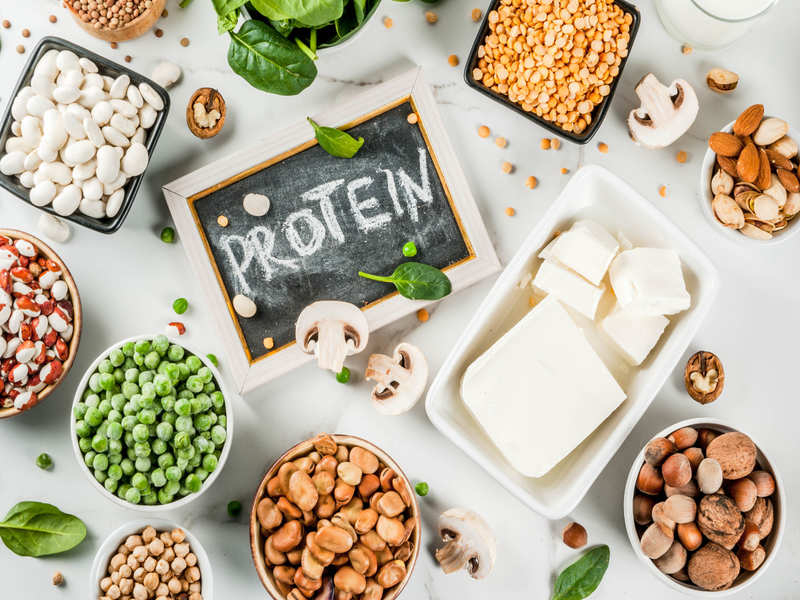
Whether you eat a steak or perhaps beans, the digestive system breaks down the proteins contained in them into amino acids, which are then absorbed into the bloodstream. From there, the body draws the amino acids to form proteins that are used by muscles, organs and many other tissues.
Back to the essential amino acids. Not all amino acids need to be ingested as the body can produce some of them on its own. Based on this, we divide amino acids into essential amino acids , those that the body cannot produce, and non-essential amino acids, those that it can produce on its own. Essential amino acids need to be ingested through the diet and these are the following 9:
- Histidine
- Isoleucine
- Leucine
- Lysine
- Methionine
- Phenylalanine
- Threonine
- Tryptophan
- Valine
Animal sources of protein are referred to as complete, meaning that animal sources contain all of these essential amino acids. Because animal tissue is very similar to human tissue, animal proteins are more readily available and easier for humans to digest. So if you eat meat, eggs, fish, dairy products, your body can process and utilize these sources very well.
Plant proteins are a little bit different. Each plant source that you choose has a different amino acid profile. For example, grains are extremely low in lysine, so low in fact that they can't even be considered a source of lysine. And then you have lentils, beans and peas, which are good sources of lysine but lack tryptophan, methionine and cysteine. However, there's no need to condemn plant proteins! You may already be thinking that if you combine the sources, it's possible to achieve a complete representation - and that's exactly right!
So is it possible to get enough protein from plant sources for optimal health? Yes, you can, but you need to know the sources well and put a lot of care and a good plan into choosing them. Some plant protein sources may not be that useful on their own, but if you can combine them with another source properly, their bioavailability will increase rapidly. So otherwise if you combine two types of plant sources so that they contain the complete amino spectrum, then you're in business! And what's more - there are also plant-based complete protein sources. There are certainly plenty of ways to ensure adequate protein intake even from plant sources alone.
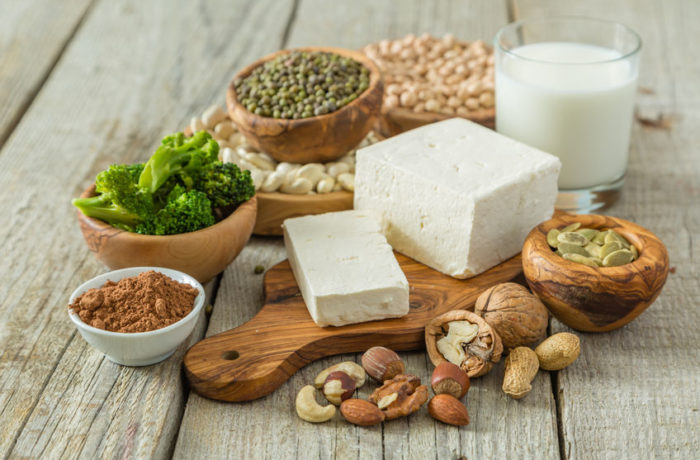
The important thing to remember is that there is no one-size-fits-all way of eating. Some people are just fine eating animal products, others are not. There is no need to judge or denigrate this. Even people interested in bodybuilding, building muscle mass or individuals looking for higher endurance performance can achieve quite good results from a plant-based diet alone if they can combine sources and plan properly. One thing to keep in mind is that some plant proteins are high in lectins, antinutrients that can have a negative effect on the body.
Lectins are found in high amounts in beans, soy and wheat, have the ability to inhibit the absorption of other nutrientsand can also cause digestive problems, bloating, or gas. Lectins can interfere with digestion and nutrient absorption, stimulate shifts in bacterial flora and trigger autoimmune reactions. But enough scaremongering, let's take a look at some of the best sources of plant protein.
THE BEST SOURCES OF PLANT PROTEIN
We've already mentioned that there are even a few sources of plant protein that can be described as complete. That is to say, ones that contain all 9 essential amino acids that the body needs to function and can't make on its own. Let's take a look at which plant sources are actually the best and how to combine them, if necessary, so that their amino spectrum can be considered complete.
QUINOA
Quinoa is the queen of cereals. This cereal, which is one of the oldest, is not so well known in the Czech Republic, but it is slowly making its way into the world. It comes from South America and has a very delicious nutty flavour. Including quinoa in your diet is one of the best decisions you can make, because we are talking about a highly nutritious food that is interesting not only in terms of its exceptional protein composition. It is one of the few vegetable ingredients that contains a complete representation of amino acids, which makes it a really high protein cereal - up to 15g of protein per hundred grams. But the other nutrients that this cereal offers are also very remarkable! We find in it nutrients such as fibre, iron, magnesium and manganese. It is also rich in antioxidants and is a great alternative to rice, for example, and can be used both sweet and savoury, making it a very versatile food that will add a touch of unusualness to your diet. As an added bonus, it is gluten-free, so even people with intolerances and allergies can enjoy it.
POHANKA
Right at the end we have another cereal, or pseudo cereal - buckwheat. This is another unsuspected treasure that everyone should have in their diet. Like quinoa, it is gluten-free and very nutritious. It contains about 10g of protein per 100g. Buckwheat therefore boasts a near-optimal ratio of essential amino acids and a high content of arginine, lysine, threonine and tryptophan. In addition, it contains other beneficial minerals such as phosphorus, potassium, magnesium and iron. Some studies have shown that it can help lower blood pressure, reduce cholesterol and regulate blood glucose levels.
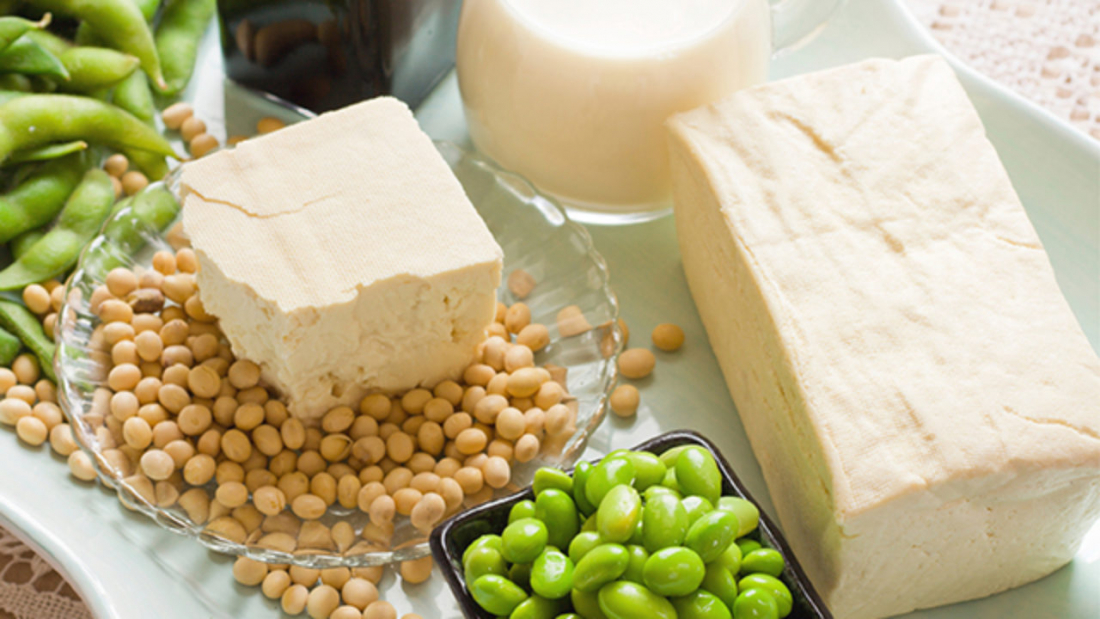
SOY - TOFU, MISO, NATTO
While beans are usually low in the amino acid methionine, soy is a complete protein and therefore rightfully deserves its status as a meat substitute (in processed form, of course). Soy is quite controversial, especially in the context of GMOs. It is much more appropriate to reach for some processed, ideally fermented version. The most famous soy product is probably tofu, which is made by fermenting soybeans. Other, and perhaps better, sources, according to studies, are natto and misso, which, as the name suggests, come from Japan.
TEMPEH
Another of the world's top plant proteins is tempeh, an Indonesian soybean. Tempeh is made by fermenting soybeans, and this process eliminates the side effects that soy itself has. When you serve this complete protein, you get up to 18 grams of protein per serving. Tempeh is cholesterol-free and offers quite a good amount of minerals, especially magnesium, calcium and manganese.
SPIRULINA
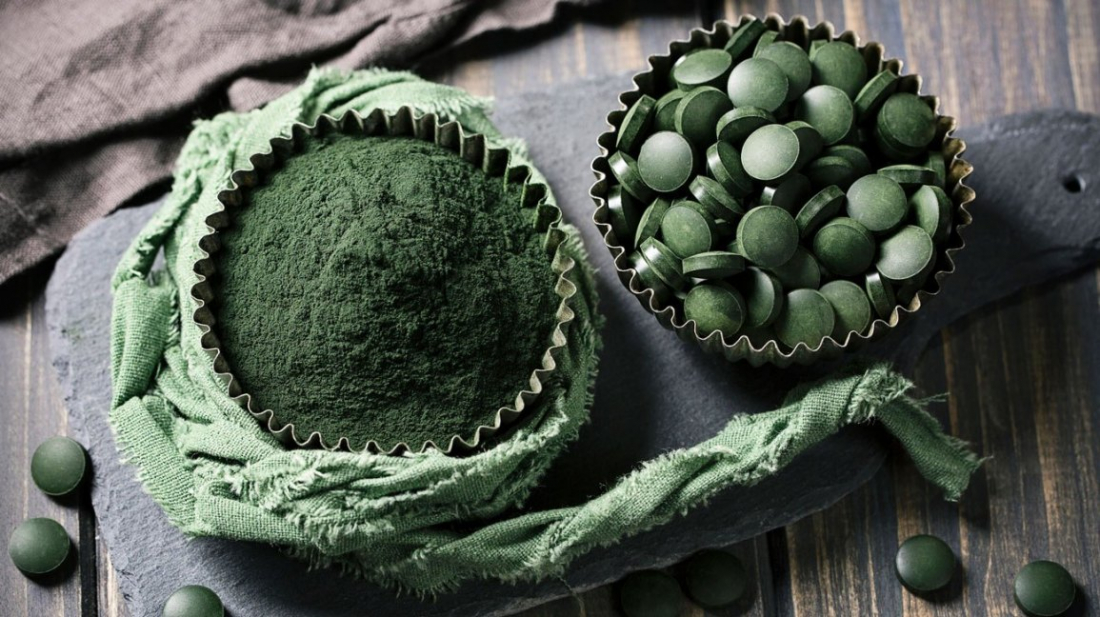
No, I really didn't make a mistake. This seaweed, which is a nightmare for many to eat, is really an absolutely great source of protein, plus it has some incredible benefits such as removing heavy metals from the body, helping to reduce the symptoms of HIV/AIDS, and preventing cancer.While it's not a complete protein on its own, spirulina has a whopping 39 grams of protein per serving. To supplement the methionine and cysteine it lacks in the amino spectrum, just pair spirulina with something whole grain or some nuts. Spirulina also dominates in plant sources in terms of glutamine content. Glutamine is an amino acid that is called "conditionally essential" because the body can make it on its own, but the body consumes it in such quantities that you must also take in extra of it through food.
AMARANT
Another gluten-free ancient cereal that has a complete representation of amino acids. It provides up to 9g of protein per 100g and even more than 100% of the recommended daily allowance of manganese.
CHOCKA
Lentils are part of the legume family and provide a great nutritional profile, including 18 grams of protein. Technically, they contain all 20 amino acids, but the amount of cysteine and methionine in lentils is actually pretty negligible, so if you're watching your protein macros, try adding almonds or other nuts or rice. Lentils are also a great source of fibre and you can choose from several varieties - black, green and red.
Recommended

Nebbia Crop top tričko POWERHOUSE 279
Prom-in Pentha Pro Balance

HMS Magnetický veslařský trenažér ZM1502
Czech Virus Joint MAX Ultimate Blend
BEANS COMBINED WITH RICE
One of the easiest, cheapest and vegan meals is also one of the best sources of vegetable protein. Yes, beans with rice also provide complete protein sources. Most types of beans are low in methionine and high in lysine and leucine, while rice (both brown and white) is low in lysine and high in methionine. You put them together and voilà? Perfection and a complete protein is born. The same goes for lentils and chickpeas.
HEMP SEED
Foods with added hemp seed have been on the rise lately. Hemp seeds contain all the essential amino acids in the most favourable and usable ratio - the protein content of hulled hemp seeds ranges between 30 - 40 grams/100 g. They are great for smoothies, but you can also use the seeds in the form of flour and bake a variety of desserts and savoury treats.
SO HOW TO COMBINE PLANT SOURCES?
We've already outlined some combinations above, but let's give you a quick summary. Let's start by saying that there is no need to eat complementary sources in absolutely every meal, as has been assumed for many years, but that we do need to take different foods in a day that offer different sources of amino acids to help fill the complete amino spectrum we need for optimal health and body function. Even so, there are a few foods that when paired will give you a complete amino spectrum immediately. These combinations of grains and legumes and nuts are among those:
- Beans and rice
- Pasta and peas
- Whole wheat bread and peanut butter (I suspect this will be a very popular combination)
- Hummus and pitta bread
- Lentils and almonds
- Chickpeas with tahini (sesame) paste
THE BENEFITS OF EATING PLANT PROTEIN
Finally, let's just briefly highlight the benefits that plant-based protein sources offer us.
- They can help protect our heart and prevent various heart diseases.
- Plant proteins can be beneficial in the treatment of diabetes.
- They can help lower cholesterol and blood pressure.
- Plant proteins can be helpful in weight loss (but this is true for all types of protein in general).
- They are a great addition to your diet!
PLANT PROTEIN SUPPLEMENTS
Of course, we can also make use of various plant proteins (hemp,pea,...) that can be included in our diet, which mainly vegans will benefit from. However, we should be careful which plant protein we buy. However, from this article we know which plant proteins to combine with each other and this also applies to plant proteins.
WHAT CAN I TAKE AWAY FROM THIS ARTICLE?
Plant proteins are often considered "something less" than animal proteins because many of them do not have a complete amino spectrum. Yet this may not be true at all! You just need to give some thought to their use and know how to combine the sources appropriately, or which source to reach for to make it complete. Plant sources of protein can not only be a great boost to your diet, but can also provide many health benefits. Plant-based protein definitely deserves a place in your diet, whether you're a vegan or a pure carnivore!
Sources:
https://www.ncbi.nlm.nih.gov/pubmed/25578557
https://www.health.harvard.edu/harvard-researchers-launch-healthy-eating-plate
https://www.ncbi.nlm.nih.gov/pubmed/28728684
https://www.ncbi.nlm.nih.gov/pubmed/2710749
https://www.ncbi.nlm.nih.gov/pubmed/26224750
https://www.muscleforlife.com/animal-protein-vs-plant-protein/
https://nutritiondata.self.com/foods-011093000000000000000.html?maxCount=25
https://www.verywellfit.com/vegan-protein-combinations-2506396
https://www.ncbi.nlm.nih.gov/pubmed/2487147
No posts have been made yet.








