Six foods that promote inflammation and their suitable alternatives
 Author:
 It probably won't surprise anyone to say that our diet plays a huge role in regulating inflammation in the body. And this is true not only for common diseases, but also for serious autoimmune health problems, for which we can alleviate the symptoms with an appropriate dietary regimen and thus ease the overall course of the disease, but also, of course, ensure effective prevention. In today's article, we'll look at foods that encourage the formation of inflammation or worsen its course, and finally, we'll also look at what healthy alternatives to replace such foods with ideally.
Theoretical window: what exactly is inflammation?
Inflammation is thought to be a defence mechanism that the body uses to protect itself from disease and infection. Although inflammation is a perfectly normal part of the immune process, a growing body of research shows that chronic inflammation can contribute to the development of a variety of diseases, trigger pain and increase the risk of serious problems such as heart disease, cancer and diabetes. Factors such as frequent consumption of over-processed foods, inappropriate diet composition, eating in a hurry, stress and sedentary lifestyles have a negative effect. Let's take a look together at 6 food groups that should be avoided to reduce inflammation in the body.

Six food groups that promote inflammation
The food groups listed below are risky for the development of inflammation in the body and can also have a negative impact on overall health. Their presence in the diet should therefore be sporadic if not zero.
Fried foods
Fried foods are high in trans fat, which is the least beneficial, one might even say unhealthy, type of fat and is associated with a long list of negative side effects on our health. As well as raising cholesterol levels and increasing the risk of heart disease, cancer and diabetes, trans fats can also trigger inflammation. Consuming excessive amounts of trans fats is associated with high levels of inflammatory markers such as C-reactive protein. Foods high in trans fats include French fries and other fried fast foods, cold cuts, most convenience foods, some margarines and solid fats, packaged sweets, fried doughnuts, etc.

Sausages and processed meat
Processed meat is any type of meat that has been smoked, salted or otherwise processed to enhance flavour or extend shelf life. The most common examples are sausages, sausages, bacon, salami, sausage, etc. Not only has meat processed in this way recently been classified as carcinogenic by the World Health Organisation, but it can also contribute to inflammation. Studies show that frequent or excessive consumption of such processed meat may be associated with higher levels of CRP, a marker used to measure inflammation in the body. Please note, this is certainly not true for all meats - lean meats are healthful and do not promote inflammation in the body.
Alcohol
Another group of foods, or in this case rather liquids, that cause inflammation in the body are alcoholic beverages. Studies show that drinking large amounts of alcohol can increase certain inflammatory markers, including CRP. What's more, frequent alcohol intake can also increase the risk of leaky gut syndrome, a condition in which toxins and food particles leak from the digestive tract into the blood, causing widespread inflammation. There is no harm in occasional alcohol consumption, but it should definitely not be drunk on a daily basis or by the litre at weekend parties.

Refined carbohydrates
Right off the bat, let's just say that we're not going to try to demonize carbohydrate intake in general in this paragraph, because there's really no need to. Carbohydrates in their natural form are very beneficial to health, they are a source of energy, fiber and a whole host of micronutrients and we definitely advocate maintaining their share of daily calorie intake. We are going to talk about refined carbohydrates - i.e. sweets, convenience foods, some bakery products (or bread really does not need to have more than a one-line formula) and so on. These foods undergo extensive processing, stripping them of beneficial nutrients such as fibre.

Refined carbohydrates also tend to have a higher glycemic index, which is used to measure how quickly foods raise blood sugar levels. Research shows that frequent consumption of foods with a high glycemic index, or their dominance in the diet, can trigger inflammation, even in healthy adults. Researchers also suggest that refined carbohydrates in the modern diet may promote the growth of inflammatory gut bacteria, which can increase the risk of obesity and inflammatory bowel disease.
Sugar and high fructose corn syrup
Table sugar (sucrose) and high fructose corn syrup (HFCS) are the two main types of added sugar in the Western diet. Sugar is 50% glucose and 50% fructose, and high fructose corn syrup is about 45% glucose and 55% fructose. One reason added sugars are harmful is that they can increase inflammation, which can lead to the development of a number of diseases, including diabetes, obesity, and metabolic syndromes.
High fructose corn syrup is a type of sweetener often found in processed foods, including soda, juice, candy and ice cream. Like regular sugar, high-fructose corn syrup is at the top of the inflammatory food table and can have detrimental effects on almost every aspect of health. For example, studies suggest that frequent consumption of high-fructose corn syrup-containing beverages may also be associated with a higher risk of arthritis in adults as young as 20-30 years old.

Refined vegetable oils
Heavily processed or refined vegetable oils are very high in omega-6 fatty acids. Although omega-6 fatty acids are an important part of a healthy diet, consuming a high ratio of omega-6 and omega-3 fatty acids can cause inflammation. The ideal ratio of omega-6 to omega-3 fatty acids should be 2:1 to 4:1 at most, but most people consume omega-6 fatty acids at a much higher predominance, as high as 15-20:1. Therefore, limiting the consumption of refined vegetable oils while adding more omega-3 fatty acids to the diet can help reduce inflammation, as omega-3s are one of the main fighters in the fight against inflammation.

Healthier alternatives - or what to look for in a diet?
Okay, so you can probably see that foods that encourage inflammation could be categorised as "not really suitable for a healthy lifestyle", so it will come as no surprise that a balanced diet consisting of fresh, minimally processed foods is essential for a healthy body. Focus on making sure your diet contains plenty of complex carbohydrates from sources such as potatoes, rice, whole grain cereals, rye bread, oatmeal, buckwheat, quinoa and more. Add in appropriate sources of protein - lean meats of all kinds, fish, eggs, dairy, maybe some of those plant-based sources like tofu, and don't forget protein powder, the universal helper. Also add legumes to your diet regularly as a source of fibre, carbohydrate and plant protein. Don't forget healthy fats such as avocado, fish, nuts or avocado oil. And last but not least - lots of fruits and vegetables of all kinds!
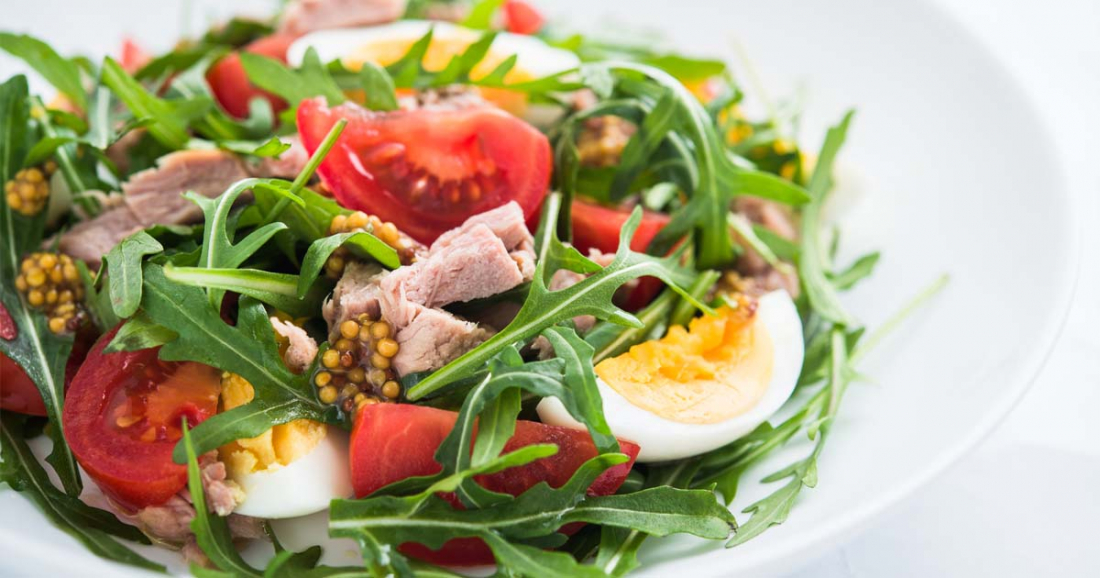
According to various studies, fish, for example, can be considered the best anti-inflammatory food because it is a source of important long-chain omega-3 fatty acids that have anti-inflammatory effects (among other things, they reduce the risk of developing metabolic syndrome, heart disease, diabetes, kidney disease). Furthermore, avocados are one of the foods with excellent anti-inflammatory properties. It contains a good amount of potassium, magnesium, fibre and mono-unsaturated acids with beneficial effects for our heart. It also contains carotenoids and tocopherols, which reduce the risk of cancer.
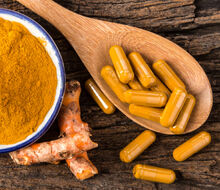
One of the best anti-inflammatory foods is definitely turmeric - this distinctive oriental spice has powerful antioxidant and anti-inflammatory properties. Similarly, ginger has the ability to help treat inflammation that is already underway, but it can also be a good prevention against their development. Garlic is another food that has strong anti-inflammatory and antioxidant properties.
Recommended


LifeLike Mandle natural
Other beneficial, anti-inflammatory foods include dark chocolate, which is also rich in various antioxidants with anti-inflammatory properties. Dark chocolate also contains large amounts of flavonoids - anti-inflammatory substances that also contribute to the health of the endothelial cells that make up the walls of blood vessels. It is also worth mentioning extra virgin olive oil, which is also classified as a healthy fat with strong anti-inflammatory properties.
Also add tomatoes, grapes, peppers, beetroot, blueberries, mushrooms, broccoli or green leafy vegetables to your diet. As for beverages, green tea has the best effects in reducing inflammation and has been shown to reduce the risk of heart disease, cancer, Alzheimer's disease, obesity and other health problems and complications.

What to take away from the article?
Chronic inflammation can be the cause of many serious diseases such as heart disease, cancer and diabetes, and it is well known that the way we eat can play a major role not only in treating ongoing inflammation but also in preventing it. What foods cause inflammation? Foods to avoid include fried foods, processed meats, alcohol, refined carbohydrates, refined vegetable oils and high fructose corn syrup. Conversely, a diet based on eating real foods in sufficient quantities and of adequate quality can be a way to reduce inflammation and protect your body from disease. Include plenty of fruits and vegetables, foods rich in omega-3 fatty acids (especially oily fish), nuts, seeds, as well as whole grain sources of complex carbohydrates and highly digestible sources of protein in your diet.
Sources:
Hunter P. (2012). The inflammation theory of disease. The growing realization that chronic inflammation is crucial in many diseases opens new avenues for treatment. EMBO reports, 13(11), 968-970. https://doi.org/10.1038/embor.2012.142
Dhaka, V., Gulia, N., Ahlawat, K. S., & Khatkar, B. S. (2011). Trans fats-sources, health risks and alternative approach - A review. Journal of food science and technology, 48(5), 534-541. https://doi.org/10.1007/s13197-010-0225-8
https://www.who.int/news-room/q-a-detail/cancer-carcinogenicity-of-the-consumption-of-red-meat-and-processed-meat
Capurso, G., & Lahner, E. (2017). The interaction between smoking, alcohol and the gut microbiome. Best practice & research. Clinical gastroenterology, 31(5), 579-588. https://doi.org/10.1016/j.bpg.2017.10.006
Dickinson, S., Hancock, D. P., Petocz, P., Ceriello, A., & Brand-Miller, J. (2008). High-glycemic index carbohydrate increases nuclear factor-kappaB activation in mononuclear cells of young, lean healthy subjects. The American journal of clinical nutrition, 87(5), 1188-1193. https://doi.org/10.1093/ajcn/87.5.1188
Liu S. (2002). Intake of refined carbohydrates and whole grain foods in relation to risk of type 2 diabetes mellitus and coronary heart disease. Journal of the American College of Nutrition, 21(4), 298-306. https://doi.org/10.1080/07315724.2002.10719227
Innes, J. K., & Calder, P. C. (2018). Omega-6 fatty acids and inflammation. Prostaglandins, leukotrienes, and essential fatty acids, 132, 41-48. https://doi.org/10.1016/j.plefa.2018.03.004
Patterson, E., Wall, R., Fitzgerald, G.. F., Ross, R. P., & Stanton, C. (2012). Health implications of high dietary omega-6 polyunsaturated fatty acids. Journal of nutrition and metabolism, 2012, 539426. https://doi.org/10.1155/2012/539426
Hu, Y., Costenbader, K. H., Gao, X., Al-Daabil, M., Sparks, J. A., Solomon, D. H., Hu, F. B., Karlson, E. W., & Lu, B. (2014). Sugar-sweetened soda consumption and risk of developing rheumatoid arthritis in women. The American journal of clinical nutrition, 100(3), 959-967.
No posts have been made yet.