





Obesity, diabetes and cancer - that's what you're likely to get if you gamble with sugar!
 Author:
 In the 1970s and 1980s, fats and to some extent proteins were demonized. In the 1990s, the biggest bogeyman of healthy eating was carbohydrates, a trend that is repeating itself again today. Many people also exaggeratedly and unfairly vilify foods with gluten and dairy. In short, the eternal battle over which foods or entire groups are actually healthy and which are not. But let's be honest, carbohydrates, fats, proteins, dairy and gluten foods all have proven health and body composition benefits. Even so, we still find all sorts of dietary trends that try to convince us that this is not the case and exclude particular macronutrients from the diet. Yet there is one ingredient that is demonized in perhaps every dietary trend, and rightly so. And that is sugar.

Sugar is a food that we often hear very negative reactions to. And yet, unlike senselessly demonized foods like baked goods, carbohydrates, or chocolate, sugar is actually vilified for pretty good reasons. Sugar intake has almost doubled in the last 20 years. In fact, sugar is found in the vast majority of the packaged foods we buy. The moment sugar is consumed in high levels over a long period of time, health complications come into play. If you don't see sugar at the top of the ingredients, it's probably hiding under another form of sugar that you may not be familiar with. It is very easy to become addicted to sugar and many people find it very hard to break the habit, as they simply don't find most foods taste as good without the sweet taste. However, cutting out sugar completely may not be as easy, or indeed as necessary, as it might seem. So let's take a look at the negatives associated with eating too much REFINED TABLE SUGAR.

From the highlighting of the words refined sugar, it is probably clear to you that there is no such thing as sugar. It is also important to say that by "sugar" we do not have to imagine only the white (brown) sugar we have at home in our candy. But to confuse matters , sometimes we call all carbohydrates "sugars" in general. Sugars also include fructose, lactose, or glucose. Our bodies use sugars as a primary source of energy. And only when there is an excess of sugar is it stored in the body in various places, especially as storage glycogen. Glucose is very important to us - primarily for our nervous system, brain, red blood cells and health in general. It is also important to say that most of the negatives are not just related to the consumption of sugar, but to the consumption of foods containing it, i.e. a combination of sugar and saturated fat.
Negatives associated with eating too much sucrose (sugar)
Increased risk of heart disease
Most people's first thought of heart disease is probably industrial fats and excessive consumption of trans-saturated fats, but the truth is that sugar is a much greater risk factor in this regard according to modern studies. Even manufacturing companies "sponsored" Harvard scientists in the 1960s to study the effect of fat on the heart rather than the effect of excessive sugar intake on the heart. However, in the modern decade, the truth is coming to light and we know that consuming large amounts of refined white sugar rapidly increases the risk of developing obesity, heart disease, as well as death as a result.

Fatty liver
Another reason why it is highly advisable to reduce the intake of refined sugar is precisely for the health of the liver. Apart from alcoholics and drug addicts, excessive consumption of refined sugar is the second most common factor leading to liver disease. High-fructose corn syrup, which hides in drinks and processed foods, is considered virtually a "weapon of mass destruction" and its excess leads to an increase in the concentration of fat in the liver. According to one study, up to 33% of the American population suffers from liver problems! That's almost the same percentage as the number of people suffering from obesity or type II diabetes.
"Leaky gut" and other metabolic disorders
Is eating sugar bad for us gut biome? You'd damn well better believe it is. Our guts contain bacteria that actually function as metabolic organs, and scientists are now discovering through studies that sugar alters the gut microbiome in a way that increases the permeability of the gut, called leaky gut. Eliminating excess added sugar is a key part of any effective treatment plan for this modern disease of civilization. Added sugar feeds yeast and bad bacteria that can damage the gut wall and create just that leaky gut. This leads to the development of chronic, low-grade inflammation that can lead to the transfer of substances from the gut into the bloodstream. This can cause obesity and other serious chronic metabolic diseases in the long term .
Significantly higher susceptibility to the development of diabetes
A 2013 study published in the journal PLOS ONE claims that every 150 calories of sugar a person consumes per day (that's about the equivalent of one can of some fizzy soda) increases the risk of type 2 diabetes by 1.1 percent. Researchers also found that the effect of excess sugar on increasing the risk of developing diabetes is independent of whether an individual lives an active or sedentary lifestyle.

Rising cancer risk
Is your mind going "oh yeah, right, cancer again, it's caused by everything these days"? That may be true, but when it comes to sugar, the research is pretty clear. For example, added sugars increase the risk of oesophageal cancer, while added fructose (hence high fructose corn syrup) increases the risk of developing cancer in the small intestine. Other research suggests an association between high intake of added sugars and colon cancer. In the case of this research, the risk remained unchanged even when other factors leading to an increase in risk, such as obesity, overweight or diabetes, were considered. Refined sugar may also increase the risk of breast cancer and metastasis to the lung. The University of Texas MD Anderson Cancer Center published a 2016 study that found that high amounts of sugar in the typical Western diet causes an enzymatic signaling pathway known as 12-LOX (12-lipoxygenase) in a way that increases breast cancer risk.
Negative effect on dental health
Remember when your parents or grandmother told you in kindergarten that you couldn't eat so much candy to prevent tooth decay? Yes, it's true that too much sugar can cause you to be in your dentist's office much more often than you might like. Not too surprisingly, what we eat has a significant impact on the health of our mouths, gums and teeth, among other things. Excessive sugar consumption can cause bacterial growth, resulting in decay and infection of surrounding tissues and bones.
Sugar also exacerbates depressive states, although its consumption is associated with comfort, this is not the case. Excess refined sugar can also cause acne. And of course, we could go on and on.
Sugar = empty calories
What's most insidious about sugar is that with one bottle of sweetened beverage, you're taking in as much as 40g of sugar, which is about 300 calories, and you haven't eaten anything at all. So the worst part about these calories is that they're essentially empty - with virtually zero satiating effect.Many people also live under the assumption that sugar itself is more lipogenic (causing increased fatty acid production, and ultimately fat storage) than comparable amounts of calories from other types of carbohydrates. According to this logic, many people avoid sugar like the devil, but studies show that this may or may not be true. Of course, it depends on metabolic status, activity or inactivity, genetic predispositions, and so on.

In the last few years, popular documentaries have further claimed that sugar is toxic and can contribute to health diseases. But it is important to note that any other substance can be 'toxic' or 'poisonous' if there is too much of it. Or there's my favorite phrase again - there is no unhealthy food, only unhealthy amounts. In fact, the difference between a drug and a poison is always just the amount. Killing the average person would require a dose of about 450 grams of sucrose. By comparison, a toxic, or if you like, lethal dose of vitamin C is about one-third of that dose, and a lethal dose of alcohol is even only about one-quarter. So can sugar be toxic? Theoretically, yes - but you'd have to take in a hell of a lot of it. I'm the last person to advocate sugar, but some statements need to be elevated.
But what about sugar consumption in athletes?
It probably won't come as a big surprise that there is a difference between people with sedentary lifestyles and active athletes. Obese people often have reduced levels of insulin sensitivity and lower glucose tolerance, meaning they don't manipulate glucose as effectively compared to an individual with higher insulin sensitivity. If someone couldn't lose weight on a higher sugar diet, they would likely be the higher weight individuals.
Athletes and active people generally have significantly better and higher levels of insulin sensitivity and glucose tolerance compared to the inactive portion of the population . Athletes often use simple sugars or fructose purposely to support performance. And if you've been exercising for any length of time, you'll know that sugar, for example in the form of maltodextrin, is even recommended in the period shortly after training to provide muscle nutrition especially for individuals trying to build muscle.
But what to really avoid?
If you don't find sugar in the ingredients , it doesn't mean you're out of luck. Added sugars have many faces and names behind which they hide. Don't be fooled by the natural sounding names either. Sweeteners such as cane sugar, beet sugar, fruit juice, rice syrup and molasses are still types of sugar, and we should pay due attention to their content as well. The higher a sugar ingredient is on the list of foods, the higher its concentration in the product. So what forms can sugar take?
- White granulated sugar
- Sucrose
- Sugar
- Caster sugar
- Cane sugar
- Coconut sugar
- Dextrose
- Invert sugar
- Molasses
- Maltodextrin
- Caramel
- Fructose
- Lactose
- Sucrose
- RAW sugar
- Corn syrup
- Nectars
...and a whole bunch more.

Where can we find sugar? Practically everywhere, even in places we wouldn't expect to find it. That is, in addition to sweets, bars, chocolates, ice cream, cakes, in sugary sodas, but also in yoghurt, dried fruit, canned pulses, ketchup and other condiments, in ready meals, in smoothies, and last but not least in bakery products.
Recommended

Prom-in Vita Solution 2.0

Amix Vitamin C500
We're not encouraging you to skip all carbs and fruit, of course, there's no need to do that at all! Fructose, which is a natural (but still) sugar, is found in fruit. However, it's definitely better to reach for a fresh fruit than a can of cola, even though both foods contain sugar. What's crucial, though, is the fact that fruits are classified as nutritionally rich foods - meaning that in addition to the aforementioned sugar, they also contain fiber, vitamins, minerals, and antioxidants, which cola does not. Thus, through drinks we usually only take in calories without any higher nutritional value. So sugar, generally speaking, does not have to be omitted completely, in fact, it is not even completely okay, and for athletes in particular, we just need to choose really appropriate sources and control the amount. But back to refined sugar.
How to reduce the intake of refined sugar?
There's no need to cut out sugar completely, but you do need to remember to control the amount and watch out for hidden sources. Reducing your sugar intake isn't as hard as you probably think after reading the list of where to find it everywhere, but if you're addicted to sugar, reducing it will take a lot of courage, determination and willpower, just like reducing any other addiction. However, in general, reducing sugar intake is highly desirable not only for fat reduction but for health in general. Let's take a look together at tips on how to achieve this.

Don't have white sugar, molasses, or would-be healthy substitutes at home. Also watch out for honey, which is considered a natural sweetener, but when heated it actually becomes plain sugar. If you use sugar to sweeten coffee, tea, etc., learn to drink these drinks unsweetened. You'll ruin good coffee with sugar anyway, and good tea doesn't need much sugar. Also beware of artificial sweeteners - if you still don't want to or can't give up the sweet taste, get chicory syrup. How is it different from regular sweeteners? As the name suggests, this sweetener is made from the chicory root and is therefore truly natural. It has a high sweetening power and also excels in its fibre content. Because of its fiber content, chicory syrup can be laxative in large quantities, but because it sweetens so much, you usually only need a small amount.
Instead of sweetened drinks, drink plain water. Maybe a bit of a clichéd recommendation, but if you're drinking sweetened beverages, you're ingesting a really crazy amount of sugar, even though you may not realize it. Learning to drink plain water is the best thing you can do for your health in this regard.

Limit your intake of industrially processed products. It's amazing where we can find added sugar everywhere - even in places you wouldn't really expect it. Yet there's a simple way to avoid it - buy food in its most natural form. In short, eat food that's real food, and don't buy junk you can cook yourself at home for a fraction of the price and with much better ingredients.
If you like fruit, you certainly don't have to give it up, even if it contains fructose, you just need to control the amount. As a rule, however, buy only fresh fruit, no canned fruit, and beware of dried fruit as it often has added sugar. It is much better to eat REAL sweet food than to eat something that contains added sugar. Plus, we've already established that fruit is a NUTRITIONALLY RICH food compared to sweets, and will give you extra vitamins, minerals and fiber. When it comes to fruit, the big exclamation point is with smoothies, because even though it is a fruit that is considered healthy, there are several pieces in the smoothie, and so we take in a lot of sugar, much higher than if we have the fruit in its whole form - because let's face it, who can eat three oranges, a banana and 10 strawberries in one sitting in the 5 minutes it takes to drink one of these drinks on average?
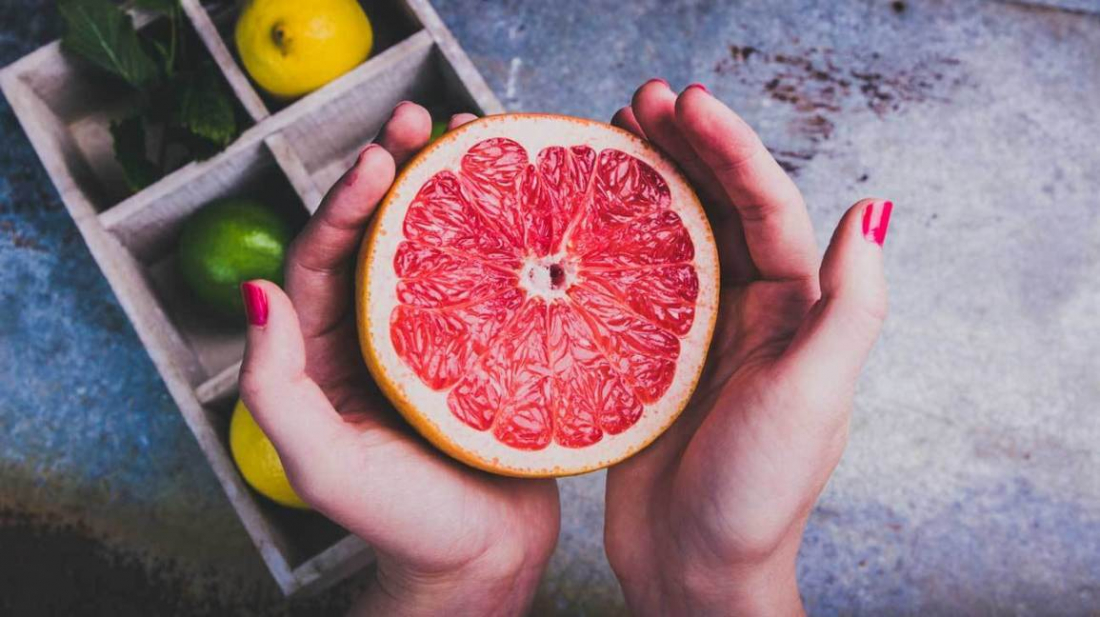
However, fruit can be used as a sugar substitute to sweeten desserts or porridge - instead of sugar in baked goodies, try mashing up a banana. Plus, if you use cinnamon, gingerbread spice or even ginger, you'll add a whole new dimension to your meals and find that you don't need sugar all that much.
How much sugar is too much sugar?
That's the question. The American Heart Association recommends that most women should take in no more than 100 calories per day of sugar (that's about six teaspoons or 20 grams) and no more than 150 calories per day for men (or about nine teaspoons or 36 grams). It depends on many factors, such as daily activity, overall diet composition, total intake, etc. And of course, don't forget to check your kids' sugar intake. Sugar intake for children should definitely not be more than 3 teaspoons - watch out for sweetened juices and other sweets. Teach your children to drink plain water, or teas sweetened with chicory syrup, or at least dilute the juices.
What to take away from the article?
Sugar is often a demonized food ingredient. Today we've looked at the fact that there's no such thing as sugar, and we've also looked at the negatives associated with excessive consumption of refined white sugar, such as the increasing risk of obesity, heart disease, diabetes and also cancer. The list of negatives is, of course, much longer. There's not much to be said for eating sugar, so it 's very advisable to reduce your intake, but on the other hand, there's no need to cut it out completely. Focus on eating fresh foods, avoid overly processed, pre-cooked, instant products, in short, eat food that is real food. Eliminate your intake of sugary drinks and choose fruit in its natural form - no canned or dried fruit with added sugar. Watch out for smoothies too. Limiting sugar is not only beneficial in the eventual reduction, but for overall health. And in the next installment, we might look at how healthier sugar alternatives are doing, don't you think?
SOURCES:
https://www.ncbi.nlm.nih.gov/pubmed/26376619
https://www.ncbi.nlm.nih.gov/pubmed/25081729
https://www.ncbi.nlm.nih.gov/pubmed/11093293
https://www.ncbi.nlm.nih.gov/pubmed/9094871
https://nutritionj.biomedcentral.com/articles/10.1186/1475-2891-11-55
https://www.ncbi.nlm.nih.gov/pubmed/22787138
https://www.newhealthguide.org/How-Many-Grams-Of-Sugar-In-A-Teaspoon.html
https://www.heart.org/en/healthy-living/healthy-eating/eat-smart/sugar/sugar-101#.WTapPxPyugw
https://www.ncbi.nlm.nih.gov/pubmed/24493081
https://www.ncbi.nlm.nih.gov/pubmed/21328345
https://www.ncbi.nlm.nih.gov/pubmed/21807932
https://www.ncbi.nlm.nih.gov/pmc/articles/PMC4303825/ xml-ph-0012@deepl
No posts have been made yet.








