





8 foods with a bad reputation that are very good for your body!
 Author:
 You've probably come across articles, discussions, statements, and reports that demonize certain foods, making you think that your favorite foods are really nefarious villains that are wreaking havoc on your body in the form of storing excess fat or God knows what else.It can be hard not to believe some of these horror stories, which the internet is literally full of, but before you set out to liquidate half your pantry and kitchen, read this article, in which we'll take a look at eight of the most commonly demonized foods and tell you what's really going on with them.
Certain foods are often blamed for various "crimes", whether it's beauty-related - such as obesity - or their consumption is even blamed for the development of cancer and other diseases.Some foods are then labelled as completely toxic, but research and relevant studies often tell a different story. So let's take a look at the 'evidence' gathered against eight wrongly demonised foods and set the record straight on all the confusion surrounding their consumption.
LEPEK
How did it end up on the list of health food demons?
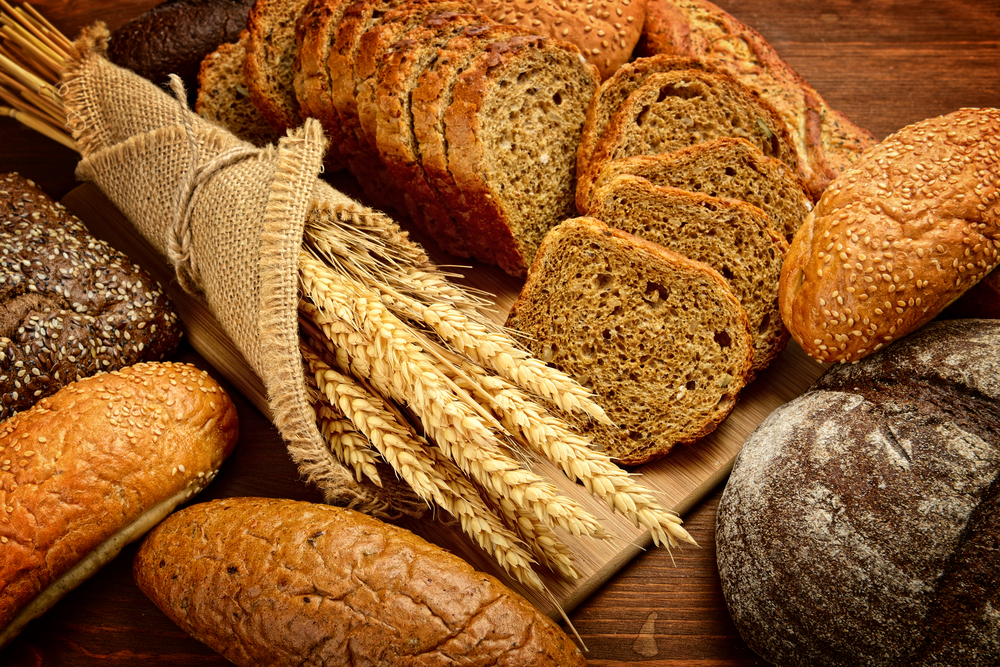
A combination of worldwide awareness of celiac disease and anecdotal reports of digestive problems caused by eating gluten and its effect on fat stores has put gluten in a tough spot. Gluten is a protein commonly found in wheat, barley and rye.In individuals who have a true gluten intolerance, also known as celiac disease, the body views gluten as a foreign invader and produces large amounts of antibodies that actually attack the lining of the small intestine. This results in discomforts such as nausea, vomiting, diarrhea and abdominal cramps, but none of this occurs in healthy individuals.
Does it deserve a place on the demon list?
Although gluten-free diets have become popular, it is estimated that only about one percent of the population suffers from celiac disease. For the remaining 99 percent of the population, gluten does not pose a health risk and following a gluten-free diet is merely a fashion trend. Anecdotal reports of "feeling better" when going gluten-free are usually related to the elimination of junk foods and highly processed foods such as various baked goods, sweets, fasfoods, and others, leading to a more nutritionally rich and overall healthier food intake, rather than being due to the elimination of gluten itself. Eliminating gluten can often be more detrimental, as individuals unknowingly deplete themselves of various nutrients.
Gluten is not the problem. The problem is the overconsumption of wheat that we are exposed to from a young age. The problem therefore arises when we consume exclusively wheat foods and forget to diversify our diet with other cereals and carbohydrate sources. Rather than spending money on overpriced gluten-free breads and pastas, which are often saturated with saturated fat, not-quite-appropriate flours and simple sugars to compensate for taste, look for products made from spelt, rye or barley flour, with absolutely no worries. Don't look to gluten alone for the blame for the increase in fat stores either. Fat stores can never be caused by eating a particular food exclusively, but by an overall excess of calories, no matter where they come from.
SUGARIDES
How did they end up on the list of health food demons?
Well, basically simply, thanks to the latest trends in eating. Fat used to be the bane, now carbohydrates are the culprits of fat stores, and diets that eliminate or radically restrict their consumption are all the rage.
Do they deserve a place on the demon list?
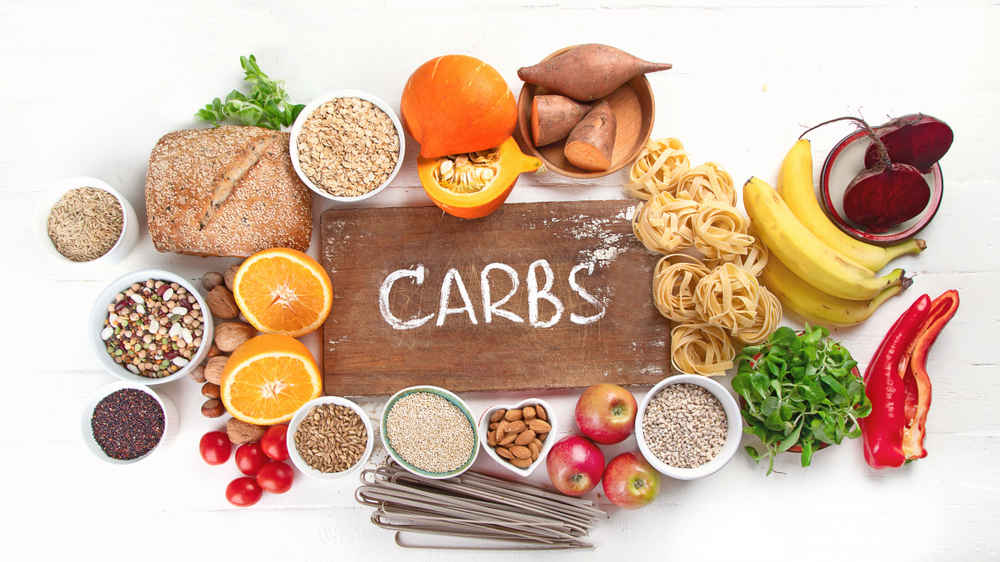
Carbohydrates, along with protein and fat, are among the essential macronutrients whose intake should be balanced in a healthy diet. Carbohydrates are also considered a major source of energy, which we as athletes and active individuals should definitely not forget. Carbohydrates are nowadays referred to as the main indicator for the increase of body fat, which is the main reason for their restriction and exclusion from the diet. However, the truth is that weight gain is due to TOTAL CALORIC SUPPLY, i.e. the fact that you consume more calories than you expend and whether you eat carbohydrates or not doesn't play that much of a role.
Recommended

Nebbia Legíny s vysokým pasem LEG DAY GOALS 248

Nebbia Dámské tvarující push-up legíny INTENSE Heart-Shaped 843
Extrifit Elastor

Nebbia Oversized tričko LIFTING CLUB 353
Carbohydrates should make up 40-55% of total energy intake and our concentration should be mainly on complex sources such as oatmeal, rice, whole grain breads, cereals, etc., Higher carbohydrate intake is highly recommended for athletes and active individuals. Carbohydrates play are also very essential for the brain and nervous system. For a long time, there was also confusion around the distribution of carbohydrates during the day, where it was thought that carbohydrates in the evening were converted into fat stores and hence their consumption was not advisable. But the truth is that the food taken in has the same amount of carbohydrate in the morning, evening, summer and Thursday. The key is the daily calorie intake and the balance of calories in and calories out.
KOKOS
How did he end up on the list of health food demons?
This tropical crop is demonised because of its fat content, which forms a major part of its nutritional profile. It is mainly saturated fat, which is considered 'bad' and results in the development of cardiovascular disease.
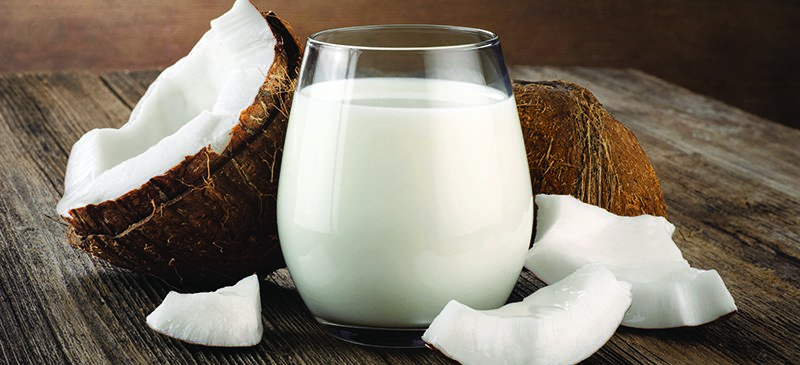
Does it deserve a place on the list of demons?
Absolutely not. Saturated fat is not something that automatically causes the cardiovascular diseases that are often associated with saturated fat. In truth, you really do need some saturated fat in your diet, especially if you are an avid active athlete. In addition, coconut contains very important fats known as medium chain triglycerides (MCTs). Unlike the typical long-chain saturated fats found in most "bad" foods, MCTs are quickly digested and absorbed. This reduces the risk of storing them and provides a readily available source of energy for the brain and muscles.
BRAMBORY
How did they end up on the list of health food demons?
Potatoes are sometimes considered a less nutritionally rich food and it is also very common to pair them with high calorie foods such as sour cream, bacon, butter and cheese. Plus - now sweet potatoes, the sweet relative of the ordinary potato, are just plain cool and roll the ordinary potato on a full scale.
Do they deserve a spot on the demon list?
Potatoes are a great source of carbohydrates! With only 160 calories per medium potato and other very interesting nutritional content, this tasty food is hard to ignore. Sweet potatoes may be taking all the glory, but plain white potatoes are rich in vitamin C, so much so that one medium potato contains up to 70% of the daily requirement of this vitamin. Potatoes are also an excellent source of vitamin B-6 and, as with sweet potatoes, are a rich source of fibre. Potatoes are definitely not "something less"!
COFFEE
How did it end up on the list of health food demons?
Coffee itself may not have a terrible reputation like the other foods we cover, but many people think of coffee as a giant latte with whipped cream or sugar syrup, and such coffees often contain more than 500 calories. Some people are also concerned about the caffeine content, which is said to have a negative effect on health and lead to the development of heart disease, and therefore demonise coffee.

Does he deserve a place on the demon list?
Caffeine actually provides several positives in the areas of cognitive and physical performance, from speeding up reaction time, increasing alertness and promoting concentration to boosting stamina, strength and increasing energy. In addition to caffeine, coffee itself is rich in antioxidants, which provide a number of other benefits for both health and athletic performance. Amounts of anywhere between one and four cups per day are associated with life extension and overall well-being. Beware, however, of coffee specialties containing large doses of sugar syrups or whipped cream; the benefits apply only to black coffee or coffee with a little milk. Again, quantity is important, as caffeine is a good servant but can be a very bad master.
SOURCE
How did it end up on the list of health food demons?
The reason sodium/salt is so often a demonized component of the diet is probably related to elevated blood pressure and hypertension.

Does it deserve a place on the demon list?
Sodium is an essential nutrient. Unless you have a history of high blood pressure or health complications that require its restriction, there is no reason to monitor and reduce sodium intake in any major way. Moreover, your kidneys are equipped with the ability to perfectly manage the difference between sodium needs and intake, so you don't have to worry about exceeding any general limits or recommendations.
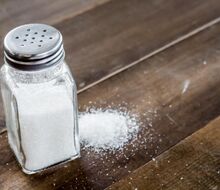
Especially if you are an athlete, a slightly increased sodium intake is highly desirable, as sodium is leached out in sweat during exercise. Sodium is an important electrolyte that has its importance in the body, In the case of active individuals without health problems, therefore, it plays an important role and it is not necessary, or even advisable, to completely exclude or radicalize its intake.
OVOCE
How did it end up on the list of demons of a healthy diet?
Once again, the bro science statements circulating on the internet are to blame, pointing out that fruit is unsuitable for a healthy diet because of its sugar content, which increases our body fat stores.
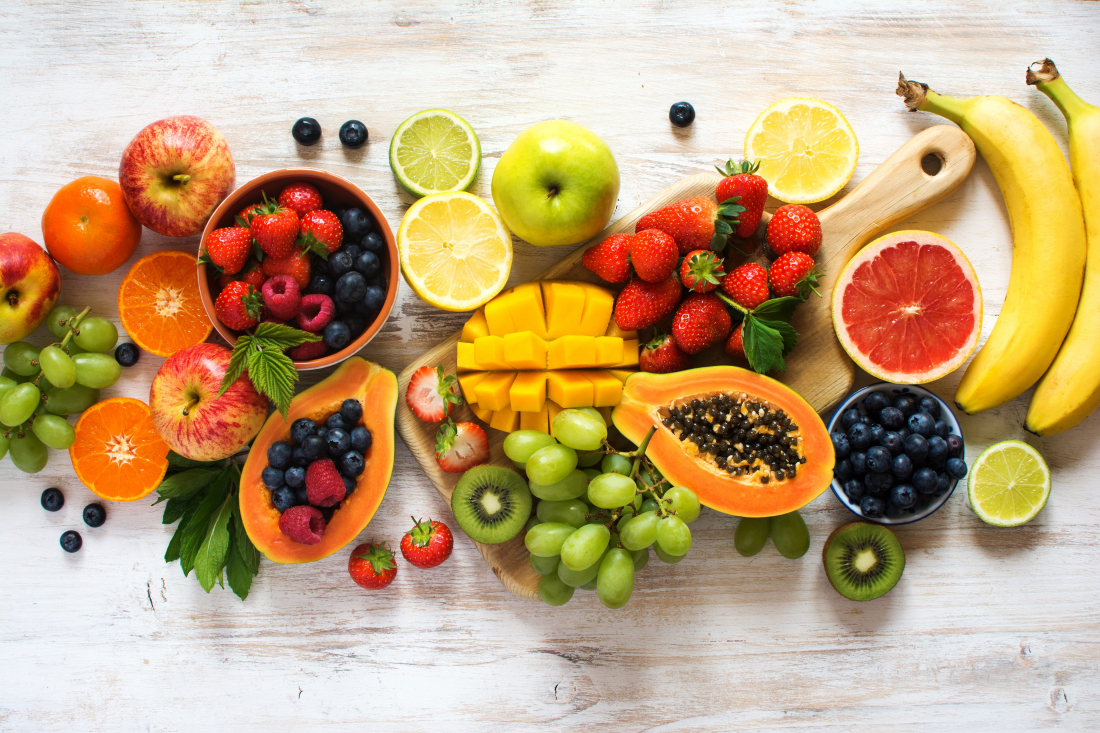
Does it deserve a place on the demon list?
Fruit is a healthy food, full of nutrients, high in fibre, vitamins, minerals and low in fat and calories, depending on the type and size of each variety. All types of fruit, especially local seasonal varieties, are a very good way to add variety and variety to your diet. As far as the fat content of fructose is concerned, you only need to consider eating 1-2 pieces of fruit per day, and if you are active and if this intake fits into your daily macros, you need not worry about weight gain. It always depends on the total daily calorie intake, the daily food mix, not on one particular food. You don't even have to stick to any time intervals, like fruit can only be eaten in the morning and so on, you can have fruit anytime as long as it fits your calorie intake.
CHOCOLATE
How did it end up on the list of health food demons?
Chocolate is considered something unhealthy, something that must be among the first items you eliminate from your diet if your goal is to reduce. Of course, there is no such thing as chocolate. There is a difference between having something that pretends to be chocolate, yet is a mixture of sugar, butter and other ingredients, or chocolate with a high cocoa content.
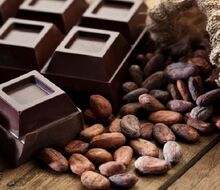
Does he deserve a place on the demon list?
Quality dark chocolate is an amazing food suitable for weight loss and weight loss regimes and especially for active people. Dark chocolate even has many health benefits. These include, for example, a beneficial effect on the gut biome and more! Cocoa contains epicatechin, which promotes active mass building. It's important to choose chocolate with a higher cocoa content, which should be at least 85% or more. Products with less cocoa usually contain large amounts of sugar and other additives that minimize the benefits of cocoa itself and then have very little in common with real chocolate.
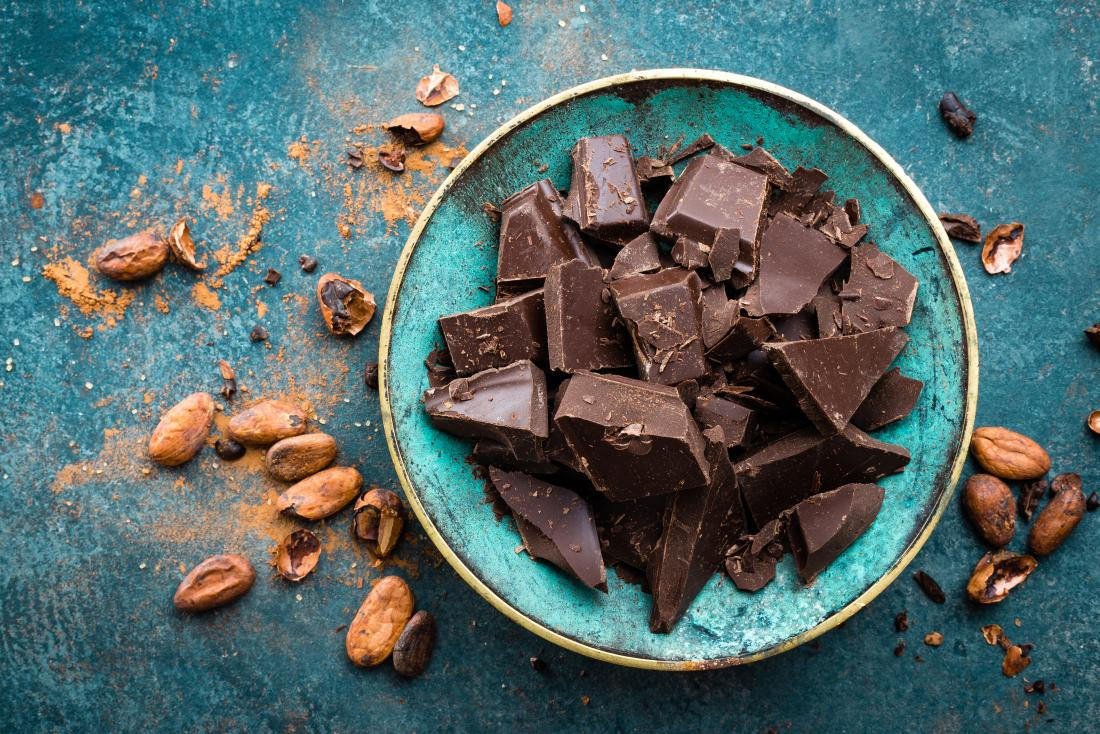
The unfortunate truth is that people who are used to sweetening everything with added sugar have very 'dull' tastes and cannot properly perceive the natural flavours of food, herbs, spices, vegetables, and therefore chocolate, and so chocolate with a higher cocoa content is unlikely to be a taste experience for them. However, it is still true that even good quality chocolate is quite a calorie-dense food, and although it is suitable for reduction diets and very suitable for healthy diets in general, you need to control the amount you consume.
WHAT CAN I TAKE AWAY FROM THIS ARTICLE?
If you read our website regularly, you will know that there is no such thing as an unhealthy food, only an unhealthy amount. Even healthy foods can be bad masters if you can't control the amount in which you consume them. Today, we've looked at 8 common imaginary demons of healthy eating and found that these foods are even very appropriate components of our diets. Don't believe everything you read anywhere and focus on making sure your intake is sufficient, varied and balanced. If you are trying to reduce, try to ensure that your intake meets the calorie deficit principle and if you want to gain, try to gain in excess. A lot of foods are demonised quite unfairly, and if eating them does not cause you health problems, there is no reason to give them up or restrict them in any major way - many of them even have very positive effects on the body, which would be a shame to lose.
SOURCES:
https://www.ncbi.nlm.nih.gov/pubmed/19931617
https://www.ncbi.nlm.nih.gov/pubmed/10919960
https://www.ncbi.nlm.nih.gov/pubmed/21735439
https://www.ncbi.nlm.nih.gov/pubmed/20019636
https://www.beyondceliac.org/celiac-disease/facts-and-figures/
https://cjasn.asnjournals.org/content/2/1/151
https://www.hsph.harvard.edu/nutritionsource/food-features/dark-chocolate/
https://www.ncbi.nlm.nih.gov/pubmed/11210120
https://www.ncbi.nlm.nih.gov/pubmed/27379336
https://www.ncbi.nlm.nih.gov/pubmed/24314870
No posts have been made yet.








