





To salt or not to salt? That's what this is all about! Do we really need to leave salt out of our diets, or is it just another surviving myth?
 Author:
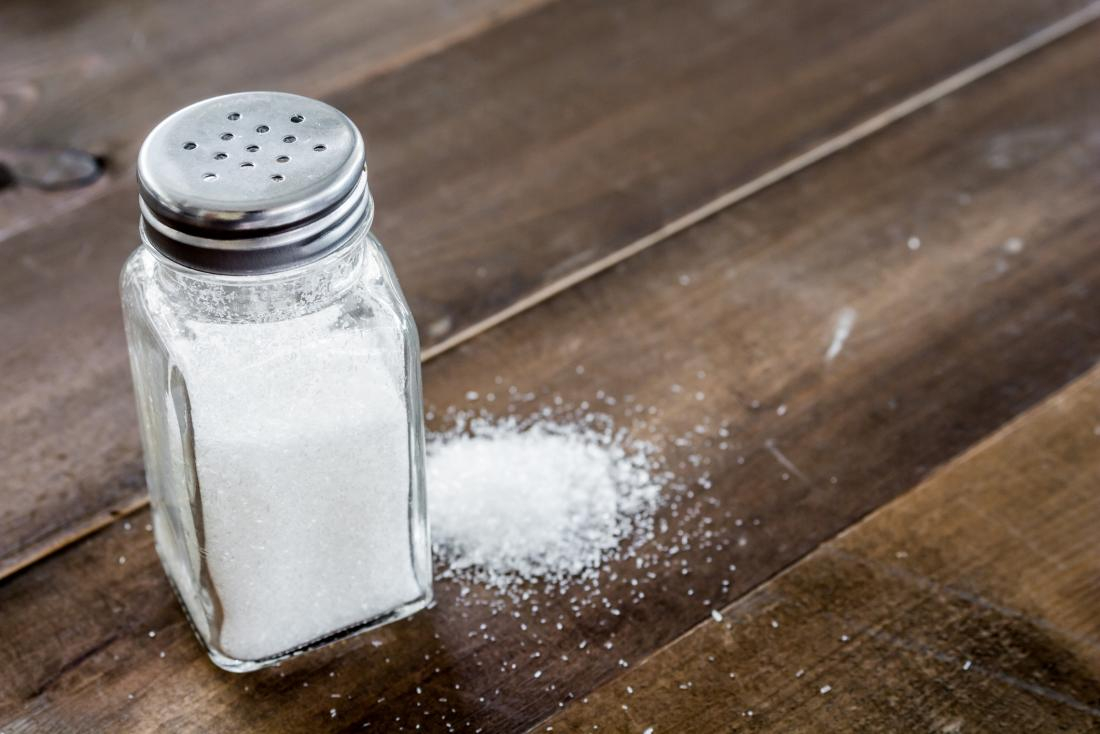
 Sodium or sodium chloride. Sodium is a natural substance that occurs in many areas of the world - especially in the oceans. Salt was (and probably still is) the great demon of a healthy diet. It has been linked to heart problems, cholesterol, clogged blood vessels, and so on. That's why we often see recommendations to cut back on salt, ideally to eliminate it from our diet altogether. However, sodium is one of the essential nutrients, and an essential one at that. In today's article, we will discuss whether it is really necessary to cut it out of the diet.
Something from the classical theory...
As mentioned in the opening paragraph - sodium is one of the essential nutrients and our body needs it. It is found as a substance on its own, or more commonly in conjunction with chlorine as sodium chloride, the familiar form of table salt. This mineral is also essential, which means that the body cannot produce it on its own. Salt is an electrolyte with a small charge. In addition to adding flavour to food, it is also used as a food preservative and ensures a longer shelf life by creating an environment that, because of its salinity, is unfavourable to the life of various micro-organisms that are not beneficial to food. Salt 'drains' the water from the cells of these micro-organisms, causing dehydration and their subsequent death.
Sodium has a very important function for the body. It is essential for the transmission of nerve impulses, the proper functioning of muscles, and because of this, it also ensures better transport of nutrients. It also helps to regulate blood pressure. The relationship between salt and blood pressure has been known for a long time and is a frequent subject of various researches. Much of this research concludes that increasing or decreasing salt intake can have a direct impact on blood pressure for people who are sensitive to salt or sodium. Sodium, along with potassium, controls the balance of body fluids within cells and in intercellular spaces.
Sodium is present primarily in the extracellular (extracellular) body fluids, with only a small portion found in the cells. You will know that salt has its own taste receptor, which is one of the five basic components of taste perception (sweet, salty, sour, bitter and unami). Sodium content in the body is regulated 90% by the kidneys. Excess amounts are then excreted in sweat and urine. Both extremes, i.e. deficiency and excess of sodium, cause health problems.

Sodium deficiency is rare and occurs mainly when excessive sweating occurs during the summer months and during long and unseasonable activity. Its manifestations include dehydration, a drop in blood pressure, depression, headaches, diarrhoea and the muscle weakness and cramps familiar to athletes. In contrast, excess causes fluid retention and increases blood pressure. Excessive salting can also increase calcium excretion, increasing the risk of osteoporosis.
In conjunction with sodium, potassium plays a very important role. Sodium is the main ion found in the fluids outside the cells, in the so-called extracellular fluids. Potassium, on the other hand, is the main ion found inside the cells, in the so-called intracellular fluids. There are about 70-100 g of sodium and 140-180 g of potassium in the human body. Both of these minerals work together in the body and are very important. Sodium and potassium, together with chloride, help to maintain the correct fluid pressure in the tissues and also the acid-base balance, i.e . that the internal environment of the body is neither too acidic nor too basic. Potassium is also necessary for the proper function of the muscles, especially the heart muscles.
Sodium tends to be present in minor amounts in plant foods, unlike potassium, which is found mainly in foods of plant origin, such as fruit and vegetables. Sodium content is much higher in foods of animal origin. Moreover, sodium is also artificially increased in processed foods by the addition of salt, i.e. NaCl, which is the main source of sodium in the human diet. The daily intake of sodium should be no more than 2.4 g (6 g NaCl). However, the real intake is often reported to be many times higher, resulting in hypertension and other disorders.
Yes, there have been rumors for some time that sodium intake is rapidly increasing, that salting is harmful to health, and speculation about what the optimal amount actually is. It's just that - most of the studies that support this claim focus only on sodium intake, with no consideration of other electrolytes. As we have already discussed - potassium plays a big role in conjunction with sodium. More recent studies show that it is not so much a matter of excessive salt (or sodium) intake, but of potassium deficiency. Since these two minerals work together in the body, low potassium intake logically increases sodium intake.
Most food packages say how much salt the food contains, but how many foods can you check for potassium? The number is minimal, so it is very difficult to analyse whether high salt intake or insufficient potassium intake is actually to blame. Recent research suggests that the ratio between these two minerals is very critical. While many studies have focused on high sodium in the diet, it appears that hypertension problems may be more likely to be associated with an inappropriate sodium-potassium ratio.
Most processed foods contain extreme amounts of sodium. The main sources of potassium are fruits and vegetables. Given the current state of the population's diets, it is not surprising that the intake of these minerals is heavily disproportionate. Consumption of processed foods with many additives, sodium being one of the main ones, is on the rise. In contrast, the consumption of fruit and vegetables is unfortunately on the decline. This means that sodium intake is potentially much higher than potassium intake.
What else should you know about salt?
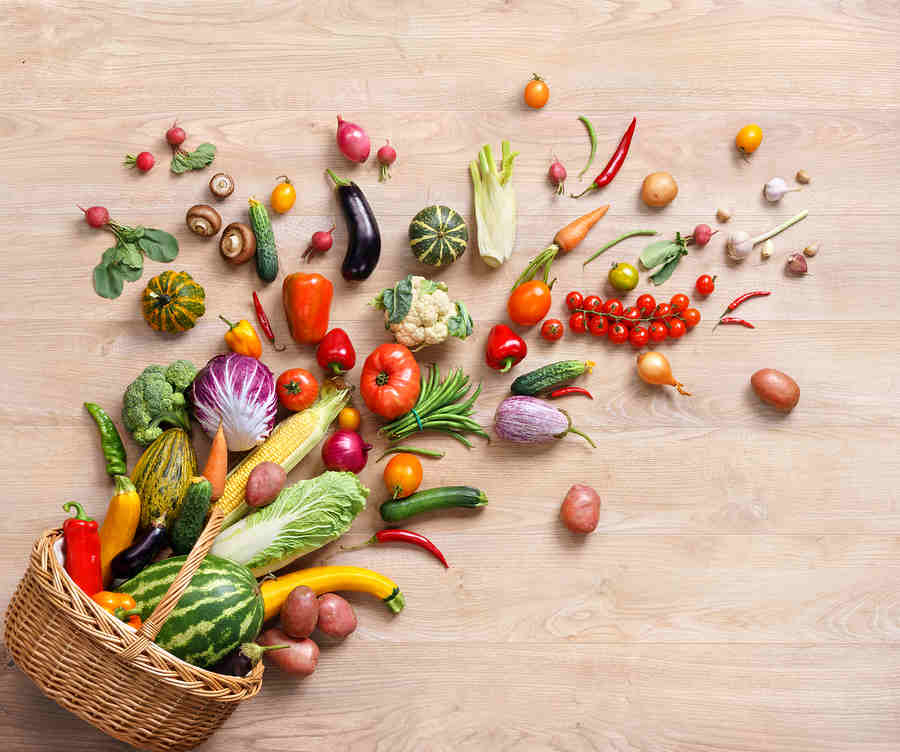
When monitoring the sodium content of your diet, it is important to consider two factors. The first factor, which has already been discussed, is the ratio of sodium to potassium. In order to balance this ratio, you need to consume plenty of unprocessed and fresh foods and possibly not add too much extra salt to processed ones. This will reduce sodium intake. It is of course important to increase potassium intake, ideally by eating fresh fruit and vegetables. Good sources of potassium are bananas, legumes, figs, tomatoes, potatoes, apricots and walnuts. The exact 'optimal' ratio of these minerals in the body has not yet been determined, but research generally agrees on a 1:1 ratio. For the record, the typical diet today contains these minerals in an alarming 5:1 ratio in favour of sodium.
The second factor to consider is the fluctuation in intake. Current salt sensitivity does not necessarily indicate overall sensitivity. It is sensitivity to a drastic change in salt intake. If a person is consuming, say, 5 grams of sodium on a regular basis, then suddenly stops salt intake, or reduces intake substantially, problems can occur with a radical drop in blood pressure. Similar to the reduction in sodium, the same happens when sodium is increased, but usually in the opposite way. This is why, if you eat healthy all day and have a not-quite-healthy dinner, you may not feel completely well. A change in blood pressure, nausea, and in some cases a change in heart rate, can be the body's response to a sudden increase in sodium in the body.
The ratio of sodium to potassium affects the body's fluid balance. Sodium and potassium are usually filtered in the kidneys. The body does not store either electrolyte. If they are deficient, the body secretes hormones that drastically reduce the excretion of electrolytes and fluids. We have already talked about how sodium deficiencies manifest themselves in the opening paragraphs (headaches, diarrhea, muscle cramps...). The exclusion of salt, and therefore the reduction of sodium intake, can also have other negative health effects, such as increasing LDL cholesterol, higher triglyceride levels, and sodium deficiency is also not very good for the heart, but neither is excess sodium.
So how to sum up?
More than excessive salt intake, you should be concerned about the lack of potassium in your diet. It makes little sense to leave salt out of your diet completely, as you will do more harm than good. Sodium is an essential nutrient for the body, which it is unable to produce on its own. Moreover, sea salt is also one of the few sources of iodine, which is very important for health and is also deficient in our diets. Rather, try to limit your intake of overly processed foods and limit excessive salting. The important word is EXTREMELY, i.e., salt sensibly, not omit salt altogether. Conversely, increase your potassium intake by ideally eating at least a piece of fruit or vegetable with every meal. Avoid excessive fluctuations in the intake of either mineral, as this could have a negative effect on your blood pressure.
Which salt is actually best?
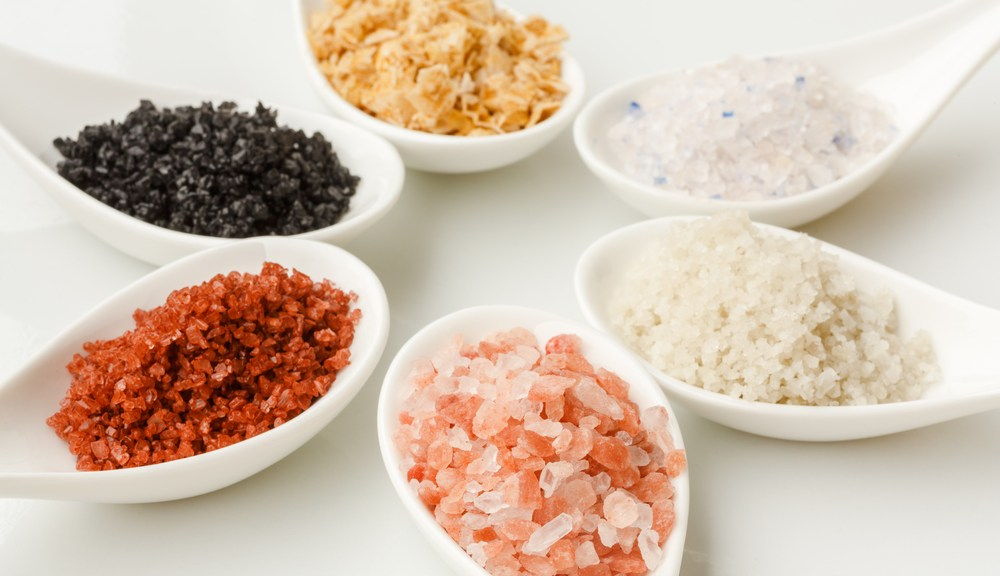
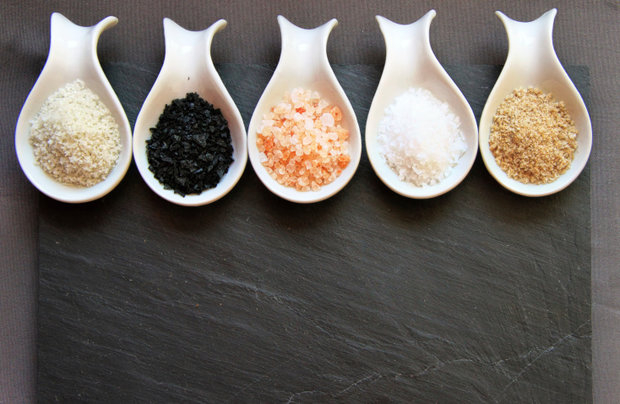
It is very fashionable to say that the best form of salt isHimalayan salt, which is typically pinkish in colour. But in reality there are no significant differences between rock salt, Himalayan salt and sea salt , at most in price. Manufacturers and sellers of Himalayan salts often claim that it contains a much higher proportion of minerals and that it has detoxifying and God knows what other health benefits. In fact, there is no scientific evidence to support these claims. As far as mineral content is concerned, no salt can be considered the best, as even the maximum daily portion of any kind cannot cover even the minimum required amount of micronutrients such as potassium, calcium or iron.
So is salt above gold?
Salt is not the enemy and you should definitely not exclude it from your diet completely, especially if you are an active athlete. On the other hand, you need to be aware of the role sodium plays in the body and not take in too much excess. If you do decide to cut back on salt, start gradually to avoid giving your body too much of a shock and you might not feel well. Optimal sodium intake is somewhere between these two extremes. Try to take in a balanced ratio of sodium and potassium. Make sure your diet is varied enough and contains lots of fresh foods.
Sources:
https://www.heart.org/en/healthy-living/healthy-eating/eat-smart/sodium
https://www.ncbi.nlm.nih.gov/pubmed/8613190
https://www.ncbi.nlm.nih.gov/pubmed/12535503
https://www.ncbi.nlm.nih.gov/pubmed/21036373
https://www.ncbi.nlm.nih.gov/pubmed/21081930
https://www.ncbi.nlm.nih.gov/pubmed/22425103
No posts have been made yet.








