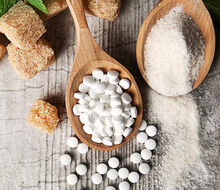
Healthy sweetening guide - which sweeteners are really suitable?
 Author:
 In a mini series of articles you may have read in our magazine over the past few weeks, we looked at sugar syrups and assessed whether they are healthier than using regular sugar. Excessive sugar consumption is one of the most common reasons for a number of serious diseases today. Diabetes, insulin resistance, diabetes and, last but not least, cardiovascular disease. Therefore, various alternatives have really boomed in recent years and there are countless of them available on the market. However, not all of the variants on offer are really the preferred alternative to regular sugar that their manufacturers like to present. In today's article, we'll look at which sweeteners to say yes to and which ones to avoid.
Sugar, the demon of our time
Sugar is often associated with a whole host of negative health complications, so it's no wonder that it is one of the top demons of nutrition. Compared to carbohydrates and fats, which are not rightly at the top of this imaginary list, sugar certainly belongs there. However, it should be pointed out that the negatives come mainly from OVERconsumption and that if you sweeten your coffee with a sugar cube twice a day, you don't need to panic and you probably aren't in any danger of anything too bad. As such, according to the recommendations of world organisations and nutritionists, sugar intake should not get above 5% of total calorie intake per day. We're not going to shoot any specific recommendations from the hip, because you already know that everyone's intake is different, and therefore my 5% is going to be completely different than anyone else's 5%. So it is true that the problem is not consuming sugar within reasonable limits, but consuming too much of it, which is true of anything else in nutrition.
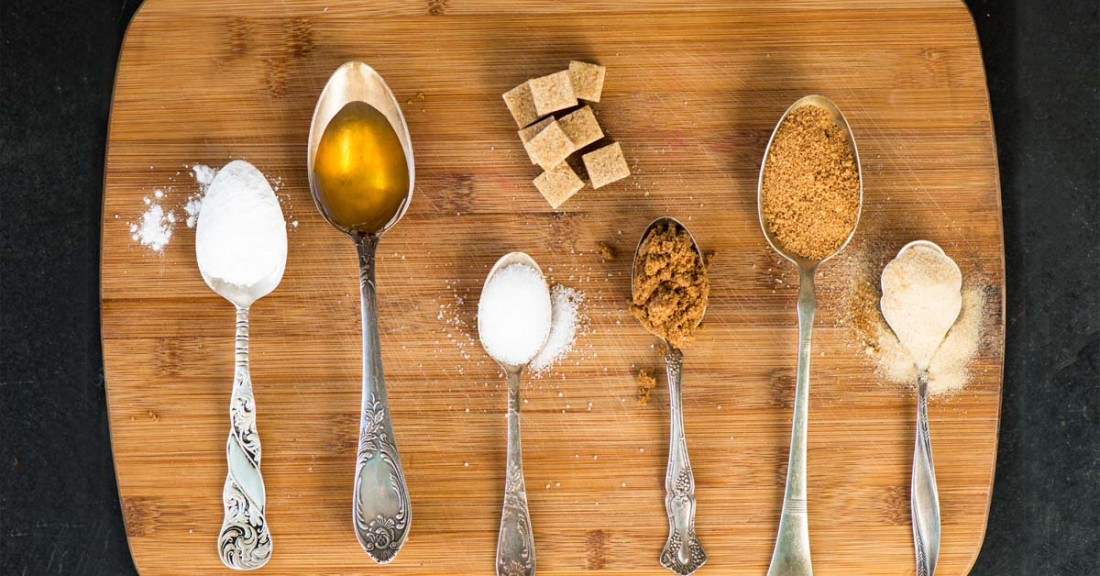
The problem is that sugar is often in places where we wouldn't expect it. In fact, it's added to many processed foods to make them taste better - so it's found in baked goods, some convenience foods, and of course then in candy, sweetened milk drinks, sodas, juices, chocolate, porridge, and even protein bars. Often, we get to the 5% mark without knowing it, thanks to our consumption of processed foods.
That's why it's important to read the packaging of the food you buy and always prefer fresh, minimally processed products to semi-processed and ultra-processed products. We have also come across the fact that not all sugar alternatives are actually preferable to sugar itself. So let's take a look together at a list of a few alternative sweeteners and summarise which actually offer advantages over sugar, and which don't fare particularly well.

Cane sugar
When you say "healthy tears" the first thing most of you think of is probably cane sugar. Cane sugar is also made from sugar cane, but compared to regular sugar, it also contains a small amount of molasses, which gives it its symbolic brown colour. There is also a difference in taste, which is more caramel-like. Cane sugar has slightly less sweetness. As for the nutritional profile, it comes as a disappointment. Compared to regular sugar, it's not better in any way - nutritionally they're pretty similar, so using it doesn't help you much in that regard. But you can definitely use it once in a while to add flavour to desserts.
Honey
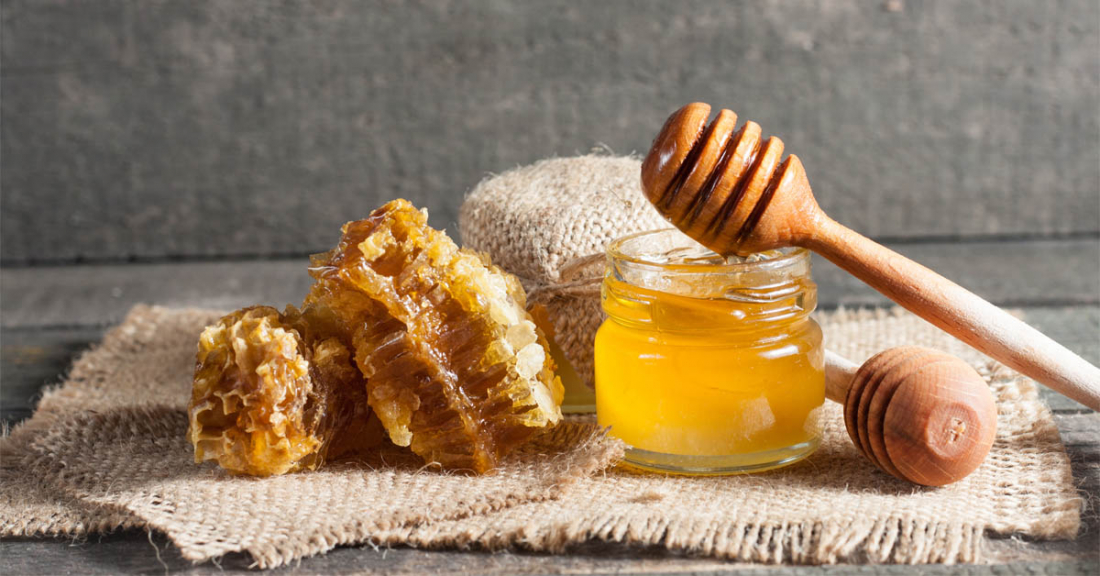
Another popular sweetener that is considered a suitable sugar substitute - albeit a bit of a misnomer - is honey. Why by mistake? Honey's composition is very similar to that of regular table sugar and it certainly can't claim to be a healthier alternative, even if it may be a little deceiving in that it is truly natural. Honey does contain trace amounts of vitamins, minerals and beneficial antioxidants, but the concentration is relatively negligible. In addition, honey is easily overheated and when heated behaves similarly to regular sugar, thus losing what little beneficial micronutrients honey contains. Honey has a higher sweetness than sugar - this is because it also contains fructose. You certainly don't have to avoid using it either, just don't count on a big calorie savings or added health benefits.
Maple syrup
We recently devoted a fairly comprehensive article tomaple syrup, so we'll just briefly summarize its conclusions. Unfortunately, even in this case we cannot claim to have found a healthier or "dietier" form of sugar. It is often presented as a "sweetener rich in vitamins, minerals and antioxidants", but the concentration of these is really low, and therefore to achieve any significant benefits or to meet the necessary daily doses of these micronutrients, we would have to consume a lot of maple syrup. Really a lot. And that's where we run into a problem - in terms of calories, maple syrup is actually very similar to regular sugar. While maple syrup is a natural sweetener, so it may not cause digestive problems compared to sweeteners, its health benefits are minimal and the calorie savings are not great either. You can indulge in it occasionally, but replacing sugar entirely with it is not the best choice.
Coconut sugar/syrup
Another very popular alternative to regular sugar is coconut sugar, or coconut syrup, which is made from coconut sugar. We've already covered this on our website, too, so you'll know that although these two coconut sweetening options are a very nice flavour enhancement, they don't fare any better nutritionally compared to table sugar. Again, we find negligible amounts of vitamins, minerals and antioxidants in them, but we should definitely use other sources to supplement them primarily. Both coconut sugar and syrup have a lower glycemic index than sugar, which may be due in part to their inulin content. Inulin is a type of soluble fiber that is known to slow digestion, promote satiety, and "feed" the healthy bacteria found in our gut. Coconut products have less sweetness than sugar and are many times more expensive to consume on a regular basis, which doesn't exactly make them more attractive.

Agave syrup
If there is one sweetener that we recommend avoiding, it is agave syrup. This liquid sweetener is made up of up to 85% fructose, which is much higher than regular sugar. Fructose is almost exclusively broken down in the liver, and according to some sources, excessive intake may increase the risk of non-alcoholic steatosis of the liver. Another risk of high concentrated fructose intake is an increase in triglyceride levels, which can result in the development of cardiovascular disease. High fructose intake can also increase LDL (bad) cholesterol levels and can cause the accumulation of visceral fat, the most problematic health concern of all.
But don't be alarmed - fructose, which is also found in fruit, among other things, where fibre and other micronutrients are also found, is better for the body than the highly concentrated one found in agave syrup, which the body does not process in a beneficial way in excess. This is what makes agave syrup one of the least healthy sweeteners ever. So if you use a banana or applesauce to sweeten your dessert/yogurt, you'll definitely be doing your health many times over.
Calorie-free syrups
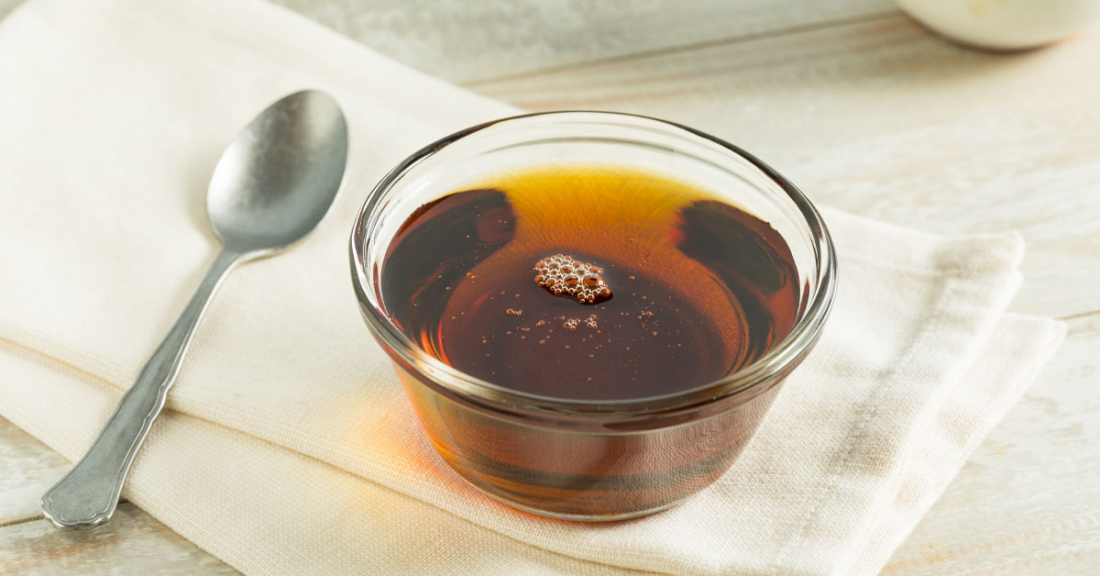
You might be thinking that the ideal choice is to use some non-calorie syrups, of which there are a plethora available on the market. While these syrups are certainly a good choice in terms of calorie savings, their composition can be problematic and in larger quantities they can be laxative or cause digestive discomfort. Non-caloric syrups usually contain sucralose, which is considered a safe sweetener, but they also contain a number of thickeners and preservatives, where the question is really where do we want to consume them. Non-caloric syrups are not inherently bad, but we would recommend using more natural sweeteners such as chicory syrup, xylitol, stevia or erythritol, which we'll get to in the next few lines.
Chicory syrup
The star among alternative sweeteners is chicory syrup. We've also devoted a fairly comprehensive article to this sugar alternative, and we assume you're already familiar with it. Chicory syrup is a 100% natural sweetener which, as the name suggests, is made from the root of the chicory plant. It contains a high proportion of inulin (a type of fibre) which not only makes it a suitable alternative sweetener, but will also support the health of our biome, prolong satiety and help us to meet our daily fibre intake very easily. Due to its inulin content, it has a probiotic effect, but can cause problems for people suffering from various digestive disorders. It has a very low glycaemic index and the sugar content in 100 g is less than 5 %. This also makes chicory syrup a suitable sweetener for diabetics. A small drawback is the lower sweetness, which is 30-50 % of the sweetness of sugar. Another advantage is that it does not harm tooth enamel and you can safely use it anywhere you would normally put sugar.

Xylitol
Another natural sweetener is birch sugar, also known as xylitol. Don't let the name fool you, xylitol really is a natural sweetener. It belongs to the group of sugar alcohols and contains 2.4 calories per gram, which is 40% fewer calories than sugar. Its texture is completely indistinguishable from regular table sugar. What makes xylitol a promising alternative to sugar is its very low fructose content. Unlike sugar, it has a lower glycaemic index and does not cause significant insulin spikes. Xylitol is also a good sweetener for dental and bone health. In reasonable concentrations it is harmless to the human body, but in higher concentrations it can cause bloating and indigestion.
Erythritol
Although it does not sound like it, erythritol is also a natural sweetener and again belongs to the group of sugar alcohols. Erythritol is commonly found in nature, for example, in some fruits, vegetables, mushrooms, fermented products such as soy sauce, and is even naturally present in small concentrations in the human body. It has absolutely zero calorie content, does not affect blood sugar levels in any way and its glycaemic index is therefore considered to be zero. There are even no defined negative effects on digestion in terms of bloating and diarrhoea, only heartburn may occur in higher doses. In appearance, it is again indistinguishable from conventional sugar. A small disadvantage is the lower sweetness, about 60-70 % of conventional sugar.
Recommended
Stevia
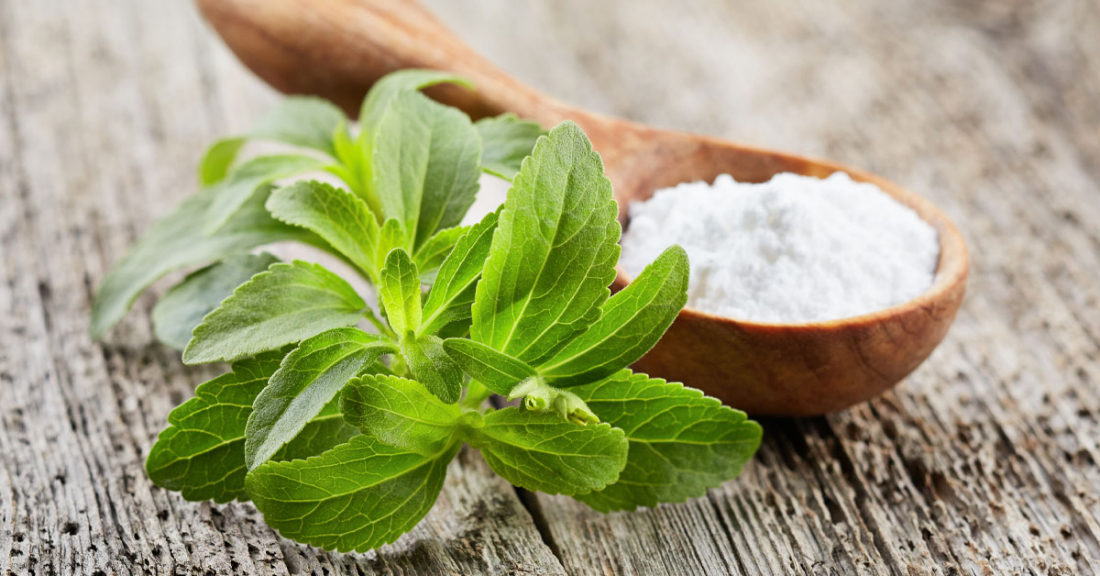
Stevia is a natural sweetener extracted from the leaves of a South American shrub known as Stevia rebaudiana. It contains alkaloids, called steviol glycosides, which are responsible for its sweet taste. Stevia has no caloric value and does not raise blood sugar levels. Interestingly, its sweetness is many times higher than that of sugar, so you only need to use a really small amount. The downside is its artificial tail and slightly bitter taste, which may not be to everyone's taste, especially when your hand goes numb. In addition to being inedible in high concentrations, it can cause indigestion, diarrhoea, constipation or bloating in large quantities.
So which sweetener is best?
Although some sweeteners are preferable to others, it is still true that the best sweetener is simply no sweetener. However, the amount matters a lot - in fact, you can consume ordinary sugar with good sense. Try to wean yourself off sweet tastes - reduce sweeteners gradually, reduce the amount of sugar and alternative sweeteners in recipes, study the ingredients of the foods you buy, as many of them may contain sugar when you wouldn't expect it. There really is a lot to choose from nowadays, so you can look for the sweetener that suits you best in terms of taste, goals with your body and health. We favor chicory syrup, xylitol, erythritol, and stevia, but the final choice is purely up to your preference. As mentioned - there is no problem with cane or coconut sugar or any alternative syrups either, just keep in mind that you need to control the amount in which you consume them.
What to take away from the article?
Healthy sweetening is a big topic these days. And it's actually partly a good thing - sugar consumption is increasing every year, and with it the percentage of individuals suffering from a range of diseases that result from excessive sugar consumption. There are more obese people in the world, more people with diabetes and, unfortunately, a growing proportion of the population with heart disease. However, not all alternative sweeteners that are presented as healthier are actually a better choice than sugar itself. Today we've summarized the most commonly used sweeteners, briefly describing their differences from sugar and potential benefits. There are, of course, more and less suitable options, but it will always be the case that the best sweetener is simply no sweetener at all, and we should learn to use alternative sweeteners more sparingly. At the same time, it is also true that consuming sugar in reasonable quantities will not harm you in any significant way.
Sources:
Johnson, R. K., Appel, L. J., Brands, M., Howard, B. V., Lefevre, M., Lustig, R. H., Sacks, F., Steffen, L. M., Wylie-Rosett, J., & American Heart Association Nutrition Committee of the Council on Nutrition, Physical Activity, and Metabolism and the Council on Epidemiology and Prevention (2009). Dietary sugars intake and cardiovascular health: a scientific statement from the American Heart Association. Circulation, 120(11), 1011-1020. https://doi.org/10.1161/CIRCULATIONAHA.109.192627
Samuel, P., Ayoob, K. T., Magnuson, B.. A., Wölwer-Rieck, U., Jeppesen, P. B., Rogers, P. J., Rowland, I., & Mathews, R. (2018). Stevia Leaf to Stevia Sweetener: Exploring Its Science, Benefits, and Future Potential. The Journal of nutrition, 148(7), 1186S-1205S. https://doi.org/10.1093/jn/nxy102
Saraiva, A., Carrascosa, C., Raheem, D., Ramos, F., & Raposo, A. (2020). Natural Sweeteners: The Relevance of Food Naturalness for Consumers, Food Security Aspects, Sustainability and Health Impacts. International journal of environmental research and public health, 17(17), 6285. https://doi.org/10.3390/ijerph17176285
Moriconi, E., Feraco, A., Marzolla, V., Infante, M., Lombardo, M., Fabbri, A., & Caprio, M. (2020). Neuroendocrine and Metabolic Effects of Low-Calorie and Non-Calorie Sweeteners. Frontiers in endocrinology, 11, 444. https://doi.org/10.3389/fendo.2020.00444
Ranneh, Y., Akim, A. M., Hamid, H. A., Khazaai, H., Fadel, A., Zakaria, Z. A., Albujja, M., & Bakar, M. (2021). Honey and its nutritional and anti-inflammatory value. BMC complementary medicine and therapies, 21(1), 30. https://doi.org/10.1186/s12906-020-03170-5
Zhang, Y., Yuan, T., Li, L., Nahar, P., Slitt, A., & Seeram, N. P. (2014). Chemical compositional, biological, and safety studies of a novel maple syrup derived extract for nutraceutical applications. Journal of agricultural and food chemistry, 62(28), 6687-6698. https://doi.org/10.1021/jf501924y
Magriplis, E., Michas, G., Petridi, E., Chrousos, G. P., Roma, E., Benetou, V., Cholopoulos, N., Micha, R., Panagiotakos, D., & Zampelas, A. (2021). Dietary Sugar Intake and Its Association with Obesity in Children and Adolescents. Children (Basel, Switzerland), 8(8), 676. https://doi.org/10.3390/children8080676
No posts have been made yet.