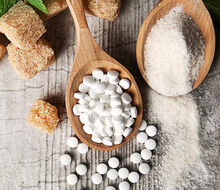
Maple syrup - a healthy alternative sweetener or a fad?
 Author:
 The world is faced with an ever-increasing percentage of obese people suffering from diabetes or insulin resistance, problems that often stem from excessive consumption of refined sugars. It is for this reason that various alternative sweeteners and syrups are experiencing a huge boom. But not all of them are actually preferable to regular sugar. In today's article, we're going to take a look at maple syrup, a popular sweetener option that many of you probably have at home. So let's get to it!
Article content:
Theoretical window - what is maple syrup?
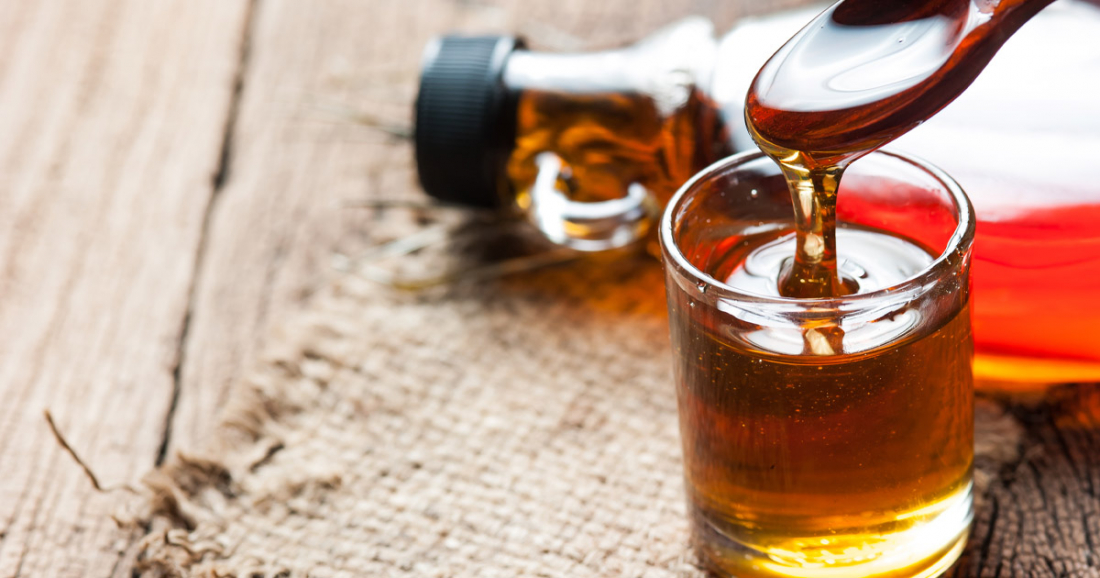
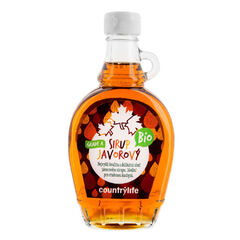
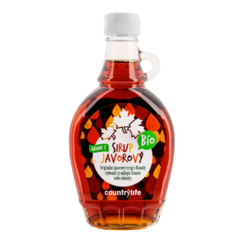
Maple syrup is a natural sweetener derived most commonly from the sap of the sugar maple tree. It can be extracted from maple trees in the spring by boring them and catching the sap that flows out. This is then heated and thickened. Virtually all maple syrup production takes place in North America (especially Canada), where the use of maple syrup is part of a cultural tradition. There are several different types of maple syrup characterised by colour - in the USA, maple syrup is classified as either Grade A or B, where Grade A can be further subdivided into three groups - light amber, medium amber and dark amber - and Grade B is the darkest syrup available. The darker syrups are made from sap extracted later in the harvest season. These have a stronger amber flavour and are usually used for baking, while the lighter ones are served directly on foods such as pancakes.
Maple syrup vs. sugar
While maple syrup is a natural sweetener, it should be noted that it contains a large amount of sugar - the vast majority of the sugar in maple syrup (60-80g) is in the form of sucrose, and pure fructose or glucose may also be present. What makes it different from regular sugar, however, is at least the vitamin, mineral and health-promoting antioxidant content. Many sources indicate that maple syrup contains up to 24 different antioxidants.
However, it should be noted that consuming maple syrup for its micronutrient content is not the best way to obtain them and there are certainly healthier sources. Maple syrup also has a slightly lower glycemic index than regular table sugar. This means that maple syrup raises blood sugar levels a little more slowly than regular sugar. The method of production is also different - while regular sugar undergoes multiple processing, maple syrup is considerably more natural and in many cases unrefined. However, from a caloric point of view, it really isn't a better option.
One tablespoon (about 20 grams) of maple syrup contains approximately:
- 52.2 calories
- 13.4 grams of carbohydrates
- 0.7 milligrams of manganese (33% DDD)
- 0.8 milligrams of zinc (6 % DDD)
- 13,4 milligrams of calcium (1 % DDD)
- 40,8 milligrams of potassium (1 % DDD)
- 0,2 milligrams of iron (1 % DDD)
- 2,8 milligrams of magnesium (1 % DDD)
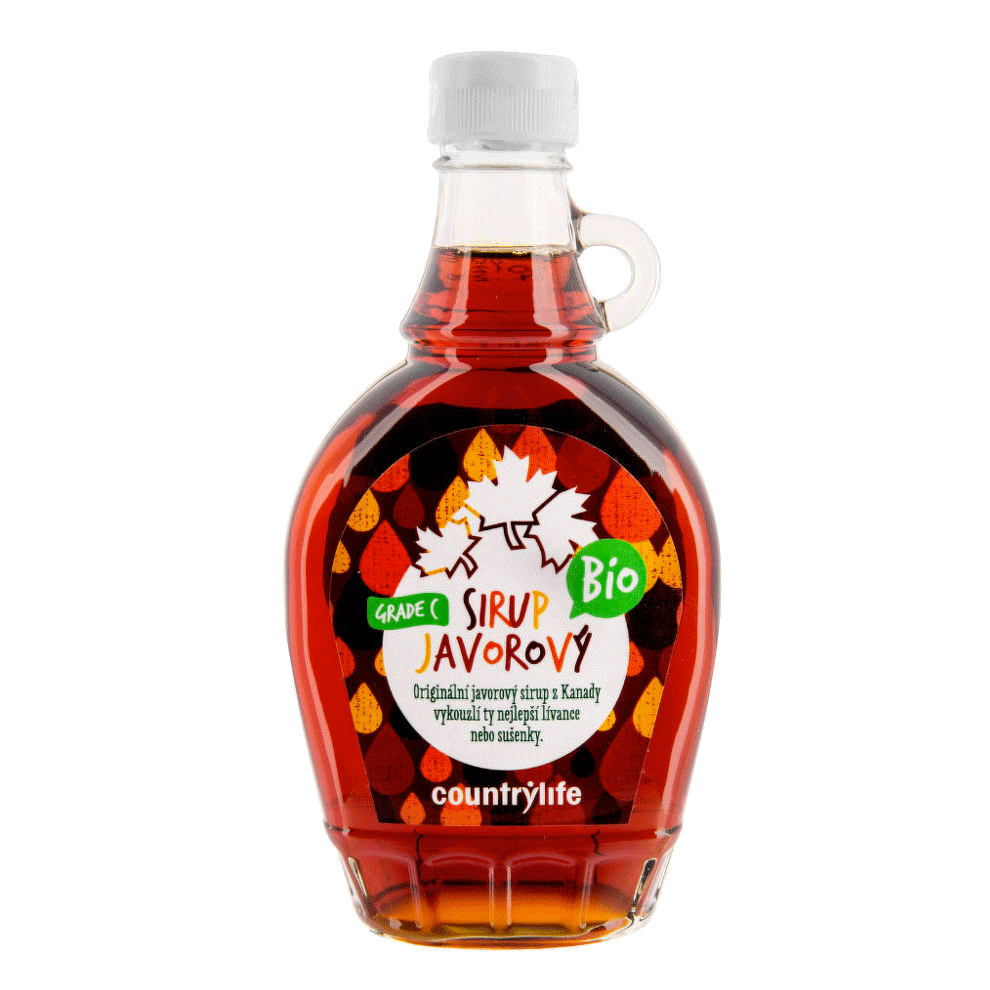
See? Although maple syrup is often presented as "rich in minerals and antioxidants", it contains them in really small, some might say negligible, amounts. However, it should be mentioned that most artificial sweeteners can cause symptoms of digestive problems such as gas, bloating, cramps, diarrhea or constipation. Therefore, maple syrup can be more digestive friendly for many people and can be a much better alternative to use in baked goods, yogurt, oatmeal or smoothies than the all sorts of artificial sweeteners that are rampant.

Where is maple syrup used?
We probably think of maple syrup most often in connection with pancakes, which is the most typical use for it. However, it can also be used to sweeten other treats, yogurt, tea, etc. In addition, maple syrup is used in traditional medicine, especially on the North American continent, where it is used to make syrups for colds, but also as an aid to the absorption of antibiotics. We would like to reiterate that occasional consumption does not harm anyone, but we cannot recommend it in large quantities. Try instead, for example, chicory syrup - another natural sweetener we featured in a fairly comprehensive article recently.
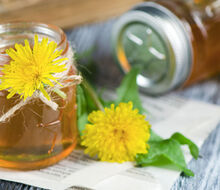
Compared to sugar and maple syrup, it contains a minimum of calories and has a high fibre content, making it a much healthier and preferable choice. If maple syrup continues to dominate the popularity rankings, we also recommend checking the ingredients and only buying products that contain 100% maple syrup. In fact, we can see products on the market that are named 'maple-flavoured syrup' that contain added sucrose or even highly refined corn syrup. Such syrup is really not a good choice, even in exceptional circumstances.
Recommended
What to take away from the article?
Maple syrup is a popular alternative to regular table sugar. However, in today's article we've noted that it doesn't actually offer any major benefits or calorie savings compared to sucrose, i.e. regular sugar. The only small plus is the antioxidant content, but it's best to get these primarily from sources other than maple syrup. From a nutritional point of view, there are definitely more suitable options. Occasional consumption does no harm, but we would certainly not recommend it as a complete substitute for sugar, nor can we in good conscience describe it as healthier.
Sources:
Zhang, Y., Yuan, T., Li, L., Nahar, P., Slitt, A., & Seeram, N. P. (2014). Chemical compositional, biological, and safety studies of a novel maple syrup derived extract for nutraceutical applications. Journal of agricultural and food chemistry, 62(28), 6687-6698. https://doi.org/10.1021/jf501924y
Nagai, N., Ito, Y., & Taga, A. (2013). Comparison of the enhancement of plasma glucose levels in type 2 diabetic Otsuka Long-Evans Tokushima Fatty rats by oral administration of sucrose or maple syrup. Journal of oleo science, 62(9), 737-743. https://doi.org/10.5650/jos.62.737
American Chemical Society. (2017, April 2). No more 'superbugs'? Maple syrup extract enhances antibiotic action. ScienceDaily. Retrieved February 5, 2022 from www.sciencedaily.com/releases/2017/04/170402111240.htm
Legault, J., Girard-Lalancette, K., Grenon, C., Dussault, C., & Pichette, A. (2010). Antioxidant activity, inhibition of nitric oxide overproduction, and in vitro antiproliferative effect of maple sap and syrup from Acer saccharum. Journal of medicinal food, 13(2), 460-468. https://doi.org/10.1089/jmf.2009.0029
Abou-Zaid, M.M.; Nozzolillo, C.; Tonon, A.; Coppens, M.D.; Lombardo, D.A. (2008) High-performance liquid chromatography characterization and identification of antioxidant polyphenols in maple syrup. Pharmaceutical Biology 46: 117-125.
Sheng, J., Liu, C., Petrovas, S., Wan, Y., Chen, H. D., Seeram, N. P., & Ma, H. (2020). Phenolic-enriched maple syrup extract protects human keratinocytes against hydrogen peroxide and methylglyoxal induced cytotoxicity. Dermatologic therapy, 33(3), e13426. https://doi.org/10.1111/dth.13426
http://deepmountainmaple.com/maple-facts-and-fictions
No posts have been made yet.