





Sweeteners - are they really harmful and responsible for our fat stores?
 Author:
 Since sugar is now considered one of the poisons we can consume, a variety of sweeteners have been developed that are supposed to be healthier but at least as sweet and should substitute for sugar. Plus, most of them are calorie-free, making them a total nutritional blockbuster. But if you're buying foods that say "sugar-free with sweeteners," it doesn't necessarily mean you're making a good move toward weight loss (and health overall).
Surely you've noticed the causes around aspartame or saccharin, for example, and the claims that their intake leads to cancer and virtually every other disease that can afflict humans. Yet aspartame continues to be part of a huge number of foods. Why, when it is supposedly killing us? Are the claims about aspartame true? What about other artificial sweeteners, are they also harmful to us? What effect do sweeteners have on our weight?
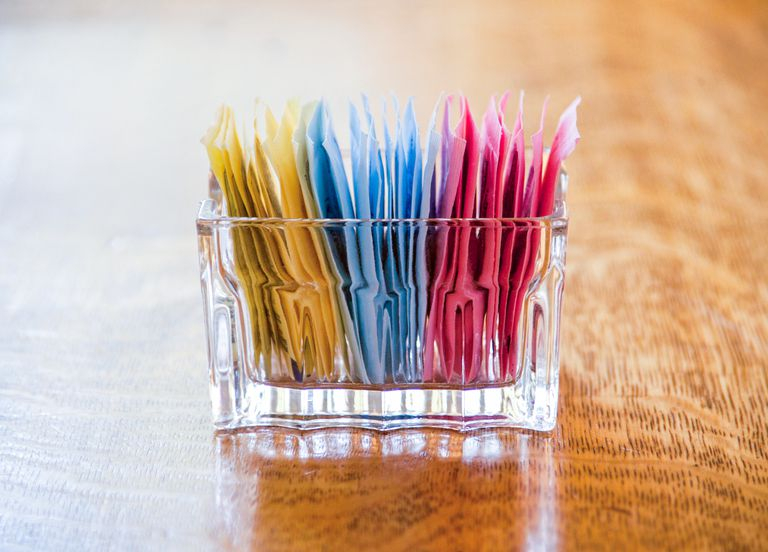
THERE ARE DIFFERENT TYPES OF SWEETENERS
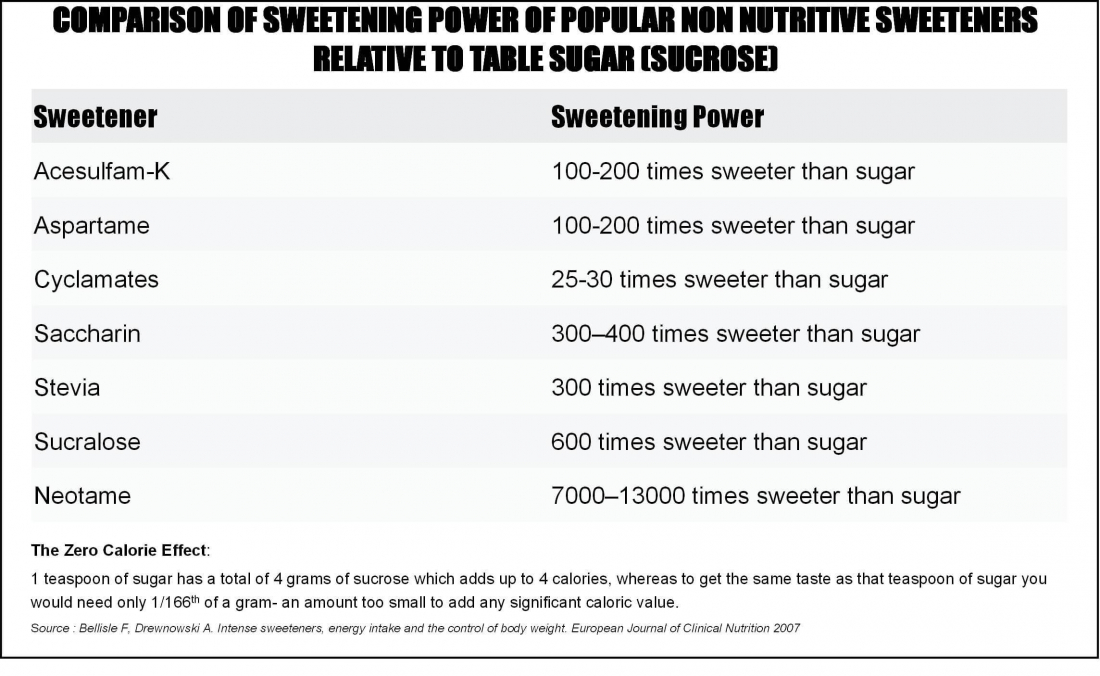
The origin of sweeteners dates back to sometime in 1879 and their popularity has continued to grow over time. Today we have dozens, maybe even hundreds, of different sweeteners available. And almost all of them are incredibly effective at stimulating the sweet taste receptors on the tongue. Still, there is no such thing as a sweetener. In fact, most sweeteners have a sweetening power much sweeter than sugar alone, in the hundreds.
Some low-calorie sweeteners are created from natural ingredients and are therefore not considered "artificial". For example, stevia and other sugar alcohols such as erythritol, xylitol, sorbitol and mannitol. The following table shows how many times sweeter artificial sweeteners are compared to conventional rapeseed sugar.
 WHAT ABOUT THE SAFETY OF SWEETENERS?
Around the 1970s, sweeteners were linked to the development of cancer. This was tied to the result of a study on SPEEDS in which intake caused bladder cancer. But, after all, the results of the rodent study cannot be generalized to the human population! For the record, in rodents, bladder cancer is also caused by a higher intake of vitamin C. It could be said that studies that produce conclusions about the harmfulness of sweeteners are mostly simulated in other animal models or under specific conditions, such as simulating intake of many times the recommended daily allowance of sweeteners, and thus cannot be taken too seriously.
Okay, so if we are to believe these statements, isn't it strange that despite these alarming findings, sweeteners continue to be included in a huge number of foods? This is simply because no research on human populations under reasonable conditions has found any evidence of a link between the consumption of sweeteners and the development of diseases such as cancer. The truth is that some studies have concluded that, in rare cases, the consumption of artificial sweeteners results in headaches. This phenomenon can be likened to an allergy to a certain extent and its occurrence is highly subjective.
SWEETENERS AND THEIR EFFECT ON BODY WEIGHT
Sweeteners have been developed to reduce the amount of sugar consumed by the population and therefore reduce calorie intake. But if they are supposed to help us reduce our sugar intake, and therefore our total calories, why do we consider products with sweeteners as a sugar substitute as a hidden threat to our line? Some experts argue that we often overdo our sweetener intake because of the zero calorie content, and as a result, we build up an addiction and our cravings for sweets increase. As a result, we often consume far more calories than we would like. This idea is quite defensible, given that taste receptors are relatively easy to train. For example, if we reduce our salt intake for a few weeks, our need for salt will stabilise at a lower level , and this is no different with sweets.
There have been plenty of studies looking at this issue. Most of them conclude that when subjects consume beverages with sweeteners, it is a more favorable phenomenon for losing fat than when subjects consume the classic versions of sugary drinks. This is logical, given that sweeteners are often low-calorie, which means we get far fewer calories in than if we consume the sugar variant of the drink.
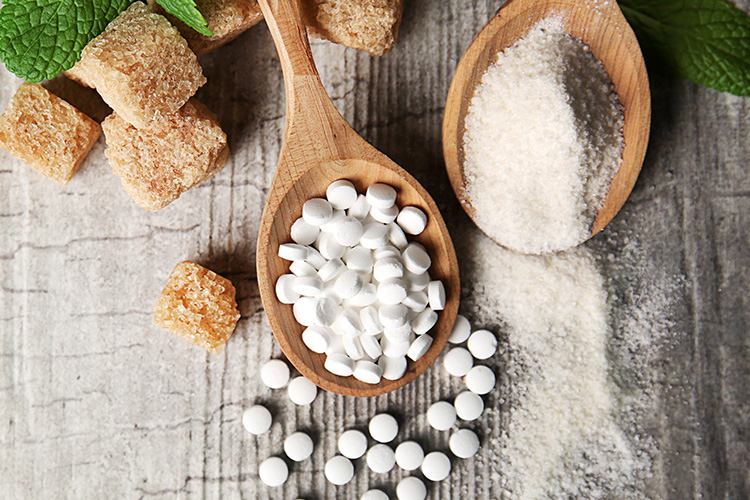
Therefore, it cannot be clearly concluded that we consume more calories due to the consumption of artificial sweeteners. It's always about some sensible adjustment. Of course, we can't consider it relevant to compare a person who eats 3 times a week at a mecca and washes down the menu with a light cola with someone who honours the principles of healthy eating and has a glass of light cola once in a while. Bottom line, the statement that eating sweeteners means higher caloric intake has not been confirmed by any study and therefore cannot be considered in any way conclusive. Some sweeteners may even be beneficial, for example in reducing or, in the case of diabetics, helping to balance blood glucose levels.
SWEETENERS AND HEALTH
Of course, we also still need to look not only at the effect of sweeteners on weight, but also on health in general. Some studies have concluded that the consumption of sweeteners is associated with an increased risk of developing diabetes, metabolic syndrome and other diseases related to the digestive system. It is known that the bacteria in the gut - the gut flora, or gut microbiome - are incredibly important for health. Some research suggests that excessive consumption of sweeteners can actually be harmful to your biome, and you may become bloated or experience problems such as constipation or, conversely, diarrhea. However, the word excessive is very important, because you would have to take in a really large amount of sweeteners compared to what is normal, so even the claims of negative effects on gut flora cannot be considered as generally valid.
SWEETENERS AND INSULIN
Each of the sweeteners works on a slightly different principle and behaves slightly differently in the body. The hormone insulin, which is the hormone that balances blood sugar levels, is often mentioned in connection with sweeteners. Some sweeteners have a slight effect on insulin, others hardly at all, because they have no calories, so they can't cause virtually any response (on their own, if eaten with other foods, they also come into play, and then you can't attribute the insulin level spike to sweeteners alone). Insulin is a fairly much discussed topic these days, and once people get the information that sweeteners somehow manipulate its activity, they immediately create the most tragic scenarios because quite often they don't actually know how insulin works. But as far as insulin goes, it can also be skewed by, say, beef, so even if this phenomenon were to occur after consuming a sweetener, it's actually not particularly significant or exceptional and therefore doesn't need to worry you too much.

SWEETENERS AND THE EFFECT ON DENTAL HEALTH
As you know, consuming excessive amounts of sugar is very often associated with tooth decay. This is because sugar is fermented, which releases acid that can damage tooth enamel. However, according to studies, artificial sweeteners do not react with bacteria in the mouth , which means that the risk of tooth decay is slightly lower than if sugar alone is consumed. Some research suggests that consuming sweeteners is much better for teeth than sugar, but more research probably needs to be done on this topic. We are certainly not encouraging you to consume sweeteners as a way to prevent tooth decay.
SO WHAT ARE THE CONCLUSIONS?
All the available information suggests that all artificial sweeteners can be considered safe within reasonable limits. Unless you suffer from a metabolic disorder or phenylketonuria, there is no need to worry about consuming sweeteners. Therefore, in order to develop cancer and other diseases, we would have to consume many times higher doses than we actually do. The only confirmed side-effects may be headaches, digestive problems caused by higher doses of sweeteners consumed, or negative effects on mood in people suffering from depression or anxiety. Most artificial sweeteners are calorie-free, which will be appreciated by anyone trying to limit their sugar intake and total calorie intake.
Even sweeteners have their negative aspects, but so does any other food in the world. If you don't consume huge doses of sweeteners every day, you don't have to be alarmed by the overly catastrophic scenarios of some studies. The ideal sweetener is of course no sweetener, and it's certainly better to consume as little as possible by eating a minimum of industrially processed foods, but you certainly don't have to worry about dying if you use artificial sweetener in your coffee instead of sugar, or if you have a glass of Coke Zero. As in most cases, "everything in moderation."
Sources:
https://www.ncbi.nlm.nih.gov/pubmed/10653518
https://www.ncbi.nlm.nih.gov/pubmed/22939306
https://www.ncbi.nlm.nih.gov/pubmed/19704096
https://www.ncbi.nlm.nih.gov/pubmed/18604921
https://www.researchgate.net/publication/23998047_Diabetes_insulin_resistance_and_sugars
https://www.ncbi.nlm.nih.gov/pubmed/11577173
https://www.ncbi.nlm.nih.gov/pubmed/11128862
https://www.ncbi.nlm.nih.gov/pubmed/20078374
https://www.ncbi.nlm.nih.gov/pubmed/22777177
https://www.ncbi.nlm.nih.gov/pubmed/15367404
https://www.ncbi.nlm.nih.gov/pubmed/9734727
http://cebp.aacrjournals.org/content/15/9/1654
https://www.ncbi.nlm.nih.gov/pubmed/12583961 xml-ph-00
No posts have been made yet.








