





Did you know that even vegetarians can eat meat? We have the most common types of vegetarian diets for you
 Author:
 When someone says they are a vegetarian, most people today still take it to mean that they don't eat meat. In practice, many people think this means that they just have a side dish of vegetables - but that's not really the case. Within vegetarianism there are a number of different groups, some of which even eat meat. In our article today, we'll look at what each option means and whether it has any advantages or disadvantages.
There is no vegetarian like a vegetarian
There are several reasons why a person might become a vegetarian. For example, living without meat can be related to religious beliefs, psychological or ethical reasons. And even as carnivores, we should recognise that the treatment of animals at different stages of the meat processing process is not always fully ethical. In today's article, however, we will not deal at all with whether vegetarianism is beneficial or not, but will focus on specific types of vegetarianism. If you want to limit your meat consumption, you may be:
Semivegetarians
The most moderate form of vegetarianism is called semi-vegetarianism (sometimes referred to as flexitarianism). In it, eating red meat, including sausages, is discouraged , but otherwise there are no restrictive limits. It is therefore possible to consume fish normally, and some semivegetarians do not even avoid poultry. This option is very moderate and is sustainable in the long term. It is based on our historical setting, because our ancestors did eat meat, but rather only on feast days. It was, after all, an expensive raw material that was not as widely available as it is today. The only possible complication that can occur with semi-vegetarianism is a reduction in iron levels in the body, but this is associated with all dietary styles that exclude red meat from the diet.
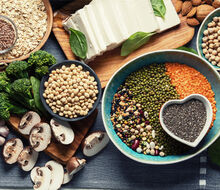
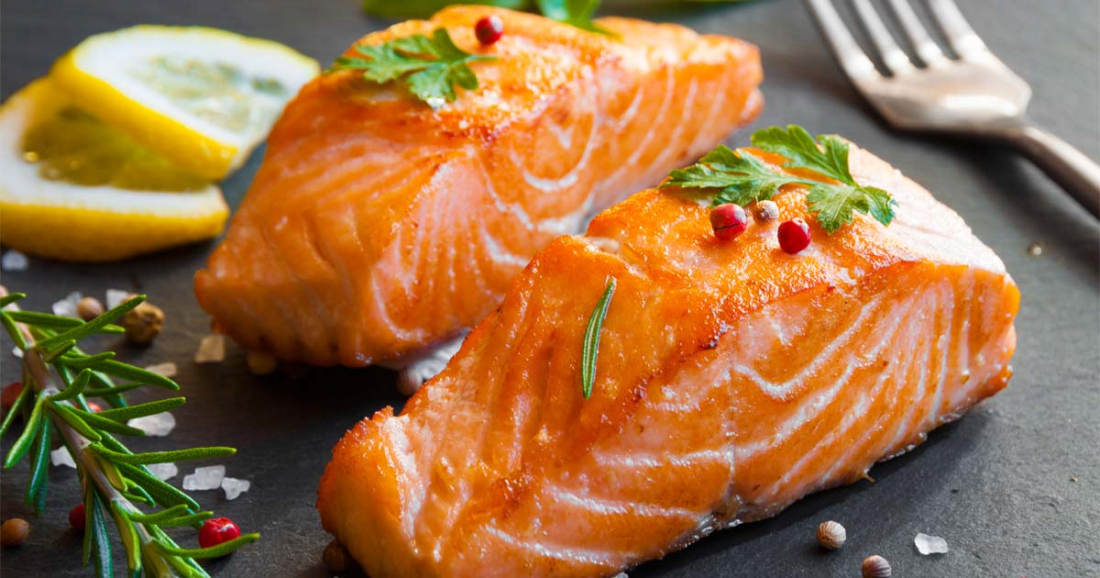
Whether you are a semi-vegetarian or a pescetarian, you can still eat fish. They are a great source of omega 3 and good protein.
Pescetarians
Another milder form of vegetarianism is pescetarianism. Adherents of this lifestyle follow the classic vegetarian diet, but can also eat fish and seafood in addition to it. This dietary style has a huge advantage over classic vegetarianism in that it provides sufficient supplements of the omega 3 fatty acids EPA and DHA, which are otherwise quite deficient in vegetarians. Most plant sources (such as nuts or seeds) contain mostly an acid called ALA, which the body has yet to convert to EPA or DHA. This conversion is very wasteful, and taking the two fatty acids directly appears to be more efficient. Pescetarianism is often confused with so-called semi-lotarianism - people who follow this type of diet do not eat fish but may eat poultry meat. Combining these styles results in semi-pesscetarianism, which rejects only mammalian meat. With all these diets, it is also possible to reach for other animal products such as milk, eggs or honey, which means that if you are exercising, you still have a range of high-quality proteins to choose from.

Lacto-ovo-vegetarians
When we talk about vegetarians in our country, we usually mean lacto-ovo-vegetarians, who do not eat meat from any source, but commonly eat eggs, dairy products or honey. Eliminating meat from the diet is not such a problem in itself, it is still possible to get enough minerals, vitamins and quality protein from milk, eggs and a varied plant-based diet, which can be a good change for many (not only) athletes. Lacto-vegetarians still have plenty of options for creating a varied diet, but it is important to keep an eye on the amount of iron intake as well as getting enough omega-3 fatty acids.
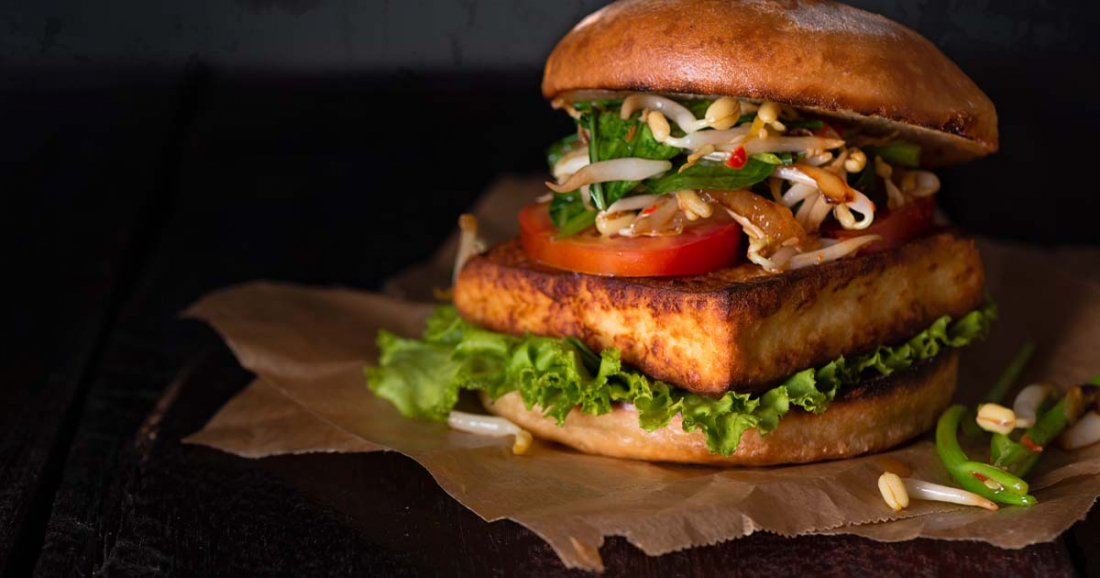
If you follow a classic vegetarian diet, there is still plenty of room for variety and diversity in your diet. And with a tofu burger like this, you won't even miss the meat.
Lacto-vegetarians
Gradually in our article we get to more strict directions, and that's where lacto-vegetarians come in. This style is particularly prevalent in India, where it is associated with a range of religions from Buddhism to Hinduism. The whole concept is quite simple, lacto-vegetarians do not eat any meat or even eggs - they see this as killing the living embryo from which the animal may have come. However, they are still allowed to eat dairy products, which are the majority source of protein. This type of diet is not bad in the short term for athletes who want a break from the stereotypical egg- and meat-rich diet.
Vitarians
Vitarianism is a rather strange nutritional trend that many experts would probably not classify as a type of vegetarianism at all. In fact, Vitarianism only defines that people should eat uncooked foods, which include things like vegetables, fruits, legumes, nuts, as well as raw milk and dairy products. Even eating raw meat is allowed, but most Vitarians also classify themselves as vegans or vegetarians, which is why they may appear in today's article. Vitarianism carries a number of potential risks - in particular, the increased intake of certain toxins and antinutrients that would be significantly reduced by cooking may be problematic. With adherence to these nutritional principles, it is possible to play sports without any restrictions and is also sustainable in the long term. However, it is necessary to observe the reactions of one's own organism, because some people have serious digestive problems when they are vitarian and thus cannot follow this style.
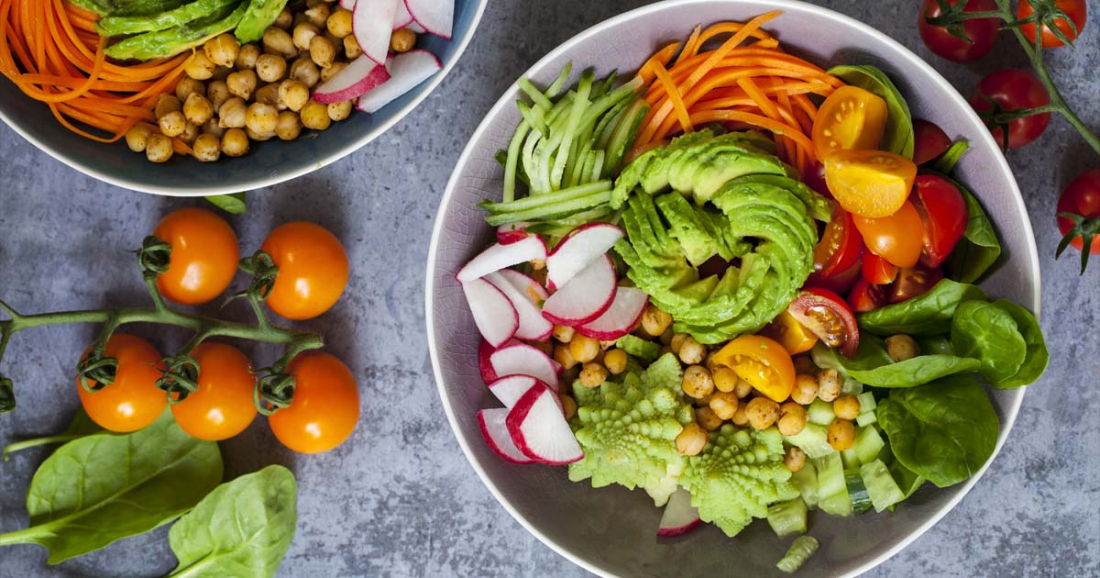
Eating only uncooked food may sound good, but it has a number of risks that need to be taken into account.
Frutarians
One of the most strict dietary styles is Frutarianism, which prohibits a range of foods other than meat. As a result, Frutarians are ultimately only allowed to eat ripe fruit that has not been forcibly plucked from trees, nuts and seeds, which serve as the majority source of protein. This dietary style is extreme and requires watching levels of almost all vitamins and minerals. Frutarianism is not suitable for children, and there has even been a case where a child whose parents were Frutarians died. For adults, this diet is only suitable for the short term and certainly as an athlete you can't expect to make any muscular progress on it or be able to perform any spectacular feats in the gym.
Recommended
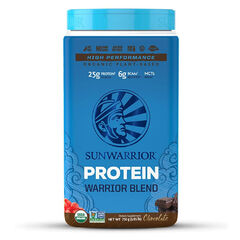
Sunwarrior Protein Blend Bio
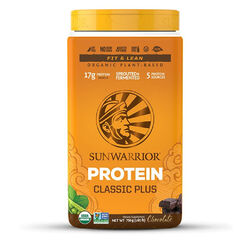
Sunwarrior Protein Plus Bio
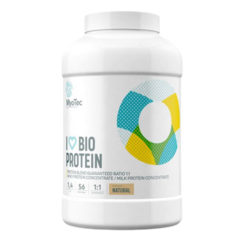
MyoTec I Love BIO Protein
Sunwarrior Protein Classic Bio
Well, that's it for today. We hope this article has helped you understand the different types of vegetarian diets. While many of you will certainly find it hard to find an appreciation for vegetarianism or veganism, it certainly doesn't hurt to incorporate meatless days into your diet from time to time, as the consumption of meat in our society is really huge. You can focus not only on plant sources, but also on eggs and dairy products. You'll find that you'll find a variety of different ways to modify your diet and avoid a stale eating pattern that your body doesn't like.
No posts have been made yet.








