10 foods that contain surprisingly high amounts of sugar
 Author:
 Sugar consumption is increasing year on year, and with it the percentage of people suffering from diseases related to excessive sugar intake is also increasing. In our recent mini-series, we broke down a few alternative sweeteners and discussed how to actually sweeten in a healthier way. So it's time to review the list of foods we'd better watch out for because of their content. Sugar can often be found in places where you wouldn't expect it, and this can be problematic not only for weight loss but also for overall health.
Why is a lot of sugar harmful and what is a safe daily amount?
Excessive sugar intake has been a big topic in recent years. High consumption of added sugar has been linked to an increased risk of cardiovascular disease, certain cancers, diabetes II. Type 2 diabetes, dental or digestive problems, and last but not least, overweight and obesity. That is why we usually try to reduce our intake a little. But the problem is that we often find it in foods where we wouldn't expect to find it - in packaged baked goods, convenience foods, cereals, drinks, dairy products, sauces and other foods that are a normal part of our diets. According to the WHO and other world organisations, daily sugar intake should not exceed 10% of total calorie intake. However, the truth is that there is often many times more sugar in our diets and in most cases we are not even aware of it. So let's take a look at where we can find sugar outside of our homemade sugar bowls and what foods to watch out for when it comes to excess intake.
1. Juices and smoothies
Smoothies of all kinds are a popular form of snack or breakfast that looks incredibly healthy. Lots of fruit = lots of vitamins, minerals and other beneficial substances. Yes, fruit is healthy, but it takes several pieces to make one smoothie, and that's the problem. Because when we eat fresh fruit, we only eat one or two pieces at most. When making a smoothie, many times the amount is used, which means that thanks to the seemingly innocuous-looking drink, you actually take in a lot of sugar. Half a litre of this richer smoothie can contain up to a whopping 70g of sugar, which is often more than the recommended daily allowance of sugar. Plus, the fruit loses so much of its beneficial fibre during the juicing process, which is renowned for its ability to fill us up, so this drink doesn't do much to satisfy our hunger.
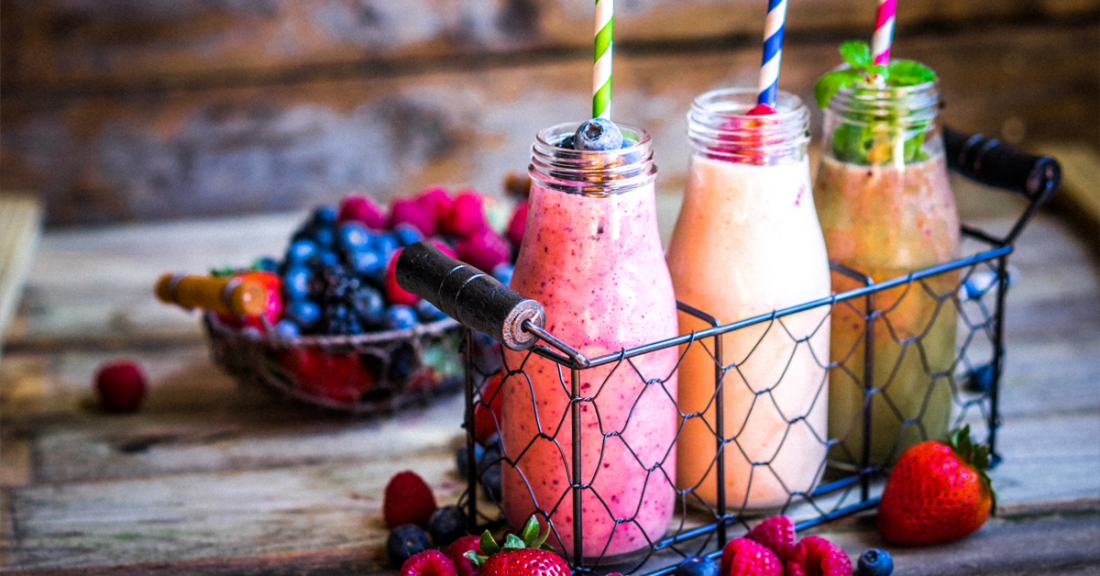
Also beware of fruit juices, which are often sweetened with extra sugar, so you'll take in enough sugar in one glass to make your pancakes swirl. There's nothing wrong with fruit, but it's better to have it in its whole form, for example, sliced in yoghurt. Because, hand on heart, who can eat two bananas, two oranges, half an apple, five strawberries and a handful of blueberries in one sitting? That's roughly equivalent to the amount of fruit used to make a smoothie. If you don't want to give up smoothies anyway, make one at home. Use a piece of fruit, kefir milk or yoghurt and add a scoop of protein. Top it off with a teaspoon of peanut butter - you'll ensure that the drink contains protein and fat as well as sugars, making it a nutrient-dense and filling option. If you love juices, opt for a freshe, but dilute it with extra water.
2. Dried fruit
Dried fruit can also be problematic - especially when it's sweetened. By eating a bag of this goodness, you'll exceed your daily sugar intake without even blinking! Again, we recommend reading the packaging carefully and choosing products without added sugar, and even then it's not a good idea to eat the whole bag in one sitting. Fruit naturally contains a certain percentage of sugar and the moment a product is sweetened with extra sugar, it really isn't hard to take in a huge amount of sugar in a few moments. If you don't want to give up dried fruit, a great option is freeze-dried fruit, for example. This retains the flavour, taste, fibre and mineral and vitamin content, and in turn avoids any added sugar.
3. Light products
While products labelled light, fitness or low-fat often appear to be a healthier or more convenient version of various products, this is not necessarily the case. Why? Because fat is the carrier of taste and if the manufacturer removes it from a product (e.g. dairy products), something extra needs to be added to make the product edible and replace the natural taste of fat. Fat is replaced by most manufacturers with tons of sugar, artificial sweeteners or other additives. And that's no big deal. For products labeled light or fitness, always keep a close eye on the ingredients and look especially for added sugars. But at the same time, not all light products are bad - for example, mozzarella or cottage cheese may be even better in the low-fat version than in the full-fat version.
4. Flavoured versions of dairy products
Fruit or other flavoured versions of dairy products are similar to light products. In most cases, the fruit component is sweetened in addition, so flavoured yoghurts again make our sugar intake very high. Dairy products are very healthy - they contain very important probiotics, are a source of protein, calcium and other micronutrients important for health. But the ideal choice is classic white yoghurt with a fat content of around 3 - 3.5%. If you're in the mood for a sweeter type of yogurt, we recommend chopping up some fresh fruit and adding chicory syrup or perhaps some protein. You can also use homemade jam sweetened with stevia or another non-caloric sweetener. The composition of the dairy product should be as simple as possible and sweeteners, added sugar or other additives should not be found in it.
5. Granola and breakfast cereals
Breakfast cereals and granola are very popular across all generations. It's no wonder - just pour them into yoghurt and breakfast or snack is on the table in minutes and without much effort. Both of these ingredients are often presented as a healthy breakfast option for sleepers or those who can't make it in the morning. But that's not always the case. Granola and breakfast cereals usually contain a giant load of added sugar, not-quite-appropriate types of oils or other additives, and a healthy breakfast is a calorie bomb.
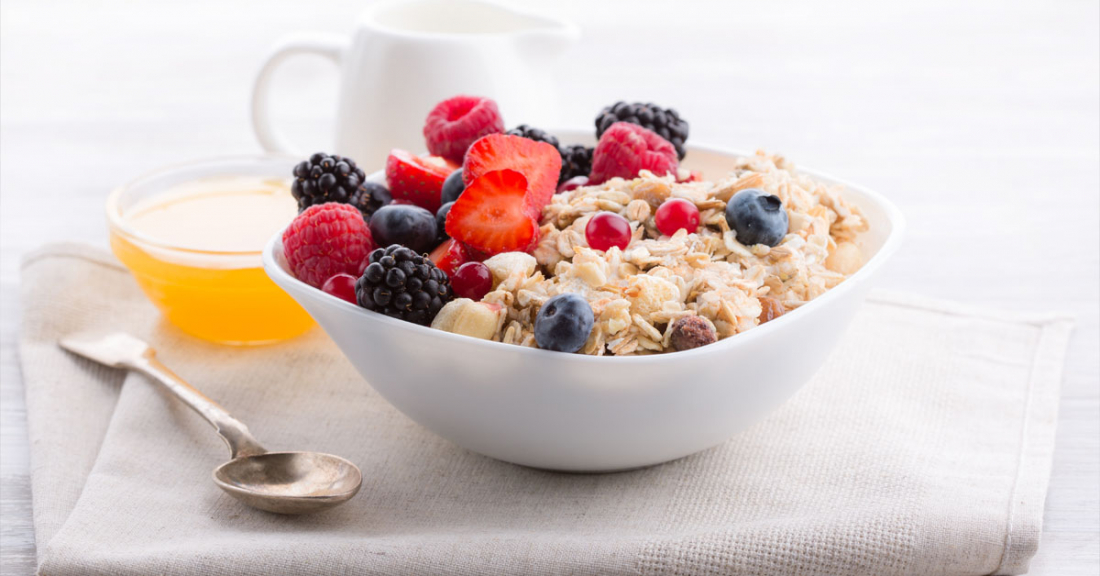
The good news is that you definitely don't have to give up granola altogether. Just read the packaging of the products you buy carefully, or simply make your own granola at home! There's nothing complicated about it at all - just use flakes (a mix of different kinds), nuts, coconut oil, some fragrant spices, dried fruit without sugar or coconut slices, sweeten with chicory syrup and in a few minutes you have a really healthy granola without unnecessary extra ingredients ready. You can also make it in combinations you can't get in the store. As for store-bought cereals... ideally, you should probably skip them altogether - try oatmeal or buckwheat porridge instead.
6. Ketchup and other condiments
Surprisingly large amounts of sugar are also contained in various flavourings, such as the popular ketchup. One tablespoon of ketchup contains 5-10 grams of sugar, and considering how much ketchup some of us are able to consume, this is really not an insignificant amount. Pre-made sauces, condiments and dressings are similar. How to treat it? Simply, try to prepare all sauces rather at home. Instead of ketchup, you can use tomato paste or puree fresh tomatoes, add a little salt and herbs and a great, simple tomato sauce that can be used on pasta, pizza or anywhere else is on the table in minutes! If you're not in a hurry and jarred sauces or ketchup are your lifesavers, then read the ingredients well and make sure they don't contain too much added sugar. There are even sweetener or stevia variants available on the market.
7. Protein bars
Another popular and quick snack that people think is really healthy are protein bars. But even here, there's no such thing as a protein bar, and the word "protein" doesn't automatically guarantee that you're buying something healthy. In fact, many bars may look healthy, but the truth is often a little different. The contents usually contain a lot of sugar, inappropriate types of fat and inferior sources of protein, and a seemingly healthy snack can turn out to be a calorie bomb that would be worth a whole lunch in terms of nutritional value. When you do decide to reach for a protein bar, make sure it's of good quality and study the ingredients carefully. A protein bar should contain at least 20g of protein from good quality sources, a reasonable amount of fibre, a minimum of sugar, a suitable source of fat (such as nuts or coconut) and possibly a small proportion of complex carbohydrates. Basically, the simpler and shorter the bar is, the better it is. Fortunately, there is a really wide choice of quality products on the market today that you can indulge in with confidence.

8. Oat and muesli bars
Similar to protein bars, there are also various energy bars, oat and muesli bars. While their primary purpose is often to replenish energy, their composition should not be based primarily on added sugar. Therefore, here too - always study the packaging carefully so that you know where the carbohydrates in the bar come from. Ideally, most of the carbohydrates in an energy bar should come from complex sources - for example, oatmeal or other cereals, or fruit. A great idea is to prepare such oat bars at home - use good quality ingredients, add some protein and you can be sure you are not consuming anything bad. Try our recipe for peanut butter cookies.
9. Sports and energy drinks
Watch out for energy and sports drinks too. A 500ml energy drink contains an average of 54 to 62 grams of added sugar, which again is often above the maximum recommended daily amount of sugars. In addition, energy drinks contain a hefty amount of caffeine, which, combined with the high sugar content, creates a literally killer combination that is not at all good for our hearts. So if you need an energy drink, opt for the sugar-free version and even so, such a drink should not be the order of the day. Focus instead on proper rest, sufficient calorie intake and quality sleep. The healthiest "kicker" is regular coffee, but too much of anything is bad for you.
Sports drinks are a slightly different matter. These often contain not caffeine, but various electrolytes (especially salts) and sugar. The question is whether the average recreational exerciser really needs to drink them during training. Well, let's be honest... he doesn't need to. Sports drinks are useful for cyclists, long distance runners or when we have a sporty day (like some races), but if you're going for an hour run or sipping on sugary sports drinks with electrolytes during strength training, it's a bit of a splurge. If you don't like plain water, maybe add a scoop of bcaa or try a sugar-free drink.
Recommended
10. Instant porridge and pancake mixes
Instant breakfast porridges and pancake mixes are similar to store-bought granola. Again, there are suitable and less suitable alternatives. The problem with commercially available products is that they tend to contain a lot of added sugars and very little protein. It is therefore not a bad idea to look for instant porridge or pancake mixes with protein. However, even this does not guarantee that there is no unnecessary extra sugar added. But it certainly shouldn't be high on the list of ingredients. However, the truth is that you can make oatmeal at home in no time, and pancakes too. All you need is oatmeal, a scoop of protein, an egg, a banana and a little oil, and you'll have great pancakes on the table in minutes. But if you can't get enough of pre-made oatmeal, pancake or crepe mixes, invest in one that isn't full of sugar and low-quality ingredients.
What can I take away from this article?
Sugar intake is a very hot topic at the moment. In fact, its consumption is increasing every year, and with it the percentage of people suffering from health problems related to its excessive consumption. Therefore, limiting its intake is a very good strategy not only for reducing it but also for maintaining overall health. But the problem is that it is often found in foods that we would not expect to find it in. It is to these that we have dedicated today's article. As a result, it's always important to read the ingredients and remember that quantity is key - it certainly doesn't hurt to have a store-bought granola or plain ketchup with your eggs from time to time, but it's good to know that such foods contain added sugar and that if you eat several of them in a day, you can very easily go over the recommended daily intake of sugars, which can cause all sorts of problems in the long run.
Sources:
Stanhope, K. L., Schwarz, J. M., & Havel, P. J. (2013). Adverse metabolic effects of dietary fructose: results from recent epidemiological, clinical, and mechanistic studies. Current opinion in lipidology, 24(3), 198-206. https://doi.org/10.1097/MOL.0b013e3283613bca
Zemel, M. B., Richards, J., Milstead, A., & Campbell, P. (2005). Effects of calcium and dairy on body composition and weight loss in African-American adults. Obesity research, 13(7), 1218-1225. https://doi.org/10.1038/oby.2005.144
Park, Y. K., & Yetley, E. A. (1993). Intakes and food sources of fructose in the United States. The American journal of clinical nutrition, 58(5 Suppl), 737S-747S. https://doi.org/10.1093/ajcn/58.5.737S
https://www.webmd.com/diet/ss/hidden-sugar-slideshow
Rippe, J. M., Sievenpiper, J. L., Lê, K. A., White, J. S., Clemens, R., & Angelopoulos, T. J. (2017). What is the appropriate upper limit for added sugars consumption. Nutrition Reviews, 75(1), 18-36. https://doi.org/10.1093/nutrit/nuw046
No posts have been made yet.