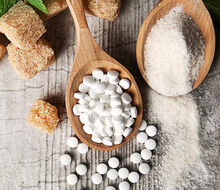
Healthier sugar alternatives under scrutiny
 Author:
 Sugar is currently very high on the list of nutrition demons - at the top, somewhere between gluten and carbohydrates in general. The truth is that refined sugar doesn't bring many health benefits, especially considering the fact that its consumption is growing rapidly every year. And, unfortunately, the development of various diseases stemming from excessive sugar consumption - obesity, diabetes and heart disease - is also increasing every year. It must also be said that most of the problems are linked to the consumption of TOO MANY refined sugars, often in combination with inappropriate sources of fat, which add to the negative health effects and overall poor lifestyle. After all, as always, the difference between a cure and a poison is only the quantity.
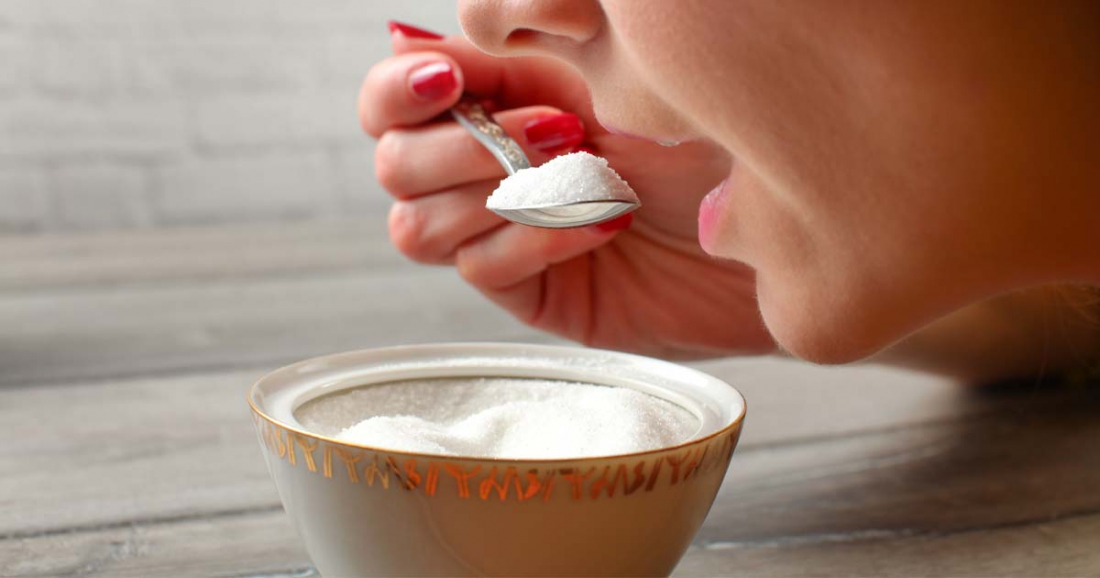
The daily sugar intake should be around 37 g for men and 25 g for women. Often, however, daily doses of sugar are many times higher. At the same time, the world's population is struggling with the problem of sedentary lifestyles due to ever-increasing demands, and when you combine excessive sugar intake, highly processed foods, inappropriate sources of fat and a poor amount of physical activity, you are looking at a one-two punch of health problems or obesity. If you're active, your sugar intake may be slightly higher, but even then, we shouldn't voluntarily overdo it over the long term.
It is also very easy to become addicted to sugar, which is why most people find it so difficult to limit their intake, because they simply don't like foods without a sweet taste. Well, this is why there are all sorts of wannabe healthy sugar substitutes on the market, which sometimes look like a really good alternative for those who want to continue to enjoy the sweet taste but don't want to compromise their line or their health, but often there is only sugar behind the beautiful "natural" sounding name. So today, let's take a look together at which alternative sweeteners we can give room in our diet and which ones we should take with a grain of salt.

Sugar alternatives that are a nice change, but not healthier.
First, we'll look at sweeteners that are often touted as healthier, but there's actually nothing all that healthy about them and they're not that different from regular sugar. So we shouldn't overdo it with the sweeteners listed below and rely on them being healthier.
Cane sugar
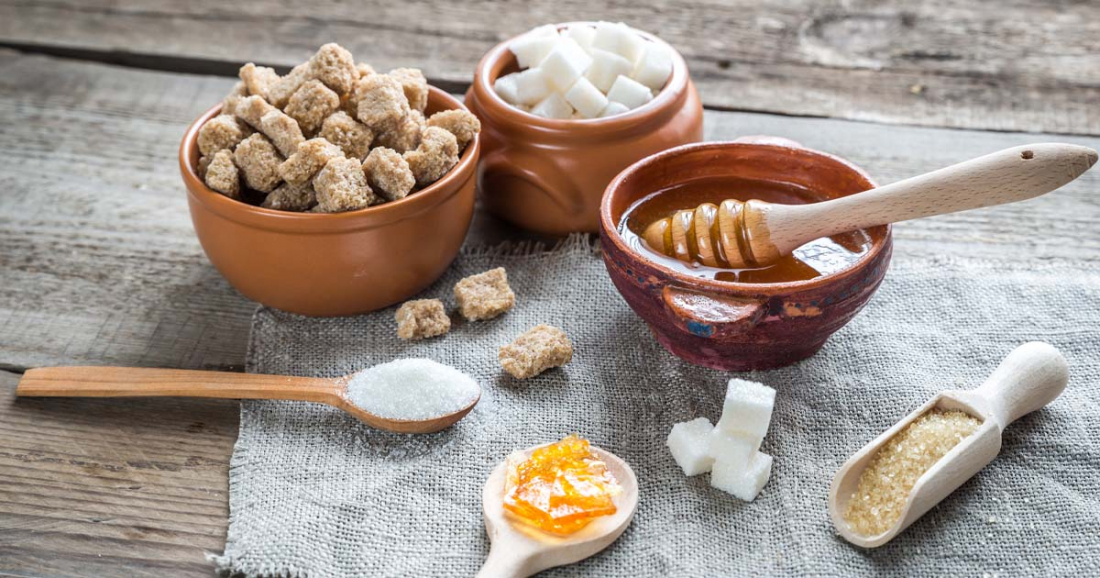
Let's start with this one, probably the most common sugar variant ever, which is touted as healthier. Well, how about this. The essential difference between cane sugar and regular beet sugar is in their processing and production methods. Beet sugar is made by a process that involves slicing the beet into thin slices and then extracting the natural sugar juice. The juice is purified and heated to produce a concentrated syrup which crystallises to form granulated sugar, in the form we are all familiar with. Cane sugar is produced in a similar way, but is sometimes processed using activated charcoal. In terms of nutritional profile, however, the two types of sugar are similar. Cane sugar contains a small amount of molasses, which makes it brown in colour. It also has a subtle caramel flavour, which works well in some recipes - for example, when combined with apples or pears! However, the caloric and nutritional value of the two variants is very similar, so it definitely cannot be described as a healthier version of regular table sugar.
Honey
Another very often recommended sugar alternative is honey. Oh yeah, this goodie made by bees really does seem like the perfect natural sweetener that won't compromise our line or health, right? But it's not quite true. The composition of honey is very similar to that of regular sugar, and it certainly can't claim to be a healthier alternative. Honey does contain trace amounts of vitamins, minerals and beneficial antioxidants, but the concentration is relatively negligible. Moreover, honey behaves exactly the same as regular sugar when heated and we lose what little micronutrients honey contains. If you choose to use honey as a sweetener, always choose the unpasteurized form, which has many more nutrients than the pasteurized forms.
Coconut sugar
Coconut sugar is extracted from the sap of the coconut palm tree. In addition, coconut sugar contains several nutrients such as iron, zinc, calcium, potassium and also a bunch of antioxidants. It also has a lower glycemic index than sugar, which may be partly due to its inulin content. Inulin is a type of soluble fiber that is known to slow digestion, increase satiety and "feed" the healthy bacteria found in our intestines. Coconut sugar is also very high in fructose, which is the main reason why we shouldn't overdo it. Another disadvantage is its high price. Coconut sugar sweetens a little less than regular sugar, so we have to use more of it to get the same sweet effect, which is not a positive thing at its high price. After all, it can be a nice change of pace, but I wouldn't consider it a healthy alternative to sugar at all.
Maple syrup
Maple syrup is a thick, sweet liquid that is made by boiling the sap of maple trees. It contains a decent amount of minerals, including calcium, potassium, iron, zinc and manganese. It also contains more antioxidants than honey. Despite containing all the beneficial nutrients, maple syrup is still very high in sugar and contains approximately 30% fructose. It has a slightly lower glycemic index than regular sugar, so it may not raise blood sugar levels as quickly, but it still raises them quite significantly. Like the other sweeteners mentioned, maple syrup is a slightly better choice than regular sugar, but should still be consumed in moderation.
Recommended
Molasses
Molasses is a thick, oily and sticky brown syrup produced as a by-product of sugar production. It is usually obtained from crushed sugar cane or sugar beet. It also contains some extra vitamins, minerals and antioxidants. It contains a good amount of iron, potassium and calcium. However, it also contains a large amount of sugars (about 50 %) and a significant proportion of fructose, so it should not be consumed in large quantities. There are several types of molasses - light, dark, blackstrap or even sulphur molasses. Molasses also has a lower glycaemic index than sugar. However, a little extra nutrients does not automatically make molasses a healthier alternative to sugar.
Dates
Another frequently used sweetener is dates or their syrup. Dates are a fruit that grows on the date palm tree. They have been around for many years and are considered a very beneficial food, especially in Asia. Dates contain large amounts of carbohydrates, especially glucose, a monosaccharide that is also otherwise known as blood sugar. Glucose is very quickly converted in the liver into a storage polysaccharide, glycogen, which acts as an energy store. Dates are therefore an amazing food for athletes because they can provide a quick source of energy. Dates have the highest energy value of any fruit and are a very rich source of sugars. Although they offer many vitamins and minerals, they are indeed a significant source of energy and should not be overused.
Agave syrup
Agave syrup is a product of the agave plant. It is often sold as a healthy alternative to sugar, but it is one of the worst options you can choose to sweeten. In fact, this liquid sweetener is made up of up to 85% fructose, which is much higher than regular sugar. Frutose was previously recommended for diabetics because it doesn't raise blood sugar levels, but what it does raise is the level of ghrelin, a hormone that promotes appetite. Fructose is almost exclusively broken down in the liver, and according to some sources, higher intake may increase the risk of non-alcoholic steatosis of the liver. Another risk of a high intake of concentrated fructose is an increase in triglyceride levels, which can result in the development of cardiovascular disease.
In addition, high fructose intake can increase levels of bad LDL cholesterol and can cause the accumulation of visceral (internal abdominal) fat, the most dangerous fat of all. Fructose really isn't completely harmless, although it does have a low glycemic index. And don't be alarmed - fructose, which is found in small amounts in fruit, where there is also fibre and other micronutrients, is better for the body than the highly concentrated one found in agave syrup, which the body processes in excess in a way we don't quite want. This makes agave syrup one of the least healthy sweeteners ever.

Sweeteners we give the thumbs up to
The best sweetener, of course, is no sweetener at all, but if you still can't give up sweetening or are looking for an alternative in baked desserts, we've selected a few sweeteners that we consider to be truly healthier versions of sugar and can recommend with a clear conscience. Again, however, it's important to remember that while the alternatives listed below are suitable, they shouldn't be taken in God knows how large doses.
Chicory syrup
Chicory syrup is clearly the first sweetener we highly recommend. Chicory syrup is a 100% natural sweetener which, as the name suggests, is made from the root of the chicory plant. It contains a high proportion of inulin (a type of fibre) which not only makes it a suitable alternative sweetener, but will also support the health of our biome, prolong satiety and help us to meet our daily fibre intake very easily. It has a very low glycemic index and a sugar content of less than 5%. This also makes chicory syrup a suitable sweetener for diabetics. As always, everything in moderation! Due to the aforementioned high fibre content, it may cause digestive problems for more sensitive individuals.
Xylitol
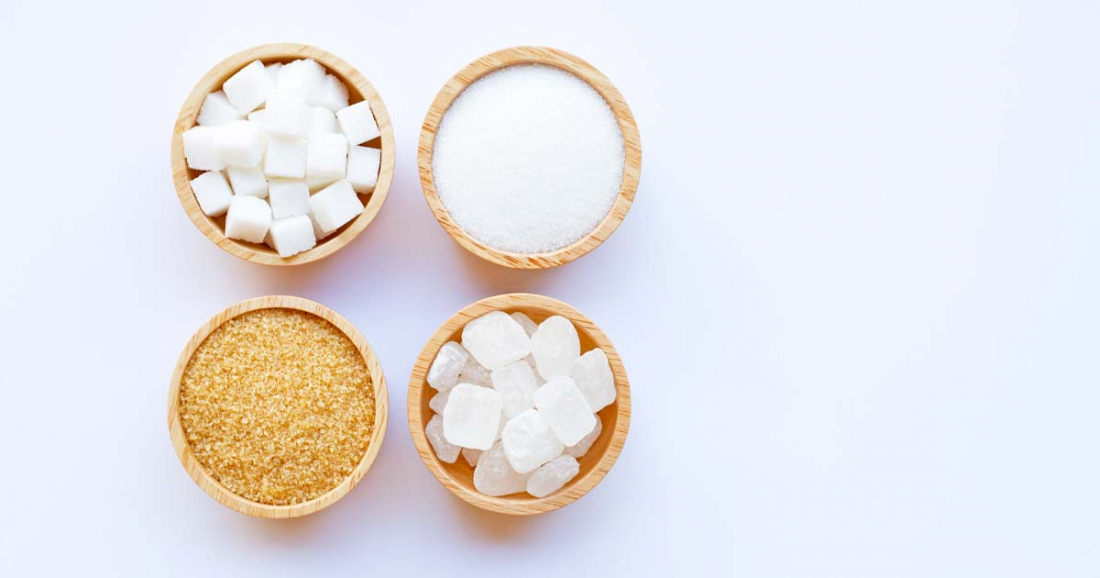
Despite its not-so-natural-sounding name, xylitol is a natural sweetener. Xylitol is a birch sugar and is one of the polyols, which are sugar alcohols. It is extracted from corn or birch wood and is found in many fruits and vegetables. Xylitol contains 2.4 calories per gram, which is 40% fewer calories than sugar. Its structure is completely indistinguishable from that of traditional table sugar. What makes xylitol a promising alternative to sugar is its very low fructose content. Unlike sugar, xylitol does not raise blood sugar or insulin levels. Xylitol is also a good sweetener for dental and bone health. In reasonable concentrations it is harmless to the human body, but in higher concentrations it can cause bloating and indigestion.
Erythritol
Another natural sweetener that is classified as a polyol. Unlike xylitol, it has zero energy value and does not raise blood sugar levels at all. It also does not raise cholesterol and triglyceride levels. Its glycaemic index is therefore considered to be zero. There are even no described negative effects on digestion in terms of bloating and diarrhoea, only heartburn may occur in higher doses. In appearance, it is again indistinguishable from conventional sugar. Erythirtol is commonly found in nature in several fruits, vegetables, mushrooms and fermented products such as soy sauce. It can also be found in small amounts in human tissues.
Stevia
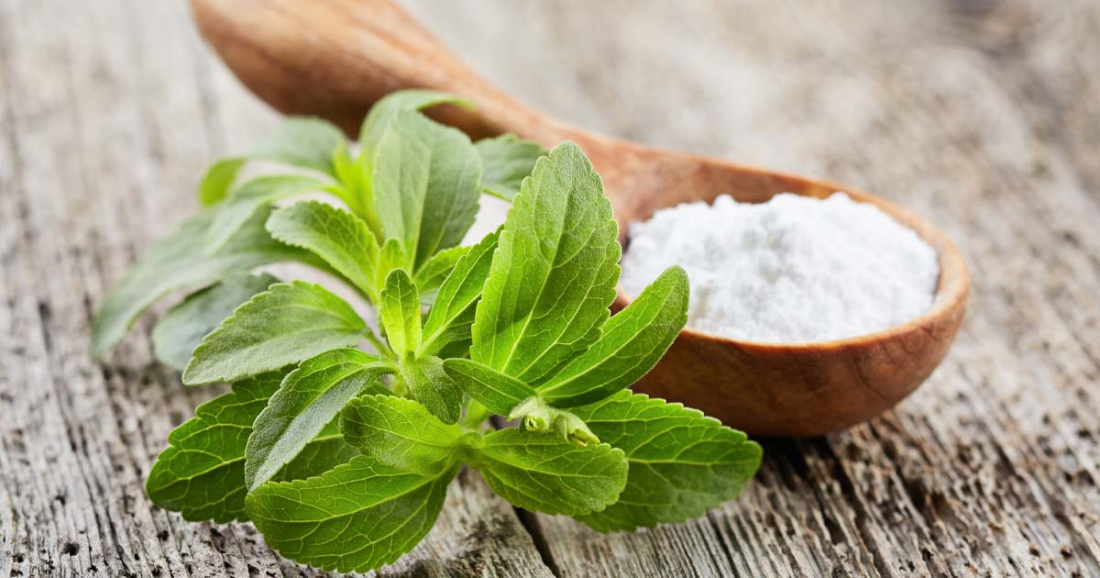
Stevia is a natural sweetener extracted from the leaves of a South American shrub known as Stevia rebaudiana. It contains alkaloids, called steviol glycosides, which are responsible for its sweet taste. Stevia has no caloric value, contains no sugar and does not raise blood sugar levels. However, its sweetness is much higher than that of regular sugar - it is reported to be up to 300 times higher. Indigenous people in South America use it not only as a sweetener, but also value it for its other health benefits. They use it for heartburn, diabetes, and even as a mouthwash.
As a sweetener, stevia does not contribute to tooth decay, but instead reduces bacteria in the mouth. The downside is its "artificial tail" and slightly bitter taste, which may not suit everyone. Again, we shouldn't over-sweeten - as mentioned, stevia has a rather bitter taste and a distinctive tail that can easily make your food inedible, its sweetness is really high, so smaller amounts are enough, and it also causes indigestion, diarrhoea, constipation or bloating in large quantities. Stevia was at one time a very controversial topic, but modern studies show that it is not so hot with its alleged negative effects.
So how do you choose the best sweetener?
Every sweetener has its pros and cons. Some sweeteners are preferable to others, but you should always keep in mind that the best sweetener is no sweetener at all. With all sweeteners, it is true that we should use them wisely. Try to wean yourself off sweet tastes - reduce sweeteners gradually, reduce the amount of sugar and alternative sweeteners in recipes, study the ingredients of the foods you buy as many of them may contain sugar even if you wouldn't expect it to be there. Sometimes it hides behind other names. The next step you can take is to learn to drink water instead of sugary sodas, have a piece of fruit instead of sweets and reduce your calorie intake. This will not only benefit your line, but also maybe your teeth and your health in general.

What to take away from the article?
Sugar consumption is increasing every year, and with it the percentage of diseases associated with excessive sugar consumption. There are more obese people in the world, more people with diabetes and, unfortunately, a growing proportion of the population with heart disease. These diseases are often due to inappropriate dietary patterns, led by excessive sugar consumption and lack of exercise. This is why, year after year, a variety of alternative sweeteners are appearing, offering people a sweet taste without the calories and negative health effects. Or so they pretend. Today, we've gone through the most well-known alternative sweeteners and looked at which ones actually deserve the "healthier than sugar" label and which ones actually don't. Either way, it's always important to remember that the best sweetener is no sweetener at all and we should learn to limit sweeteners.
Sources:
Johnson, R. K., Appel, L. J., Brands, M., Howard, B. V., Lefevre, M., Lustig, R. H., Sacks, F., Steffen, L. M., Wylie-Rosett, J., & American Heart Association Nutrition Committee of the Council on Nutrition, Physical Activity, and Metabolism and the Council on Epidemiology and Prevention (2009). Dietary sugars intake and cardiovascular health: a scientific statement from the American Heart Association. Circulation, 120(11), 1011-1020. https://doi.org/10.1161/CIRCULATIONAHA.109.192627
Faruque, S., Tong, J., Lacmanovic, V., Agbonghae, C., Minaya, D. M., & Czaja, K. (2019). The Dose Makes the Poison: Sugar and Obesity in the United States - a Review. Polish journal of food and nutrition sciences, 69(3), 219-233. https://doi.org/10.31883/pjfns/110735
Samuel, P., Ayoob, K. T., Magnuson, B. A., Wölwer-Rieck, U., Jeppesen, P. B., Rogers, P. J., Rowland, I., & Mathews, R. (2018). Stevia Leaf to Stevia Sweetener: Exploring Its Science, Benefits, and Future Potential. The Journal of nutrition, 148(7), 1186S-1205S. https://doi.org/10.1093/jn/nxy102
Grabek-Lejko, D., & Tomczyk-Ulanowska, K. (2013). Phenolic content, antioxidant and antibacterial activity of selected natural sweeteners available on the Polish market. Journal of environmental science and health. Part. B, Pesticides, food contaminants, and agricultural wastes, 48(12), 1089-1096. https://doi.org/10.1080/03601234.2013.824236
González-Sarrías, A., Ma, H., Edmonds, M. E., & Seeram, N. P. (2013). Maple polyphenols, ginnalins A-C, induce S- and G2/M-cell cycle arrest in colon and breast cancer cells mediated by decreasing cyclins A and D1 levels. Food chemistry, 136(2), 636-642. https://doi.org/10.1016/j.foodchem.2012.08.023
Salli, K., Lehtinen, M. J., Tiihonen, K., & Ouwehand, A. C. (2019). Xylitol's Health Benefits beyond Dental Health: A Comprehensive Review. Nutrients, 11(8), 1813. https://doi.org/10.3390/nu11081813
Regnat, K., Mach, R. L., & Mach-Aigner, A. R. (2018). Erythritol as sweetener-wherefrom and whereto? Applied microbiology and biotechnology, 102(2), 587-595. https://doi.org/10.1007/s00253-017-8654-1
Asghar, M. T., Yusof, Y. A., Mokhtar, M. N., Ya'acob, M. E., Mohd Ghazali, H., Chang, L. S., & Manaf, Y. N. (2019). Coconut (Cocos nucifera L.) sap as a potential source of sugar: Antioxidant and nutritional properties. Food science & nutrition, 8(4), 1777-1787. https://doi.org/10.1002/fsn3.1191
Ahmed, S., Sulaiman, S. A., Baig, A. A., Ibrahim, M., Liaqat, S., Fatima, S., Jabeen, S., Shamim, N., & Othman, N. H. (2018). Honey as a Potential Natural Antioxidant Medicine: An Insight into Its Molecular Mechanisms of Action. Oxidative medicine and cellular longevity, 2018, 8367846. https://doi.org/10.1155/2018/8367846
Sato, K., Nagai, N., Yamamoto, T., Mitamura, K., & Taga, A. (2019). Identification of a Novel Oligosaccharide in Maple Syrup as a Potential Alternative Saccharide for Diabetes Mellitus Patients. International journal of molecular sciences, 20(20), 5041. https://doi.org/10.3390/ijms20205041
Deseo MA, Elkins A, Rochfort S, Kitchen B. Antioxidant activity and polyphenol composition of sugarcane molasses extract. Food Chem. 2020 Jun 1;314:126180. doi: 10.1016/j.foodchem.2020.126180. Epub 2020 Jan 11. PMID: 31954937.
No posts have been made yet.