Get rid of bloating and perpetually bloated belly! We'll reveal the most common causes
 Author:
 Bloated belly and other digestive problems plague a large number of people, they just aren't talked about loudly because it's not really something we want to brag about. About 16-30% of all adults report that they deal with bloating on a regular basis, so it's actually a very common problem, and if it's bothering you too, you're not alone. But being permanently bloated, feeling heavy, or suffering from gas is definitely not okay.
Bloating is usually caused by excessive gas production or a disruption in the movement of the muscles of the digestive system. As you already know, our microbiome is very important and problems with its function are very serious. Today, let's take a look together at the most common reasons why you are plagued by a perpetually bloated abdomen.
Article content:
- 1. Lack of fiber
- 2. Excess fiber
- 3. Salt by 106!
- 4. You eat excessive amounts of ultra-processed foods
- 5. Eating bloated foods frequently and cooking them poorly
- 6. Eating in a hurry
- 7. Stress and lack of sleep
- 8. Chewing gum is your weakness
- 9. Excessive consumption of sweeteners and sugar alcohols
- 10. Drinking all fizzy drinks
- 11. Living a passive lifestyle
- 12. You suffer from food allergies
- 13. Overuse of antibiotics and other medications
- 14. Suffering from any gastrointestinal disorder
- What can you take away from this article?
1. Lack of fibre
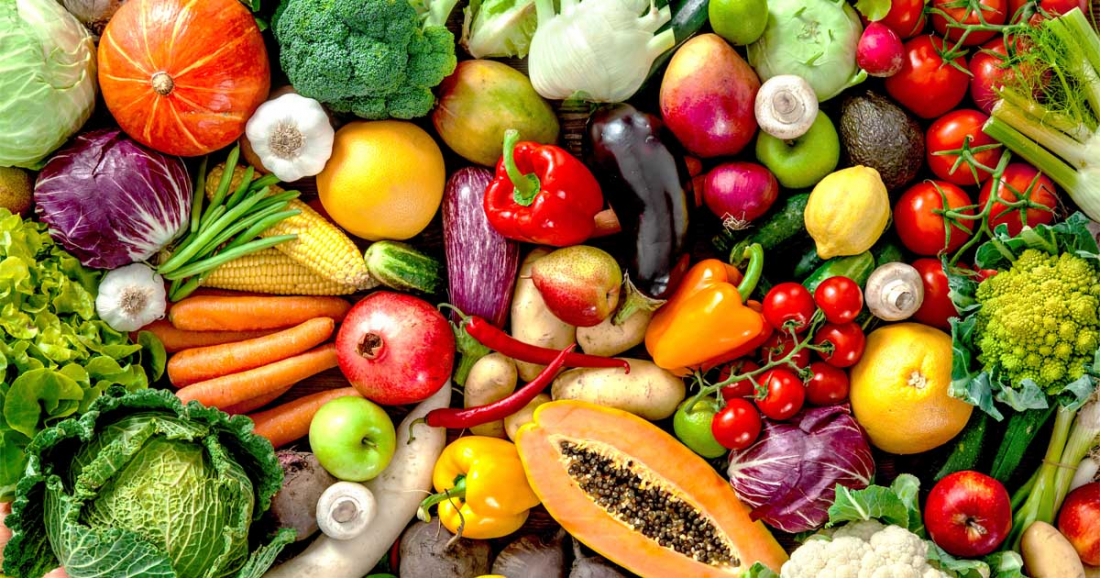
There is often a significant deficiency of fibre intake in the normal diet of many of us. Instead of eating fruits and vegetables, we eat processed foods, semi-processed foods, white flour products, fast food, fast food from the vending machine, and the intake of fresh foods is somewhat neglected. However, you must already know that fibre intake is absolutely essential for optimal digestive functioning. Irregular and inadequate fiber (and fluid) intake can lead to bloating and constipation. Dietary fibre is a partially digestible and partially non-digestible polysaccharide found in many foods, especially those in the health food category.
The basic division of fibre is based on its solubility in water into soluble and insoluble. Fibre tends to increase the content of our intestines and improve water absorption, and as a result, it speeds up the movement of food through the intestines and helps us with bowel movements. This process, however, takes place provided we drink enough. Make sure that your diet includes plenty of fresh foods, especially fruits, vegetables and whole grains.
2. Excess fibre
As well as insufficient fibre intake, excess fibre is also detrimental. So, again, the old familiar rule of "everything in moderation" applies. In fact, excessive fibre intake can be just as much of a nuisance as a lack of fibre. Aside from the "side effects" of wind and bloating, high fiber intake also blocks the absorption of certain nutrients and minerals such as magnesium, sodium, calcium and potassium.
Also be careful if you are deficient in fibre and want to increase your intake; the increase should be gradual, as a sudden increase in intake could cause acute digestive problems. It is also important to mention that if you are adding fibre to your diet, you should also increase your fluid intake, as without sufficient fluid intake, fibre can have the opposite effect on digestion and cause constipation.
3. You are salting about 106!
The human body needs salt (or sodium) badly, so it is not advisable to skip it altogether, especially if you are an active athlete, but it is also true that the majority of the population takes in excess salt rather than suffering from a deficiency. However, excessive salting can bind water and this can, among other things, cause bloating. A simple way to balance out higher sodium intake is to get enough water and, of course, to salt sensibly. It also pays to check food packaging, as added salt is sometimes in products where you wouldn't expect it. Moreover, if the old adage "salt and salt" applies to you, then you should not be surprised if your digestion is bothering you.
4. You eat excessive amounts of ultra-processed foods
Following on from the absence of fibre in our diets and excessive salt intake, we need to revisit the excessive intake of ultra-processed foods. Semis, white bread and other bakery products, ready meals, fasfoods and other such food groups often cause bloating and a distended belly. This happens because the ingredients of such products are often very extensive, full of chemicals, additives, preservatives, sweeteners and salt to make them last on the store shelves for a longer period of time, and whose excessive consumption is neither suitable for a healthy lifestyle nor for good digestion.
It is quite obvious that some foods do not have a very positive nutritional benefit, but among the sources of salt, preservatives and other additives, we also find tomato sauces, cereals, packaged pastries, bars, juices and other sweets that make it very easy to exceed the recommended salt intake. And of course, try to limit processed items and fill your diet with fresh fruit, whole grains, appropriate protein sources and vegetables.

5. Frequent consumption of bloated foods and poor cooking
If you frequently consume bloated foods or do not know how to prepare them properly, it is very likely that they will be the cause of your problems. These are often broccoli, cauliflower, onions, kale, cabbage and others. This does not mean that you have to eliminate these foods from your diet completely. On the contrary, with regular consumption your digestive tract will get used to and tolerate these foods better. On the contrary, regular consumption of nutritious and fibre-rich foods is a very good part of a healthy diet.
So why do these foods bloat us? Because cruciferous vegetables contain raffinose, a trisaccharide that is digested in the colon by gas-producing bacteria. It is advisable to start with smaller portions and gradually increase your intake. It is also advisable to boil or steam the vegetables, as cooking makes them more digestible.
Another often problematic food group is legumes. But again, with regular consumption, digestive problems are not as common. The key with pulses is their preparation, they should be soaked in advance, ideally at least 12 to 24 hours in advance. When soaking, it is a good idea to pour off the water at least once and rinse with clean water, this will reduce the amount of antinutrients that are released into the water and increase the risk of bloating.
When cooking, we need to collect the foam that is released, as it contains the aforementioned antinutritional substances, which are difficult to digest. We can also use herbs such as aniseed, marjoram or basil when cooking. Generally the less flatulent legumes are the peeled ones, preferably peas, red lentils and chickpeas. Of the beans, adzuki and mung beans are the most digestible. It is very advisable to use sprouted legumes (mung beans, lentils, chickpeas), which do not bloat at all, and also contain more vitamins and live enzymes, very beneficial to our health.
6. Eating in a hurry
The pace of life forces us all to do everything in a hurry, but if you can't make time to eat at a leisurely pace, it could be problematic. This is because if you gobble and eat in a hurry, in addition to the food, you will also swallow air, which will cause gas production and bloating in the intestines. But swallowed air isn't the only problem that causes indigestion if you eat too fast. If you eat in a hurry, you may also not chew thoroughly, and this leads to larger pieces of food concentrating in your gut that take longer for the body to process before they are completely digested, which can cause difficulties.
Another thing that plays a role is that when we eat in a hurry, we often lose track of how much we're actually eating, and due to gobbling we're unable to properly perceive the body's signals indicating satiety. Take plenty of time to eat, eat calmly, chew carefully, focus only on the food while you eat (yes, again we remind you of the concept of mindful eating) and enjoy the flavours, textures, colours, in short, feel the food with every sense.

7. Stress and lack of sleep
Excessive stress is detrimental to the quality of life itself, but when we are stressed, our digestion suffers too. Especially if you are under stress for a long time, you may suffer from excessive bloating. There's a direct connection between our brain and our gut, so it's not entirely surprising that feelings of anxiety, depression, sleep deprivation or psychological stress can also cause digestive problems. In fact, stress is one of the biggest triggers of digestive problems.
Thus, for many people, despite the long-term digestive problems that have been noted, long-term stress is also detected, which can ultimately cause a number of other health complications. Try to get enough rest, find a relaxation technique to help you relieve stress - go for a walk, get a workout in, read a good book, chat with friends, or perhaps head to the sauna or for a massage. Don't forget to get plenty of quality sleep too.
8. Chewing gum is your weakness
Chewing gum and hard candies keep your mouth full, which can help you lose weight or quit smoking. But they also cause you to inadvertently swallow a lot of extra air. And, as in the previous cases, excessive air can be a pest and cause bloating, burping, and feelings of heaviness. Try cutting down on chewing gum and instead drink plain water often - this will also keep your mouth fresh and clean. And one little bonus point for drinking water - plain water helps keep your digestive tract moving, destroying the excess air that bloats your digestive system.

9. Excessive consumption of sweeteners and sugar alcohols
Some sugar alcohols such as sorbitol, xylitol, isomalt, maltitol, mannitol or erythritol can also cause digestive discomfort in higher concentrations and in more sensitive individuals. The reason for using sugar alcohols is that they are slowly and incompletely absorbed by the body. Once absorbed, they use very little insulin to convert into energy. Not all sugar alcohol passes into the bloodstream. The rest passes through the small intestine and into the colon. One of the main uses of sugar alcohols is the treatment of diabetes, primarily to maintain near-normal blood sugar levels.
In some people, alcohols can cause bloating, flatulence, and diarrhea. This is because sugar alcohol is not completely absorbed in the digestive system, and this causes it to ferment in the intestines. As a result of this fermentation, gas is produced and can cause gastrointestinal problems. Beware of seemingly harmless foods, such as protein bars, in which sugar alcohols are often found.
10. Drinking fizzy drinks
Carbonated drinks such as sodas or sparkling water are a common cause of bloating. The bubbles in popular sodas (even diet ones) can cause gas to get trapped in the stomach, which can lead to bloating and burping. Diet sodas also contain sweeteners, which in high concentrations can also be a burden on the digestive tract. Try to limit the amount of fizzy drinks you drink and find a healthier alternative. If you don't like plain water, add cucumber, mint, lemon, ginger or even wild berries. You can also include green, black or herbal teas in your drinking regime. Instead of fizzy energy drinks, have a good quality coffee.
11. You live a passive lifestyle
If you don't get enough exercise, you may also experience frequent digestive problems. Inactive people very often don't even eat healthy foods, which is another aspect contributing to digestive problems. Movement, on a daily basis, is a necessity for both health and bowel function. When you move, you stimulate intestinal peristalsis, so that food moves better in the intestines and it is easier to eliminate undigested residues.
Movement should be a daily part of our lives, at least in its most natural form, i.e. simple walking. If you are not too keen on physical activities, at least try to reduce driving, walk to get your lunch, walk to the shops and go for regular walks in the air, killing two birds with one stone, because you will be doing something for your health, both physical and mental.
12. You suffer from food allergies
Despite all the attention that revolves around food allergies these days, most of the general population is not affected by allergies in any way. Still, some allergies and sensitivities to certain foods are another, albeit less common, cause of bloating and a distended belly. People with wheat allergies who cannot digest gluten often experience digestive problems and bloating, and if you are lactose intolerant, you may also experience significant discomfort after consuming dairy products.
If you often feel like a bowling ball and none of the above factors seem to be the cause, and you notice that the difficulties come after eating the same foods each time, you may want to try an elimination diet to discover what is actually causing your problem, or consult your doctor straight away and ask to be tested for food allergies.

13. Overuse of antibiotics and other medications
The penultimate reason, not to be overlooked, is the overuse of antibiotics and other medications that can irritate the gut biome. Antibiotics destroy pathogens and "bad" bacteria, but they also destroy huge amounts of "good" (beneficial) bacteria essential for gut health. Hostile fungal species and unwanted gas-producing microbes multiply rapidly, filling our biome and crowding out the beneficial bacteria. The result is dysbiosis, or bacterial imbalance, and it is one of the most common causes of bloating. That's why we should always supplement antibiotics with probiotics if they really need to be taken. Steroids and corticosteroids can have similar effects.
14. Do you suffer from any gastrointestinal disorder
If your problems persist for a long time, get worse, or do not ease after an elimination diet, see a specialist immediately. It could be a more serious condition such as irritable bowel syndrome, Crohn's disease or ulcerative colitis. If your problems are long-standing, you shouldn't wait too long to see your GP or gastroenterologist.
What to take away from this article?
Bloating and feelings of a distended abdomen afflict a huge number of people, even if they are not spoken about out loud. The causes can actually be many - from serious ones like allergies or other health problems and stress, or just some dietary mistakes. Either way, bloating is not okay and should definitely not bother you in the long term. If it does, look into the source of your difficulties - eliminate stress, try an elimination diet or the FODmaps diet, incorporate probiotics into your supplementation plan, be active, or get a food allergy test. Healthy digestion is absolutely key to a healthy and happy life, so don't take these issues lightly.
Recommended

GymSupps Master Greens
Sources:
https://www.ncbi.nlm.nih.gov/pmc/articles/PMC5093271/
https://www.ncbi.nlm.nih.gov/pmc/articles/PMC5508768/
https://www.ncbi.nlm.nih.gov/pubmed/28512250/
https://www.healthline.com/health/food-nutrition/too-much-fiber
https://www.ncbi.nlm.nih.gov/pmc/articles/PMC4202369/
https://www.ncbi.nlm.nih.gov/pmc/articles/PMC4202343/
http://www.med.unc.edu/ibs/files/2017/10/Stress-and-the-Gut.pdf
No posts have been made yet.