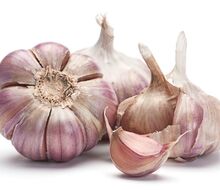
How to get rid of indigestion? Try eliminating "high FODMAPs" foods from your diet!
 Author:
 It probably won't come as a surprise to you that what you eat has a significant effect on your body and digestion. An incredible number of people suffer from digestive problems, but because it's such a TABOO topic, it 's not discussed much and few people admit the problem out loud.And it is in relation to digestion that you may have heard of FODMAPs. If not,you will certainly hear about them as they are becoming a new dietary phenomenon, especially in dealing with digestive issues. You're wondering what kind of incantations are we trying on you again? No incantations, don't worry. Let's get to know FODMAPs a little better.
What are FODMAPs?
The acronym FODMAP stands for Fermentable Oligosaccharides, Disaccharides, Monosaccharides and Polyols. These are specific sugars found in foods, such as fructose, lactose, fructans, galactans and polyols. They are a group of short-chain carbohydrates, and because these carbohydrates cannot be fully absorbed by the human body, they are easily fermented by gut bacteria and can cause serious gastrointestinal problems. FODMAPs draw fluid into your gut, which can cause diarrhea.

A team at Australia's Monash University led by Professor Peter Gibson , including Dr Sue Shepherd and others, have developed a diet based on eating foods low in FODMAPs primarily to support the treatment of irritable bowel syndrome. Irritable bowel syndrome (IBS) is now a very common gastrointestinal disorder affecting one in seven Australian adults and is also widely indicated in populations in the US, Europe and many Asian countries. IBS affects more than 10 per cent of the world's population. FODMAPs have been shown to not only reduce the burden on the digestive system but also significantly reduce the symptoms of IBS. Thus, a diet based on reducing the intake of FODMAPs appears to be a very effective way to support the treatment of IBS, according to studies.
The most common FODMAPs include:
- Fructose: A simple sugar found in many fruits and vegetables, it is particularly problematic where it outweighs the glucose content. Honey is also a source.
- Lactose:A carbohydrate found in milk and dairy products.
- Fructans: These are polymers of fructose found in wheat, rye, barley, garlic, onions, broccoli, asparagus and pistachios.
- Galactooligosaccharides: Found in large amounts in legumes.
- PolyolsSugar alcohols such as xylitol, sorbitol, maltitol and mannitol. They are found in some fruits and vegetables and are often used as sweeteners.
Why are FODMAPs poorly tolerated and harder to digest? Carbohydrates, as chains of sugar molecules, must be broken down into individual molecules - i.e. monosaccharides. This happens through digestive enzymes and then these carbohydrates are absorbed through cells in the small intestine into the blood. To reach the cells and the bloodstream, carbohydrates need specific carriers. FODMAPs sensitivity may be due to insufficient amounts of said carriers, lack of digestive enzymes, and poor dietary composition such as excessive consumption of highly processed foods, excessive refined sugars, and so on may also be to blame .
WHAT HAPPENS AFTER CONSUMING THEM?
Most FODMAPs pass through much of the intestine unchanged. FODMAPs are virtually completely resistant to digestion and are classified as fibre. Some carbohydrates only function as FODMAPs in certain individuals, these include such things as lactose and fructose and therefore mean that some people can tolerate these sugars with absolutely no difficulty. In general, sensitivity to FODMAPs is highly individual and researchers suggest that excessive consumption of FODMAPs may be one indicator for the development of metabolic disorders and digestive problems such as irritable bowel syndrome or Crohn's disease.
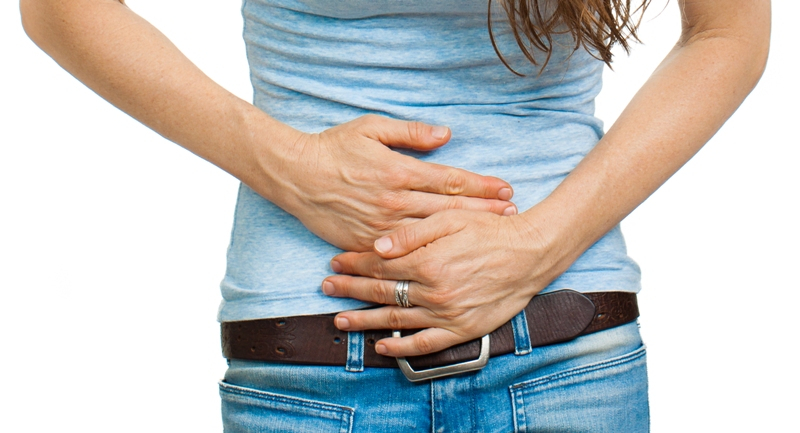
When FODMAPs reach the large intestine, where many beneficial bacteria are found, the FODMAPs begin to ferment (ferment) and feed on the intestinal bacteria. The friendly bacteria tend to produce methane, while the bacteria that feed on FODMAPs produce hydrogen, another type of gas that can lead to flatulence, bloating, stomach cramps and abdominal pain. The presence of FODMAPs in the colon can also reduce its ability to absorb water, leading to problems such as bloating, cramps, constipation, diarrhea, excessive belching, etc.
LOW FODMAPS DIET AND ITS BENEFITS
The Low FODMAPs diet has been developed especially for patients suffering from protracted long-term digestive problems, such as irritable bowel syndrome, leaky gut, ulcerative colitis or Crohn's disease. IBS has no well-defined cause, but it is well known that diet can have a significant effect on its manifestations. Stress may also be a major contributor. Research into the application of low FODMAPs diets and the alleviation of symptoms of the above mentioned diseases offers really promising results. According to research, this type of diet can alleviate symptoms in up to 75% of all those treated. However, it is mainly the elimination of irritating foods that alleviates symptoms, not their complete elimination and cure of the problem.
People who apply low FODMAPs diets then, according to studies, show less frequent diarrhea and abdominal pain, alleviation of bloating and flatulence , and the psychological benefits also need to be highlighted, as it is well known that digestive disorders cause stress and are strongly associated with mental disorders such as anxiety and depression, and individuals may have difficulty getting along in society.
HOW DOES SUCH A LOW-FODMAPS DIET LOOK?
You can find lists of low and high FODMAPs foods all over the internet these days, but only one is official, and that is the one from researchers at Australia's Monash University, where the diet was created in 2004, and where they regularly addmore components to the list of foodsand test, measure and screen them against the same criteria as the original list.
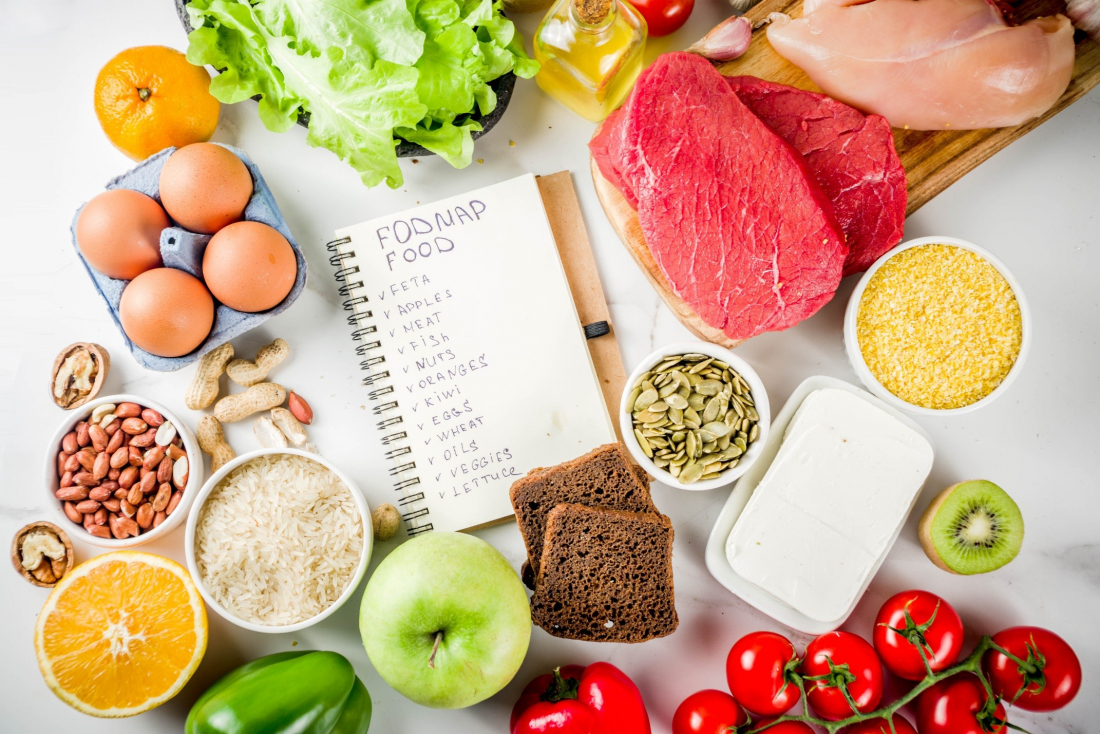
Among the foods high in FODMAPs that are better to limit or omit are:
- Fruits: apples, applesauce, apricots, blackberries, blueberries, cherries, canned fruits, dates, figs, pears, peaches, cantaloupe
- Sweeteners: Fructose, honey, high fructose corn syrup, xylitol, maltitol, sorbitol
- Dairy: milk (cow, sheep and goat) ice cream, most yogurts, sour cream, soft and fresh cheeses (cottage cheese, ricotta, etc.) and, unfortunately, whey protein.
- Vegetables: artichokes, asparagus, broccoli, beetroot, Brussels sprouts, cabbage, cauliflower, garlic, fennel, leeks, mushrooms, onions, peas, shallots
- Legumes: chickpeas, lentils, red beans, soybeans
- Wheat products: bread, pasta, most breakfast cereals, tortillas, waffles, pancakes, biscuits
- Other cereals: barley and rye
- Nuts: Pistachios and cashews
- Drinks: Beer, wine, soft drinks with high fructose corn syrup, milk, soy milk, fruit juices
WHAT TO EAT NOW OR WHAT ARE THOSE "LOW FODMAPS" FOODS?
Keep in mind that the purpose of such a diet is not to completely eliminate FODMAPs - which is extremely difficult, but only to minimize their intake, which is considered very beneficial in relieving symptoms associated with digestive problems. There are a wide variety of healthy and nutritious foods you can eat on a diet low in FODMAPs, including:
- Meat, fish and eggs: foods in this category are very well tolerated as long as they do not contain high FODMAP ingredients such as wheat or high fructose corn syrup.
- All fats and oils
- Most herbs and spices
- Nuts and seeds: almonds, pecans, walnuts, peanuts, macadamia nuts, pine nuts, sesame seeds
- Fruit: Bananas, blueberries, grapefruit, grapes, kiwi, lemons, limes, tangerines, oranges, passion fruit, raspberries, strawberries
- Sweeteners: Maple syrup, molasses, stevia and most sugar alcohols
- Dairy products: lactose-free dairy products, hard cheeses and aged mould cheeses such as brie and ermine, plant milks except soya milk
- Vegetables: peppers, bok choy, carrots, celery, cucumbers, eggplant, ginger, green beans, kale, lettuce, chives, olives, parsnips, potatoes, radishes, spinach, spring onions, squash, sweet potatoes, tomatoes, zucchini
- Grains: corn, oats, rice, quinoa, sorghum, tapioca
- Drinks: water, coffee, tea, etc.
There is an app available for download on the Monash University website that will give you the best up-to-date lists and can be a good stepping stone for you. You can find the link here.

It's important to also note that these lists are not definitive or generally valid. Of course there are other foods not listed here that are either high or low in FODMAPs. In addition, we need to take into account that each of us is an individual, and also the degree of sensitivity for each food may vary. So the whole point of this diet is quantity - you can tolerate a certain amount of a food fine, but with higher amounts of the same food, you will already experience difficulties. For example, if you eat half a ripe mango, your digestion is without difficulty, but if you eat a whole mango, bloating, heaviness and gas will appear.
Other foods you will have to leave out altogether because you simply cannot tolerate them at all. Food preparation also plays a role - i.e. raw vs. cooked, and tolerance can also be affected by combining foods from each list. For example, peas with carrots etc. It's very much about trying out what works for you and as mentioned - like all other eating styles, this one is highly individualised. If you have digestive problems of unspecified origin, a stepping stone for you could be strictly avoiding foods high in these problem substances, or gradually eliminating them and testing which ones cause you problems.
The truth is that many commonly consumed foods are high in FODMAPs. In general, when digestive problems occur, it is recommended to completely eliminate all foods high in FODMAPs for a few weeks. If FODMAPs turn out to be the cause of your health problems, you may feel relief after a very short time . After a few weeks, you can start to reintroduce some of these foods into your diet - one at a time and gradually. This will allow you to discover which food is causing your difficulties. If you find that a certain type of food is severely disrupting your digestion, it may be best to avoid it altogether.

But a low FODMAPs diet does not automatically equal a low-carbohydrate diet. A low FODMAPs diet includes all gluten-free grains,fruits and other types of carbohydrates, so there's no need to cut them out of your diet completely. At the same time, according to the research, there is a good chance that after your gut has straightened out, you will be able to reintroduce most FODMAPs, because if you get the point of this diet right, it is essentially an elimination diet, the goal of which is to find the foods that are causing you digestive distress and eliminate them from your diet. So it's not so much about reducing or completely eliminating all the foods mentioned.
The lists also show that many of the foods that contain FODMAPs are considered very healthy and some FODMAPs act ashealthy prebiotic fiber that is important for our beneficial gut bacteria. Therefore, people who can tolerate these types of carbohydrates should definitely avoid them . However, for people who are intolerant to FODMAPs, foods high in these carbohydrates can cause unpleasant digestive problems and should be eliminated from the diet altogether or greatly reduced. If you frequently experience digestive difficulties that make your life uncomfortable, focusing on FODMAPs could be very effective for you and could help you find the cause of your difficulties. Although a diet low in FODMAPs may not eliminate all digestive problems, there is a good chance that it can lead to a significant improvement in your difficulties.
WHAT TO TAKE AWAY FROM THE ARTICLE
Low FODMAPs dieting is a relatively new tool for improving digestive difficulties that is among the most widespread, though not widely talked about. Eating respecting low FODMAPs diet is based on eliminating foods that contain fermented types of carbohydrates, which are the cause of digestive difficulties because the body is unable to digest them completely. After applying an elimination diet , it is advisable to start gradually reintroducing the food(s) and to find the key one that causes you problems and omit it completely. Low FODMAPs diet offers a very effective tool to get rid of digestive problems and alleviate the manifestations of diseases such as irritable bowel syndrome, ulcerative colitis or Crohn's disease.
Sources:
http://www.med.monash.edu/cecs/gastro/fodmap/
https://onlinelibrary.wiley.com/doi/full/10.1111/j.1440-1746.2009.06149.x
https://www.ncbi.nlm.nih.gov/pubmed/21615553
https://www.ncbi.nlm.nih.gov/pubmed/15932367
https://www.sciencedirect.com/science/article/abs/pii/S0002822309004611
https://www.ncbi.nlm.nih.gov/pubmed/25601299
https://www.ncbi.nlm.nih.gov/pubmed/22446969
https://www.ncbi.nlm.nih.gov/pubmed/24076059
https://www.ncbi.nlm.nih.gov/pubmed/27664186
https://www.ncbi.nlm.nih.gov/pubmed/21172242
https://www.ncbi.nlm.nih.gov/pubmed/25694210
https://www.ncbi.nlm.nih.gov/pubmed/29870082
https://www.ncbi.nlm.nih.gov/pubmed/206592
http://risebyperformance.cz/fodmap/
https://www.webmd.com/ibs/guide/what-is-fodmap
https://www.ncbi.nlm.nih.gov/pubmed/23648697
https://link.springer.com/article/10.1007/s11882-013-0386-4
No posts have been made yet.