





12 causes of fat deposition in the abdominal area
 Author:
 Fat in the abdominal area bothers many of us, what could be the cause? It doesn't have to be about food alone.
Belly fat can indicate a number of diseases such as metabolic syndrome, heart disease and cancer.
In medical terminology, it is called visceral fat because it encases the internal organs. It poses health problems for everyone, even people of normal weight.
One of the common myths associated with nutrition is whether protein makes you fat. The truth is that protein alone does not cause fat deposition in the abdomen or anywhere else. On the contrary, sufficient intake of good quality protein promotes satiety, speeds up metabolism and helps to protect muscle mass during weight loss. Fat deposition in the abdominal area is usually the result of excessive caloric intake, hormonal changes or stress, not protein consumption.
12 causes of fat storage in the abdominal area
1) Eating foods and drinks with a lot of sugar
A significant number of people consume more sugar on a daily basis than they realize. Sugar-rich foods include a variety of sweets, cakes, sweetened beverages and more. Don't be fooled, even products claiming to be healthy can be full of sugar, so always read the ingredients. Studies have shown a link between excessive belly fat and high sugar intake (especially fructose).
Both regular sugar and corn syrup contain high amounts of fructose. The former is 50% fructose, corn syrup 55%. A 10-week study found that participants whose daily caloric intake consisted of 25% fructose-sweetened beverages gained weight in the abdominal area and decreased their insulin sensitivity.
According to another study, people who consumed larger amounts of fructose tended to have problems with fat burning and metabolic rate. Plus, the liquid calories from sugary drinks hardly fill you up.
2) Alcohol
Alcohol can be beneficial in small amounts (especially red wine) - it reduces the risk of heart and stroke. But in large amounts it causes inflammation, liver disease and other problems.
Some studies have confirmed that alcohol inhibits fat burning and the excessive calories taken in from it are partly stored as belly fat. Hence the well-known term "beer belly".
Research conducted on men found that those who drank more than 3 alcoholic drinks a day were 80% more likely to have excess belly fat compared to those who did not have alcohol on their daily agenda.
3) Trans fats
They have been shown to cause inflammation, may contribute to insulin resistance and heart disease. Animal studies have shown that frequent consumption of trans fats can affect abdominal fatness. A 6-year study of monkeys (cats) found that animals whose diets contained 8% trans fats had 33% more abdominal fat and weighed more than animals fed diets containing 8% monounsaturated fatty acids. Both groups ingested the amount of calories needed to maintain weight.
A sedentary lifestyle is among the highest risk factors for poor health. People are moving less and less, which is one of the main reasons for the increased prevalence of obesity. This has been confirmed by a large-scale survey carried out in the USA between 1988 and 2010. Other research found that women watching more than 3 hours of TV a day had a 2x higher risk of gaining fat in the abdominal area.
5) Lack of protein
Getting enough protein in your diet contributes to feeling less hungry, feeling fuller and speeding up your metabolism. All of this helps to spontaneously reduce daily calorie intake. According to research, people who eat more protein are less likely to store belly fat.
Protein deficiency increases levels of the hormone neuropeptide Y, which promotes appetite and fatness.
Recommended
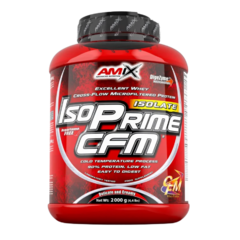
Amix Isoprime CFM
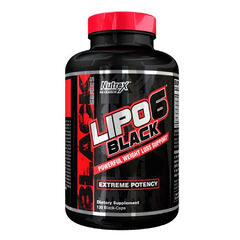
Nutrex Lipo 6 Black

6) Menopause
During menopause, hormonal changes occur, with a drop in estrogen levels and subsequent fat deposition in the abdominal area. Some women gain more weight during the transition, others less, genes have an influence, but also the age at which menopause begins. According to one study, women whose menopause started at a younger age have less of a problem with fat gain.
7) Imbalance of the intestinal microflora
Hundreds of species of bacteria live in our guts. They can be beneficial to health and vice versa. A healthy gut microflora is important for the proper functioning of the immune system. According to some research, an imbalance can have a negative effect on the deposition of abdominal fat.
8) Fruit juices and juices
Even if there are no added sugars in 100% juice, it naturally contains a lot of them. Fruit sugar (fructose) does not benefit your waist circumference, as mentioned in the first point.
For example, 250 ml of both 100% apple juice and Coca-Cola contain the same amount of sugar - 24 g. Grape juice even has 32 g of sugar. These liquid calories, unlike solid food, will not satisfy your appetite. It is therefore more than easy to get a huge amount of sugar in this form.
9) Stress and cortisol
Cortisol is produced by the adrenal cortex and is nicknamed the "stress hormone" because its main purpose is to mobilize the body during stressful stress. Excess cortisol can contribute to fat storage in the abdominal area. Many of us also tend to overeat when stressed, which is another step towards gaining weight.
10) Lack of fiber
A diet poor in fiber and rich in refined sugars leads to visceral fat deposition. A study of 1,114 men and women found that increasing soluble fiber intake by 10 grams led to a 3.7% reduction in abdominal fat.
Another large study confirmed that whole grain foods rich in fiber help against visceral fat deposition.
11) Genetics
Genes also play a role in fat deposition in the abdominal area. Specifically, the gene for the cortisol-regulating receptor and the gene encoding the leptin receptor. In 2014, researchers identified 3 new genes associated with a higher risk of abdominal obesity, 2 of which are found only in women. However, more research still needs to be done in this area.
12) Sleep deprivation
Many studies have confirmed the link between sleep deprivation and fat gain. A large-scale study followed more than 68,000 women for 16 years. The results were interesting - women who slept 5 hours or less had a 32% higher risk of becoming 15 kg overweight compared to those who slept at least 7 hours. Fat storage can also be affected by various sleep disorders, such as sleep apnea.
A few words in conclusion
Fat gain in the abdominal area is influenced by a number of different factors. Some you can't do much about (genetics, hormonal changes at menopause), others are in your hands (eating right, exercise) and you should work on those.
[Image and information sources: authoritynutrition.com, ncbi.nlm.nih.gov/pubmed, jn.nutrition.org, abdomensixpack.com, bodybuilding.com]
No posts have been made yet.








