





The best foods for brain health and proper brain function
 Author:
 The food we eat affects how we look, how we feel and how much energy we have. So it's probably not surprising for you to hear that what we eat also affects how our brain functions. There is something called the gut-brain axis, which is a tight connection and communication between our brain and gut biome. This means that the foods we eat can greatly influence our memory, cognitive function, performance, and even affect our overall experience of life.
In addition, foods rich in antioxidants, healthy fats, vitamins and minerals provide energy and help protect against brain disease. So when we focus on giving our bodies the least processed, most nutritious foods that are beneficial for both the gut and the brain, we do something for our minds and bodies and support our overall body health. So let's take a look together at twelve foods that are very beneficial for brain health and optimal functioning.
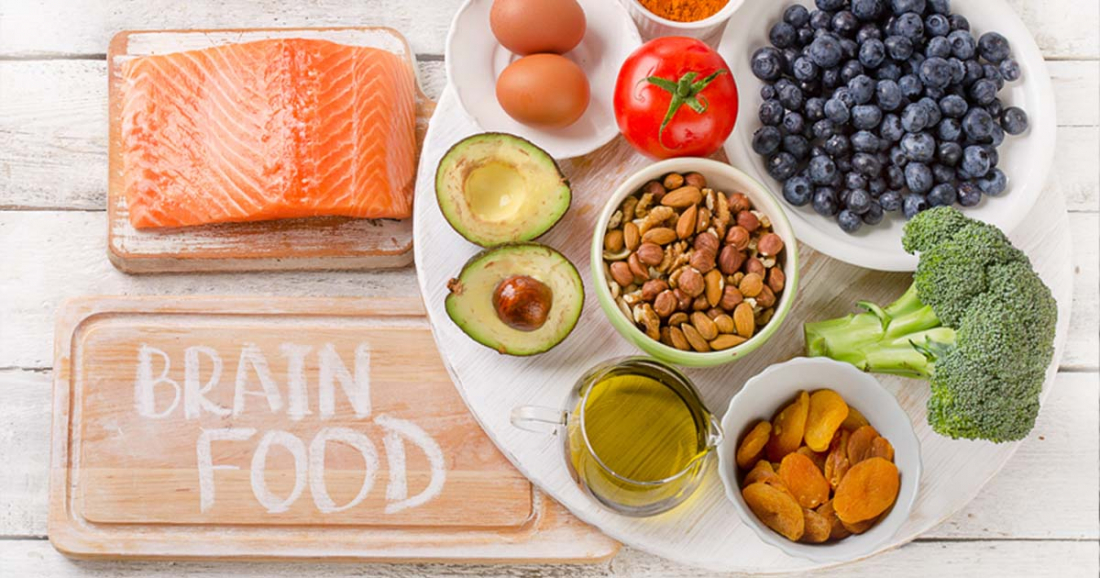
1. Fatty fish
Of course, fatty fish cannot be missing from the list of foods important for brain health and performance . Fish such as salmon, sardines, mackerel or tuna contain a number of health benefits. They are particularly notable for their high content of omega-3 fatty acids, which, as you will know from previous articles, are very important not only for optimal brain function, but for health in general. The brain can be described as the fattest organ in the body - about 60% of the brain is made up of fat and about half of this amount is made up of omega-3 fatty acids. The brain uses omega-3 fatty acids, for example, to form nerve cells, which are essential for concentration and memory.
Of course, these are not all the benefits that omega-3 fatty acids bring to the brain and its activity. They can also, for example, be effective in preventing mental deterioration and the development of Alzheimer's disease. Insufficient intake of omega-3 fatty acids is also cited as a common reason for depression and concentration disorders, among other things. Some research also suggests that people who regularly eat fattier fish have a greater proportion of grey matter in their brains. Grey matter contains most of the nerve cells that affect emotion, memory and concentration. There is simply no doubt that fish is very important for brain health and health in general.

2. Blueberries
Another food that, perhaps a little surprisingly, has a rather significant effect on the health and function of our brains is blueberries. Blueberries contain anthocyanins, a group of plant compounds that have anti-inflammatory and antioxidant properties. Antioxidants counteract oxidative stress as well as inflammation and conditions that can contribute to brain aging and neurodegenerative diseases. Blueberries are also a rich source of flavonoids, which can promote brain cell regeneration and have a positive effect on both long-term and short-term memory. Studies suggest that when grouped together in the brain, the substances in blueberries can improve brain cell communication and thus enhance cognitive function in both young and old people.
3. Nuts
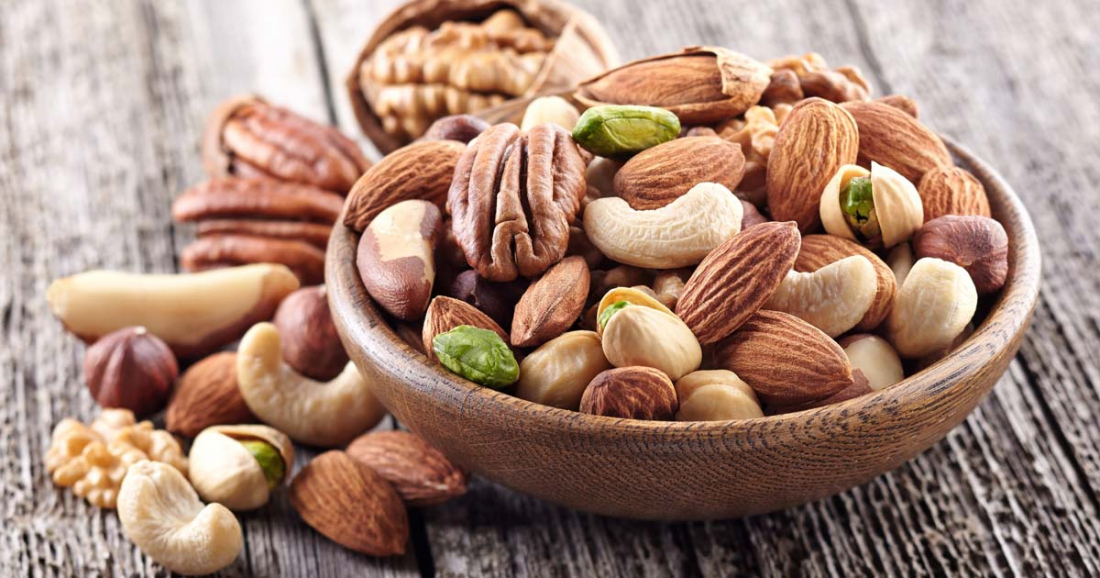
Consuming nuts is beneficial for heart health and, logically, brain health. Nuts are rich in various nutrients such as healthy fats, vitamins, minerals and antioxidants that make nuts so healthy. Vitamin E, for example, helps protect cells from oxidative damage and free radicals, thus supporting brain health, among other things. Studies suggest that regular consumption of nuts may lead to a reduced risk of cognitive decline in older adults. Other studies then show that regular nut consumption can boost memory, so you can see why nuts are recommended as a good snack for learning. Walnuts are then extremely important for the brain, as they are the richest in omega-3 fatty acids of all nuts .
4. Sunflower seeds
Sunflower seeds are a great source of protein, fat and also vitamin E. Vitamin E in particular is very important for brain health (see several times above). Sunflower seeds are good for the nervous system and are a very important part of the diet in the treatment and prevention of depression. The high magnesium content of sunflower seeds helps to balance calcium levels in the body and thus helps to regulate nervous processes. The amino acid tryptophan in sunflower seeds promotes the production of serotonin in the body, and it is well known that serotonin helps to release tension and has a profound effect on our mood and mental well-being. Another brain-beneficial substance found in sunflower seeds is vitamin B6, which also plays a significant role in the treatment and prevention of depression. Similarly, pumpkin, hemp or flax seeds are also important.
5. Coffee
Coffee lovers beware, by drinking it you are doing a great thing for your body. In fact, the two main components of coffee, caffeine and antioxidants, are very important for brain health. Caffeine is considered to be the world's best known and most used stimulant. Apart from the fact that it can effectively stimulate our cognitive function, memory and concentration, it can also reduce fatigue, improve mood and give us a proper kick to perform better mentally and physically. Studies suggest that regular coffee consumption can even increase the capacity of the brain, which is then able to process more information. Regular coffee consumption is also associated with a reduced risk of developing neurological diseases such as Parkinson's or Alzheimer's. The greatest risk reduction has been seen in adults who consume 3-4 cups per day. This effect is attributed to the high content of antioxidants found in coffee. Beware, of course, that too much of anything is bad for you.

6. Avocado
Avocado is a fruit famous for its high fat content. The fats it contains are considered to be the healthiest ever, so it is no wonder that they are also beneficial for the brain and its functions. Avocados are a source of unsaturated fats that have a decent list of health benefits. It is a significant source of omega-3 fatty acids, the effect of which on brain health and function has been discussed several times today. It also contains vitamins C, E, K and some B vitamins. Research suggests that regular consumption of avocados helps to lower blood pressure. Avocados support brain function, can improve memory and increase the ability to concentrate. Avocados, or the fats in them, are also important in the fight against Alzheimer's disease.
7. Dark chocolate
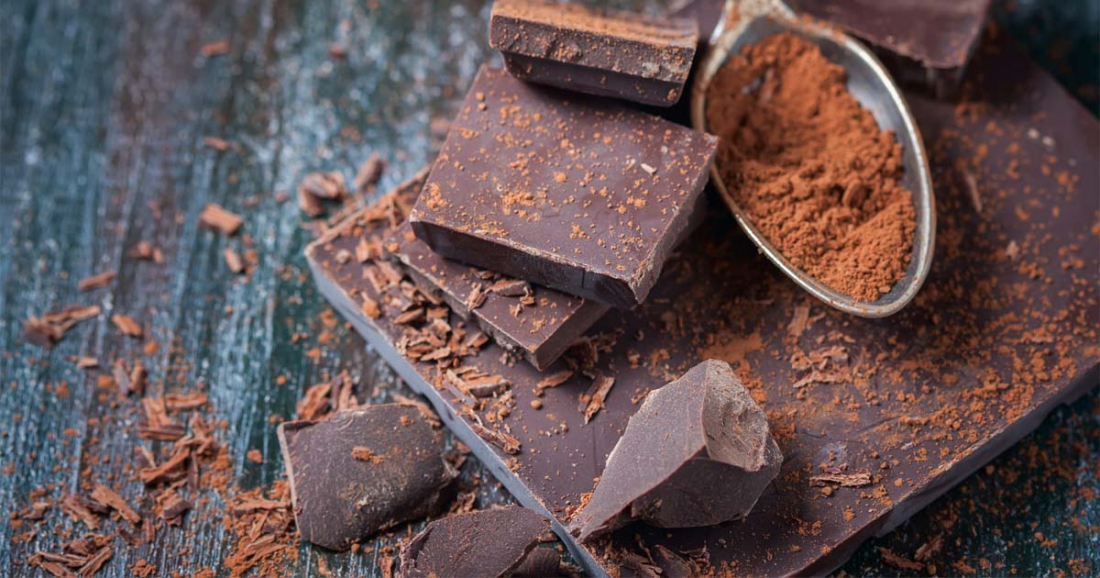
Dark chocolate and cocoa are foods that are rich in flavanoids, antioxidants and also caffeine, substances that are very beneficial for brain health. Flavanoids are plant compounds with strong antioxidant properties. Good news for all chocolate lovers - flavanoids from chocolate accumulate in the areas of the brain that are responsible for learning and concentration. Scientists believe that these compounds may also improve memory and also help slow age-related cognitive decline and mental vitality. The antioxidants in chocolate help protect the body against the effects of free radicals, which can contribute to inflammation and a number of chronic diseases. Chocolate is also used as a treatment for depression. What's more, chocolate also has the ability to improve mood, something that ladies in particular often like to make excuses for. However, all of these benefits only apply to dark chocolate with a cocoa content of more than 70%.
8. Eggs
Eggs are one of the superfoods that should not be missing from your diet. They are a source of many beneficial substances such as vitamins B6 and B12, folic acid and choline. Choline is an important micronutrient that the body uses to produce acetylcholine, a neurotransmitter that helps regulate mood and is important for memory. Studies suggest that higher choline intake leads to better memory, sharpened cognitive function and plays an important role in stroke prevention. Interestingly, studies show that up to 90% of the world's population is deficient in dietary choline. Choline deficiency can manifest itself in memory disorders, impaired muscle coordination and is also considered one of the possible causes of the development of Alzheimer's disease and other mental illnesses accompanied by short and long-term memory impairment.
Adequate choline intake is around 425 mg per day for women and up to 550 mg per day for men, with just one egg yolk containing up to 147 mg. It is logical to deduce that eating eggs may be a good way to supply the body with this important substance. Other important substances for brain health are the B vitamins. For example, these may help slow the progression of mental decline in older adults by reducing levels of homocysteine, an amino acid that could be linked to dementia and Alzheimer's disease.
9. Broccoli
Broccoli is packed with powerful plant compounds, including very important antioxidants. Broccoli is also an important source of vitamin K, one serving of cooked broccoli will supply the body with up to 100% of the daily dose of this important vitamin. Results of studies on adults suggest that higher vitamin K intake is associated with better memory and concentration. In addition to vitamin K, broccoli contains a number of compounds that have anti-inflammatory and antioxidant effects and may help protect the brain from damage. In addition, broccoli also contains choline, which we discussed above. Broccoli is also an important source of vitamin C.
10. Olive oil
Extra virgin olive oil is another food that is very beneficial for brain health. This is because, thanks to its polyphenol content, it has strong antioxidant effects. Olive oil helps improve concentration, memory and can also be a useful weapon in the fight against age-related cognitive decline. According to modern studies, olive oil also helps fight proteins and harmful substances that are toxic to the brain and trigger Alzheimer's disease. Although extra virgin olive oil is very healthy, it does not belong in a hot kitchen because it has a low smoke point and quickly begins to burn and decompose. The best way to consume it is therefore cold - add it to salads, for example, or drizzle it into the dish during the final touches to prevent it from boiling over.
Recommended
Viridian Viridikid Multivitamin
Viridian Milk Thistle
GreenFood Reishi extract
11. Turmeric
We must not forget turmeric, a spice with a typical yellow colour widely used in Indian and oriental cuisine. Thanks to curcumin, a chemical compound found in turmeric, this spice has very strong anti-inflammatory properties. Turmeric also helps to boost antioxidant levels and helps to strengthen the immune system. It also improves oxygen uptake to the brain, increases concentration and helps the brain process information better.
12. Water
It is well known that water is absolutely essential for the health and proper functioning of the body. It will come as no surprise that adequate hydration is also important for proper brain function and mental health. The adult body contains about 60% water. All the cells in the body, including our brain cells, are necessarily dependent on water because they could not perform their basic functions without sufficient hydration. If the body is deficient in fluids, we suffer from fatigue, digestive problems, as well as lack of concentration and bad mood. All neurons and synapses need enough water to function properly. And dehydration is one of the main reasons why memory impairment or a decline in (not only) mental performance occurs. Many studies also point out that a mere 2% loss of water below the usual norm can cause a significant decrease in strength or motivation and can lead to excessive feelings of fatigue. Therefore, we should ensure that our drinking regime is sufficient. Especially if we play sports, the body's demands for hydration increase and we should definitely not neglect sufficient fluid intake, as water is essential for our entire body, including muscles and brain.

What to take away from the article?
The way we eat affects the functioning of our entire body, not excluding the brain, of course. There are, of course, a number of foods that have a positive effect on our mental vitality, memory and concentration, even many more than we have presented in today's article. The most beneficial are foods rich in healthy fats, antioxidants, vitamins and minerals. Some of the better foods for the health of our brain and its proper function include fatty fish, avocados, nuts and seeds, coffee, eggs, and of course, plain water. If you add the mentioned foods to your diet, you will do a service not only to your brain, but to your whole body and its performance in every way.
Sources:
Wysoczański, T., Sokoła-Wysoczańska, E., Pękala, J., Lochyński, S., Czyż, K., Bodkowski, R., Herbinger, G., Patkowska-Sokoła, B., & Librowski, T. (2016). Omega-3 Fatty Acids and their Role in Central Nervous System - A Review. Current medicinal chemistry, 23(8), 816-831. https://doi.org/10.2174/0929867323666160122114439
Bakre, A. T., Chen, R., Khutan, R., Wei, L., Smith, T., Qin, G., Danat, I. M., Zhou, W., Schofield, P., Clifford, A., Wang, J., Verma, A., Zhang, C., & Ni, J. (2018). Association between fish consumption and risk of dementia: a new study from China and a systematic literature review and meta-analysis. Public health nutrition, 21(10), 1921-1932. https://doi.org/10.1017/S136898001800037X
Cappelletti, S., Piacentino, D., Sani, G., & Aromatario, M. (2015). Caffeine: cognitive and physical performance enhancer or psychoactive drug?. Current neuropharmacology, 13(1), 71-88. https://doi.org/10.2174/1570159X13666141210215655
Nehlig A. (2016). Effects of coffee/caffeine on brain health and disease: What should I tell my patients?. Practical Neurology, 16(2), 89-95. https://doi.org/10.1136/practneurol-2015-001162
Ali, S. S., Ahsan, H., Zia, M. K., Siddiqui, T., & Khan, F. H. (2020). Understanding oxidants and antioxidants: Classical team with new players. Journal of food biochemistry, 44(3), e13145. https://doi.org/10.1111/jfbc.13145
Hein, S., Whyte, A. R., Wood, E., Rodriguez-Mateos, A., & Williams, C. M. (2019). A systematic review of the Effects of Blueberry on Cognitive Performance as We Age. The journals of gerontology. Series A, Biological sciences and medical sciences, 74(7), 984-995. https://doi.org/10.1093/gerona/glz082
Klomparens, E. A., & Ding, Y. (2019). The neuroprotective mechanisms and effects of sulforaphane. Brain circulation, 5(2), 74-83. https://doi.org/10.4103/bc.bc_7_19
Bethancourt, H.J., Kenney, W.L., Almeida, D.M. et al. Cognitive performance in relation to hydration status and water intake among older adults, NHANES 2011-2014. Eur J Nutr59, 3133-3148 (2020). https://doi.org/10.1007/s00394-019-02152-9
Grassi, D., Socci, V., Tempesta, D., Ferri, C., De Gennaro, L., Desideri, G., & Ferrara, M. (2016). Flavanol-rich chocolate acutely improves arterial function and working memory performance counteracting the effects of sleep deprivation in healthy individuals. Journal of hypertension, 34(7), 1298-1308. https://doi.org/10.1097/HJH.000000000000092
Li, M., & Shi, Z. (2019). A Prospective Association of Nut Consumption with Cognitive Function in Chinese Adults aged 55+ _ China Health and Nutrition Survey. The journal of nutrition, health & aging, 23(2), 211-216. https://doi.org/10.1007/s12603-018-1122-5
Haam, J., & Yakel, J. L. (2017). Cholinergic modulation of the hippocampal region and memory function. Journal of neurochemistry, 142 Suppl 2(Suppl 2), 111-121. https://doi.org/10.1111/jnc.14052
No posts have been made yet.








