Are you taking too much caffeine? Know the 7 warning signs when caffeine becomes harmful!
 Author:
 We've already discussed the fact that caffeine is the most used stimulant in the world several times. To be sure, it can improve mood, delay the onset of fatigue, increase mental alertness, boost physical performance, and also slightly stimulate metabolic activity. Studies suggest that taking caffeine in reasonable doses is perfectly safe and should not cause any significant problems.
However, the problem arises when we take too much caffeine. This can lead to all sorts of side effects that can seriously compromise our health. In today's article, we will look at the possible negative effects of excessive caffeine intake.
A theoretical window - how does caffeine actually work?
To discuss caffeine in more detail, let's briefly review the basics, i.e. how caffeine actually works. We can ingest caffeine through the consumption of coffee, tea, chocolate, fizzy sodas, pre-workout supplements, fat burners and so on. Shortly after consumption, caffeine enters the bloodstream. From there, it travels to the liver and breaks down into compounds that can affect the function of various organs. The strongest effect of caffeine can be observed in the brain.
There it blocks the effects of adenosine, which is the neurotransmitter that makes you feel tired. The level of adenosine increases during the day and at a certain amount we start to feel tired. The chemical structure of caffeine is very similar to that of adenosine. Therefore, caffeine can bind to its site and block the receptors and consequently delay the onset of fatigue and drowsiness. It can also increase adrenaline levels in the blood and increase the brain activity of the neurotransmitters dopamine and noradrenaline. This combination stimulates the brain, promoting alertness and concentration. Caffeine is often referred to as a psychoactive drug.

The onset of caffeine's effects depends on how full the stomach is and the actual amount of caffeine we have just ingested. Usually, the effects start to appear within a few minutes and then fade away individually, within about 2 to 3 hours. It can take much longer, up to 7 hours or more, for some individuals to eliminate caffeine. This depends on many factors such as body weight, the amount of caffeine ingested and caffeine sensitivity. The truth is, however, that it is very difficult to determine a dose that is "too much" because each of us has a completely different caffeine tolerance.
Some can drink four coffees a day and kick back before a workout without any hassle or negative side effects, others have a problem with one coffee. Additionally, individuals who are not used to caffeine may experience negative symptoms after consuming what is usually considered a moderate dose. Therefore, the level of sensitivity to caffeine will be highly individual and you need to test for yourself how much is optimal for you. Let's take a look at the symptoms that may indicate that your caffeine intake is too high.
1. You suffer from frequent anxiety
As mentioned, caffeine is well known to increase alertness and promote mental activity. It works by blocking the effects of adenosine, a chemical in the brain that makes you tired. At the same time, it triggers the release of adrenaline.
The main function of adrenaline is to prepare our bodies for the stress we experience. Professionally, this is called "fight or flight", which translates to "fight or flight". Higher adrenaline levels are also associated with an increase in energy. At higher doses of caffeine, however, these effects can be magnified, leading to anxiety and nervousness. Anxiety, as a side effect of taking high doses of caffeine, appears among the top four most common side effects resulting from caffeine consumption.
Research says that most people experience nervousness, anxiety and other negative mental symptoms when taking extremely high daily doses of caffeine. For caffeine-sensitive individuals, even much smaller amounts can cause these adverse symptoms. Caffeine has many health benefits, but in large doses it acts as a stressor in the body and can cause nervousness, anxiety or distractibility. If you're experiencing these symptoms, it wouldn't hurt to check your caffeine intake.
2. Having trouble falling asleep or staying asleep
Yes, there can be nothing but sleeping difficulties in the second place. As we already know, caffeine has the ability to stimulate the nervous system and block the effects of adenosine, the hormone that causes fatigue. If caffeine is ingested in the afternoon or evening, or simply too much, problems with falling asleep, the quality of sleep or the quantity of sleep can occur.

Studies suggest that higher caffeine intake actually increases the time it takes to fall asleep. Especially in older people, it can also reduce overall sleep time. In contrast, reasonable amounts of caffeine do not cause any problems with falling asleep or sleep in general in people who are used to consuming it. If you are having trouble sleeping, it may not hurt to look into how much caffeine you actually consume in a day. It's not just in coffee, tea and pre-workout stimulants, but also in sodas, cocoa, chocolate, energy drinks and a lot of other sources you might not look for at first glance.

But the optimal amount of caffeine that won't affect the quality of your sleep is highly individual, and even depends on genetics. The truth is, however, that caffeine consumed later in the day can interfere with sleep because it takes several hours for its effects to wear off. Studies say that caffeine stays in the body for an average of two to three hours, but the time period can range from one and a half hours to nine hours, depending on everyone's individuality. Researchers agree that we need to think about the timing and amount of caffeine we take in per day to avoid negative effects on sleep.
3. Suffering from indigestion of unclear origin
Coffee also has laxative effects, which many of you may have observed if you regularly drink coffee in the morning. The laxative effect of coffee has been attributed to the release of gastrin, a hormone produced by the stomach that speeds up activity in the colon. However, it turns out that caffeine itself stimulates bowel movements by increasing intestinal peristalsis, which makes food move faster through the digestive tract. Given this effect, it is not surprising that large doses of caffeine can lead to loose stools or even diarrhoea in some people.
For a number of years it was even claimed that coffee caused stomach ulcers. However, this has been disproved by numerous modern studies on the subject. However, some studies have suggested that caffeinated beverages may worsen gastroesophageal reflux disease (GERD) in some people. Coffee can really have a profound effect on the digestive system, so if you have digestive problems of unclear origin, think about your caffeine intake and timing with meals.

4. You have developed an addiction to caffeine
For all the positives that caffeine consumption offers, it can also be very easy to become addicted to it. However, there is no such thing as an addiction. Research suggests that although caffeine triggers certain chemicals in the brain similar to drugs (such as cocaine and amphetamines), it does not cause a classic addiction in the way that these aforementioned substances do. Coffee addiction can be physical or psychological, especially at higher doses.

Although caffeine itself does not cause addiction in the true sense of the word, you can become addicted to its effects. If you stop taking it or reduce the dose, you may then experience classic withdrawal symptoms such as headache, moodiness, irritability and also excessive fatigue. These should subside within 2-3 days. Avoid these negative symptoms by keeping your caffeine intake under control. With excessive caffeine intake, withdrawal symptoms are very pronounced.
5. You have problems with high blood pressure
Don't be alarmed. Most people do not experience any negative side effects and caffeine does not increase the risk of heart disease or stroke. However, several studies have shown that it raises blood pressure due to its stimulating effect on the nervous system. Elevated blood pressure is a risk factor for heart attack and stroke because it can damage arteries over time and restrict blood flow to your heart and brain. Fortunately, caffeine's effect on blood pressure appears to be temporary.
However, if you take high or even excessive doses of caffeine over a long period of time, you may develop a high blood pressure problem. If you have a family history of high blood pressure or are already having problems with it, keep an eye on your caffeine intake and keep it under control. Caffeine intake has also been shown to raise blood pressure during physical activity, even in healthy people. So think about the timing and dose of caffeine before your workout, especially if you have problems with high blood pressure, heart palpitations, nausea, dizziness or headaches could occur and disrupt the flow of your workout.
Recommended

6. Are you suffering from unusual heart palpitations
Building on the previous point, the stimulant effects of high caffeine intake can cause faster heartbeats. This can also lead to a change in heart rhythm, called atrial fibrillation, which is particularly seen in young people who have consumed energy drinks containing extremely high doses of caffeine.
However, this effect does not occur in everyone. Even some people with heart problems may be able to tolerate large amounts of caffeine without side effects and any change in heart rhythm. Regardless of the results of any studies, if you notice any changes in your heart rate or rhythm after drinking caffeinated beverages or pre-workout supplements, consider reducing your intake or eliminating them altogether.
7. You are excessively tired
It's not news that coffee, tea and other caffeinated beverages increase energy levels. Are you thinking that I probably misspelled myself in writing the title of this item? No, you didn't. In fact, caffeine can also have the exact opposite effect, especially after we take a suddenly high dose, or the day after we've had a more caffeinated day.
Yes, indeed, it can happen that if you are studying for an exam, for example, or have a bad night's sleep and make up for it by drinking more coffee or some energy drink, your energy levels and alertness will be higher for a few hours, but then the effects will wear off and you will be even more tired than before. Therefore, it is better to take caffeine gradually and avoid taking it in the afternoon to avoid disturbing your sleep.

What is actually a safe dose of caffeine?
Both the US Department of Agriculture (USDA) and the European Food Safety Authority (EFSA) consider a safe daily intake of around 400 mg of caffeine. This represents 2-4 cups of coffee per day. A single dose above 500mg can even lead to a fatal overdose.
However, the optimum will be highly individual. Just beware of large doses of caffeine, as it is not only found in coffee, tea, but is also an essential ingredient in pre-workout supplements and energy drinks. It is in these that it is often present in significant amounts and it is easy to overshoot a reasonable dose and experience negative effects.
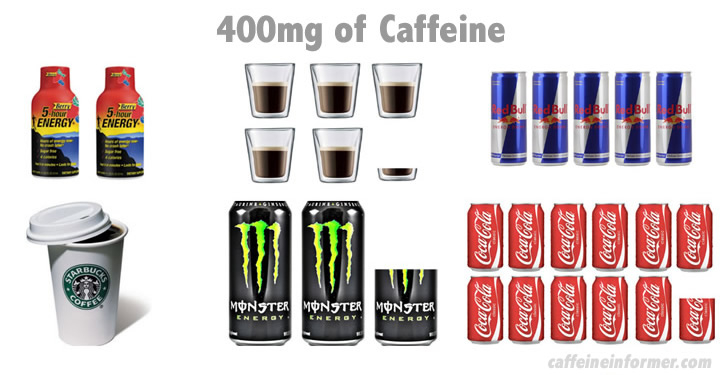
Also beware of combining burners, coffee and pre-workout supplements - all of these stimulants contain caffeine, and if you take them all in a short space of time, it can make you really unwell. If you have a problem with caffeine intake and would still like to use a kicker, choose one that doesn't contain caffeine. For example, Prom-in Serious PRE or Czech Virus M3/S PUMP. Taking a decaffeinated kicker will help you save a good dose of caffeine, which you can then take in a good quality coffee. If an overdose of caffeine occurs, rest, adequate hydration with clean water and medical supervision is recommended if a really high dose is ingested.
What can I take away from this article?
Caffeine is a good servant but a bad master. Its consumption offers us many major health benefits for health, performance, weight loss and mental health, but if we overdo it, negative effects such as anxiety, excessive fatigue, difficulty sleeping, irritability, high blood pressure, heart palpitations and digestive problems can occur.
Caffeine is found not only in coffee and tea, but also in pre-workouts and energy drinks, where it is often present in very significant amounts. Its intake should really be kept in check, as only a reasonable amount offers health benefits.
Sources:
Dunwiddie, T. V., & Masino, S. A. (2001). The role and regulation of adenosine in the central nervous system. Annual review of neuroscience, 24, 31-55. https://doi.org/10.1146/annurev.neuro.24.1.31
Ferré S. An update on the mechanisms of the psychostimulant effects of caffeine. J Neurochem. 2008 May;105(4):1067-79. doi: 10.1111/j.1471-4159.2007.05196.x. Epub 2007 Dec 18. PMID: 18088379.
Mort, J. R., & Kruse, H. R. (2008). Timing of Blood Pressure Measurement Related to Caffeine Consumption. Annals of Pharmacotherapy, 42(1), 105-110. https://doi.org/10.1345/aph.1K337
Temple, J. L., Bernard, C., Lipshultz, S. E., Czachor, J. D., Westphal, J. A., & Mestre, M. A. (2017). The Safety of Ingested Caffeine: A Comprehensive Review. Frontiers in Psychiatry, 8. https://doi.org/10.3389/fpsyt...
Temple, J. L., Bernard, C., Lipshultz, S. E., Czachor, J. D., Westphal, J. A., & Mestre, M. A. (2017). The Safety of Ingested Caffeine: A Comprehensive Review. Frontiers in Psychiatry, 8, 80. https://doi.org/10.3389/fpsyt.2017.00080
Lystrup, R. M., & Leggit, J. C. (2015). Caffeine Toxicity Due to Supplement Use in Caffeine--Naïve Individual: A Cautionary Tale. military medicine, 180(8), e936-e940. https://doi.org/10.7205/MILMED-D-15-00045
Smith A. (2002). Effects of caffeine on human behavior. Food and chemical toxicology : an international journal published for the British Industrial Biological Research Association, 40(9), 1243-1255. https://doi.org/10.1016/s0278-6915(02)00096-0
Watson, E. J., Coates, A. M., Kohler, M., & Banks, S. (2016). Caffeine Consumption and Sleep Quality in Australian Adults. Nutrients, 8(8), 479. https://doi.org/10.3390/nu8080479
Drake, C., Roehrs, T., Shambroom, J., & Roth, T. (2013). Caffeine effects on sleep taken 0, 3, or 6 hours before going to bed. Journal of clinical sleep medicine : JCSM : official publication of the American Academy of Sleep Medicine, 9(11), 1195-1200. https://doi.org/10.5664/jcsm.3170
Nwokediuko S. (2009). Gastroesophageal Reflux Disease : A Population Based Study. Gastroenterology research, 2(3), 152-156. https://doi.org/10.4021/gr2009.05.1291
Juliano, L. M., Huntley, E. D., Harrell, P. T., & Westerman, A. T. (2012). Development of the caffeine withdrawal symptom questionnaire: caffeine withdrawal symptoms cluster into 7 factors. Drug and alcohol dependence, 124(3), 229-234. https://doi.org/10.1016/j.drugalcdep.2012.01.009
Temple, J. L., Ziegler, A. M., Graczyk, A., Bendlin, A., Sion, T., & Vattana, K. (2014). Cardiovascular responses to caffeine by gender and pubertal stage. Pediatrics, 134(1), e112-e119. https://doi.org/10.1542/peds.2013-3962
Laskowski, L. K., Henesch, J. A., Nelson, L. S., Hoffman, R. S., & Smith, S. W. (2015). start me up! Recurrent ventricular tachydysrhythmias following intentional concentrated caffeine ingestion. Clinical toxicology (Philadelphia, Pa.), 53(8), 830-833.
No posts have been made yet.