





Focus on drinking - how much should we drink in a day?
 Author:
 Drinking is another frequently discussed issue, and not just healthy eating. And why not, when water makes up about 60% of the weight of the human body. However, opinions on how much water we should IDEALLY drink vary quite a bit. There are about a million opinions, a million gadgets, a million calculators, and each one will give you a different answer. So what's the deal with water and is there even such a thing as an "ideal drinking regime"?
Water is essential for survival. It helps the organs function properly, especially the kidneys. Drinking enough water also aids better digestion of nutrients, and it has even been suggested that it can promote calorie burning - we'll look at some of the statements about water in more detail later. For athletes, water is one of the most important aspects. This is because dehydration can lead to a slight decrease in performance.
Article content:
- What's the deal with coffee, does it belong in your drinking regime or not?
- What does water actually do in the body?
- Drinking and the effect on weight loss
- Is there any connection between drinking, fatigue and brain function?
- How to find out your optimal fluid intake?
- Conclusion
You've probably also read on some smart website that an adult should ideally drink around 2 - 3 litres of water, or even the advice of "experts" who say you should drink almost continuously, regardless of feeling thirsty, which we'll talk about later. Either way, both of these figures are completely nonsensical, or globally nonsensical. How much water you need is a highly individual matter, as are all aspects of nutrition. The amount of water required by the body is influenced not only by physical disposition, but also, for example, by climate or sporting activity.
Keep in mind that it is not only water that counts in your drinking regime, but also other beverages that you take in during the day - for example BCAAs, teas, mineral water, smoothies, proteins and last but not least, many foods also contain more water, thus helping to hydrate the body. For example, fruit, vegetables but also meat, fish and eggs.
What about coffee, does it belong in the drinking regime or not?
There is a big myth about coffee drinking and drinking habits. The statement that caffeinated beverages (such as coffee or tea) do not count towards daily fluid intake because caffeine has diuretic effects, which means it dehydrates the body, is well known and often repeated. However, studies show that the diuretic effect of beverages such as coffee and tea, in reasonable quantities, do not have a significant effect on the body's dehydration and it is therefore perfectly fine to count them in the intake.
What does water actually do in the body?
You already know that water is essential. That it is essential not only for human life, but for life in general, will probably not surprise you either. Adequate fluid intake is important, for example, as a prevention against constipation, headaches, kidney stones and other health complications. Adequate hydration is also very important for the skin to make it more supple, clearer and can even improve the appearance of cellulite. And now to sports - Why is water so essential for athletes anyway?
- Water is a component of all tissues, muscles, brain, blood and also bones.
- Water removes carbon dioxide from the muscles.
- It transports glucose and oxygen throughout the body.
- It regulates body temperature.
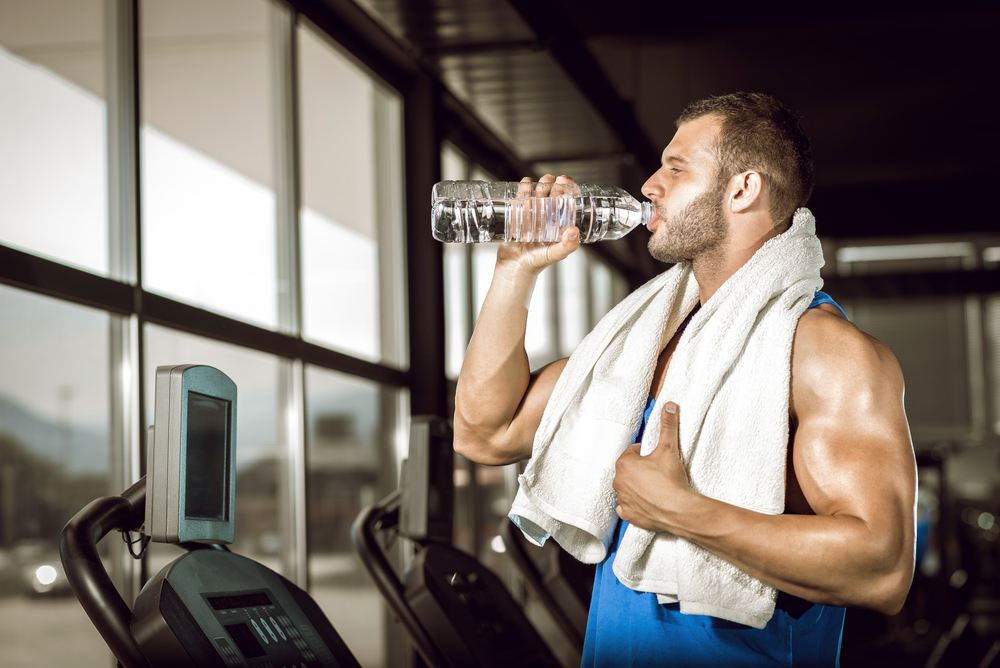
You may find it unnecessary to mention the importance of water intake during workouts, but research suggests that up to 50% of people who regularly visit gyms do not drink enough during their workouts. This is because during exercise, the body heats up, causing us to sweat. Sweating is the body's "cooling system" that it uses to bring the temperature back down to normal. If the body is dehydrated during exercise, performance may be reduced, which is more common than you might think.
Drinking and the effect on reduction
One of the first recommendations you get for reduction is to drink enough water. There are indeed studies that confirm this effect, but it is by no means significant, lest you think God knows what. Some of the studies report that drinking two litres of water can increase your daily energy expenditure by up to 96 kcal ( but you know how - individual by individual). If you're looking to at least slightly boost your weight loss impact, it's important that the water you drink is cold. The undeniable benefit of drinking more water is that it helps keep you fuller. Plus, you're familiar with the saying "hunger is thirst in disguise" and that's exactly how it applies. It's often the case that we think we're hungry when we're really just dehydrated.
Another well-known fact is that drinking before meals helps to reduce the total amount of calories consumed. In general, it seems that drinking a reasonable amount of water (especially before meals) can have a significant effect on weight loss, but of course this is only true if you follow a healthy diet at the same time. Adequate hydration is also very important for quality sports performance. But it is of course necessary to follow a drinking regime even outside of training! A sufficient fluid intake throughout the day will ensure that your body is sufficiently hydrated even during training.
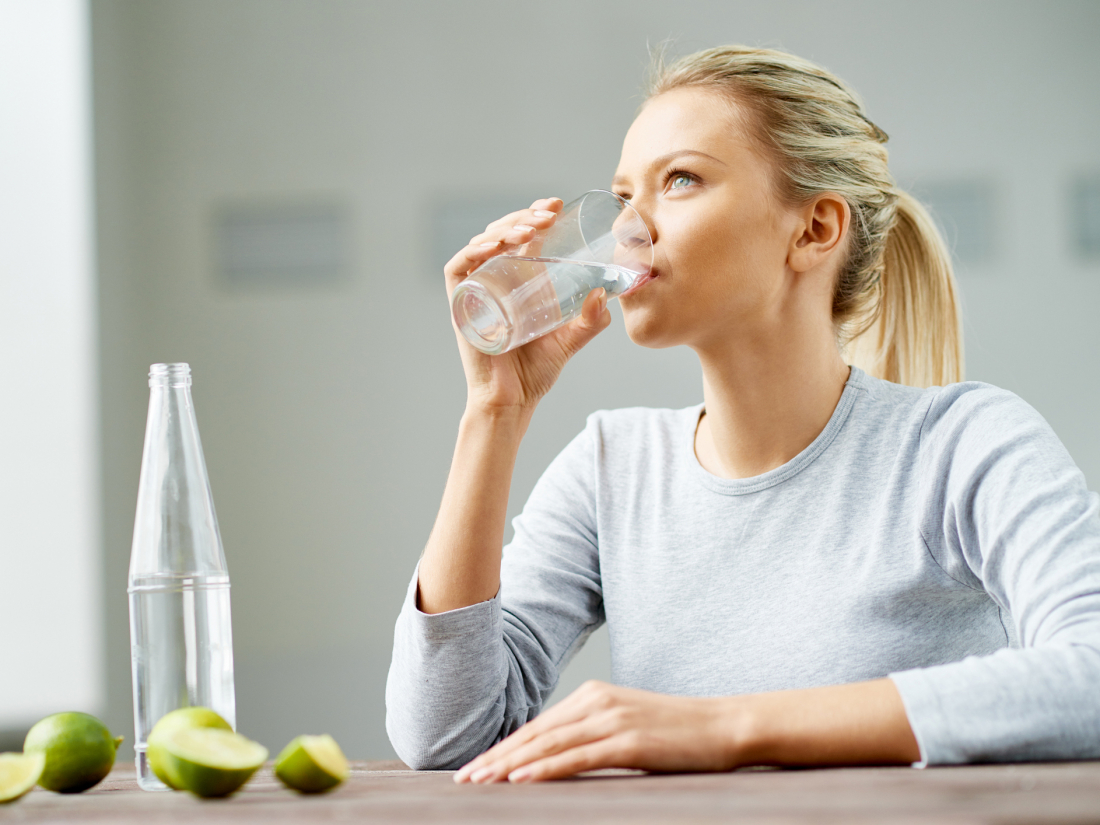
So, does water have any effect on weight loss? Yes, it does. Although it may sound like nonsense to you, the moment you drink too little, your body starts to "store" water (just like fat when you restrict your calorie intake too much) in case it's not enough, making you more swollen, fuller and bulkier. What you think of as "excess fat" may actually be water, and it's a sign that you're not drinking enough. The solution may sound surprising - start drinking more! Because then your body won't need to store water. Ultimately, your body will "dump" the stored stores and you may actually lose some pounds.
Is there any connection between drinking, fatigue and brain function?
If you don't pay enough attention to keeping your body hydrated during the day, you may experience more fatigue, lack of focus or even headaches. This statement is supported by the findings of many studies. However, it is important to remember that even just 1% of body weight represents a relatively large amount of water. The body loses this amount of fluid especially when you sweat a lot, for example when exercising or in hot weather. Mild dehydration can also negatively affect sports performance, especially in terms of reduced endurance. There are also other studies that confirm that mild dehydration (i.e. fluid loss equivalent to 1 - 3% of total body weight) due to exercise or heat can negatively affect a bunch of brain functions and can cause concentration disorders, mood swings, irritability and, last but not least, headaches.
How to find out your optimal fluid intake?
Maintaining fluid balance in the body is essential for survival. Thankfully, the human body is a "magic machine" equipped with an internal mechanism that regulates how often and how much we need to drink. If the body's water level falls below a certain threshold, which is anything but individual, afeeling of thirst sets in, which is the most important factor when it comes to drinking. Thirst is actually something that works independently of our will. It is simply an "innate" function of the body, much like breathing. Even the loss of the aforementioned 1% of water from the body is enough to induce a feeling of thirst.
And now we finally get to the point. Most people do not have to worry about water intake. Thirst is what should guide you in your search for optimal water intake. This mechanism is very reliable and has allowed people to survive for a long time. Every rule, whether it is 8 glasses, two liters, or any other SPECIFIC statement, is in no way scientifically proven and therefore cannot be considered universally valid.
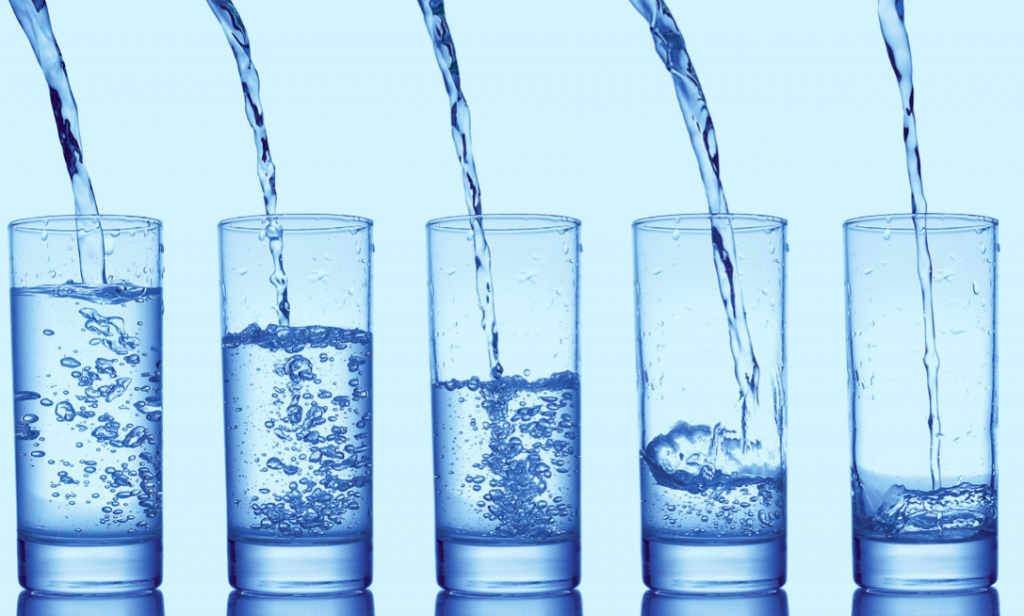
Of course, there are situations where it is necessary to increase your water intake, regardless of whether you are thirsty or not. This is especially the case when performing physical activity, warm weather or other situations where the body is warmed up and sweating occurs. We've already covered why we sweat above. Higher fluid intake is also needed if you consume alcohol, which HEAVILY DEHYDRATES the body. Pregnant and breastfeeding women should also have a higher intake, and the elderly should also be cautious, as research suggests that the thirst mechanism ceases to function with age - i.e. the elderly may not actually experience thirst at all.
Conclusion
There is NO GENERALLY VALID SPECIFIC QUANTITY on how much water to actually drink. A more sensible recommendation, which at least takes into account physical disposition, is to drink about 30-40 ml per kilogram of body weight. However, how much water your body needs is a highly individual matter. Some individuals benefit from an increase in their daily water intake, enabling them to function better, while for others, a higher intake of water presents difficulties - a full belly, frequent urination, etc. You simply have tofind your own optimal intake, but at the same time it is not something you should be intensely concerned about. In short, drink when you are thirsty. Do not force yourself to drink excessively, but in situations such as warm weather or sporting activity, you should make sure that you take in enough fluids to prevent conditions such as headaches, fatigue, dehydration.
There is no such thing as a UNIVERSAL optimal amount of water to take in. For some people 2 litres is fine, for others not enough, for others too much. Everyone's optimum is different as it depends on many factors surrounding us. Just like eating, drinking should be intuitive. Orient yourself according to your body and the feeling of thirst rather than general advice.
Recommended
Viridian SPORTS Electrolyte Fix
Sources:
https://academic.oup.com/jcem/article/88/12/6015/2661518
https://www.ncbi.nlm.nih.gov/pmc/articles/PMC3678789/
http://www.nationalacademies.org/hmd/Reports/2004/Dietary-Reference-Intakes-Water-Potassium-Sodium-Chloride-and-Sulfate.aspx
https://onlinelibrary.wiley.com/doi/full/10.1002/oby.21167
https://www.ncbi.nlm.nih.gov/pubmed/16770361
https://www.ncbi.nlm.nih.gov/pubmed/18589036
https://www.ncbi.nlm.nih.gov/pubmed/22190027
https://www.ncbi.nlm.nih.gov/pubmed/11022872
https://www.ncbi.nlm.nih.gov/pubmed/9039003
No posts have been made yet.








