





Excessive water retention in the body - 6 tips to get rid of it
 Author:
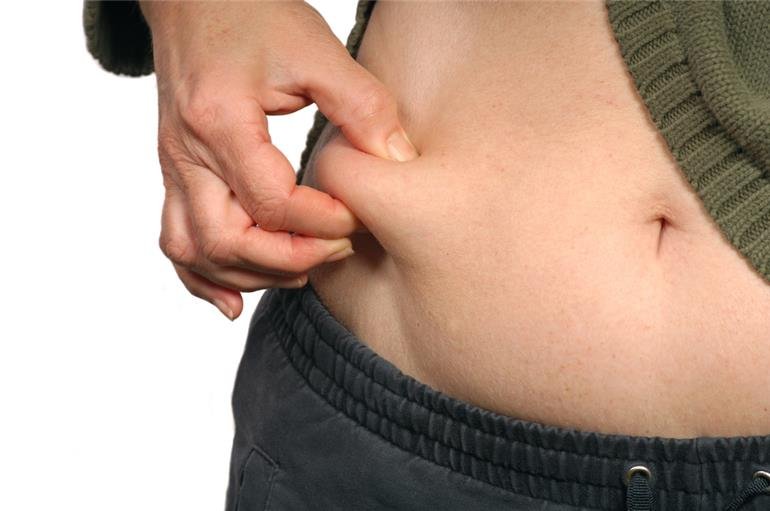
 Many of us struggle with excessive water retention in the body and often we may not even be aware of the problem. Do you feel constantly swollen and unable to lose weight? Maybe this is the case for you. Here are 6 study-based tips to get rid of excess water in the body.
To begin with, excessive water retention in the body may not be just a "cosmetic" problem, it can also be a symptom of a serious medical condition such as kidney failure, if you have this problem to a large extent for a long time, see a doctor. Not only poor lifestyle or lack of exercise, but also certain types of medication (e.g. antidepressants, hormonal contraceptives, high blood pressure medication) play a role - in this case, consult your doctor about possible alternatives - for example, women can choose low-hormone contraceptives containing the hormone drospirenone, which prevents water retention in the body.
Article content:
- Consume less salt
- Increase magnesium intake
- Increase your intake of vitamin B6
- Eat foods rich in potassium
- Try dandelion extract
- Avoid refined carbohydrates
1) Consume less salt
Processed foods contain high amounts of salt, if you consume them too often, your body may retain water. If you're into healthy living, you're certainly careful about the composition of your diet and don't add unnecessary salt to your food, but even some of the healthiest foods can be high in sodium - for example, cheesecakes, wholemeal bread, tinned tuna and cottage cheese.
Several studies have confirmed the theory that a high sodium diet leads to water retention, but on the other hand, there is also a study that followed 32 healthy young men and found that increased sodium intake did not have a significant effect on water retention. So, according to the researchers, it may also depend on the individual.
2) Increase magnesium intake
Magnesium is a very important mineral and is involved in over 300 enzymatic reactions that maintain bodily functions. Increased magnesium intake can help against water retention in the body. Studies looking at groups of women have found that consuming 200 mg of magnesium a day can reduce water retention, which tends to be part of premenstrual syndrome. Good sources of magnesium include nuts, dark chocolate and leafy greens. There is also magnesium in the form of a dietary supplement.
3) Increase your intake of vitamin B6
Vitamin B6 is important for red blood cell production and many other bodily functions. Vitamin B6 can help reduce water retention, especially in women with premenstrual syndrome. Foods rich in vitamin B6 include bananas, potatoes, nuts and meat.
4) Eat foods rich in potassium
Potassium is a mineral found in the human body mainly inside cells and provides many of the body's functions. Among other things, it helps against water retention by increasing urine production and reducing the amount of sodium in the body. Bananas, avocados and tomatoes, for example, are high in potassium.
5) Try dandelion extract
Dandelion(Taraxacum officinale) is an herb that has been used for years as a natural diuretic in folk medicine. In one study, volunteers were given 3 doses of dandelion leaf extract over 24 hours and then their fluid intake and output was monitored. The results showed that over the following days, the research participants experienced a significant increase in urine production, confirming that dandelion extract (dandelion leaf extract, to be precise) can serve as an effective diuretic.
6) Avoid refined carbohydrates
Consuming refined carbohydrates leads to a rapid rise in blood sugar. High insulin levels increase sodium reabsorption in the kidneys, leading to an increase in the volume of water inside the body. The most well-known refined carbohydrates include white sugar and white flour.
More tips on potentially effective ways to reduce water retention in the body (based on circumstantial evidence only, not large-scale studies):
- Movement - can help reduce water accumulation, especially in the lower limbs.
- Drinking - increasing fluid intake can paradoxically help against retention.
- Horsetail, parsley, garlic, fennel, nettle, cranberry juice - act as natural diuretics which have been widely used in folk medicine. You can try, for example, nettle tea.
Recommended
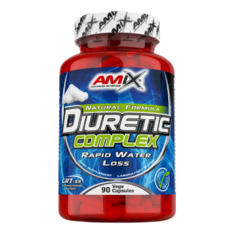
Amix Diuretic Complex
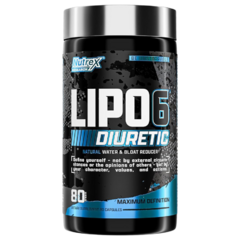
Nutrex Lipo 6 Black Diuretic
[Image and information sources: ncbi.nlm.nih.gov/pubmed, authoritynutrition.com, pixabay.com, photoworld.com.cn, terawarner.com]
No posts have been made yet.








