





We'll give you eight tips to help you combat lower back pain!
 Author:
 All of us have experienced low back pain at least once in our lives. This pain can even be so unpleasant that it can put us out of our normal lives for days. Lower back pain is not just a symptom of getting older, but the lumbar region is very often overloaded, especially in people who are into fitness and lift heavier weights, and the pain is a kind of warning before it is completely overloaded. Hip pain can be multifactorial - physical, lifestyle and psychological factors all have an impact.
In fact, it is estimated that up to 80% of adults suffer from recurrent back pain and in America, for example, it is considered one of the most common reasons people seek medical attention. Lower back pain can be mild to very severe depending on its underlying causes, how long it has gone untreated and the state of your overall health. Lower back pain is very complicated and may not be the result of acute tissue damage or injury. However, it is very common that once you experience pain, it can develop into chronic pain, even after you have treated the acute problem carefully. Pain in the lumbar region can be caused by many factors ranging from stress, sedentary lifestyle, illness, age, or lifting heavy loads.
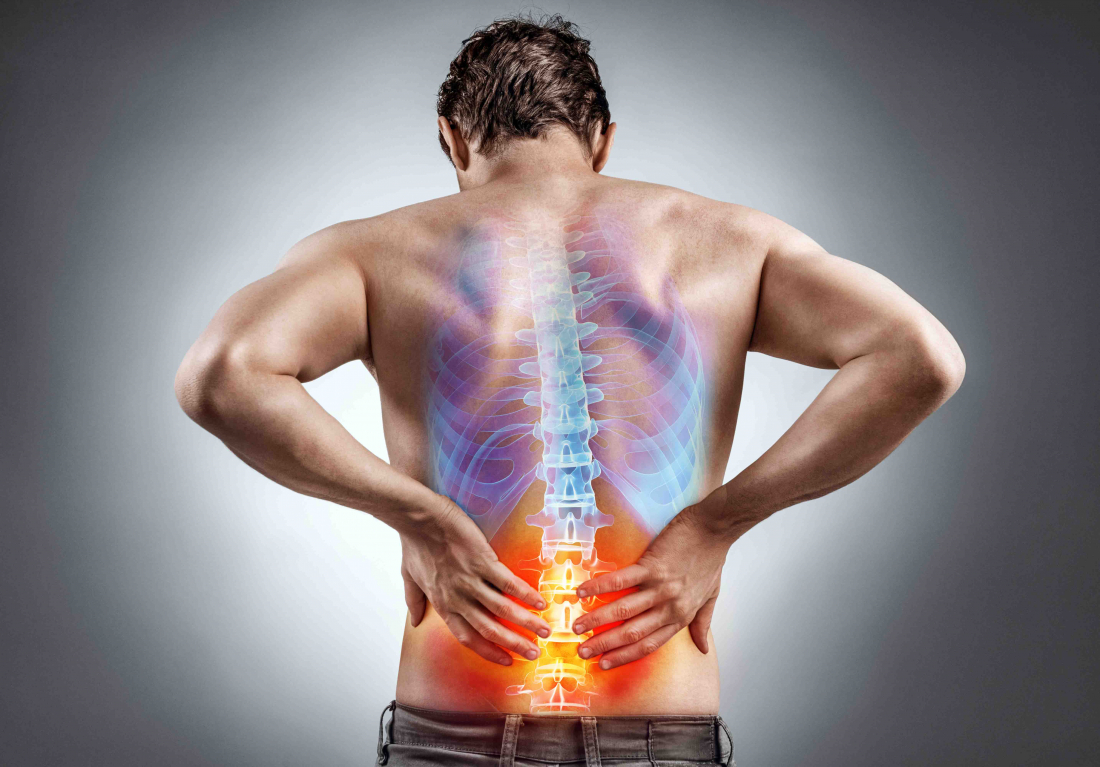
Before you decide to reach for medication, let's talk about what healthy habits you can adopt to alleviate back pain or eliminate it altogether.
1. Focus on posture
One of the most common reasons why people suffer from back pain is poor posture. Okay, think about how you are sitting at your computer right now as you read this article? Hmm? How many of you have straight backs? Well, I bet most of you are hunched over your desk or sitting with your phone in your hand and your head slumped between your shoulders. Same thing when you're standing - not just when you're working out at the gym, but throughout the day we should focus on walking straight and not slouching too much at the computer. This is because if you sit or stand with your head packed between your shoulders, you put a huge strain on your back and neck muscles. With poor posture, the spinal extensor muscles are under constant strain as they try to pull the body against the forward lean, and if they do this long term, they easily become exhausted, overworked and logically sore. Prolonged uneven loading on the back, postural problems and abnormalities of the spine, incorrect sitting or posture, general inactivity and inappropriate lifting of heavy objects gradually lead to impaired support function, muscle stiffness and long-term oppression of the back nerves, accompanied by recurrent severe pain. How to prevent this? To prevent recurrent back pain, you need to do even the most primitive activities correctly.
2. Strengthen the centre of the body
Another great prevention and relief from back pain is strengthening the middle of the body. The deep inner muscles (otherwise known as "core") are a part that people very often completely neglect. Yet a strong midsection is important for most other core exercises, and a strong "core" will not only help you build strength, perform better and lift heavier weights, but it is also a very effective prevention against injury and back pain. Core is more than just a fancy sixpack! Although most people think of the term core(the deep stabilization system too) as just a chiseled sixpack, in reality the deep internal muscles are made up of over 30 different muscle groups. Abdominal muscles, back extensors, pelvic floor muscles and gluteal muscles.

The aforementioned mid-body muscles act as stabilizers for the entire body, as is logical from the term deep stabilization system. The goal of training is simply to do specific exercises to develop and strengthen these stabilizers. If any of these core muscles are weakened, it can result in lower back pain and other negatives. Incorporating CORE training into your workout routine is essential for improving posture, increasing functionality and balance, reducing the risk of injury, and strengthening the muscles surrounding the spine provides better support for the back, which can reduce the frequency and intensity of back pain.
3. Don't sit on your butt all day
Do you have a sedentary job? Musculoskeletal disorders associated with back pain are one of the most common causes of hospitalisation and disability in the country. The cause of simple back pain in most cases is an unhealthy lifestyle and in particular sedentary employment and sedentary lifestyle in general. Sitting is the most common static position today and sedentary lifestyle is one of the main causes of back pain. Even sitting properly puts a strain on the spine if it is prolonged, so change your position at least once an hour, stand up, take a walk, ideally even exercise or stretch for a while. Take the stairs to your colleagues on the upper floor and walk to your lunch, killing two birds with one stone - you'll stretch your back, get energy from the sun and get some fresh air.
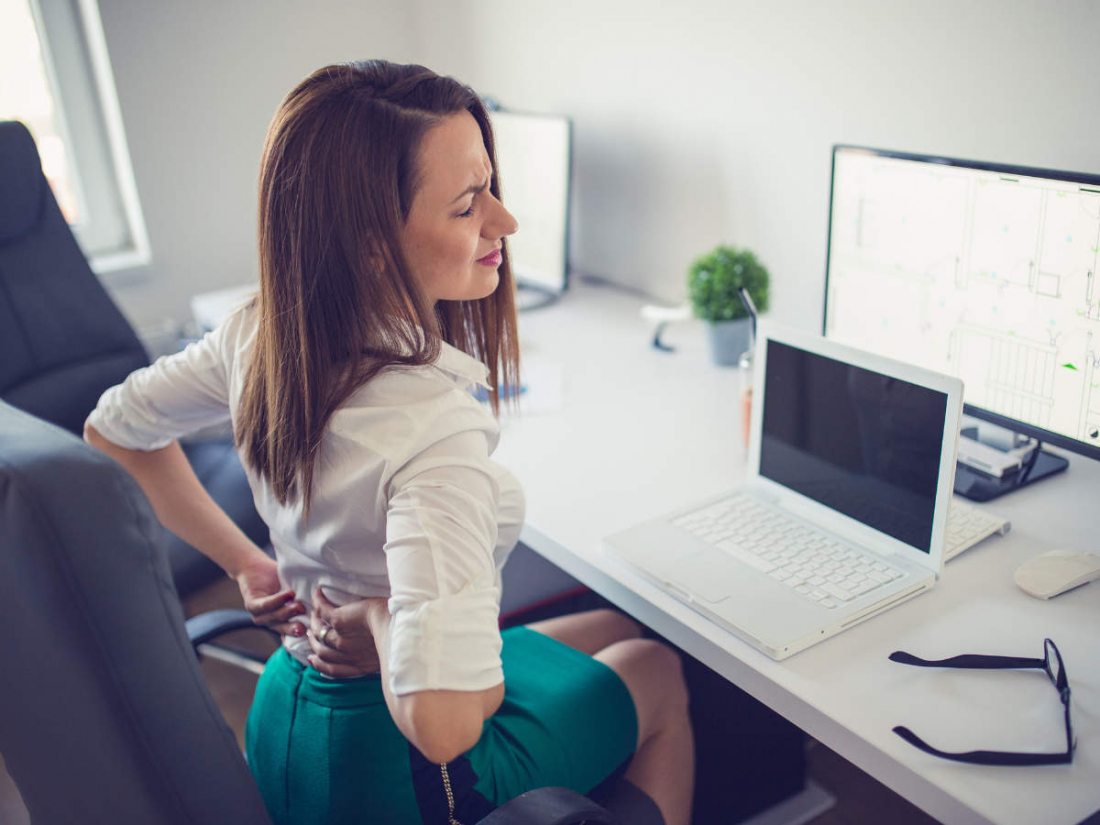
You can also try padding your legs with a wedge while you sit, which will give your back (and your lower legs) some relief. Lower back problems are often associated with hip overload (coxarthrosis). In this case, it is advisable to prop up the stool with a wedge, as the raised part of the stool will improve the correct kneeling of the pelvis and increase the angle that the trunk and thighs take in relation to each other. This will relieve and reduce the soreness of the lumbar joints as well as the lumbosacral spine. You can also take advantage of dynamic sitting on a gymnastic ball. However, you should not sit on the ball for more than two hours at a time.
4. Keep moving!
Do you come home after work and fall straight to the TV? Then you're not helping your back! Go for exercise instead. By choosing the right exercise, you can not only prevent back pain, but also reduce and control it. You should exercise for at least 20 minutes every day to compensate for the muscular imbalances that arise from sitting. On the other hand, be careful with dynamic sports that put extreme stress on only one half of the body, sports with a fast start, rebounding (volleyball, basketball) or sports on hard surfaces.
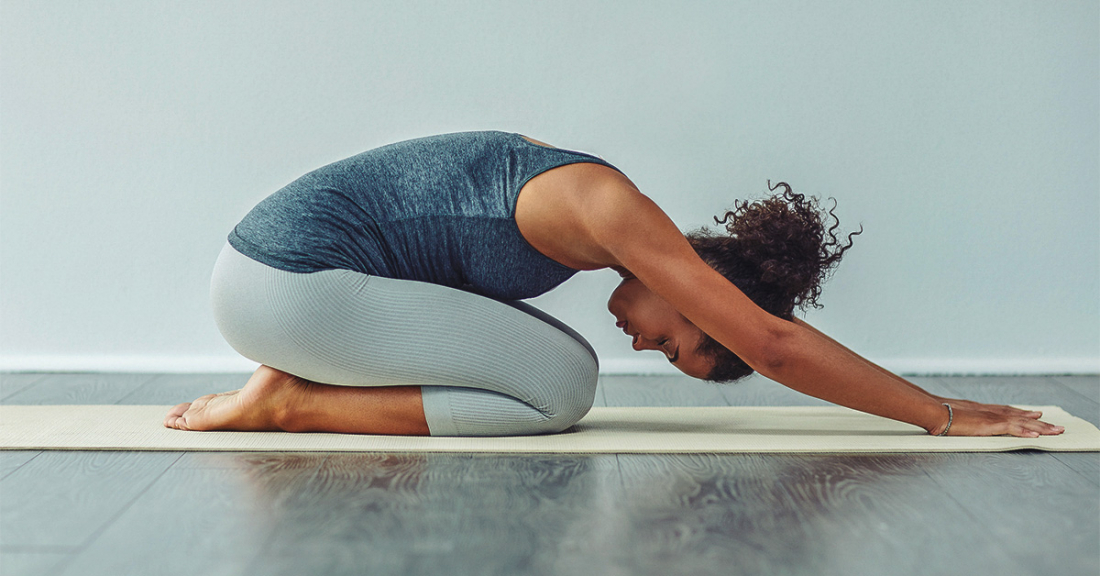
One of the most suitable movements is simple walking, light cycling or swimming as the most gentle bending for the musculoskeletal system. Other suitable activities for back pain are yoga and pillates, which are also considered rehabilitative exercises. Movement is important for health in general and is a significant prevention of back pain as well as a heap of other health negatives.
5. Learn proper exercise technique
If you work out in a gym, proper exercise technique is pivotal, not only for evenly loading the body, but also as injury and pain prevention. It is absolutely essential that you keep your mid-body and back strengthened while lifting weights and that you learn to engage the correct muscles. Whether you're going for deadlifts, overhead presses, or just laying down the dumbbells, taking out the dishwasher, or picking up groceries, make sure your back is straight and your mid-body is braced. If you don't know your technique, ask a more experienced friend or a trainer for help. Always choose a reasonable weight when exercising so that you are able to perform the exercise technically correctly. Proper exercise technique is a great prevention against pain and injury and should definitely not be underestimated.
Recommended

Amix Isoprime CFM

Nebbia Dlouhá everyday HERO mikina s kapucí 580
HMS AirBike MP6540
Nebbia Slim fit legíny s kapsami SLEEK 482
6. Stretch yourself
Back pain can be caused due to muscle tension. The hip flexors, hip rotators, hamstrings and quadriceps are collectively to blame. Overstretched pectoral muscles around the shoulders (hello gentlemen who do the bench press 5 times a week) can also be to blame, causing you to lean forward and creating an uneven stance. No matter what part of your body you exercise, stretch! No rushing and making excuses that you don't need to stretch. Not only will it help relieve post-workout soreness, but it will also significantly speed up recovery.
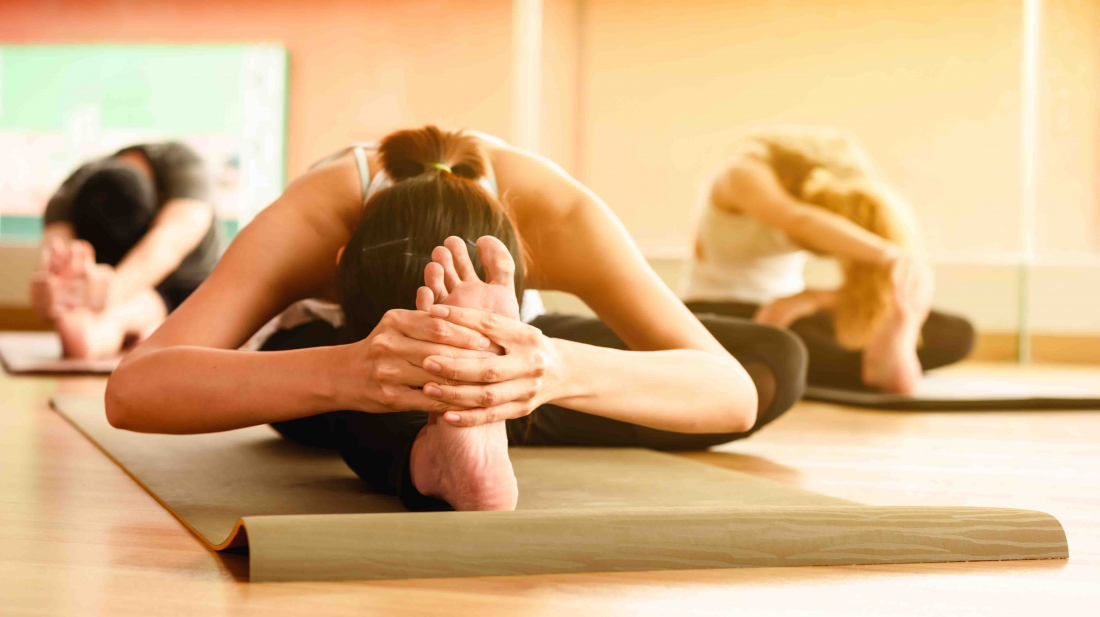
Stretching is an excellent prevention against back pain and will also increase your flexibility. Stretching before and after training promotes performance and recovery in several ways, such as increased blood flow, improved flexibility, and also increased mental concentration. Try incorporating some form of dynamic movement before your workout to warm up your muscles and prepare them for the load. You can use a foam roller or active recovery after your workout .
7.Learn to sleep in the correct position
Back pain can develop even with something as seemingly innocuous as sleep. It can be caused by a poor quality mattress, mattress or pillow, an open window, but also by the positions in which we sleep. For example, sleeping on your stomach is one of the most common causes of lower back pain. This is because sleeping on the stomach flattens the natural curvature of the lumbar spine, increasing pressure on joints and vertebrae and causing unhealthy strain on the ligaments of the back. If you love sleeping on your stomach and can't fall asleep any other way, try placing a small pillow under your stomach to relieve the pressure on your lower back.
The other problematic position is the one on your side, but it is slightly better than sleeping on your stomach. Even for those who love sleeping on their side, we have a little tweak that can help relieve back pain - put a smaller pillow between your knees. This will give your lower back extra support and reduce the risk of developing pain. Alternatively, you can get a pregnancy pillow, which is a very effective tool for people with back pain. So the best position is logically the supine position. If your back hurts even when you sleep in this position, focus on the quality of your bed - mattress, mattress and pillow.

8. Regular massage and physiotherapist visits
Finally, we must not forget the benefits of regular massages. According to one comprehensive study that analysed the results of 13 different clinical trials looking at chronic low back pain, massage can be a very beneficial treatment for patients with acute and chronic low back pain, especially when combined with additional exercise and treatment. At the same time, massage helps to increase blood flow to the muscles, which is an effective prevention against muscle shortening.In addition, massage can increase joint range and can have an effect on flexibility. Of course, all the benefits only apply if you attend the treatment regularly. In case of long-term lower back pain, there is no harm in visiting a physiotherapist who will recommend exercises that will help you relieve your back pain and help you find the cause and solution to your long-term problems.
What can you take away from this article?
Lower back pain is not uncommon and plagues a huge proportion of the population. If you don't want to resort to medication, try some of our tips - take regular exercise, learn the correct exercise technique, strengthen your mid-body, avoid sitting for long periods, work on sleeping in the optimal position and don't forget to keep your posture correct! If your back pain has been bothering you for a long time, do not hesitate to visit a physiotherapist who will surely help you quickly.
Sources:
http://www.ninds.nih.gov/Disorders/Patient-Caregiver-Education/Fact-Sheets/Low-Back-Pain-Fact-Sheet
www.bezbolestizad.cz
https://www.ncbi.nlm.nih.gov/pubmed/18843627
https://www.mayoclinic.org/diseases-conditions/back-pain/multimedia/sleeping-positions/sls-20076452?s=1
https://annals.org/aim/fullarticle/1033130/yoga-chronic-low-back-pain-randomized-trial
https://health.clevelandclinic.org/sleep-position-causing-back-pain/
https://www.acatoday.org/Patients/What-is-Chiropractic/Back-Pain-Facts-and-Statistics
https://ard.bmj.com/content/73/6/975
No posts have been made yet.








