





Summer is here! How to get a perfect and healthy tan?
 Author:
 Temperatures are slowly but surely starting to climb towards the tropics, summer is knocking on the door and with it a lot of typical summer activities. Holidays, barbecues, swimming, outdoor sports and also sunbathing. Today, we're going to look at tanning in more detail - we'll tell you what to look out for when sunbathing, how to protect yourself adequately, what foods, vitamins and minerals to add to your diet to make your tan last longer and how to take care of your skin in general.
How to protect yourself and what to look out for?
It's important to remember at the outset that more is not better when it comes to sun exposure and that there are guidelines to follow. It is definitely advisable to regularly apply a cream with a sufficiently high SPF factor all over the body. The SPF number indicates the degree of protection from harmful UVB rays. The SPF value used then determines how much of the harmful radiation can reach the skin. It is really crucial to use the cream because the action of UV rays on our skin can cause acute problems such as sunburn, but also problems of a more serious nature such as loss of elasticity, faster skin aging or melanomas.

So what about the SPF factors in practice? For example, SPF 10 lets in 1/10th of ultraviolet rays, SPF 50 lets in 1/50th, capturing around 98% of the rays. In our conditions, it is recommended to use SPF 20-30 products, and in warmer areas, or in the case of sun-sensitive individuals, even SPF 50+ creams, which can be applied to the face even if you don't have any problems with sun exposure. Don't forget to lubricate parts of the body that are prone to sunburn - ears, neck, top of head, toes, etc. It's also a good idea to protect your eyes with good quality sunglasses and your head with a hat, cap or scarf. If you go swimming, remember to reapply sunscreen to your body as some of the cream may wash off when you are in the water. For the first and certainly not the last time, it is extremely important to drink while you are out in the sun, especially if you play sports in the sun.

What are the benefits of sunbathing?
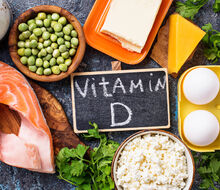
Let's start by talking about the benefits of sun exposure, because there are quite a few. If you read our website regularly, you will probably have no problem guessing the biggest benefit of all, which is the replenishment of the all-important vitamin D. Vitamin D, despite its relatively easy availability, is deficient in a large part of the population. In fact, vitamin D is very difficult to obtain from diet alone, and the best source is sunlight. Given how little time our generation spends in the fresh air due to working or playing on the computer, vitamin D deficiency is so widespread. While vitamin D is found in fatty fish, egg yolks, some dairy products and supplements, supplementing it through sun exposure has other benefits. The main ones include:
- Better mood. It's well known that the sun has a positive effect on our mood and can really energize us. Sunlight triggers the release of the hormone serotonin in the brain, and this can actually have a positive effect on our mood. Regular exposure to the sun is therefore a great prevention against the development of depression and anxiety.
- Sunshine for better sleep. The sun has a lot to offer when it comes to sleep too. In fact, exposure to the sun can help regulate circadian rhythms and promote the mechanics of falling asleep, as the body naturally becomes sleepy when the sun goes down.
- Stronger bones. Vitamin D helps the body absorb calcium, which leads to stronger bones and can help prevent osteoporosis and arthritis.
- Support for a strong immune system. Vitamin D is a key nutrient for overall health, so it's no surprise that it's also essential for strong immunity. It helps the body fight disease, including heart disease, muscular sclerosis, as well as the "common" flu and some autoimmune diseases, or even cancer.

It's also good to mention that you don't just have to sunbathe lying down, but that a super way to catch some of that bronze and energy from the sun is with some outdoor activity. Get on your bike, go skating, slip on your sneakers and go for a run, or maybe go out for a game of volleyball with friends. The warm weather is perfect for outdoor activities and it's a shame not to take advantage of it! You'll combine the pleasant with the useful - besides clearing your head, getting vitamin D, getting a nice tan, and doing something for your figure and overall health. And that's worth it.
What nutrients should we rely on if we want a good and healthy tan?
Almost every other article mentions that how we eat affects not only how we look, but also how we feel, how productive we are, how we perform in the gym... so it will come as no surprise that there are foods that are rich in substances that can help us get a better, healthier, better tan. What are they?
Beta-carotene
You've probably heard about the tanning benefits of beta-carotene, as it's featured in just about every magazine every year. And it's no coincidence that beta-carotene (provitamin A) can actually help a healthy tan quite significantly. Beta-carotene belongs to the carotenoid family, which has strong antioxidant properties. Beta-carotene helps the skin to scavenge harmful free radicals that can be produced by UV radiation. As a result, beta-carotene provides the skin with protection against oxidative stress, which can (among other things) cause increased wrinkling and premature skin aging. However, this certainly doesn't mean that beta-carotene is enough to replace sunscreen.
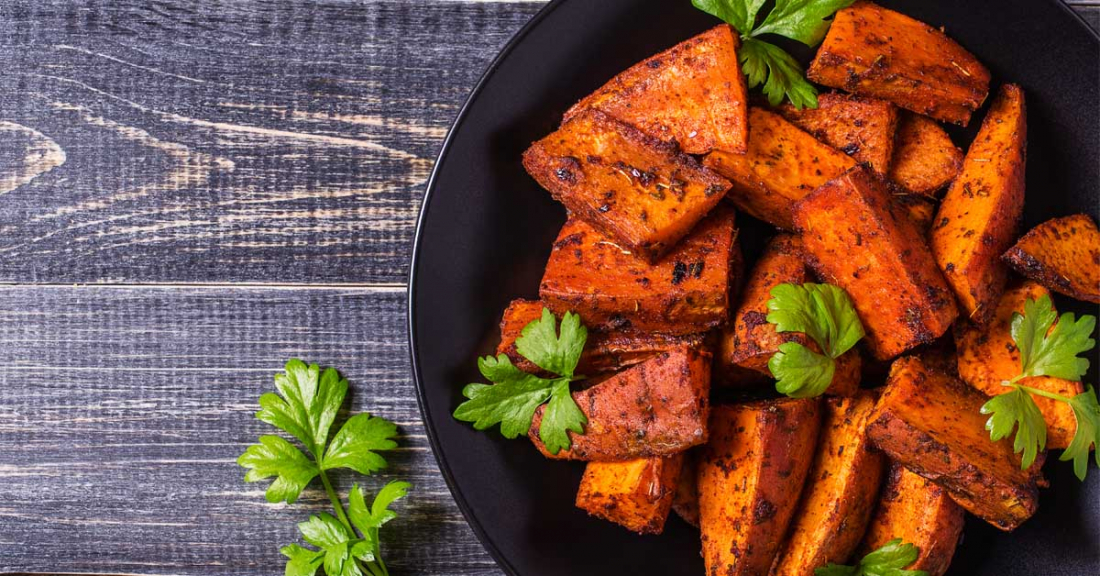
Some of the best food sources of beta-carotene include carrots, apricots, papaya, pumpkin, sweet potatoes, mangoes, peaches, spinach, broccoli, kale, peppers, peas, egg yolk, butter and salmon. It is important to note that beta-carotene is a fat-soluble vitamin, so it is a good idea to combine foods containing it with a fat source to achieve much better absorption and utilization. If you get your beta-carotene from foods such as carrots or pumpkin, it is much better to consume them cooked, as this increases the availability of the beneficial substances. Like roasted or grilled carrots? This is not only a great way to add variety to your diet, but also a great way to provide your body with beta-carotene. And how much do we actually need in a day? Beta-carotene doesn't have an official recommended daily dose, but higher doses can cause yellow-orange skin discoloration that doesn't look entirely good, so everything in moderation! Doses of around 30mg per day shouldn't cause any negative side effects - but even here, there's a bit of trial and testing to see what dose you're comfortable with.
Lutein
Lutein is another of the carotenoid group that you probably know more in connection with clear vision, but it also has a good effect on the skin when you tan. This substance helps keep our skin elastic, sufficiently hydrated and protects it from UV rays. The body cannot produce lutein on its own, so it is necessary to ensure its intake through a varied diet or supplements. Sources include broccoli, spinach, kale, pumpkin, mango, papaya, and egg yolk. Like other carotenoids, it is a good idea to take lutein with a small amount of fat to improve its absorption and increase its availability. How much lutein should we take per day? Even with lutein, there is no precise dose that would be optimal to take. In order to protect the skin, promote a healthy tan and sharpen eyesight, an adequate dose should be around 6-10 mg per day. This amount is not at all difficult to achieve using food sources.
Lycopene
We'll stick with carotenoids, because another substance that can promote a healthy tan and protect our skin is lycopene. Lycopene also has antioxidant properties and is characterised by its red colour, which can be seen, for example, in tomatoes, which are its richest source. In the case of human skin, it can support the effectiveness of its natural protective shield, which is designed to absorb harmful UV radiation. As a result, for example, it reduces the risk of premature ageing. In terms of skin protection, lycopene has been shown in recent studies to be even more effective than beta-carotene! However, even here it does not mean that we no longer need sunscreen.
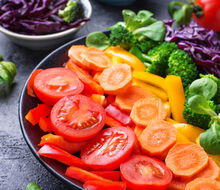
Where can we find lycopene? Rich sources are tomatoes, tomato puree, watermelon, pink grapefruit or guava. Even more significantly, without a fat source, our bodies are unable to use lycopene. Therefore, be sure to add a drop of good quality olive oil to a salad with tomatoes and combine the fruit with nuts, for example. Interestingly, our bodies absorb lycopene better after cooking, so if you're going to a summer barbecue, don't forget to throw some tomatoes on the grill, your skin will thank you! How much lycopene to take? As in the previous cases, the exact amount is not exactly determined and the different sources vary quite a bit. Some studies suggest that a range of between 8 and 21 mg per day should be enough to achieve positive effects, which you can comfortably achieve with, for example, tomato sauce on spaghetti for lunch.
Zinc
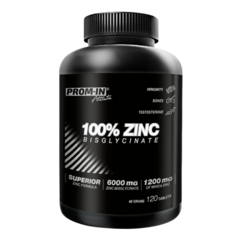
Zinc plays a rather crucial role in the body - it is important for the proper functioning of more than 300 biochemical processes - it affects digestion and metabolism, the nervous system, thyroid function, the immune system, reproductive organs and more. One of its main functions is to support the health of our skin. The body needs it for the production of keratin and collagen, the two main proteins found in the skin and crucial for its elasticity, strength and resistance to external influences. Zinc also has antioxidant properties and protects the skin from UV rays. For this reason, it is also added to sunscreens.
Zinc is an essential substance - this means that our body cannot make it on its own and we must take it in through diet and supplements. Fortunately, zinc is quite readily available in the foods we normally eat - legumes, meat, cereals, offal and dairy products. Taking a supplement - ideally in a chelated form - is also a convenient way to supplement zinc. According to the European Food Safety Authority, the recommended daily intake of zinc is 7.5-12.7 mg for women and 9.4-16.3 mg/d for men.
Vitamin E
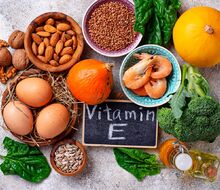
Another nutrient that plays an important role in skin health is vitamin E. Vitamin E, or tocopherol if you prefer, is another antioxidant that can help protect our skin from both UV rays and free radicals, keeping it hydrated and ensuring a youthful and healthy appearance. Vitamin E even works as a natural protection against the development of skin cancer, according to studies. It can be found in nuts (especially almonds), vegetable oils, seeds, sprouts, avocados, peanuts, and of course it can be supplemented. Since vitamin E is found in foods rich in fat, we can recommend combining it with foods rich in carotenoids, as this combination works synergistically and therefore enhances the positive effects for skin health. The recommended daily dose is around 12 mg per day. It is not worth overdoing it with vitamin E - in high doses it can cause death.
Tyrosine
Tyrosine is an amino acid that occurs naturally in the body and is conditionally essential, meaning that our body can make it on its own, specifically from the amino acid phenylalanine. But in addition, we can also take it in through diet. Tyrosine is at the very beginning of melanogenesis, which produces the skin pigment melanin. It is melanin that is behind the bronze colouring of the skin, and it also protects the skin from the harmful effects of UV radiation by partially absorbing it. Tyrosine also produces thyroid hormones and the neurotransmitters adrenaline, noradrenaline and dopamine. Tyrosine is also found in commonly available foods - poultry meat, fish, dairy products and eggs. Tyrosine has no set optimal dose, but studies typically work with a dose of 500 to 2 000 mg per day (more precisely, 100 to 150 mg per 1 kg of body weight).
A few words in conclusion..
It should be obvious from the list of beneficial substances that a great way to ensure your skin is adequately protected, to promote its health and to make it easier to achieve a bronze colour is to eat a varied diet with plenty of fruits, vegetables, eggs, sea fish, legumes, seeds and nuts, sources of healthy fats and appropriate types of supplements. Hydration and adequate drinking are also very important. Most importantly, however, is the use of sunscreens with a reasonably high SPF and respecting rules such as not going out in direct sunlight around midday, not falling asleep in direct sunlight, regular lubrication when in the water for long periods of time, etc.
Recommended
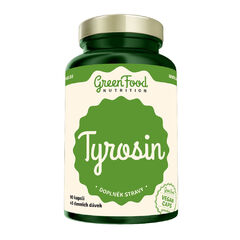
GreenFood Tyrosin
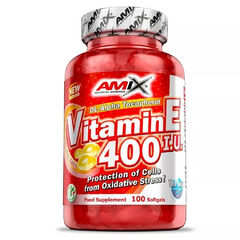
Amix Vitamin E400 I.U.
What to take away from the article?
Sunbathing, playing sports outdoors and moving in the sun by the water are activities that are inherent to the summer months. But it's important to remember that our skin needs adequate protection. Today we've covered the principles of safe sunbathing such as lubricating with a cream with a reasonably high SFP protection factor, headwear and good quality sunglasses. We also listed examples of foods that have substances that either help protect our skin, benefit its healthy appearance or can contribute to an even more beautiful colour. However, if you follow a healthy diet, you probably have most of the beneficial foods in your diet naturally.
Sources:
Sahota O. (2014). Understanding vitamin D deficiency. Age and aging, 43(5), 589-591. https://doi.org/10.1093/ageing/afu104
Mead M. N. (2008). Benefits of sunlight: a bright spot for human health. Environmental health perspectives, 116(4), A160-A167. https://doi.org/10.1289/ehp.116-a160
Stahl, W., Heinrich, U., Wiseman, S., Eichler, O., Sies, H., & Tronnier, H. (2001). Dietary tomato paste protects against ultraviolet light-induced erythema in humans. The Journal of nutrition, 131(5), 1449-1451. https://doi.org/10.1093/jn/131.5.1449
Sies, H., & Stahl, W. Nutritional protection against skin damage from sunlight. - https://doi.org/10.1146/annurev.nutr.24.012003.132320
Wilhelm Stahl, Helmut Sies, β-Carotene and other carotenoids in protection from sunlight, The American Journal of Clinical Nutrition, Volume 96, Issue 5, November 2012, Pages 1179S-1184S, https://doi.org/10.3945/ajcn.112.034819
Scarmo, S., Cartmel, B., Lin, H., Leffell, D. J., Welch, E., Bhosale, P., Bernstein, P. S., & Mayne, S. T. (2010). Significant correlations of dermal total carotenoids and dermal lycopene with their respective plasma levels in healthy adults. Archives of biochemistry and biophysics, 504(1), 34-39.
https://examine.com/supplements/l-tyrosine/
Wilhelm Stahl, Ulrike Heinrich, Holger Jungmann, Helmut Sies, Hagen Tronnier, Carotenoids and carotenoids plus vitamin E protect against ultraviolet light-induced erythema in humans, The American Journal of Clinical Nutrition, Volume 71, Issue 3, March 2000, Pages 795-798,
Tyrosine. (June 29, 2018). '.Retrieved 08:49, 11. 06. 2022 from https://www.wikiskripta.eu/index.php?title=Tyrosin&oldid=409057.
Tumilty, L., Davison, G., Beckmann, M. et al. Oral tyrosine supplementation improves exercise capacity in the heat.Eur J Appl Physiol 111, 2941-2950 (2011). https://doi.org/10.1007/s00421-011-1921-4
Juzeniene, A., & Moan, J. (2012). Beneficial effects of UV radiation other than via vitamin D production.Dermato-endocrinology, 4(2), 109-117. https://doi.org/10.4161/derm.20013
Gallardo, V., Muñoz, M., & Ruíz, M. A. (2005). Formulations of hydrogels and lipogels with vitamin E.Journal of cosmetic dermatology, 4(3), 187-192. https://doi.org/10.1111/j.1473-2165.2005.00310.x
Singh, U., & Jialal, I. (2004). Anti-inflammatory effects of alpha-tocopherol.Annals of the New York Academy of Sciences, 1031, 195-203. https://doi.org/10.1196/annals.1331.019
Sies, H., & Stahl, W. (1995). Vitamins E and C, beta-carotene, and other carotenoids as antioxidants. The American journal of clinical nutrition, 62(6 Suppl), 1315S-1321S. https://doi.org/10.1093/ajcn/62.6.1315S
No posts have been made yet.








