Vitamin E - an inconspicuous micronutrient with huge health benefits
 Author:
 When it comes to vitamins, most of us think of vitamin C, D or B vitamins first. Vitamin E is kind of neglected, and that's a shame. Vitamin E, one of the most fat-soluble vitamins, is one of the most powerful antioxidants ever. Vitamin E contains two groups of substances - tocopherols and tocotrienols - and tocopherols in particular then have the aforementioned antioxidant properties. It is essential, which means that our bodies cannot make it on their own and we have to take it in through our diet.
Vitamin E helps protect our body from free radicals, can slow down the aging process, and is important for the proper function of many organs and neurological processes. The benefits of eating enough vitamin E rich foods include the treatment and prevention of heart and blood vessel disease, blood pressure regulation and much more. Vitamin E is found mainly in plant foods. Rich sources include nuts, seeds, vegetable oils, and can also be found in some fruits. Of course, supplemental form is also available - but the question is, do we really need to supplement vitamin E? Let's take a look at vitamin E a little more specifically and see what this unassuming micronutrient has to offer.
Article content:
- Why is vitamin E so important?
- How much vitamin E do we actually need per day?
- How does vitamin E deficiency manifest itself?
- Where to look for vitamin E?
- What to take away from the article?
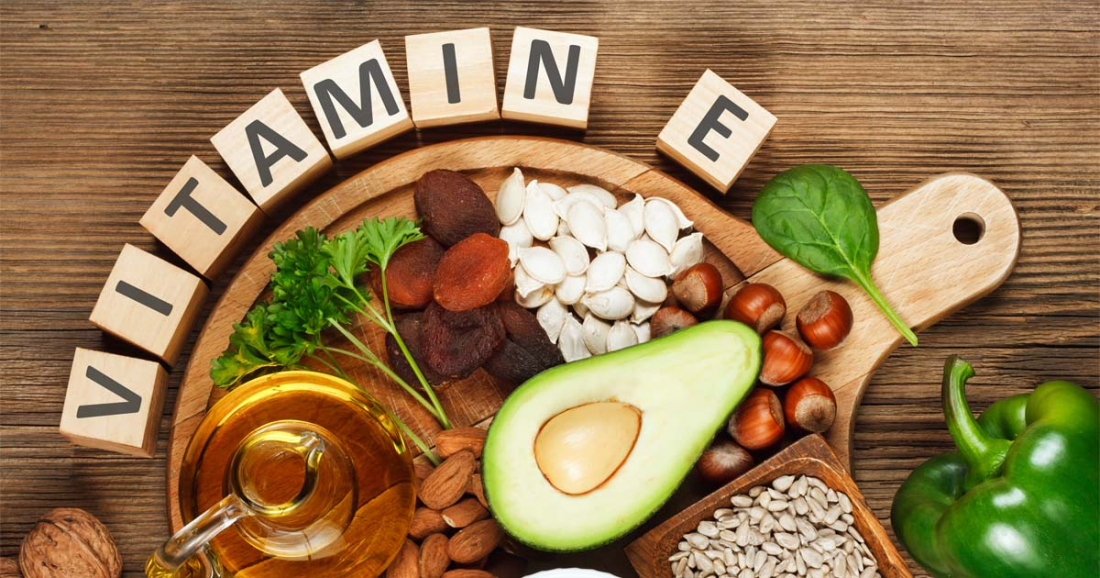
Why is vitamin E so important and what are its effects?
First, we will look at what vitamin E does in the body and what are its biggest health benefits and effects.
It fights the effects of free radicals and prevents the development of disease
Free radicals are harmful particles that are produced as a waste product of metabolism right in our bodies and can cause a lot of mischief. They attack healthy cells and if their concentration is too high, they can lead to the development of serious diseases such as cancer, diabetes and heart disease. Certain isomers of vitamin E have strong antioxidant properties and therefore have the ability to reduce free radical damage, fight inflammation, help naturally slow cell ageing and combat the development of serious health problems. Studies have shown that these isomers can significantly boost immunity and thus help prevent the onset of common and serious life-threatening diseases. Vitamin E has powerful antioxidant properties that may play an important role in preventing premature aging, may also reduce the risk of developing various diseases and protect the health of human cells.
It has a beneficial effect on the skin and reduces the signs of ageing
Vitamin E benefits the skin by strengthening capillary walls, giving the skin elasticity and freshness, and acting as a natural protection against the visible signs of aging. Studies have shown that vitamin E reduces inflammation in the body and on the skin and helps keep skin healthy and youthful. Its antioxidant and protective properties are also helpful when you are exposed to cigarette smoke or ultraviolet radiation from sunlight. In fact, vitamin E acts as a natural protection against the development of skin cancer. The combination of vitamin E with vitamin C helps fight skin inflammation after UV exposure, and the pair may also be useful in alleviating the symptoms of acne and skin eczema. It also helps the healing process in the skin. Vitamin E may also serve to alleviate the symptoms of sunburn, which is one of the main causes of skin cancer, among others. Vitamin E accelerates cell regeneration and is therefore often used as a supportive agent for the treatment of scars, acne and wrinkles.

A key nutrient for good eyesight
Vitamin E is one of the key micronutrients for eye health and good vision. In fact, vision problems are one of the most common symptoms of vitamin E deficiency. In fact, vitamin E helps protect against a wide range of vision disorders. Vitamin E can help reduce the risk of age-related macular degeneration, a common cause of blindness. However, it is important to note that to be truly effective for vision, vitamin E must also be supplemented with adequate intake of vitamin C, beta-carotene and zinc. Some studies have also suggested that vitamin E may play a role in protecting vision in type 1 diabetes, as it helps to normalise blood flow and, as a result, may help protect against some of the negative effects of diabetes, such as diabetic retinopathy or complete loss of vision.
Vitamin E - an essential nutrient for fertility and proper baby development
According to research, vitamin E also has a beneficial effect on fertility, has positive effects on the formation of sex cells and is also said to increase sexual performance. Its sufficient intake is absolutely essential during pregnancy. Some experts believe that the greatest need for vitamin E is during the 1000-day window that begins with conception, as vitamin E affects the early stages of neurological and brain development. For this reason, it is recommended that pregnant women, breastfeeding mothers and children under 2 years of age take a natural vitamin E supplement, as this is when vitamin E is most important.
It helps harmonize hormone levels and relieves the symptoms of PMS
Vitamin E can play a vital role in stabilising the endocrine and nervous systems as it naturally influences hormone levels and therefore has a major impact on their stability. Hormonal imbalances can manifest themselves for example as weight gain, allergies, depression, anxiety, fatigue, eczema and acne, urinary tract infections or even painful menstruation. Studies also suggest that vitamin E is very effective in women who suffer from premenstrual syndrome (called PMS). This is accompanied by symptoms such as mood changes, cravings, fatigue, irritability, depression and breast tenderness. Research results suggest that vitamin E may be a natural remedy for these unpleasant symptoms of PMS.

Vitamin E for increased performance and strength
Given the nature of our website, we must of course not forget to mention that vitamin E is very important for athletes of all kinds. Vitamin E can help to reduce the level of oxidative stress in your muscles after exercise, making it easier for them to recover and for you to feel less tired. Vitamin E can also promote muscle strength and is important for muscle growth. By serving to promote proper blood circulation, it can also strengthen capillary walls and nourish cells, delaying overall fatigue. Vitamin E protects muscle tissue during aerobic exercise, in which oxygen metabolism is greatly accelerated, resulting in a multifold increase in free radical production, which results in oxidative damage to muscles. Vitamin E, however, only protects the muscles when it is directly in them. This does not happen immediately after ingestion, so vitamin E needs to be ingested (ideally in the form of a coloured diet) regularly and over a long period of time.
How much vitamin E do we actually need in a day?
For most adults, a daily intake of at least around 15 milligrams of vitamin E is generally recommended, however, for example, this figure jumps to 19 milligrams per day for breastfeeding women. Children's vitamin E needs can vary greatly depending on their age. And the same is true for adults - the need for vitamin E gradually increases with age. It's important to remember that vitamin E is fat-soluble, so supplements and foods rich in it should be taken together with a fat-rich food. Ideally, vitamin E should be taken from food sources that we will get to later.
How does vitamin E deficiency manifest itself?
Vitamin E deficiency is very rare indeed and the vast majority of us will never experience it. It most often affects individuals with diseases that affect vitamin absorption, such as people with cystic fibrosis, Crohn's disease, chronic pancreatitis, cholestasis or leaky gut syndrome.
The main manifestations of vitamin E deficiency include:
- Muscle pain
- Weakness and fatigue
- Vision problems
- Neurological problems
- Impaired immunity
- Ovarian or testicular dysfunction
- Motor and gait problems
Recommended
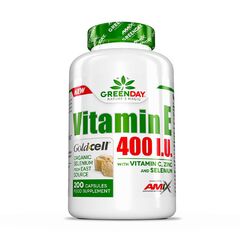
Amix Vitamin E 400 I.U. LIFE+
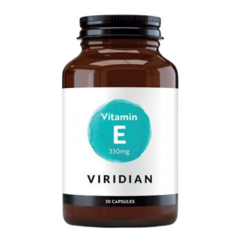
Viridian Vitamin E 330mg 400IU
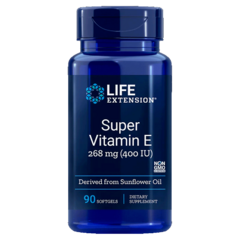
Where to look for vitamin E, what are the sources in food?
Finally, we come to the food sources of this very important antioxidant. Rich sources of the vitamin include sunflower seeds, almonds, olive oil, avocados, hazelnuts, poppy seeds, spinach, tomatoes, mangoes and wheat germ. It is also found in small amounts in egg yolk, liver, mammalian meat and dairy products.
Vitamin E and substitutions
In addition to the foods mentioned above, vitamin E can be taken in supplement form, but doctors recommend taking it only when an individual suffers from a significant deficiency, as taking a supplement can cause negative effects such as stomach upset or fatigue. Therefore, intake from food sources is usually preferable, as this way we cannot overdose on vitamin E. Dietary intake of vitamin E also has other benefits, as foods rich in vitamin E also contain other health benefits. Many food sources of vitamin E are also good sources of vitamin K and often vitamin C.
What can I take away from this article?
Vitamin E is somewhat overshadowed by other vitamins, but its role in the body is extremely important. It is one of the most powerful antioxidants and helps to protect our bodies from harmful free radicals, which are responsible for many serious diseases. It is also important for the development of children and is also useful for athletes as a support for muscle growth and endurance. It is ideal to take vitamin E from food sources. For example, it can be found in almonds, avocados, sunflower seeds, and many vegetables and fruits. Deficiency of this micronutrient is very rare, but it is definitely good to know what it actually does in the body and when you need to increase its intake.
Sources:
Rizvi, S., Raza, S. T., Ahmed, F., Ahmad, A., Abbas, S., & Mahdi, F. (2014). The role of vitamin e in human health and some diseases. Sultan Qaboos University medical journal, 14(2), e157-e165.
Pham-Huy, L. A., He, H., & Pham-Huy, C. (2008). Free radicals, antioxidants in disease and health. International journal of biomedical science : IJBS, 4(2), 89-96.
Singh, U., & Jialal, I. (2004). Anti-inflammatory effects of alpha-tocopherol. Annals of the New York Academy of Sciences, 1031, 195-203. https://doi.org/10.1196/annals.1331.019
Ayres, S., Jr, & Mihan, R. (1981). Acne vulgaris: therapy directed at pathophysiologic defects. Cutis, 28(1), 41-42.
Keen, M. A., & Hassan, I. (2016). Vitamin E in dermatology. Indian dermatology online journal, 7(4), 311-315. https://doi.org/10.4103/2229-5178.185494
Zhang, Y., Jiang, W., Xie, Z., Wu, W., & Zhang, D. (2015). Vitamin E and risk of age-related cataract: a meta-analysis. Public health nutrition, 18(15), 2804-2814. https://doi.org/10.1017/S1368980014003115
Bursell, S. E., Clermont, A. C., Aiello, L. P., Aiello, L. M., Schlossman, D. K., Feener, E. P., Laffel, L., & King, G. L. (1999). High-dose vitamin E supplementation normalizes retinal blood flow and creatinine clearance in patients with type 1 diabetes. Diabetes care, 22(8), 1245-1251.
Gerster H. (1991). Function of vitamin E in physical exercise: a review. Zeitschrift fur Ernahrungswissenschaft, 30(2), 89-97. https://doi.org/10.1007/BF01610064
No posts have been made yet.