





Loss of menstruation in the diet | Banality or serious problem?
 Author:
 Women often put the ideal figure first and are often willing to do anything for it. Unfortunately, dieting for the fairer sex has a number of hidden risks that need to be taken into account. One of them is the loss of menstruation, which can even be of a longer-term nature. So in our article today, we'll look at why this happens as well as how to diet to prevent losing your period.
Article Content:
- Why does menstrual loss occur?
- Who is most at risk of losing their period?
- How to lose weight healthily? Which nutrients to eat?
- Is losing your period a bad sign?
- Is it something that can be done about it?
Why does menstrual loss occur?
Laymen may feel that intense exercise and lifting heavy weights may be behind the loss of menstruation. But more often than not, a poor diet is to blame. Once you don't give your body enough calories, but still force it to train hard, it has to cut back on all seemingly unnecessary processes. And that includes menstruation. This is also logical from an evolutionary point of view - if the mother did not have enough food even for herself, it would not make the slightest sense to bring a child into the world. But besides the loss of menstruation, there can also be a weakening of the immune system or problems with the musculoskeletal system and proper bone development.
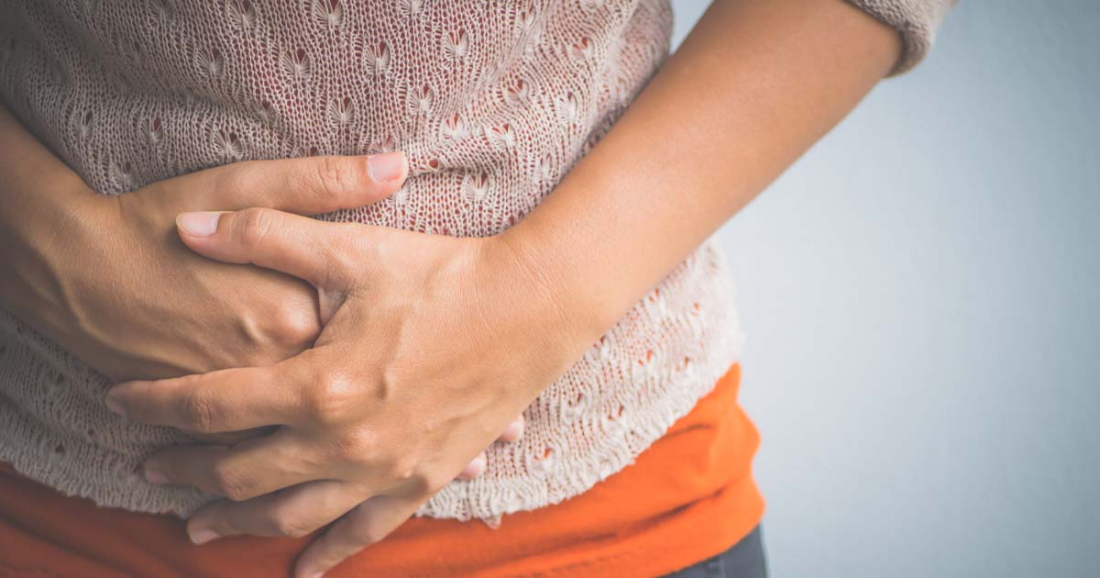
Although menstruation can be very uncomfortable, it still signals that the body is fine.
Who is most at risk of losing their periods?
Unfortunately, there is no easy answer to this question, but in general it is primarily a threat to younger women under the age of 30 on heavy diets with insufficient calories and carbohydrates. Until about this age, luteinizing hormone production is not steady, and the older women are, the more stable their menstruation is. Either way, if you don't have energy, the hypothalamus will limit or even completely stop the production of the hormones responsible for ovulation. The available research shows that in young women, a reduction of 470 to 810 calories will show up in as little as three months. Generally speaking, however, it is necessary to reckon that there is no one-size-fits-all diet or safe calorie reduction, and what is good for one person may not suit someone else. You should always be in a slight calorie deficit, but at the same time cover your basal metabolism and some of the energy expended by activity. You can read more about this topic in our multi-part series How to Build a Diet and Adjust Caloric Intake.

How to lose weight healthily? Which nutrients to eat?
Loss of menstruation can occur as a result of hormonal imbalances. First, the level of GnRH (Gonadotropin-releasing hormone) drops, and later, according to available information, also luteinizing hormone, folitropin, estrogen, progesterone and testosterone. And in this case, studies show that in addition to calorie deficit, insufficient carbohydrate intake, which is associated with lower levels of leptin, which further affects the levels of some of the above hormones, may be behind the loss of the cycle. Although the amount of research available is not very high, according to most research it seems that a long-term keto diet without sufficient carbohydrates can indeed cause menstrual loss. So generally speaking, carbs should make up at least 15-20% of your total caloric intake, but it can be more. If you are interested in this topic in more detail, you can read many articles on dieting with us, such as How to lose weight properly and effectively.
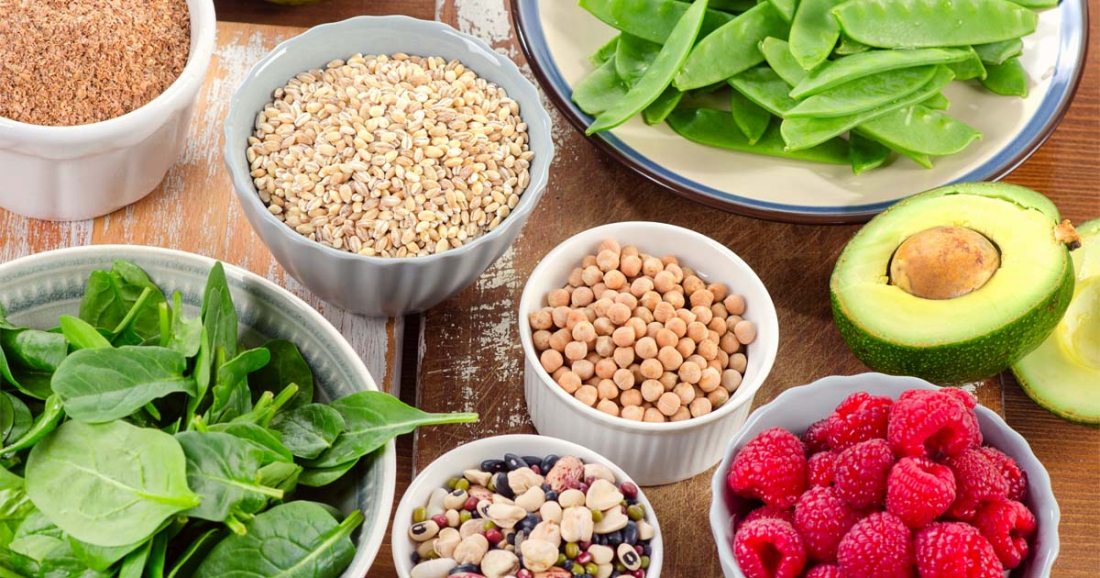
While you should be in a calorie deficit, cutting out any of the macronutrients is definitely not recommended, at least for beginners.
Recommended
Revix Coenzyme Q10+ Forte
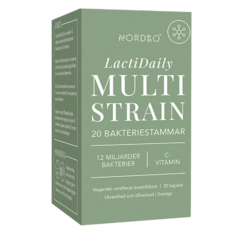
Nordbo Lacti Daily Multi Strain
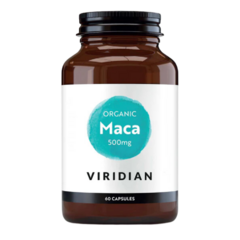
Viridian Maca Root Organic
Is the loss of menstruation a bad sign?
Of course. Although some women are happy to have peace of mind in these absurd times, it's actually a cause for concern. Studies show, among other things, that losing your period affects bone quality, which can lead to a host of unpleasant injuries and diseases, including prematurely diagnosed osteoporosis. However, the extent of the complications is largely related to how deep a calorie deficit you are in as well as how long you have been dieting. Still, it is not a good idea to take menstrual loss lightly and you should address it immediately upon discovering the problem.
Is there anything that can be done about it?
Fortunately, yes. And in principle it's not that difficult, you just need to take a break from hard workouts for some time, eat more and focus on rest. Although, of course, many female athletes don't want to hear that before a competition and they drive their bodies to extreme situations irrationally. But since proper recovery can be a bit more complicated than the above elementary advice, we'll look at more specific guidance in another separate article.
No posts have been made yet.








