





Acne - why does it bother us and how can it be alleviated or even prevented?
 Author:
 You don't have to be a teenager to be bothered by acne. And let's face it, there's nothing worse than having an important event coming up and getting a pimple on your face. Acne afflicts a huge number of adult women, but it certainly doesn't avoid men either, and the causes can vary. Acne can arise as a result of stress, hormonal changes, food allergies, but also due to improper eating habits. Today, let's talk about this little blemish, find out how and why it arises and also talk about some ways in which acne can be treated or prevented.
Article content:
- Theoretical window - what is acne and how is it caused?
- Treatment and prevention
- What to take away from the article?
Theoretical window - what is acne and how does it occur?
Acne is one of the most common skin diseases. It is a disease of the hair follicles of the face, chest and back. Acne occurs when the pores become clogged with a build-up of sebum combined with dead cells. Subsequently, something called a 'plug' is formed and then blackheads or whiteheads - called 'whiteheads' and 'blackheads' depending on their colour - are formed. Acne is not a disease that only affects adolescents, but can affect all age groups. It is most common between the ages of 20 and 30. Studies suggest that up to 85% of the general population is affected by acne during puberty. If an individual suffers from acne to a large extent on visible areas or is plagued by it for a prolonged period of time, it can cause psychological problems, low self-esteem and has a major impact on social life.
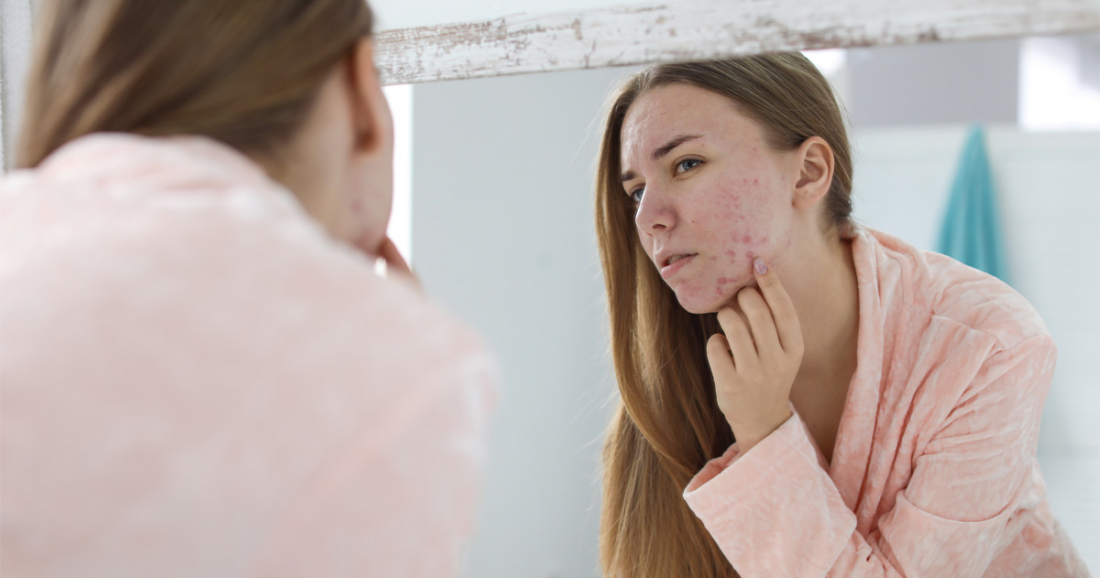
In addition to the aforementioned blackheads and whiteheads, other types of pimples can also occur. These include:
- Papules, which are small, red, raised bumps caused by inflamed or infected hair follicles.
- Pustules, which are small red pimples that have pus on the tips.
- Nodules, are the name for bumpy, swollen, reddened areas that contain clusters of papules and pustules.
- Cysts, which are large, extensive bumps or areas with no visible pus that, unlike nodules, are often solitary, that is, not in a cluster.
Acne can arise for a variety of reasons, such as overproduction of sebum, accumulation of dead cells or bacteria in the pores, hormonal influences, not only those caused by menstruation, puberty, pregnancy, breastfeeding, or transition, but also those caused by the use of medications that affect hormones in some way, such as birth control, corticosteroids, and others. Stress is also a very common reason for acne. Of course, genetic factors, food allergies (often to dairy products or gluten, for example), hormonal diseases (e.g. POCS), and inappropriate diet, excessive consumption of sugar and processed foods also play a role. Excessive and rapid weight changes due to extreme physical activity or inappropriate calorie deficit can also be a cause. Last but not least, the use of anabolic steroids may also be to blame.

Treatment and prevention
Acne can be treated and alleviated in many different ways. However, it is important to say that if your home treatment is not helping, your acne is getting worse, festering or growing, see a doctor or dermatologist immediately to help you with treatment. But let's first look at the ways you can apply today at home on your own.
Proper hygiene
Even though acne in adults is most often caused by hormonal factors and stress more than unclean skin, it is still important to clean your face twice a day and make sure to remove makeup well at night. Especially if you are active and sweat during the day, you should not forget to clean your face regularly. Many dermatologists recommend using cleansers that contain salicylic or glycolic acid, which help exfoliate the skin's surface, removing bacteria and dead skin cells. Another often-recommended option is to use a cleanser containing probiotics, which can help remove harmful bacteria from the skin and promote a healthy "skin microbiome." Cosmetics containing probiotics are also useful for normalizing skin pH and reducing inflammation. Products containing zinc, which has regenerative and soothing effects, are also often recommended.

Because acne-prone skin in adults tends to be very sensitive, avoid products that contain fragrances, refined oils and synthetic chemicals that can further irritate and dry the skin. If you are unsure about choosing the right product, consult an aesthetician, dermatologist or a trained staff member at the pharmacy. The same applies to choosing make-up and other decorative cosmetics. At the same time, it is not advisable to squeeze pimples manually or try to wash your face too often or too aggressively. If you suffer from acne, change your towel frequently and learn to use a different towel for your face than for your body or hands.
Focus on diet
Diet is essential, and in the case of acne, it will be no different. Indeed, diet can have a big impact on the overall hormonal balance of the body, for example by fundamentally affecting the microbial balance in the gut. The goal of fighting acne should be to consume as few processed foods as possible, foods high in antioxidants and foods with anti-inflammatory properties that help support hormonal balance, immune function and overall healthy skin.
Make sure your diet includes plenty of fresh fruits and vegetables. This is because fruits and vegetables are a source of important fiber, which is absolutely critical to the health of the gut biome because it helps cleanse the gut and serves as food for the beneficial bacteria found in our intestines. In addition to fibre, fruits and vegetables are also rich in various vitamins, minerals and antioxidants and it is well known that these micronutrients are essential for overall health, helping to fight free radicals, boost the immune system and promote overall vitality. Vitamins A, C and E are particularly important.
Probiotic foods should not be missing from the diet. The healthier our gut is, the better the balance between good and bad bacteria, and the better our overall health. Consuming foods rich in probiotics, such as yogurt, kefir, fermented vegetables, sauerkraut or kombucha, is important for the health of the gut biome and the production and life of the health-promoting bacteria that populate it. Consuming probiotics will help you build a strong defensive barrier in your body to prevent inflammation, which can cause acne, among other things. If you are not comfortable with consuming dairy products or fermented foods, be sure to include probiotics in the form of a dietary supplement.

Foods rich in zinc will also come into your diet. Zinc supports wound healing and enzyme reactions that play a role in immune function. People with acne usually have very low levels of zinc in the body. You can conveniently increase its level by eating foods such as beef, chickpeas, pumpkin seeds and cashews. Apart from this, zinc can also be conveniently supplemented in the form of a supplement.
Overall, make sure that your diet is balanced, containing enough nutrients from a variety of sources. Choose the least processed foods possible. Focus on sources of easily digestible protein, such as poultry or lean beef, fish, dairy products, eggs or high-quality whey protein or legumes. Complex carbohydrates, ideally in whole grain form, should not be missed as they are also rich in important fibre. Add oatmeal, buckwheat, quinoa, wholemeal bread, wholemeal pasta or rice to your diet. Of course, we shouldn't forget healthy fats - avocados, nuts, oily fish or vegetable oils.

Drinking is also important . Adequate hydration is important not only for optimal nutrient distribution, but also to support natural detoxification. If the body is dehydrated, this will show up on the skin, among other things. The skin dries out and dead cells accumulate, which can lead to acne. Optimally, pure water should be the basis of your drinking regime, but you can also add teas, mineral water or flavour the water with herbs, fruit or a slice of cucumber. On the other hand, sweetened sodas, juices and definitely alcohol should be avoided. How much water should I drink a day? This is purely individual, follow the feeling of thirst, increase fluid intake on warm days and during higher physical activity.
Some people react poorly to eating highly processed foods or certain food allergens, so pay attention to your unique reaction to different foods and how your diet affects your skin. It can potentially help to avoid certain foods such as dairy, chocolate, added sugar, sweeteners, trans fats or alcohol. If you suspect a food allergy, you can try an elimination diet, which involves briefly cutting out potentially problematic foods and gradually reintroducing them while monitoring your body's reaction. Some studies suggest that excessive salt intake may also cause acne.
Get plenty of rest and eliminate stress
If we are sleep-deprived or under a lot of stress for a long period of time, our adrenal glands produce higher levels of cortisol, which, among other things, affects the amount of sebum our skin produces. Increased sebum production can cause the development of inflamed cysts under the skin, leading to painful pimples that are difficult to treat. That stress doesn't bring much of a positive is probably no big surprise. Unfortunately, due to the demands of our times, stress is affecting us more and more often. That's why it's important to be able to vent it in an appropriate way - get out into nature, try meditation, yoga, read an interesting book or go out socially. Movement is also a very effective tool for venting stress, which also has an impact on sleep quality and health in general.
Sleep is another factor that plays an important role in the health of our skin. We discuss the importance of sleep for health quite often, so it is surely clear to you how important sleep really is. Getting enough quality sleep regenerates our entire body, balances hormone levels and reduces inflammation. Sleep deficiency or interrupted sleep can lead to increased production of stress hormones and, as we know from the previous paragraphs, cortisol, for example, has the ability to increase sebum production and thus encourage acne. If the body is stressed even during sleep, this leads to the production of glucocorticoids, steroid hormones that have a negative effect on the function of the immune system, increase skin sensitivity and contribute to the aggravation of inflammatory skin diseases such as acne, eczema and psoriasis.
Recommended
Alavis Maxima Gummies
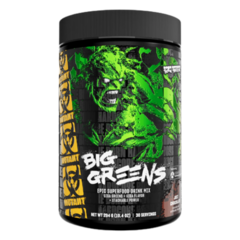
Mutant Big Greens
Play sports!
Movement is life and is an integral part of the health puzzle. So it won't come as a big surprise that regular sporting activity can also help reduce the appearance of acne. In fact, better blood circulation occurs during sports activities. As a result, the skin acquires a pinker, fresher colour and the body builds up its immunity. The increased oxygen supply is also positive. Moreover, movement is a very useful weapon in the fight against stress, which, as we already know, is a very common cause of acne. When we do sport, we are able to relax better, and this also benefits our skin. During sport, sweating occurs, which opens the pores and naturally rids the skin of all harmful substances, sebum and other impurities.
Women are advised to play sports without make-up because make-up can block the exit of harmful substances and impurities from the pores. After sports, don't forget to take a good shower to wash off all the dirt that has washed away. If you let the leached substances dry on your skin, they will enter your pores again and clog them. The not-so-good news for all fitness buffs (especially men) is that strength training increases testosterone levels, which also has the ability to stimulate sebum production and thus acne formation. Anabolic steroid users have particularly problematic skin, as their bodies produce many times more sebum due to the use of these substances, which clogs the pores. Acne is then particularly common on the back, face and breasts.
Rely on the right supplements
In addition to diet, you can also include some supplements in your daily routine that can be very helpful in alleviating acne. For example, you can take the aforementioned zinc, which has anti-inflammatory properties and promotes wound healing. There is also no harm in using ointments containing zinc, which can promote healing. Probiotics are also useful, the use of which can boost immunity internally and support the health of the gut biome. Using external probiotic skin care products provide an external protective shield and promote skin health. Omega-3 fatty acids are also a good supplement, which among other things help reduce inflammation and are important for optimal hormonal balance. Supplementation with vitamins A and E is also useful as they have strong antioxidant properties and help protect the skin.
Treating acne with natural methods
If you want to fight acne without the help of drugs and potentially irritating substances, you can also try natural methods of acne treatment. These are based on the effects of herbal ingredients that help visibly reduce acne and serve as prevention. These include, for example, zinc, niacinamide or omega-3 fatty acids, which regulate sebum production, vitamins A and D with anti-inflammatory properties, and vitamins E and C, which are powerful antioxidants and prevent the body from developing inflammation. For soothing existing acne, you will find aloe vera useful.

What to take away from the article?
Acne is one of the most common skin problems that affect not only adolescents. Acne occurs when the pores become clogged with a buildup of sebum combined with dead skin cells. It can be caused by a number of factors - stress, hormonal changes, genetics, improper dietary culture, food allergies or even the use of anabolic steroids. The basic prerequisite is proper hygiene using appropriate cosmetics. Prevention is, of course, a healthy diet based on eating the most natural foods with plenty of fruits, vegetables, probiotic foods, quality protein sources, healthy fats and complex carbohydrates. Avoid processed foods, alcohol, excessive sugar and fast food. Regular exercise, adequate rest and drinking should not be forgotten.
Recommended
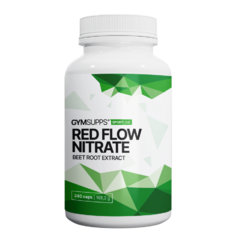
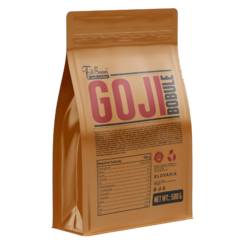
FitBoom Goji
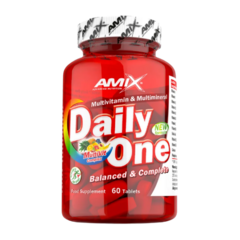
Amix Daily One
Resources
Rocha, M. A., & Bagatin, E. (2018). Adult-onset acne: prevalence, impact, and management challenges. Clinical, cosmetic and investigative dermatology, 11, 59-69. https://doi.org/10.2147/CCID.S137794
Kraft, J., & Freiman, A. (2011). Management of acne. CMAJ : Canadian Medical Association journal = journal de l'Association medicale canadienne, 183(7), E430-E435. https://doi.org/10.1503/cmaj.090374
Baldwin, H., & Tan, J. (2021). Effects of Diet on Acne and Its Response to Treatment. American journal of clinical dermatology, 22(1), 55-65. https://doi.org/10.1007/s40257-020-00542-y
Brandt S. (2013). The clinical effects of zinc as a topical or oral agent on the clinical response and pathophysiologic mechanisms of acne: a systematic review of the literature. Journal of drugs in dermatology : JDD, 12(5), 542-545.
Ozuguz, P., Dogruk Kacar, S., Ekiz, O., Takci, Z., Balta, I., & Kalkan, G. (2014). Evaluation of serum vitamins A and E and zinc levels according to the severity of acne vulgaris. Cutaneous and ocular toxicology, 33(2), 99-102. https://doi.org/10.3109/15569527.2013.808656
https://www.apothecopharmacy.com/blog/what-is-hormonal-acne-hormonal-acne-treatment/
https://www.thedermspecs.com/blog/6-different-kinds-of-acne-and-how-can-you-prevent-them/
Nikolakis, G., & Zouboulis, C. C. (2014). Skin and glucocorticoids: effects of local skin glucocorticoid impairment on skin homeostasis. Experimental dermatology, 23(11), 807-808. https://doi.org/10.1111/exd.12519
No posts have been made yet.








