





Get rid of fat quickly and effectively! We offer you a comparison of the most common cardio workouts
 Author: Šárka Randáčková
 Getting into optimal shape may require a certain amount of aerobic activity. The options are countless - so many, in fact, that people can't choose the best one to help them shed excess weight and reveal their hard-won muscle.
The question is clear: What are the best methods of aerobic training? Is there a perfect cardio? Aerobic activity, by definition, needs fat as its main fuel. It uses carbohydrates and protein less. It stands to reason, then, that a certain amount of cardio would be needed during weight loss.
However, there is a long debate about the appropriate type of cardio. Aerobic activity (usually of moderate intensity, although higher intensity has been shown to burn more calories) is any repetitive exercise that is long enough to force the heart and lungs to use oxygen as a fuel source to keep the body going (time-wise, we're talking about workouts that are at least 15-20 minutes long).
We can count among aerobic activities:
- Rowing
- Running
- Walking
- Cycling
... and their variations (they have in common that they use the largest muscle groups). The goal of this article is to identify the best forms of aerobic training for burning fat and give reasons why they are effective.
In aerobic training, a combination of oxygen, fats and carbohydrates produce ATP, the basic fuel for all cells.
Fat is the easiest fuel to use because the body stores the most of it and it is the easiest to mobilize in the presence of oxygen. Fat will be used the most during prolonged cardio.
Thus, longer cardio performed at 50-75% of maximum heart rate seems to burn more actual fat. But does it help the most with overall weight loss? Some sources state that it does not.
The most calories are burned at heart rates above 75% of maximum, which should yield the most effective weight loss. (Subtract your maximum heart rate from your age by subtracting 220.)
Recommended
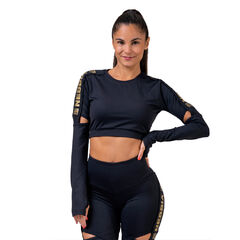
Nebbia Honey Bunny crop top 821
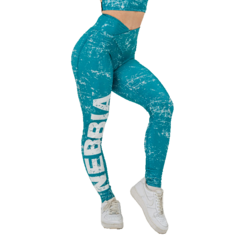
Nebbia Legíny na cvičení ROUGH GIRL 616
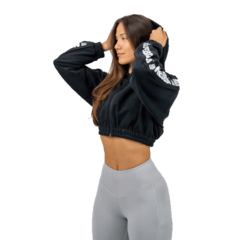
Nebbia Crop mikina s kapucí ICONIC 254
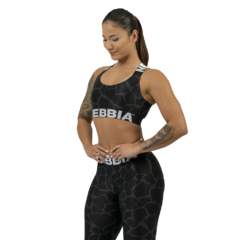
Nebbia NATURE-INSPIRED Sportovní podprsenka 552
As long as you exercise in the aerobic zone (using oxygen) and not the anaerobic zone (using carbohydrates as fuel), higher intensity will produce better results.
If you are burning more calories and relatively less fat - which is what happens with less intense cardio - those calories probably won't be able to be stored as fat, so you will lose more weight overall.
At higher intensities, the body will burn a smaller percentage of fat, but many more total calories, or more fat calories will be used overall.
I'm not saying that low intensity cardio is useless. I'll explain later that both types of cardio have their place in training, but if you want to burn maximum body fat in minimum time, higher intensity will be what you're looking for. Let's discuss higher and lower intensity cardio.
The benefits of aerobic training
There are pretty similarities for all methods, but both intensity zones have their own specifics. We'll consider the lower limit to be 55% of your maximum heart rate and the upper limit to be 80%. According to the calculation above, it won't be hard math.

Aerobic exercise (regardless of intensity) will help with the following:
- Strengthening the respiratory muscles and helping with lung function.
- Increasing the total amount of blood cells in the body and better oxygenation of the blood.
- Strengthening the heart muscle, which will improve resting heart rate and pumping efficiency.
- Reducing stress and tension, improving mental well-being.
- Improving blood circulation throughout the body.
- Increase self-esteem.
Lower intensity cardio (50-75% of max heart rate) will:
- Have a lower stress on the joints, making it an ideal choice for obese individuals or unfit folk.
- Burn fat directly (instead of total calories) and you will last longer exercising it.
- Can be used as an active rest after heavy workouts.
Higher intensity cardio (70-85% of max heart rate) will:
- Burn more total calories, and thus more fat overall.
- Increase metabolism levels more (during and after workouts).
- Increase performance (endurance, strength and athletic skills).
- To help with the prevention of osteoporosis.
Aerobic training methods and their benefits
Once you have chosen the intensity (based on your goals), you can proceed to the specific training method. Some types are naturally higher intensity, some are suited for specific sporting goals, and others are more suited for aesthetic purposes.
The key is that the cardio you choose should be a combination of efficiency and fun. You'll hardly be effective at something you don't enjoy.
Walking
Burns 300-400 calories per hour

Now considered one of the least effective methods of cardio. While it is an excellent method for people with injuries, beginners, or obese individuals, if you have any fitness, walking probably won't be intense enough for you.
It is generally accepted that the lower the intensity of the workout, the fewer calories are burned (15 minutes of cycling should burn more calories than 45 minutes of walking at a moderate pace).
In addition, the metabolic rate only increases for 2-4 hours after the walk is over. For higher intensity aerobic activities, this can be up to 24 hours.
Walking can be used for the following purposes:
- Help with weight loss in obese people (who cannot manage any other method).
- As a non-strenuous activity for the injured.
- As a moderate exercise for recovery (higher intensity would increase the risk of overtraining).
- As a platform for harder types of cardio.
A good program for beginners would look like the following:
- Frequency.
- Intensity: 50-70 max heart rate.
- 20-45 minutes per workout
Running
Burns around 600 calories per hour

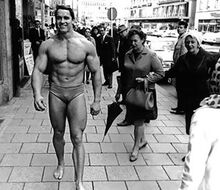
Intensity is higher than walking (beware of sprinting, it is an anaerobic activity). Running is efficient, but with high demands on the body. The main advantage of running is a high enough intensity to burn more calories and stimulate metabolism for a long time after finishing.
For burning fat, you may consider jogging. The latter is higher in intensity, but not beyond the anaerobic threshold that burns primarily carbohydrates. Running uses your entire lower body more intensely than walking and also engages your arms, which burns even more calories.
Running can be used for the following purposes:
- Aerobic training with higher intensity and more fat burned.
- Engaging the muscle fibers in the legs, which can improve the shape and definition of the leg muscles.
- As a specific training for your sport activity.
- Increase metabolism level for up to 24 hours.
- Due to the high workload, it can reduce the risk of osteoporosis.
A good program for beginners would look like the following:
- Frequency.
- Intensity: 65-85 max heart rate.
- Duration: 20-30 minutes per workout.

Cycling
Burns around 600 calories per hour
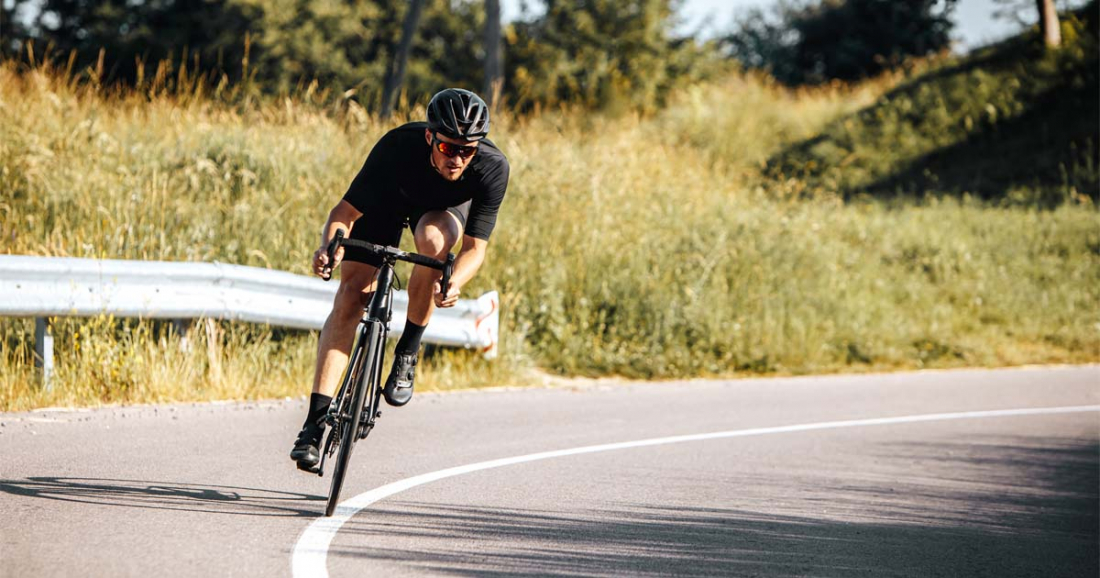
This engages the same muscles as running, but is not as taxing on the body. This makes it ideal for pretty much everyone (except for certain injuries).
You can ride on a treadmill (if you're specifically about burning fat - nothing will distract you here) or on the road.
Cycling is almost for everyone, as you can control the intensity to your heart's content. It can also be used as an intense workout. For bodybuilders, cycling can also improve quadriceps definition and separation.
As an aerobic workout, cycling can be used for the following purposes:
- As an easy, intense way to burn fat.
- As a specific workout for your sport.
- As a means by which to improve quadriceps definition and separation.
A good program would look like the following:
- Frequency.
- Intensity: 65-85 max heart rate.
- 30-45 minutes per workout

Rowing
Burns around 840 calories per hour

This is an excellent, intense full-body workout. When you add in the amount of calories burned, rowing could be considered the perfect cardio workout.
As an aerobic workout, rowing can be used for the following purposes:
- Burning more calories than all conventional aerobic training methods.
- A full body workout.
- Not as taxing on the joints, but a challenging way to maintain fitness and burn fat.
- As a specific workout for your sport.
Swimming
Burns around 600 calories per hour
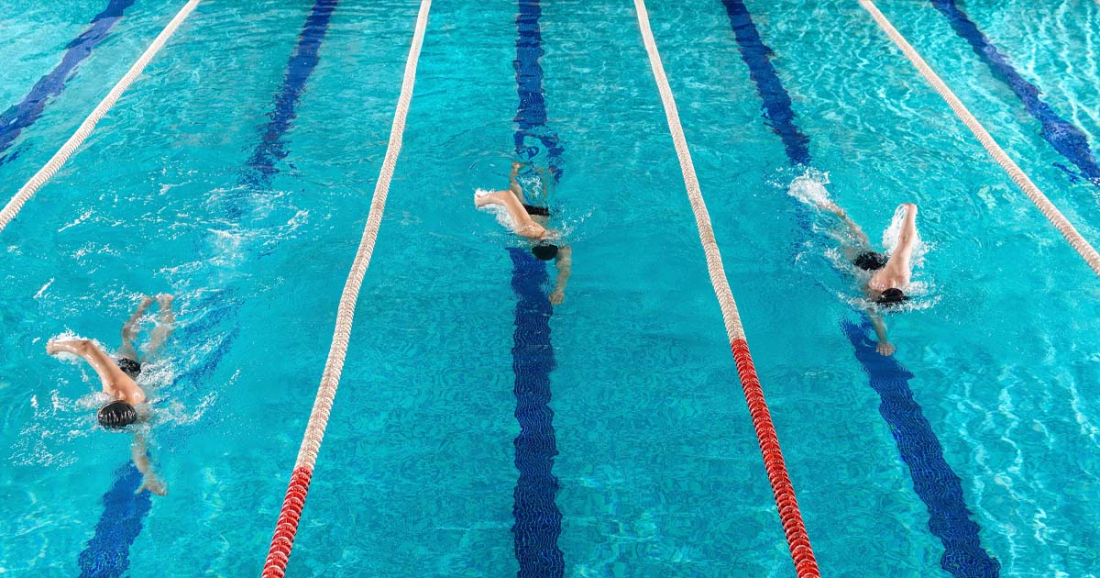
Again, this is a full-body workout. Burning calories is good and the weightless state in the water will ensure that the exercise does not harm you in any way and increase the risk of injury.
A crawl will work for most people, but if you can manage it, swim through different techniques to exercise as many muscles as possible - plus it will help you burn more calories.
Swimming is a great aerobic activity for:
- Reducing the risk of injury. It is the least physically dangerous activity.
- Exercising the major muscle groups of the body.
- Improving fitness and athletic performance.
- Burning a high amount of calories.

Jumping rope
Burns over 1000 calories per hour

This is a very demanding activity for the body, the impact is dangerous for the lower limbs, but the reward in terms of calories burned is huge. Moreover, because of the intense involvement of these parts, jumping rope can improve the definition of your calves and shoulders.
Once you master it, jumping rope is effective for:
- Burning large amounts of calories.
- Due to the high load, it can reduce the risk of osteoporosis.
- Improving a range of skills, including explosive power, endurance and speed (for boxers, jump rope is an integral part of training).
HIIT
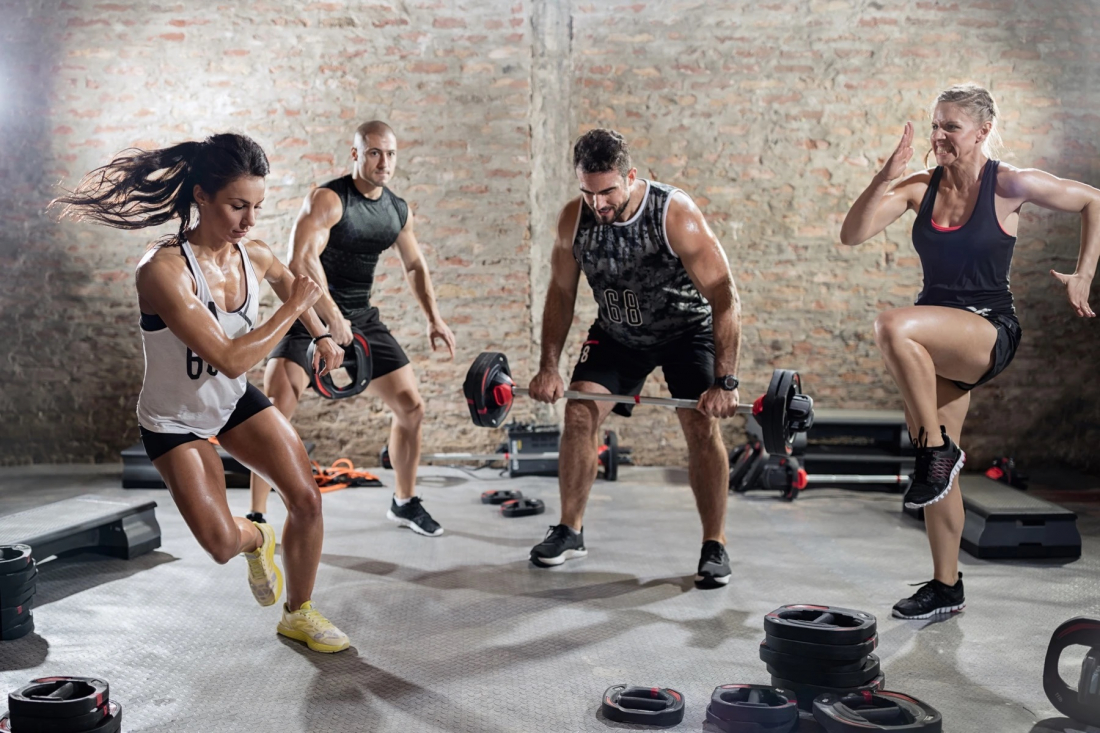
Interval training (High Intensity Interval Training) is one of the newer methods of cardio. As many of you have experienced, the intensity is high with this method and the total duration of the workout is a fraction of the time of traditional methods.
It is intense aerobic work that prevents the body from adapting to the chosen pace, thus saving calories. The increase in metabolic rate can be even longer than 24 hours after the workout.
An example of HIIT might look like the following:
We choose cycling as the method. Train at a moderate pace (75-80% of max heart rate) for 2 minutes, then sprint (above 90%) for 30 seconds to 1 minute. Repeat this for up to 30 minutes. You can apply the same method to running, rowing or swimming.
HIIT is perfect for:
- Increasing levels of fat-burning hormones such as epinephrine and norepinephrine.
- Lowering insulin levels.
- Increasing metabolism levels more than other methods of cardio.

Rules for cardio
Start gradually
This is true with any workout, especially if you are untrained, obese, or have other issues. In that case, I recommend starting with walking.
Training too hard in such a state will lead to injury or burnout. Even trained individuals should start slowly to warm up the muscles and lubricate the joints before later hard work.
Work at your target heart rate
The mythological concept of a heart rate zone in which to burn fat was long ago declared fictional, but you should track your heart rate. Above you have an easy equation from which to calculate your maximum heart rate, and then you can work from there.
For better results, try to stay within the upper limit. Training at levels below the levels listed above will yield minimal results. Training above them will put you at risk of injury.
Do not overdo it
Cardio should always be practiced safely, otherwise the result will be the opposite of what you are trying to achieve. The fat burning and health benefits will last if your workout does not exceed 45 minutes. This is generally accepted as the correct length for a healthy individual.
Stretching this limit can lead to fatigue injuries and burn a lot of muscle, which will ultimately slow your metabolism, and limit weight loss. Cardio needs to be carefully monitored and adapted to your workouts in the gym. Optimal fitness is achieved by combining them appropriately.
Exercise enough for cardio to have an effect
I'm talking about intensity, timing and duration of workouts. These variables can vary according to your goals. A moderately fit exerciser should do cardio 4 times a week, for 45-60 minutes, at a heart rate of 75-80% of maximum. For the less trained, it will be less.
Drink water before, during and after your workout
By sweating and warming up your body, you lose a lot of fluids that need to be replenished. Dehydration can reduce performance during aerobic training.

Conclusion
The general perception is that you can't get into good shape without cardio. However, the type of cardio and the methods used will vary according to the goals, preferences, and progression of the individual athlete. For best results, you need to find the activity that will be most beneficial to you. I hope this article has helped you with your selection.
Source: www.bodybuilding.com -Which Cardio Methods Melt Fat The Fastest?
Author.
Author: Šárka Randáčková No posts have been made yet.








