





Minimum time, maximum fat burned and improved fitness - discover the benefits of HIIT!
 Author:
 Tired of spending hours on the treadmill or exercise bike? Need to lose excess fat and improve your fitness? If you're not afraid to get fit and want to see results fast, then HIIT is the right workout for you.
What is HIIT?
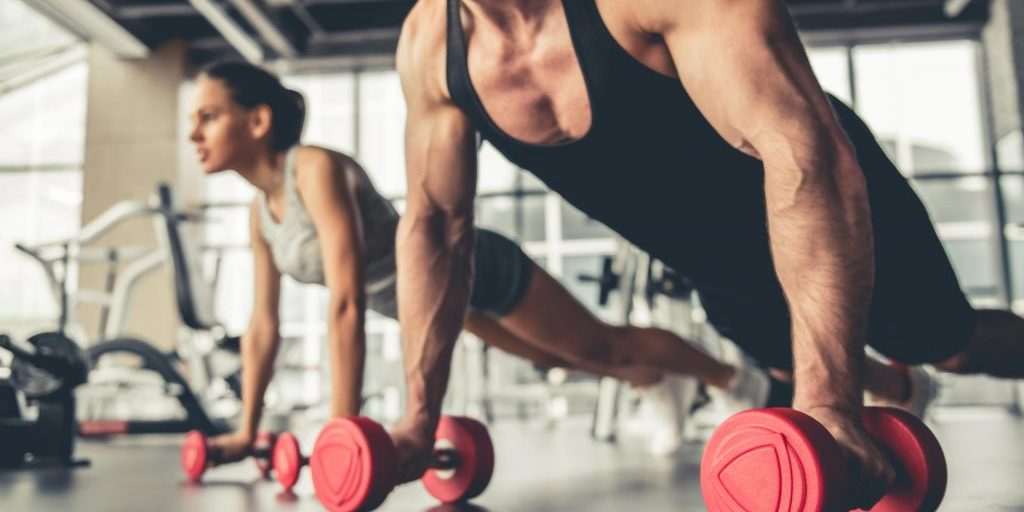
Many people still confuse HIIT (high intensity interval training) and HEAT (group exercise in the form of walking on a treadmill). HIIT is a training method that is based on alternating intervals of maximum and low intensity. It can be applied to many physical activities - running, weight training with your own weight and weights, cycling, etc. In practice, this might look like alternating between running or weight training (high intensity) and walking (low intensity), examples of HIIT workouts can be found at the end of this article.
Its biggest advantage is that it takes a minimum of time, usually 10-25 minutes. It does not assume that you will start burning after 30 minutes of training, as is the case with aerobic activity performed at moderate intensity.
Among the promoters of HIIT was the famous Charles Poliquin.
Benefits of HIIT
1) You burn more calories in the minimum amount of time
With HIIT, you burn more calories than any other physical activity in the same amount of time. One study compared the amount of calories burned in different types of physical activity (HIIT, strength training, running, cycling) and found that individuals burned 25-30% more calories during HIIT.This iscomforting news for those chasing calories burned while not wanting to spend hours on a treadmill or exercise bike.
2) Speeding up metabolism
HIIT literally kicks your metabolism into overdrive, not only burning calories during your workout, but also long hours after you've finished exercising and are done sitting around watching TV.This fact has been confirmed by numerous scientific studies.

3) A very effective way to burn body fat
HIIT is proving to be one of the most effective forms of exercise when it comes to burning body fat. Try incorporating it into your schedule regularly, make sure you eat right and you will be pleasantly surprised at how quickly you will see changes on your body. For example, one study looked at women for 15 weeks, and those who did HIIT burned more fat (especially around the waist and lower legs) than those who included moderate-intensity conventional cardio training. Other studies show that just 15-20 minutes of HIIT a few times a week does a great job of breaking down excess fat stores.
4) Building muscle mass
You may have thought that HIIT is just for burning fat, but it's not, it can help you gain muscle mass too. Of course, HIIT won't replace strength training with weights, but it turns out that it can help you gain muscle mass, especially in the legs and torso. This effect is most noticeable in individuals who are beginners in the sport.
5) Improving oxygen consumption
High-intensity interval training can improve oxygen consumption just as much as traditional endurance training, and in a much shorter time. One study found that over five weeks of HIIT exercise 4 times a week for 20 minutes, the subjects studied experienced a 9% improvement in oxygen consumption. This was almost identical to the improvement in oxygen consumption in a second group that rode an exercise bike continuously for 40 minutes, 4 times a week. Other research showed that eight weeks of stationary bike riding in the form of conventional cardio or HIIT increased oxygen consumption by approximately 25%. The difference, however, was that 60 minutes per week was enough for HIIT, while twice as much time was needed for cardio training.

6) Reduction in heart rate and blood pressure
Regular inclusion of HIIT can reduce heart rate and blood pressure in overweight and obese individuals. Some researchers have found that HIIT can even lower blood pressure more than the often recommended moderate-intensity exercise.
7) Lowering blood sugar and improving insulin resistance
A summary of 50 different studies has found that HIIT lowers blood sugar and improves insulin resistance more than traditional continuous exercise. Based on this information, it can be said that high-intensity exercise is particularly beneficial for people with type 2 diabetes.
Try HIIT training
Warm up before each workout. You need to aim for the maximum possible intensity, give your all to the workout, otherwise it won't have the right effect.
Option for beginners and intermediate
Total time 15 minutes, exercises with your own weight - squats with lunges, push-ups, English lunges, alternating lunges with lunges, mountain climber.
Variation for advanced
Total individual time (depending on your speed, how long it takes you to do all the exercises), exercises with your own weight and one-armed swings - squats with one-armed swing, English push-ups, push-ups with alternating knee pull-ups, lateral crunches, alternating backward lunges with one-armed swing, knee pull-ups to torso, side lunges with one-armed swing, mountain climber, shoulder presses in one-armed lunge,
Advice at the end
HIIT training places high demands on the body's recovery, we recommend practicing it a maximum of 3 times a week to avoid overtraining. This is especially true if you are doing another sporting activity in addition to it.
Recommended

Nebbia Washed-off oversized tílko MAX OUT 359

Nebbia Washed-off Tepláky s kapsami NO SHORTCUTS 372
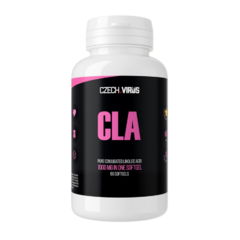
Czech Virus CLA
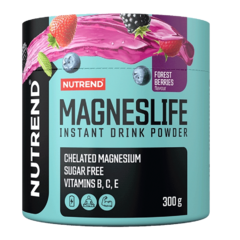
Nutrend Magneslife instant drink powder
Sources of images and information: healthline.com, zuzkalight.com, bmj.com, roadrunnersports.com
No posts have been made yet.








