





What supplements are most effective for supporting the performance of endurance athletes?
 Author:
 If you look around fitness websites or flip through fitness magazines, advertisements for various dietary supplements smile at you on almost every page, but virtually none are targeted at endurance athletes. The chiseled and muscular bodies that are often featured in all such advertisements may give the impression that the supplements in question are only for muscle growth, but unfortunately, this may not be the case at all. Many commonly available supplements can benefit endurance athletes too!
Whether you're a runner, swimmer, or any other endurance sport, you too can benefit from supplements to take your performance to the next level! You just need to know which ones are the most effective - and that's exactly what we'll focus on in this article. Endurance athletes typically spend hours and hours a week training. They run hundreds of miles, bike as much as others do in an entire year, or swim miles in the pool every week. But this absolutely admirable volume of training means that endurance athletes should put a hell of a lot of emphasis on the quality of their diet and the choice of supplements they will use.

Endurance sports place extreme demands on the body, both physically, mentally and energetically. It is not enough to just focus on training, but you need to understand the demands on the body under such pressure and also to replenish energy early and in sufficient quantities with a quality diet and supplements to help speed up recovery and replenish energy so that you can train hard again the next day. Fortunately today, in addition to diet, there are supplements that can boost your performance, recovery and help you on your way to new records. So let's take a look at the supplements that could help endurance athletes perform better.
Article Content:
- Electrolytes
- A quality multivitamin
- Creatine
- Caffeine
- Beta alanine
- Protein
- Bcaa
- Glutamine
- What to take away from the article?
Electrolytes
Endurance athletes should use electrolytes for a few key reasons. Electrolytes, help regulate the fluid balance in the body. During endurance activities, when athletes sweat frequently and a lot, large amounts of important minerals are lost along with fluids. Replacing electrolytes helps prevent dehydration, which is critical for maintaining performance and preventing health complications.
Electrolytes play a key role in nerve and muscle function. Sodium and potassium are especially important for proper muscle contraction and transmission of nerve impulses. Without adequate levels of these minerals, muscle cramps, weakness and fatigue can occur, which can negatively affect an athlete's performance. Maintaining proper electrolyte balance helps athletes maintain optimal physical performance. When the body has sufficient electrolytes, it can better regulate body temperature, metabolism and energy production. This all contributes to better performance during prolonged and intense activities.
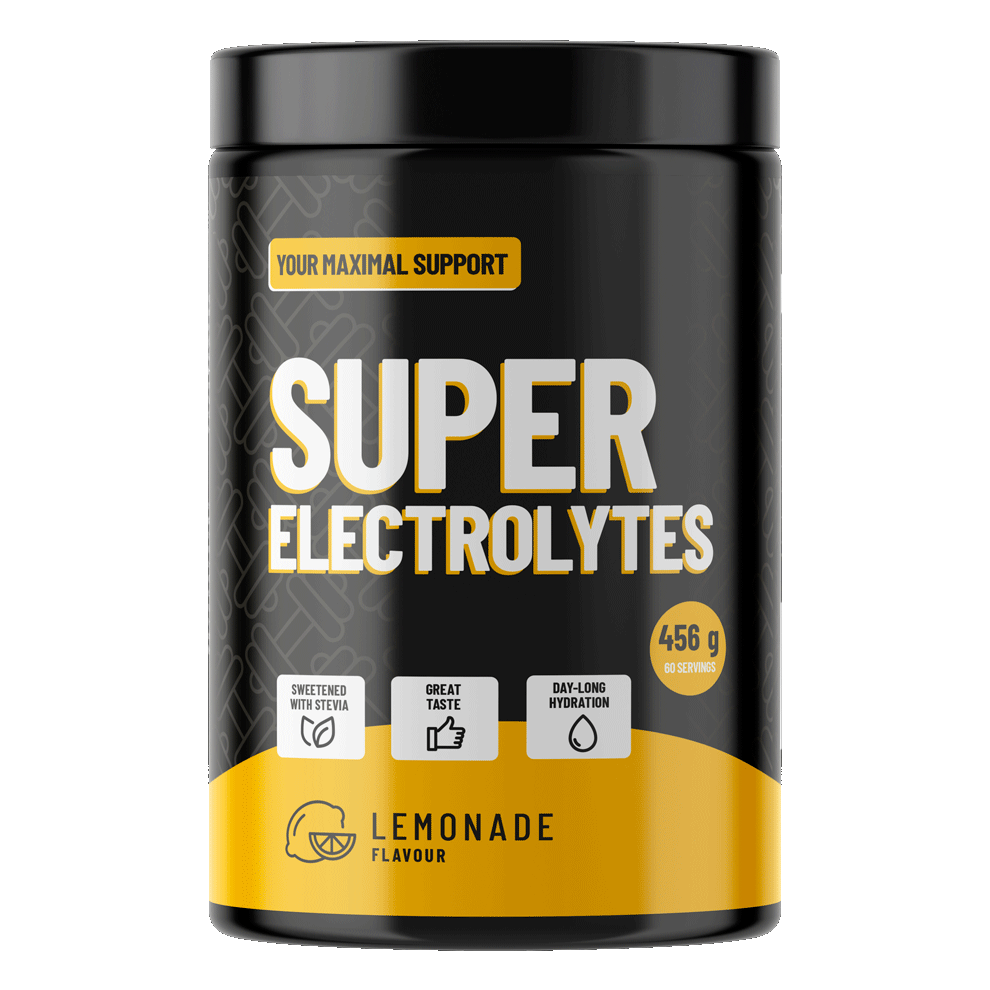
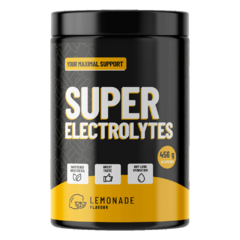
New Super Electrolytes from Supertrener.com delivers bulk, refreshing lemon-flavored electrolytes to boost your performance!
Quality multivitamin
At the top of the supplementation pyramid, it couldn't be any other than a multivitamin. Why? First and foremost, if you want to perform, you need to have solid health and plenty of minerals. However, many people believe that if they have a varied enough diet, they don't need a multivitamin. This may not be true. Some nutrients are under-represented in foods, and some food ingredients also inhibit the absorption of certain nutrients.
If you play sports, the need for micronutrients increases significantly as your body loses them during training. This is due to a number of factors - the loss of minerals in sweat and urine, as well as the need for more of them in energy production during exercise, as well as use for recovery processes and protein synthesis after training. The need increases especially if you are in a calorie deficit. Investing in a multivitamin should be at the very beginning of your supplementation plans.
Incorporating a multivitamin is beneficial for health, whether it's for bones, skin, healthy appearance or organ function. A quality multivitamin plays an equally important role in supporting athletic performance. If you want to read more about choosing a multivitamin, check out this article.
Creatine
You don't often hear the phrases creatine and endurance together in the same sentence. We associate creatine more with strength and speed - for good reasons, of course. There are hundreds of published research studies proving the benefits of using creatine as a very effective aid to improving muscle strength and volume. Many may argue that creatine has no place in the supplement rankings for endurance athletes, but they are wrong.

If we look at the list of direct effects of creatine - which include an increase in phosphocreatine stores, a rapid increase in ATP production and improved anaerobic performance - it's actually pretty clear that creatine supplementation can offer indirect benefits to runners, cyclists and triathletes, helping them take their training to the next level! Creatine supplementation has been shown to reduce the time required for recovery during repeated hard workouts and increase performance at the lactate threshold. The lactate threshold refers to the intensity of exercise at which lactate (lactic acid) begins to accumulate in the bloodstream. If an athlete exceeds this threshold, fatigue will begin to set in more and more quickly. With creatine supplementation, you can achieve improvements in speed, power output, delaying the onset of fatigue during training, leading to better performance overall.
Recommended dosage?
The recommended optimal dosage to support endurance performance is about 3-5 grams per day. However, skip the traditional saturation phase that is often used when supplementing with creatine. The initial weight gain that is caused by higher water retention may slow performance slightly.
Caffeine
Caffeine has long been used by athletes across sports for its performance-enhancing effects, and it's no different for endurance athletes. Not only does it wake you up before morning workouts, but caffeine's ability to reduce perceived exertion and help delay fatigue can make those longer workouts more bearable.
Many studies have been conducted showing the benefits of caffeine use for endurance performance, including improvements in cycling, skiing and mileage. As an added bonus, caffeine may increase fat oxidation, which can help with weight management. Since caffeine reaches its highest concentration in the blood in about an hour after ingestion, it is advisable to take it about 60 minutes before a race so that it can help you perform during it. Caffeine can also improve vasodilation, which is the term for the widening of blood vessels. This allows more blood to flow to the muscles, allowing more oxygen and more nutrients to be delivered to them, leading to increased endurance.

And although caffeine is a diuretic - meaning it increases urine production - recent research results suggest that caffeine consumption does not cause water and electrolyte imbalances or negatively affect exercise tolerance.
Recommended dose?
The optimum dose of caffeine is individual, depending on the individual's physical disposition and caffeine tolerance. The amount should be somewhere between 1-5 milligrams per kilogram of body weight before training. But it certainly doesn't mean that more caffeine = better performance.
Beta alanine
You will already know about beta-alanine from previous articles that it has the ability to stimulate performance and delay the onset of fatigue during higher intensity workouts . But are these benefits relevant to endurance athletes as well? Why not! After all, it doesn't mean that endurance athletes only train based on low-intensity activities.
Pace while running, during a race, or even while lifting weights - these are all activities that can benefit from beta alanine supplementation to improve their performance. Several studies conducted on cyclists and observations of runners have concluded that beta alanine supplementation can indeed boost performance in these ways.
During high-intensity training, your body accumulates hydrogen ions. These hydrogen ions contribute to a lowering of pH, which ultimately leads to fatigue. Beta-alanine, an amino acid derivative, has been shown to increase intramuscular carnosine content, which may increase the body's ability to buffer the effects of hydrogen ions, potentially delaying fatigue and improving exercise performance, increasing training volume and reducing the perception of fatigue.
Recommended dosage?
The recommended dosage is around 3-6g perday, spread over several doses throughout the day to avoid the negative effects of beta alanine in the form of itching, tingling and numbness in the extremities.
Protein
Even endurance athletes need plenty of protein, so protein is a very suitable and desirable supplement for them! It doesn't matter if you are a proponent of a low-carb diet, a low-fat diet, eat gluten-free, lactose-free, or are perhaps a vegetarian, in any case you need enough protein to perform well and ensure much needed recovery.In the dietary recommendations for endurance athletes you will usually read much more often about the need for carbohydrates, but sufficient protein intake must not be forgotten either, because they are important, as we have already mentioned, to ensure optimal recovery processes, and proper muscle nutrition.
In addition, when you exercise for a longer period of time, your body starts to use protein as an additional source of energy, so it is even more important to consume enough protein to avoid significant muscle tissue loss! If you want to get the most out of a protein supplement, try consuming it with carbohydrates, as the combination of macronutrients can lead to a higher rate of protein and glycogen synthesis.
Recommended dosage?
The recommended dose of protein is based on your physical characteristics, the volume of training you do, and also how much protein you are able to take in your diet. So you can't shoot off the page with some random optimal dose of protein that endurance athletes should take. However, it is generally recommended that active individuals keep their protein intake around 1.6 - 2.2 grams per kilogram of body weight (of course, this is not just meant in protein powder!). This intake can be as low as slightly above three grams per kilogram of body weight during intense exercise or in the case of elite athletes.
Recommended

New 100% Whey Protein 800g 1+1
GymSupps XWhey Protein
Bcaa
BCAAs have been relatively neglected lately as a useless supplement. However, if you're going for a long run or bike ride, then bcaa shouldn't be missing from your bottle. BCAAs are really important for endurance athletes. One of the primary mechanisms of fatigue onset during exercise is free tryptophan passing through the blood-brain barrier (BBB). The downside of tryptophan is that it facilitates the release of certain neurotransmitters - particularly serotonin - that can affect the onset of drowsiness, fatigue and ultimately mood.
Because BCAAs and tryptophan overlap on the same protein carrier, increasing BCAA concentrations may help reduce the amount of tryptophan passing from the BBB, which may delay the onset of fatigue. And there's more: BCAA metabolism has been shown to reduce lactate production, potentially increasing your endurance capacity. A significant body of evidence also suggests that BCAAs may reduce skeletal muscle protein breakdown and support recovery and immune response after exercise.
Recommended dosage?
The recommended dosage is about 3-6 grams before or during exercise. A 2:1:1 leucine:isoleucine:valine ratio seems to be most beneficial.
Glutamine
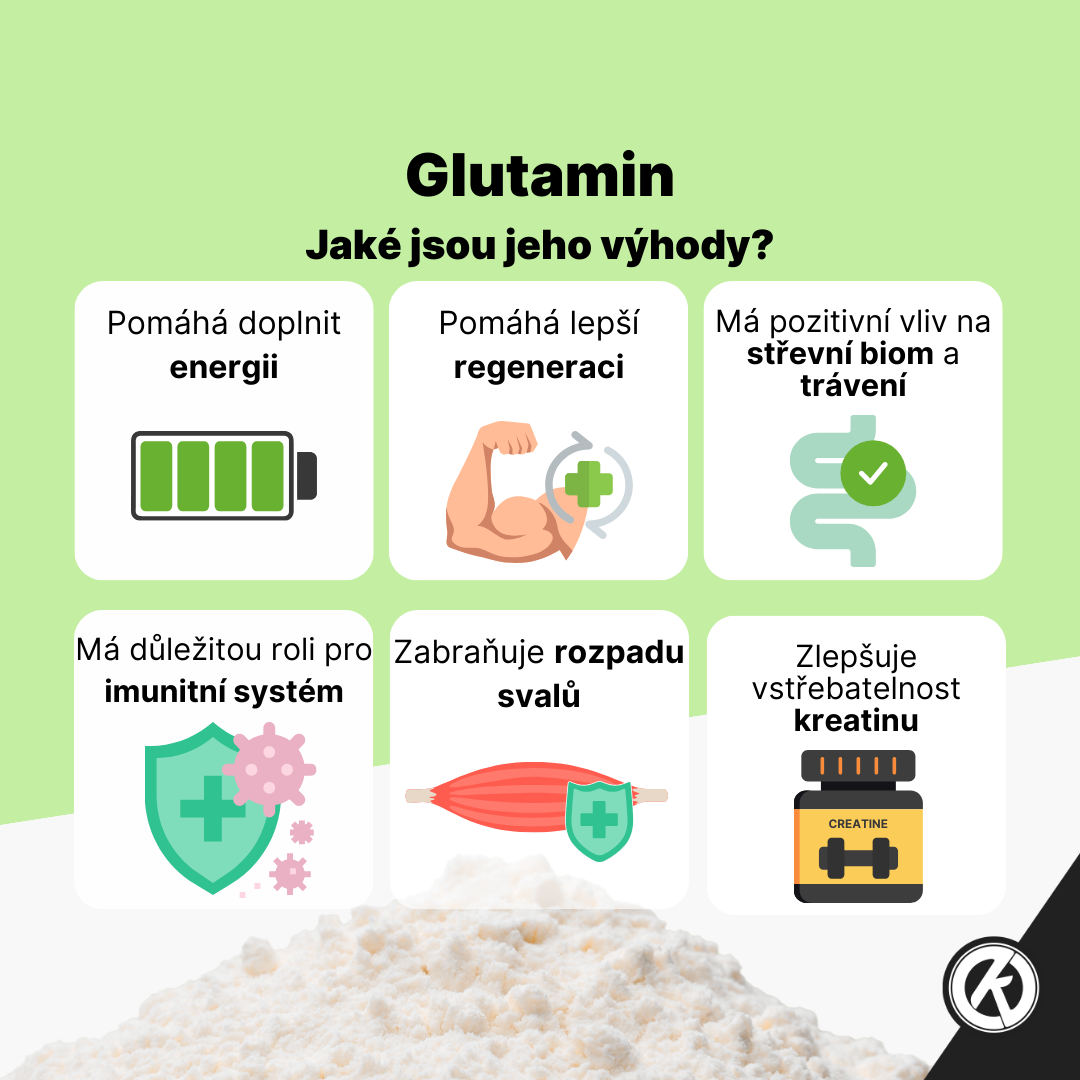
Glutamine is the most abundant amino acid in the human body, so why is it still a good idea to supplement? Intense physical activity can actually deplete your glutamine stores faster than your body is able to replenish them, which can, unfortunately, cause your body to start breaking down its own muscle mass, leaving you in a catabolic state. Glutamine has anti-catabolic effects, so itwill help you combat the breakdown of your own muscle mass. Low glutamine levels can also compromise your immune system, increasing your risk of infections.
Recommended
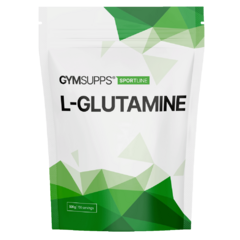
GymSupps L-Glutamine
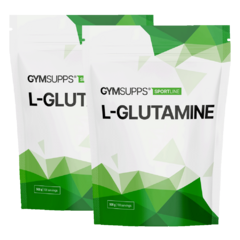
L-Glutamine 500g 1+1
Glutamine supplementation has been shown to aid recovery, including boosting immune function after exhaustive exercise. One study investigated the effect of glutamate supplementation on over 200 runners and rowers in relation to their training and the development of infections due to training load. It concluded that 81 percent of the athletes who supplemented with glutamine showed no development of infection after intense training, compared to only 49 percent in the placebo group. In short, this study suggests that glutamine supplementation can increase your resistance to infection after strenuous exercise over an extended period of time, helping you train hard while recovering faster.
Of course, glutamine offers many more benefits - it has a positive effect on the gut biome, positively influences nitrogen balance, provides regulation of acid-base balance in the kidneys, can help improve sleep quality, improves creatine absorption, promotes protein synthesis, and we could go on.
Recommended dosage?
Optimal intake is (as with most supplements) individual. However, there is definitely no need to overdo its supplementation somehow. The daily dose can range from 5 - 20g, It seems ideal to divide the daily dose into two-three portions, specifically the best times for its supplementation are mornings, after training and before bedtime. No side effects associated with excessive supplementation have been proven with certainty so far, but it's really unnecessary to overdo it somehow.
What to take away from the article?
Even endurance athletes are not deprived of the benefits of taking supplements, they just don't really talk much about their effects for them. A quality multivitamin should be the foundation of any supplementation, and you can also use all of the supplements mentioned above to help you perform better and train even harder. However, don't just rely on supplements and pay attention to a varied and calorie-rich enough diet and give your body the optimal amount of time for recovery.
Recommended
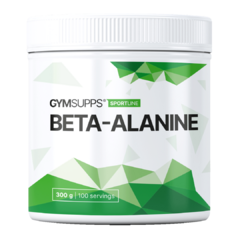
GymSupps Beta Alanine
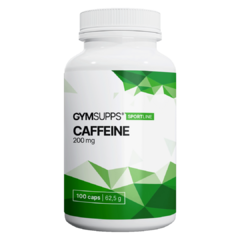
GymSupps Caffeine

Creatine Monohydrate 500g 1+1
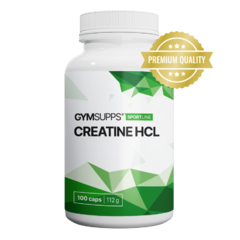
GymSupps Creatine HCL
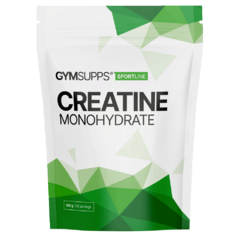
GymSupps Creatine Monohydrate
Sources:
https://journals.lww.com/nsca-jscr/Abstract/2002/02000/Effect_of_Recovery_Interval_on_Multiple_Bout.17.aspx
https://www.ncbi.nlm.nih.gov/pubmed/23164647
https://www.ncbi.nlm.nih.gov/pubmed/22142020
https://www.ncbi.nlm.nih.gov/pubmed/24978834
https://www.tandfonline.com/doi/abs/10.1080/02640410500231496
https://www.ncbi.nlm.nih.gov/pubmed/23591294
https://www.ncbi.nlm.nih.gov/pubmed/17620932
https://www.ncbi.nlm.nih.gov/pubmed/19276843
https://jissn.biomedcentral.com/articles/10.1186/1550-2783-7-20
https://www.ncbi.nlm.nih.gov/pubmed/23630052
https://www.ncbi.nlm.nih.gov/pubmed/1299483
https://www.ncbi.nlm.nih.gov/pubmed/16424144
h
No posts have been made yet.








