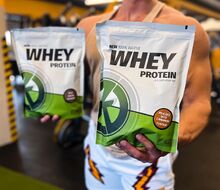
Why take protein?
 Author:
 If you exercise regularly, are trying to lose weight, or just want to improve your lifestyle, you've probably already come across the question why drink protein or why eat protein? Protein is one of the basic building blocks of our bodies and a sufficient intake of protein is crucial for proper muscle function, immune system and overall health. In today's article, we will look at protein effects from a scientific perspective and explain why it is advisable to include protein supplements in your diet.
Article Content:
- What is protein and why is it important
- The optimal amount of protein
- Why take a protein supplement
- The science behind taking protein
- How and when to consume protein
- What to watch out for
What is protein and why is it important
Proteins (proteins) are macronutrients composed of amino acids that are essential for a wide range of processes in our bodies:
- Muscle building and recovery: protein is the basic building material of muscle tissue. Protein is the building block of muscle fibers, and protein helps repair and grow them.
- Hormones and enzymes: Many hormones and enzymes in our body are made up of amino acids. They allow the body to regulate digestion, mood or metabolism.
- Transport of substances: Proteins also help transport nutrients, oxygen and other important substances through the blood.
Insufficient protein consumption can lead to fatigue, poor recovery after exercise or even weakened immunity.

Optimal amounts of protein
The recommended daily intake of protein varies from person to person and depends mainly on the level of physical activity, age and body weight. According to a study published in the Journal of the International Society of Sports Nutrition (JISSN), active individuals are recommended to consume 1.4-2.0 grams of protein per kilogram of body weight per day .1 For recreational athletes, the recommendation is more at the lower end (1.2-1.6 g/kg), while intensely trained athletes may benefit from a higher intake.
Why take a protein supplement
a) Support muscle growth and recovery
The essential protein effects include accelerating recovery and building muscle mass more efficiently. 2 Studies show that adequate protein intake increases muscle protein synthesis (muscle protein synthesis) and helps to protect muscle during a weight loss diet.
b) Weight control
Protein helps to induce satiety and maintain stable blood sugar levels. So if you include more protein in your diet, you can reduce the risk of overeating and better control your energy intake. This is also why many people are looking for an answer to the question of why eat protein specifically in relation to weight loss.
c) Practical form
We don't always have the opportunity to get enough protein from our regular diet - for example, if we're at work during the day or travelling. Why drink protein? A protein drink is a convenient and quick solution that can be easily adapted to individual needs. In addition, there are a variety of types (whey, vegetable, beef, etc.) and flavours, so that everyone can find their favourite variant.

Scientific knowledge about the use of protein
- Whey protein (Whey): It is fast digesting and high in essential amino acids, especially leucine, which is key for muscle growth 3.
- Casein: Digests more slowly, which can help with the slow release of amino acids during the night.
- Plant proteins (peas, rice, soy): can be a great choice for vegans or people with lactose intolerance. Even for them, research confirms a similar beneficial effect on muscle growth if sufficient essential amino acids are provided 4.
How and when to consume protein
- After training: During the "anabolic window" (i.e., the period after training) there is an increased sensitivity of the muscles to nutrient supply. Researchers recommend taking 20-40 g of protein within 1 hour after exercise 1.
- During the day: For better results, an even distribution of protein throughout the day is useful. Instead of two large meals, try including four to five smaller meals, each containing high-quality protein.
What to watch out for
- Product quality: when choosing a protein, look for the quality of the ingredients, the nutrient content, and the amount of added sweeteners or fillers, if any.
- Intake of other macronutrients: remember that protein is not a catch-all. You must ensure adequate intake of carbohydrates, fats and micronutrients (vitamins and minerals) for optimal health.
- Consult a professional: If you are not sure how much protein you need, it is a good idea to consult a nutritionist or doctor.
Conclusion
Protein is an indispensable part of the diet of anyone seeking better athletic performance, weight loss or overall health. Their effects are seen in improved recovery, muscle growth and maintenance, or increased satiety throughout the day. So if you're still hesitant about why you should drink protein, consider whether you can include enough quality sources in your daily protein intake. And if not, a quality protein supplement can help you meet your recommended intake efficiently and conveniently.
Recommended
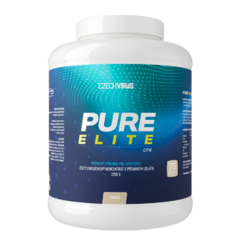
Czech Virus Pure Elite CFM
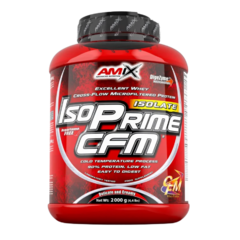
Amix Isoprime CFM
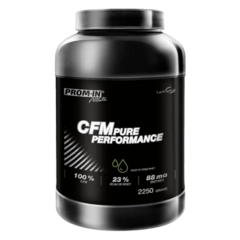
Prom-in CFM Pure Performance

Links and resources
- Jäger, R. et al. (2017). International Society of Sports Nutrition Position Stand: protein and exercise. Journal of the International Society of Sports Nutrition, 14(20).
- Cermak, N. M. et al. (2012). Protein supplementation augments the adaptive response of skeletal muscle to resistance-type exercise training: a meta-analysis. The American Journal of Clinical Nutrition, 96(6), 1454-1464.
- Tipton, K. D. et al. (2007). Stimulation of net muscle protein synthesis by whey protein ingestion before and after exercise. American Journal of Physiology-Endocrinology and Metabolism, 292(1), E71-E76.
- Joy, J. M. et al. (2013). The effects of 8 weeks of whey or rice protein supplementation on body composition and exercise performance. Nutrition Journal, 12(86).
No posts have been made yet.