Does protein make you fat?
 Author:
 Protein supplements (protein powders, bars, concentrates or isolates) are very popular among active individuals, athletes and visitors to fitness centres. This is due to the desire to promote muscle growth, improve recovery and ensure sufficient protein intake, even if your diet is not always perfect. Despite their popularity, however, the question still arises, " Does protein make you fat?"
In order to answer this question, it's essential to focus on a few key factors. These include energy balance, metabolism, the thermic effect of protein, and the effect of protein on satiety, all in the context of protein supplements such as whey protein, casein, soy or pea protein, and other plant-based options.
Article content:
- Energy balance and protein supplement intake
- Thermal effect of proteins and satiety
- Support for muscle mass, basal metabolism and body composition
- What do the studies say about protein supplements?
Energy balance and protein supplement intake
A key principle of weight gain is energy balance: if you take in more calories than you burn, the excess is stored in fat stores - regardless of the energy source. Protein supplements, whether whey, casein or plant-based, are a concentrated source of protein and with it a certain amount of calories. This means that if you increase your total energy intake by adding a few scoops of protein a day without restricting calories from other sources or increasing your energy expenditure, weight gain can occur.
However, it must be stressed that this weight gain does not automatically mean an increase in fat mass. Protein supplements are often used in the context of strength training and muscle building, which can lead to increased body weight, but qualitatively different - more muscle, less fat if diet and training are optimized.
Thermal effect of protein and satiety
Protein supplements, especially whey isolates or hydrolysates, are rapidly absorbed and are characterised by a relatively high thermic effect of food (TEF), i.e. increased energy expenditure during digestion and metabolisation. Compared to carbohydrates and fats, proteins generally have the highest TEF, which means that some of the calories from protein supplements are burned directly during their processing by the body.
At the same time, protein, even in the form of protein drinks, is relatively filling. Adding a protein supplement between main meals or as part of a snack can help reduce appetite and thus overall energy intake. If you limit inappropriate snacks or late night "raids" on the fridge with protein supplements, the result can be better weight control, not weight gain.
Support muscle mass, basal metabolism and body composition
Adequate protein intake, whether from food or supplements, is key to the growth and maintenance of muscle mass. More muscle means a higher basal metabolic output - muscle consumes more energy than adipose tissue at rest. So if you train and take protein supplements at the same time, you are increasing the potential for optimizing body composition (more muscle, less fat). The result can be that even with the same number on the scale, you have a leaner, more muscular physique, and again, these are not conditions that clearly lead to "getting fat".
What do the studies say about protein supplements?
Scientific studies and literature reviews published in journals such as the Journal of the International Society of Sports Nutrition, the American Journal of Clinical Nutrition, and Obesity Reviews show that incorporating protein supplements into the diet can be an effective strategy for reducing body fat and maintaining lean muscle mass, especially when supplemented with regular resistance training. These studies further confirm that protein supplements alone are not the culprits of uncontrolled weight gain. Rather, the increase in fat stores is due to too high an energy intake per se.

Conclusion
So does protein supplements make you fat? There is no direct causal link between the use of protein supplements and increases in body fat, as long as total calorie intake is controlled. Protein supplements in themselves do not lead to weight gain, rather they facilitate muscle building and maintenance, contribute to increased satiety and promote overall control of energy intake. Weight gain - especially in the form of fat - will only occur if excess calories (whether from protein, carbohydrates or fat) exceed your energy expenditure.
In short: if you incorporate a protein supplement into a balanced diet and regular training, it will not result in fat gain per se, but will instead support the maintenance or improvement of body composition and quality muscle mass.
Recommended

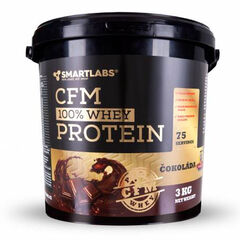
Smartlabs CFM 100% Whey Protein
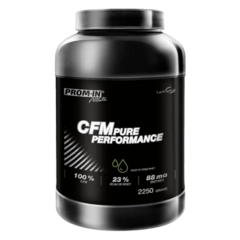
Prom-in CFM Pure Performance
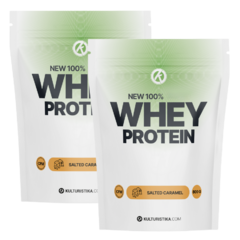
New 100% Whey Protein 800g 1+1
No posts have been made yet.