





Is it better to drink protein with milk or water?
 Author:
 If you've ever had a protein drink, you've probably wondered, "Should I mix it with water or milk? "The answer isn't completely black and white - it depends on what you like, what your goals are, and what your body can tolerate. Let's break it down.
Article Content:
- Introduction
- Protein with water: the lighter choice
- Protein with milk: creamy goodness
- Calorific value and target purposes
Introduction
Protein supplements are nowadays an essential part of the diet of many athletes, bodybuilders or people seeking to increase muscle mass or recovery after a hard workout. The basic question of whether to mix protein with milk or water is not just a matter of taste, but involves a number of nutritional and metabolic factors.
Protein with water: the lighter choice
Mixing protein with water has several advantages, especially if you're trying to lose weight or watch your calories. Water is calorie-free, so your drink stays light. Plus, protein with water is absorbed faster, which is great after a workout when your muscles need to replenish nutrients quickly.
If you have a sensitive stomach or have a hard time tolerating milk, water is the obvious choice. Plus, it's convenient - you don't have to wonder if you have milk in the fridge, and you can prepare your protein anytime, anywhere.
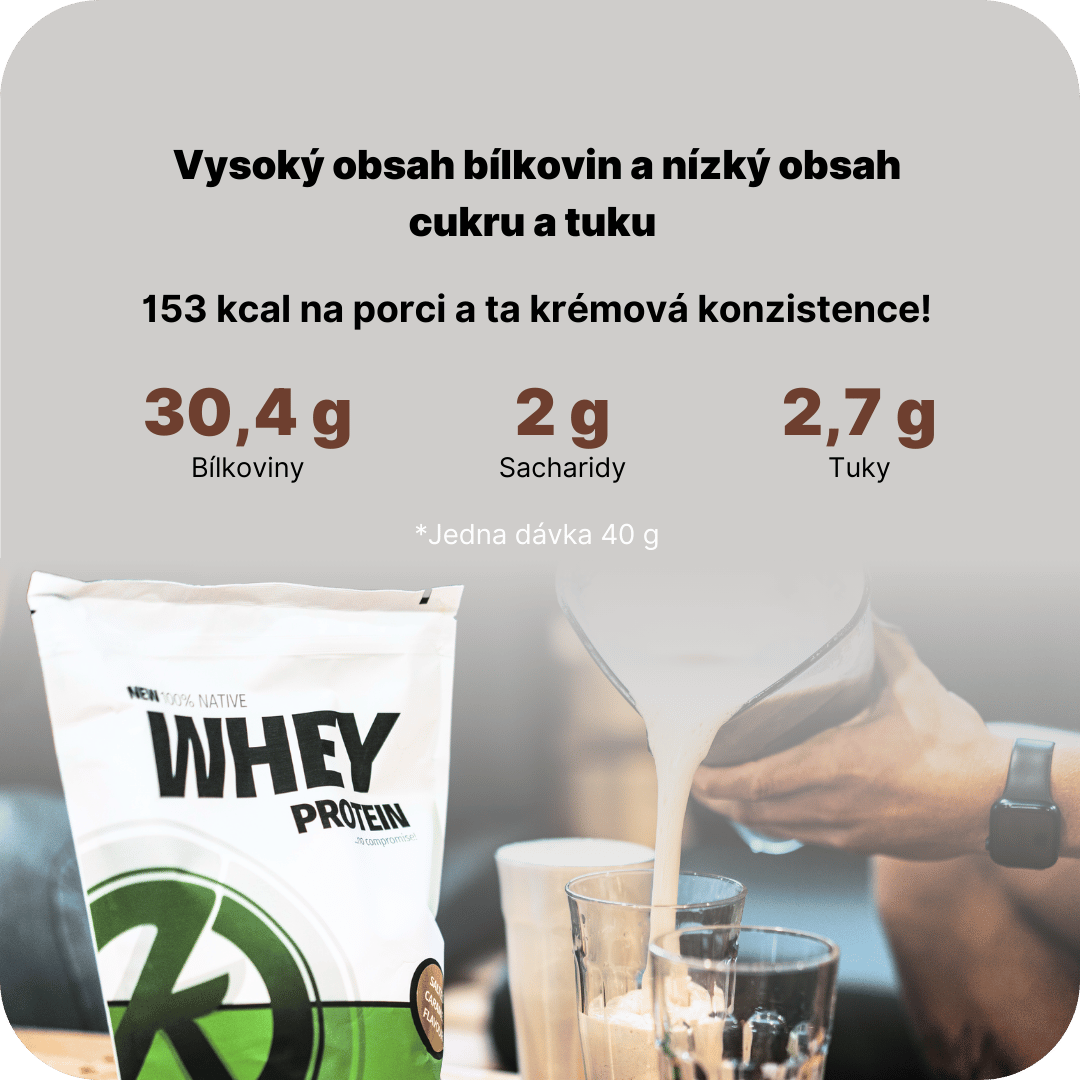
Protein with milk: creamy goodness
If you care about taste, milk wins hands down. The drink is creamier, tastier and feels more like a dessert. Milk also adds extra nutrients to your drink - protein, carbohydrates and some fat. This is especially handy when you're trying to gain muscle mass or need more energy during the day.
Plus, the combination of protein and milk also has the advantage that milk contains casein, a protein that is slower to digest. This is ideal before bedtime, for example, because your body will have a supply of protein even during the night.
Effect on the digestive process and absorption rate
The speed of digestion is another criterion that can influence the choice of liquid. Milk, due to its fat and casein content, slows down digestion and leads to a more gradual release of protein. This effect is particularly desirable before a prolonged period without food (e.g. before bedtime) or in situations where the emphasis is on long-term recovery. Water, on the other hand, allows for faster absorption of amino acids, which is optimal immediately after an intense workout when the body needs rapid nutrient availability.
Individual preferences and health aspects
However, not everyone can tolerate milk without problems. People who are lactose intolerant or allergic to cow's milk may experience digestive problems when consuming it. For these individuals, water is not only safer but also contributes to better digestion and overall comfort. On the other hand, some athletes prefer the taste and consistency of shakes with milk, which can have a positive psychological effect and contribute to overall satisfaction with the supplemental diet.
Caloric value and target purposes
When choosing a fluid, it is important to consider the individual's overall caloric intake and goals.
- For gaining muscle mass: If the goal is to increase muscle mass and energy balance is not strictly monitored, milk may be preferable. In addition to the additional protein, it contributes to the overall caloric surplus, which is crucial for muscle growth.
- For body fat reduction: For individuals who want to maintain or reduce body weight, water is preferable. The lower caloric value helps keep the energy balance under control and prevents unnecessary calorie surplus.
When to choose what?
- After training: Water is better as it will provide a quick protein replenishment.
- Before going to bed or for a snack: Milk is a great choice as it will keep you full for longer.
- When losing weight: Water will help reduce calorie intake.
- When gaining muscle: Milk will provide extra nutrients to support muscle growth.
What works best for you?
In the end, though, it's up to you. If protein and water sounds like a badly flavored juice to you, reach for milk. And if you're more concerned with functionality than taste, water is a practical and simple option.
Conclusion
When deciding what to mix protein with, it depends on your goals. Mixing protein with water is ideal for quick absorption, which is convenient post-workout. Conversely, mixing it with milk will give the drink a creamier taste and more calories, which can be useful for those looking to increase energy intake.
If you prefer a thicker consistency, you can add protein to yogurt. To achieve a smooth mixture, we recommend mixing a measured amount of protein powder with a small amount of yogurt first, gradually adding more spoonfuls and always mixing thoroughly. This will prevent lumps from forming and produce a smooth protein yoghurt.
When making a protein drink, it is important to know how to mix the protein with water. It is usually recommended to mix one scoop of protein with 250-300 ml of water. This ratio will ensure optimal consistency and absorption of the drink.
The choice between water, milk or yogurt depends on your individual preferences and goals. Experiment with different combinations to find the best one for you.
Recommended
Smartlabs CFM 100% Whey Protein
Prom-in Pentha Pro Balance

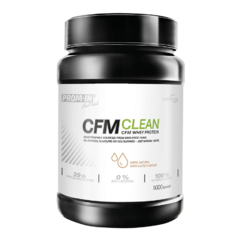
Prom-in CFM Clean
No posts have been made yet.








