





What is protein and what is it for
 Author:
 Protein, also known as protein, is the basic building block of life. It is present in all cells of our body and is essential for many biological processes. Protein consists of amino acids, which are organic compounds that play a key role in building muscle mass, repairing tissues, producing enzymes and hormones, and supporting the immune system. Protein is one of the three main macronutrients along with fats and carbohydrates, but its importance goes far beyond a mere source of energy.
Article Content:
- What is protein and what is it good for?
- What are the functions of protein in the body?
- Protein supplements: a modern tool for an active life
- Conclusion
What is protein and what is it good for?
Short, clear and straightforward
Protein, also known as protein, is a key component of human nutrition, made up of amino acids that promote tissue growth and regeneration. These nutrients are essential for the production of enzymes and hormones, helping to build muscle mass and ensure the proper functioning of the entire body. Athletes use them for recovery and performance enhancement, contributing to better results and faster recovery after training.
Consuming protein in optimal amounts is beneficial for health because it supports the immune system, maintains the health of skin, hair and nails, and helps regulate blood sugar levels. Although the terms "protein" and "proteins" are often used interchangeably, their functions are identical, involving tissue repair and nutrient transport throughout the body. Popular fruit proteins are a tasty and nutritious way to replenish needed nutrients after a hard workout, combining high protein with the natural sweetness of fruit.
What are the functions of protein in the body?
Protein performs many essential functions:
- Building function: they are the main building blocks of muscles, skin, hair, nails and connective tissues.
- Repair and growth: They help repair damaged tissues after physical activity or injury.
- Transport of substances: Some proteins, such as hemoglobin, carry important substances, such as oxygen in the blood.
- Process regulation: Hormones and enzymes that regulate body processes are proteins.
- Energy source: If the body does not have enough carbohydrates and fats, it can also get energy from protein.
Protein supplements: a modern tool for an active life
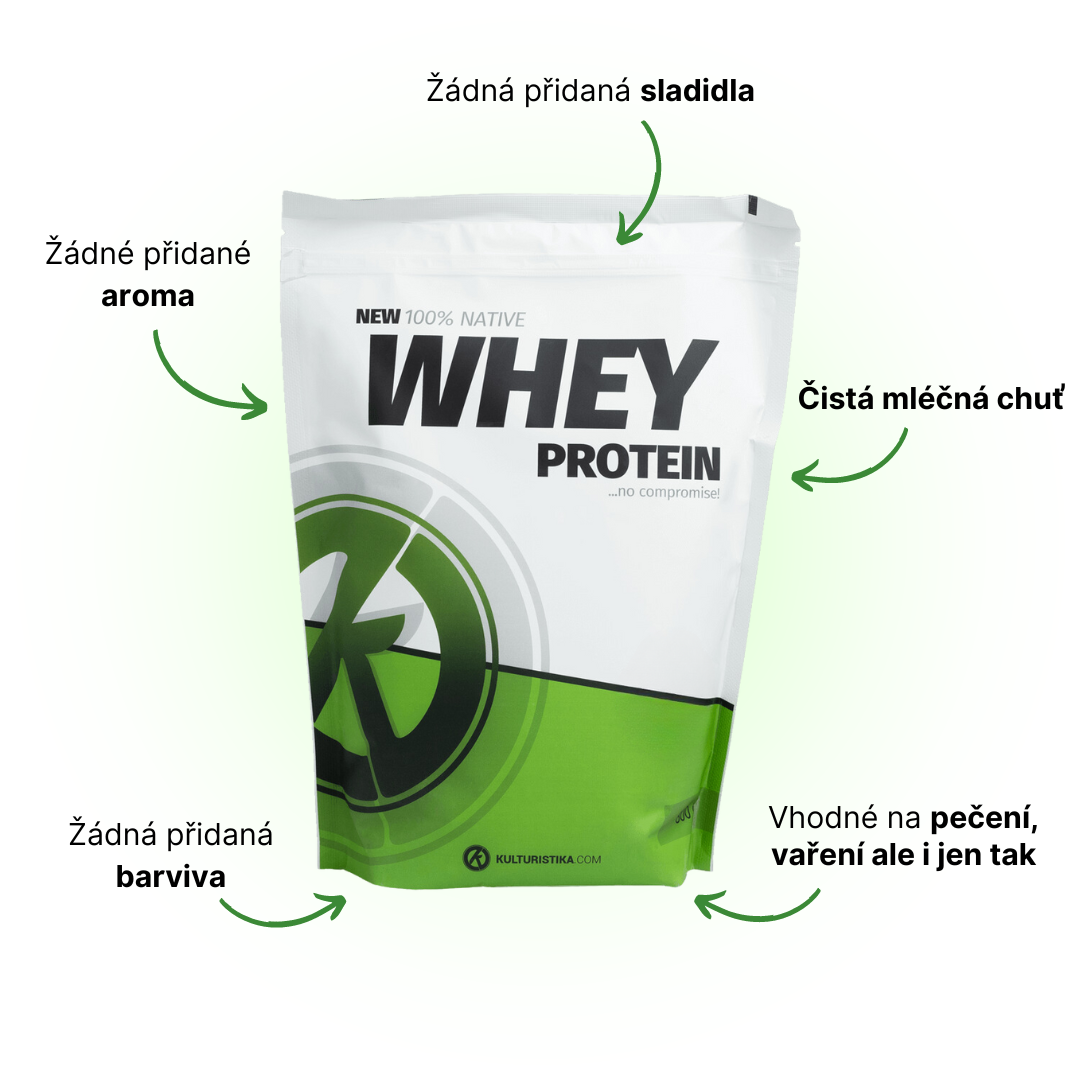
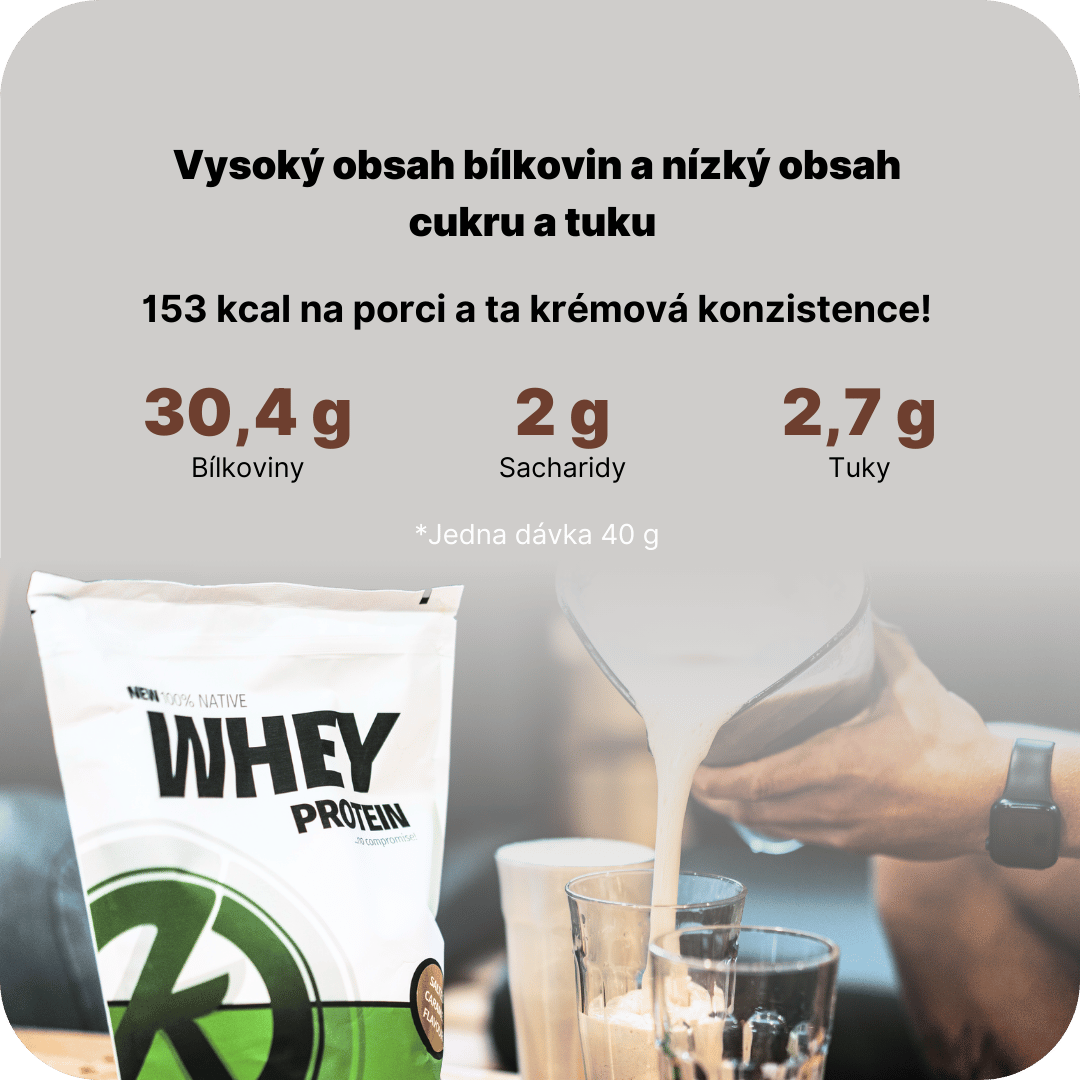
Nowadays, the term "protein" is often associated with protein supplements, which are a concentrated source of protein. These products, such as New 100% Whey Protein, are designed to help meet higher protein needs, especially in active individuals. Whey protein is processed from milk and is valued for its rapid absorption and high content of essential amino acids such as leucine, which is key to stimulating muscle growth.
What is protein?
Protein is the building block of our bodies and it is important to know what protein is in order to be able to incorporate it properly into our diets. What is protein made of? It is the chains of amino acids found in foods such as meat, dairy products, legumes or eggs. What does protein contain? Virtually every protein food provides important substances for muscle recovery and immunity support. Protein's effects are therefore wide-ranging - it not only contributes to the growth and maintenance of muscle mass, but also aids in the production of enzymes and hormones that ensure the proper functioning of the body.
Why use protein supplements?
Protein supplements offer several benefits:
- Effective recovery.
- The combination of regular training and sufficient protein intake promotes the formation of new muscle tissue.
- Protein drinks or barsare a practical solution for busy individuals who don't have time to cook.
- Weight loss support: thanks to their satiating properties, protein supplements help regulate hunger and protect muscle mass during weight loss.

Types of protein supplements
There are many types of protein supplements on the market, each with their own benefits:
- Whey protein: ideal for fast recovery after a workout.
- Casein.
- Plant proteins: Pea, rice or soy protein, for example, are great choices for vegans.
- Multi-ingredient proteins: combine different protein sources to offer the benefits of both fast and slow absorption.
How to use protein supplements?
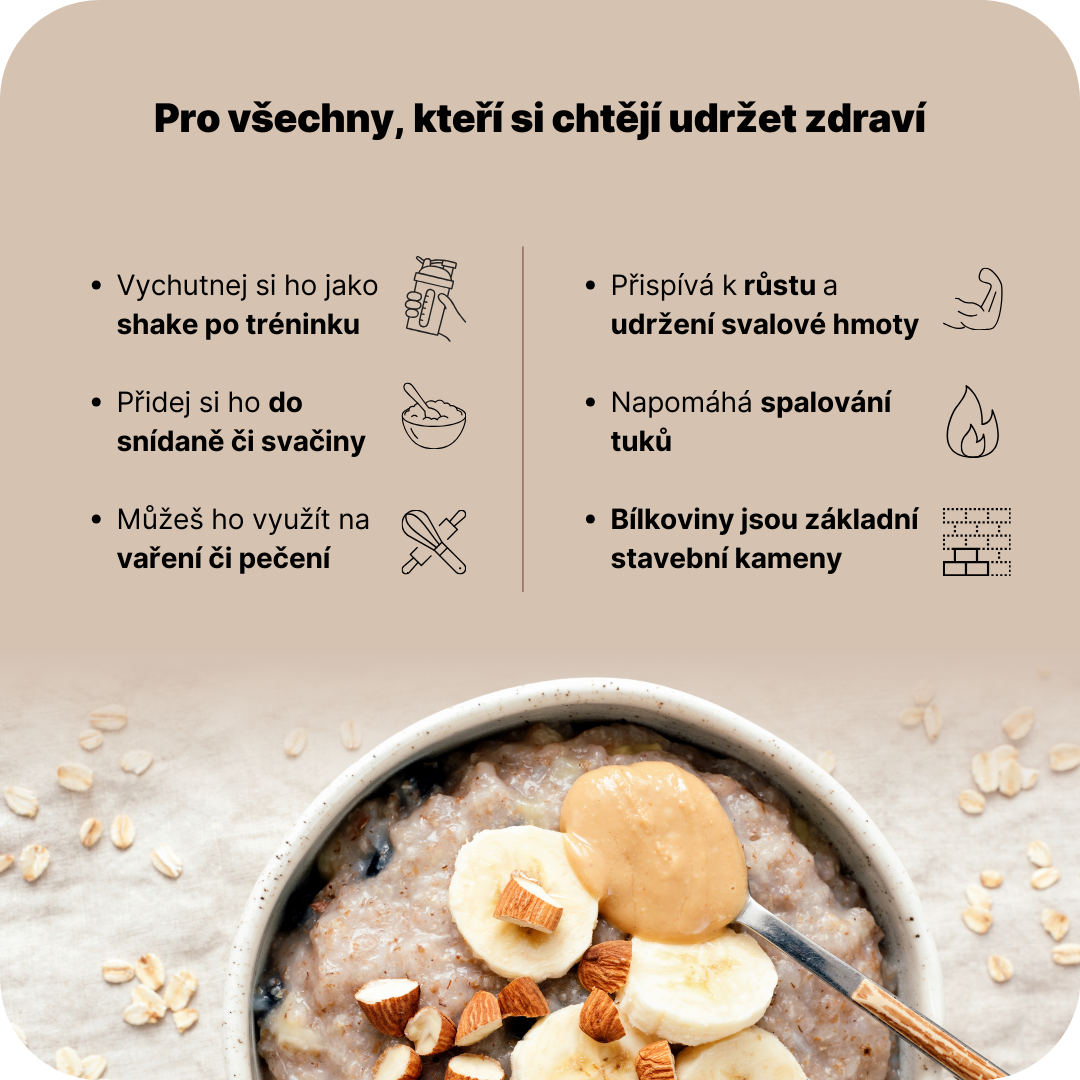
You can incorporate protein supplements into your diet in several ways:
- After a workout: A quick dose of protein helps kick-start muscle recovery.
- Morning: After an overnight fast, a protein shake can give your body the nutrients it needs.
- At bedtime.
- Anytime during the day: If you don't have time for a full meal, a protein shake is a quick and nutritious alternative.
.png)

Conclusion
Protein is an essential component of a healthy diet, without which our body cannot cope. Whether you're a top athlete or just trying to improve your fitness, protein supplements like New 100% Whey Protein can be a great tool on the road to your goals. Remember, however, that a quality diet should always come first, and supplements only complement it appropriately. A proper approach to nutrition along with exercise is the key to vitality and health.
Recommended
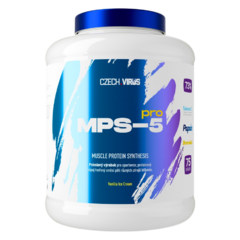
Czech Virus MPS-5 Pro

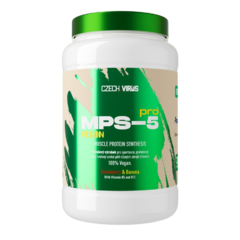
Czech Virus MPS-5 Pro Vegan
No posts have been made yet.








