Can I consume protein after it has expired?
 Author:
 Within fitness nutrition and supplementation, protein powder has become one of the most popular and commonly used dietary supplements. Therefore, the question of whether it is possible to consume expired or post-expired protein arises quite often. In the following article, we will look at the factors that affect the quality and safety of protein supplements after the expiry date, backed up by credible information from scientific sources.
Article content:
- What do expiry dates and best before dates mean?
- What are the potential problems with expired protein?
- Is there scientific evidence of safety?
- Recommendations for consuming protein after the expiration date
What does expiration date and best before date mean?
Two forms of labelling are usually given for foods and dietary supplements:
- Minimum durability date (DMT): This indicates, for some products, how long the product will retain its claimed quality if stored properly. After this date, the food may lose taste, texture or nutritional value, but is not necessarily unhealthy.
- Best before date (expiry date): Consumption after this date is not recommended as it may increase the health risk (e.g. for perishable foods).
Protein powders usually indicate a best before date. It is common in the scientific literature that dry and well stored protein products (whey protein, casein, pea protein, etc.) have a relatively long shelf life due to their low water content and appropriate packaging.

What are the potential problems with expired protein?
- Decreased protein quality: chemical reactions such as the Maillard reaction (the interaction of amino acids and sugars) can gradually degrade the quality of the protein. Scientific studies (e.g. publications in the journal Food Chemistry) show that prolonged storage at higher temperatures or exposure to moisture can reduce the biological value of protein and its solubility.
- Loss of flavour and texture: after expiry, the flavour profile and aroma of the protein may change. The rancidity of the fats in the product can cause an unpleasant odour, although the lower fat content of a good quality whey protein will usually minimise this problem.
- Microbial contamination: although protein powder is a dried product with low moisture content, which prevents the growth of most pathogens, improper storage (e.g., exposure to moisture, repeated opening, and clogging with dirt) can result in the growth of fungi or bacteria. Studies in the food industry have repeatedly pointed to the need to store protein powders in a dry, dark and stable temperature.
- Loss of some nutrients: over time, levels of some vitamins and minerals added to fortified protein mixes may decrease. While this reduction is not essential for a healthy person, especially if they consume a balanced diet, it is good to allow for it.

Is there scientific evidence of safety?
Research and stability tests on protein powders (available in professional databases such as PubMed or food science journals) suggest that expired protein, if stored in its original, intact packaging under appropriate conditions, is probably still safe to eat for a short time after expiry. This is due to its low water content and relatively stable nutritional profile.
However, there is a lack of specific studies to establish a clear limit as to how long a protein powder is still completely safe and nutritionally valuable after the expiry date. Therefore, manufacturers' recommendations and current legislative standards should be followed.
Recommendations for the consumption of protein after expiry
- Check the appearance and smell: If the protein smells, has changed colour, texture, or has lumps and signs of mould, do not consume it.
- Taste test in minimal amounts: if the protein tastes strange or has an unpleasant aftertaste, discard it.
- Prefer storage in suitable conditions: keep the protein in a dry, dark place and at a stable temperature. This will minimise the risk of undesirable processes.
- Caution with longer intervals: If the protein is several months or years past its best before date, the risk of reduced nutritional quality and microbial problems increases. The health risk may not be high, but if you are investing in your health, it is better to buy fresh packaging.
Conclusion
Consuming protein after it has expired (marked protein expiry) is clearly not dangerous, especially if it is a quality product stored in ideal conditions and only shortly after the best before date. However, expired protein may have a lower nutritional value, a poorer taste and, if stored improperly, a higher risk of microbial contamination. The best solution is to take care of proper storage, check the sensory properties and, if in doubt, opt for buying a new pack.
Recommended
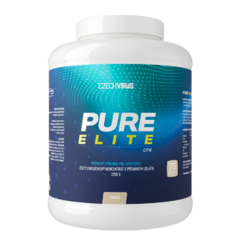
Czech Virus Pure Elite CFM
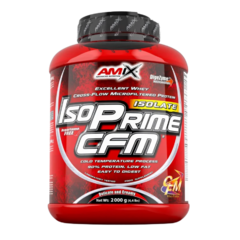
Amix Isoprime CFM

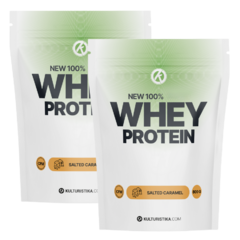
New 100% Whey Protein 800g 1+1
No posts have been made yet.