Protein overdose: Is it even possible?
 Author:
 In the fitness, bodybuilding and healthy lifestyle environment, we often encounter questions like " Can I overdose on protein?" . Once a person learns how crucial protein plays in the process of building and maintaining muscle mass, he or she naturally starts to explore how to get the most out of this macronutrient. After all, it is well known that protein intake during weight training is crucial for quality muscle recovery and growth.
In this context, not only the amount of protein is discussed, but also the appropriate sources. Some look for the best tasting protein, others ask which is the best protein for gaining quality muscle mass. So let's take a closer look at the possible effects of high protein intake, and especially whether we need to worry about overdosing.
Article content:
Why is protein so important?
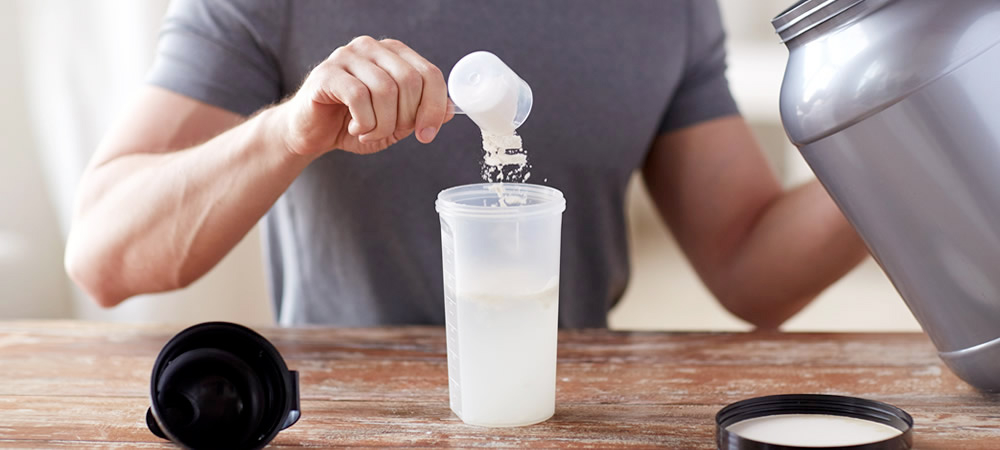
Protein is the building block of our bodies. They consist of amino acids that are essential for the formation and repair of muscle fibers, the production of enzymes, hormones and for the overall proper function of the body. If you work out regularly and are trying to improve your performance or increase muscle mass, you are probably increasing your protein intake as well. In this context, the question is often asked whether there is an optimal threshold beyond which higher intake provides no further benefits, or is even harmful.
Is there a risk of protein overdose?
Actual acute protein "overdose" in the sense of an immediate threat to life is very unlikely. The human body is quite adaptable and can deal with excess protein to some extent, for example by using it as a source of energy or by eliminating it. On the other hand, prolonged consumption of protein in extremely high doses may place some strain on the kidneys and liver, as these organs are involved in the metabolism of amino acids and the excretion of waste substances. In general, however, one would have to ingest extremely high amounts of protein over a very long period of time before a truly dangerous condition would occur.
To be specific, commonly recommended daily protein intakes are around 1.2-2.0 grams per kilogram of body weight. This can vary by gender, age, physical activity and goals. To determine the amount more confidently, a daily protein intake calculator can be used to take your individual parameters into account. Obviously, the daily protein intake of a woman who engages in recreational exercise will be lower than that of a top athlete or bodybuilder.
Side effects of excessive protein intake
Although it is not easy to "overdose" on protein to the point of fatal consequences, a number of unpleasant, albeit minor, problems can occur. If a person greatly exceeds the recommended daily intake, they may experience stomach pain after protein or nausea after protein. Rather, these problems often stem from consuming too much of a product at one time, the inappropriate composition of a particular product (e.g., large amounts of artificial sweeteners, fillers or lactose) or a combination with other inappropriate foods.
For some, digestive problems after taking a large dose of protein may also result from a lower production of digestive enzymes that help break down protein into amino acids. In this case, it may help to reduce the single dose and spread your protein intake over several servings throughout the day. Alternatively, try a different type of protein (whey, pea, rice or multi-ingredient) or consult a nutritionist.
Practicality and balance
It is important to remember that protein is not the only component of food that is important for health and performance. A well-designed diet takes into account not only protein intake, but also carbohydrates, fats, vitamins, minerals and fibre. Don't focus solely on getting in as much protein as possible - aim for a varied and wholesome diet. Supplements should be used primarily as an aid to supplement your daily intake, not as the main source.
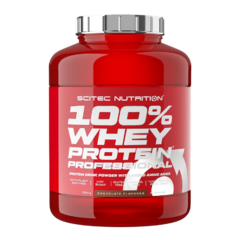
Top rated proteins by us

Conclusion: fears are not misplaced, but moderation is
Fear of protein overdose is unnecessary in routine practice. As long as you stick to reasonable doses and consider quality and composition when choosing supplements, you don't have to worry about any significant health problems. Just as it would be inappropriate to eat 50 bananas a day, it is not desirable to take extremely high amounts of protein over a long period of time. In both cases, such a quantity would give you digestive and general health problems rather than the desired benefits.
In other words, if you approach your protein intake sensibly, there is no real risk of overdosing. Just remember balance, quality and moderation - and your muscles and your whole body will thank you for it.
Recommended
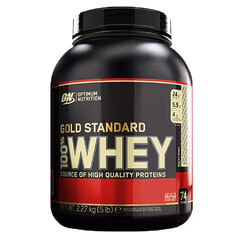
Optimum Gold Standard 100% Whey
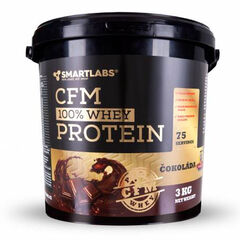
Smartlabs CFM 100% Whey Protein
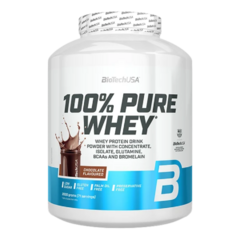
BiotechUSA 100% Pure Whey
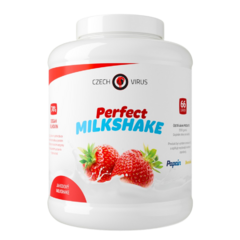
Czech Virus Perfect Milkshake
No posts have been made yet.