Does taking protein without exercise make sense?
 Author:
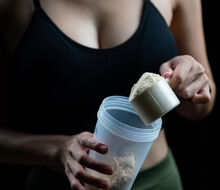
 In recent years, protein has become one of the most frequently mentioned dietary supplements - not only among active athletes and bodybuilders, but also among people seeking to improve their eating habits, lose weight or maintain their current weight. The question of whether taking protein without exercise has any real benefit is therefore quite pertinent. In this article, we will look at the science behind whether drinking protein without exercise can contribute to better weight control, promote health, and whether drinking protein for weight loss without exercise makes any sense.
Article Content:
- What is protein and why is it important?
- What is protein without exercise and the effect on muscle mass
- Protein for weight loss without exercise
- Drinking protein without exercise and overall health
What is protein and why is it important?
Protein (protein) is the basic building block of our body - it is involved in the formation and repair of muscles, skin, hair, nails, hormones and immune cells. Adequate protein intake helps keep our bodies running optimally and contributes to the proper functioning of a wide range of metabolic processes.
According to the recommendations of the European Food Safety Authority (EFSA), an adult should consume approximately 0.8 g of protein per 1 kg of body weight per day. For athletes or physically active individuals trying to build muscle mass, a higher intake (1.2-2.2 g/kg of weight, depending on the type and intensity of activity) is often recommended 1.
Taking protein without exercise and the effect on muscle mass
If we want to build muscle mass, two conditions must be met: sufficient stimulus for muscle growth (i.e. appropriate strength training) and sufficient protein along with adequate energy intake. Drinking protein without exercise does not usually lead to muscle mass gain because the key stimulus - muscle contraction during exercise - is absent. Research shows that while increasing protein intake during a sedentary lifestyle may help reduce age-related muscle loss, it does not in itself have a significant anabolic effect that leads to muscle growth 2.
Protein for weight loss without exercise
Many people use protein drinks with the idea that they will help lose weight without adding physical activity. Here, protein plays an important role, especially due to its satiating effect. Higher protein intake can help to better control appetite, thus potentially reducing overall calorie intake. Some studies suggest that a higher protein diet may lead to less muscle loss during a weight loss diet and a slight increase in metabolism .3 However, without exercise, the effect of protein on weight loss itself is virtually limited to controlling calorie intake.
Thus, it is true that taking protein without exercise may contribute to easier weight control by increasing satiety. But drinking protein alone is not a miracle weight loss method unless it is supplemented by adjusting overall energy intake and ideally increasing physical activity.
Drinking protein without exercise and overall health
In addition to the impact on muscle mass and weight, protein can have other health benefits. A higher intake of quality protein (especially from natural sources such as lean meat, eggs, Greek yogurt, legumes or plant proteins) helps maintain healthy bones, immune system and hormonal balance. These are all important whether you exercise or not.
On the other hand, there is no reason to consume protein supplements in excess if you eat a varied diet. Consuming too much protein from dietary supplements without adequate reason may be unnecessary, financially disadvantageous and in extreme cases, excessive stress on the kidneys or liver may pose a health risk in predisposed individuals 4.
.png)
Conclusion
- Taking protein without exercise will not lead to muscle growth. For effective muscle building, a physical stimulus in the form of exercise is needed.
- Protein for weight loss without exercise may make some sense in that it will increase satiety and indirectly help reduce energy intake. However, it should be part of a comprehensive approach including a healthy diet and ideally moderate physical activity.
- Drinking protein without exercise can help to maintain overall health if we do not have adequate protein intake from our regular diet. However, it is important to remember that protein supplements are mainly a supplement - not a substitute for a balanced diet and regular exercise.
In summary, taking protein without exercise may have some partial benefits, especially in terms of appetite control and protein replenishment in the case of an unbalanced diet. However, the key to real results, whether in health, strength or weight loss, is always a combination of a balanced diet, regular physical activity and a healthy lifestyle.
Recommended
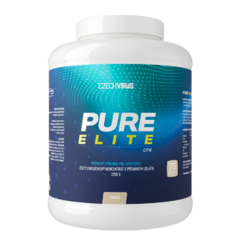
Czech Virus Pure Elite CFM
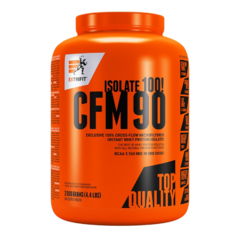
Extrifit Iso 90 CFM Instant Whey

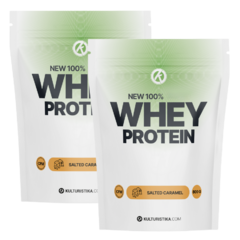
New 100% Whey Protein 800g 1+1
Sources:
- [1] EFSA Panel on Dietetic Products, Nutrition and Allergies (NDA) (2017). Dietary Reference Values for nutrients: Summary report. EFSA Supporting publication.
- [2] Wilkinson, S. B., et al. (2013). Consumption of fluid skim milk promotes greater muscle protein accretion after resistance exercise than does consumption of an isonitrogenous and isoenergetic soy-protein beverage. American Journal of Clinical Nutrition.
- [3] Westerterp-Plantenga, M. S., et al. (2009). Dietary protein, metabolism, and body-weight regulation: dose-response effects. International Journal of Obesity.
- [4] Poortmans, J. R., & Dellalieux, O. (2000). Do regular high protein diets have potential health risks on kidney function in athletes? International Journal of Sport Nutrition and Exercise Metabolism.
No posts have been made yet.