Protein for breakfast: yes or no?
 Author:
 In recent years, there has been an intense debate about whether it is better to start the day with a protein-rich breakfast, or whether it is better to include protein with breakfast after training or completely outside of training. Some studies have shown that getting enough protein in the morning meal contributes to a greater feeling of satiety and a faster metabolism 1, 2. However, there are also concerns about the potential for weight gain after protein, and many people prefer to save protein for later in the day. So what are the benefits of protein and what do the studies say?
Article content:
- The benefits of protein in the morning meal
- Worried about "getting fat after protein"?
- How many carbs for breakfast?
- Protein before or with breakfast?
- How to use protein for weight loss
- Final summary
The benefits of protein in the morning meal
- Longer satiety: good quality protein for breakfast helps to keep you feeling fuller for longer. This reduces the risk of "pecking" between meals, which is one of the key factors in weight control 2.
- Protein has a higher thermic effect of food compared to carbohydrates and fats 4. This means the body uses more energy when digesting them, which can slightly increase your daily energy expenditure.
- Muscle preservation and support: if you can supplement with amino acids in the morning, you can help prevent the catabolic processes that occur with prolonged overnight fasting 5.

Worried about "getting fat after protein"?
Getting fat after protein is not the result of protein intake alone, but rather the result of a long-term energy intake that is higher than your energy expenditure1. If you include a protein drink or protein breakfast in your total daily calorie intake, it will not lead to increased fat storage. The problem arises when you consume extra protein while neglecting your overall energy balance.
How many carbohydrates for breakfast?
While protein for breakfast is important, how many carbohydrates to include for breakfast depends primarily on your activity and goals:
A balanced breakfast
Try to combine plenty of protein with healthy fats (nuts, seeds, avocados) and good quality carbohydrates (wholemeal bread, oatmeal, fruit).
Intake vs. expenditure
If you want to lose weight, you can reduce your carbohydrate intake slightly, but don't skip them altogether. Carbohydrates are still important for optimal body function, especially if you are physically active.
Protein before or with breakfast?
Protein before breakfast
Some people reach for whey protein for weight loss right after waking up. This approach is especially useful for morning workouts or for those who don't have time to prepare a comprehensive breakfast .
Protein for breakfast
If you prefer a classic meal (e.g. eggs, cottage cheese, ham, Greek yoghurt), protein outside of training is a good addition to, for example, a morning snack. The important thing is to keep the overall balance of protein and energy during the day.

How to take protein for weight loss
- Incorporate it into your overall diet: how to take protein for weight loss? Make sure that protein is included in your daily calorie intake and is not just an "extra" 1.
- Whey protein for weight loss ispopular for its fast absorption and broad spectrum of amino acids 3. You can also use casein, beef or vegetable proteins.
- Try tospread the protein over individual meals so that the body has a continuous supply of amino acids for recovery and fat burning 2.
- A varied diet and micronutrients: Protein shakes usually do not contain enough vitamins and minerals. Therefore, don't forget fresh vegetables, fruits and other wholesome foods.

Final summary
- Protein for breakfast has a number of benefits for both weight control and muscle protection 2, 4.
- Worrying about getting fat after protein is unnecessary if you carefully control your total calorie intake 1.
- Protein before breakfast is especially good for morning workouts or the morning rush, while protein in a traditional breakfast will allow you to combine protein with other important macronutrients.
- Be sure to keep an eye on how many carbohydrates you are taking in for breakfast to get the optimal ratio of nutrients for your goals.
- How to use protein for weight loss? Pay attention to the quality, timing and variety of your diet - consuming a protein drink once without considering other meals will not guarantee results on its own.
Whether you have whey protein straight after waking up or you bet on a classic protein-rich breakfast, remember to balance everything with your overall daily regime, energy balance and sufficient physical activity.
Recommended
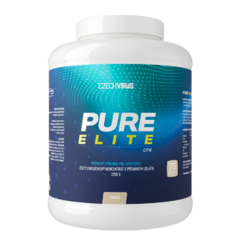
Czech Virus Pure Elite CFM
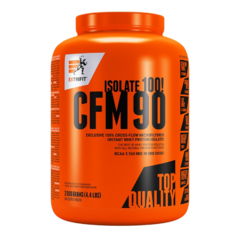
Extrifit Iso 90 CFM Instant Whey
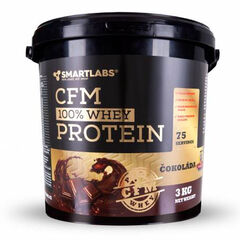
Smartlabs CFM 100% Whey Protein

Resources used:
(1) Johnstone, A. M. (2007). Effects of overfeeding macronutrients on day-to-day food intake in man. The American Journal of Clinical Nutrition, 86(4), 996-1003.
(2) Leidy, H. J., Ortinau, L. C., et al. (2013). The benefit of a protein-rich breakfast on appetite regulation throughout the day: a randomized controlled trial. The American Journal of Clinical Nutrition, 99(2), 472-480.
(3) Moore, D. R., Tang, J. E., et al. (2009). Ingestion of whey hydrolysate, casein or soy protein isolate: Effects on muscle protein synthesis after resistance exercise in young men. Journal of Applied Physiology, 107(3), 987-992.
(4) Paddon-Jones, D., Westman, E., et al. (2008). Protein, weight management, and satiety. The American Journal of Clinical Nutrition, 87(5), 1558S-1561S.
(5) Tang, J. E., Moore, D. R., et al. (2009). Dietary protein considerations to support active aging. Sports Medicine, 39(1), 1-10.
No posts have been made yet.