





Nutrition around training, part one: what to actually eat before training?
 Author:
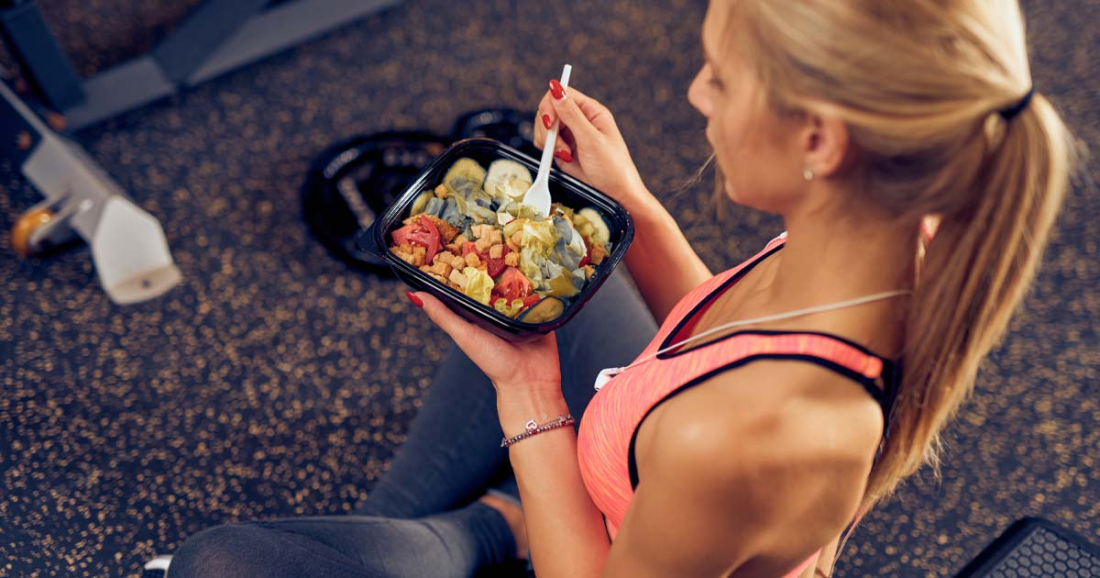
 In almost any sport, nutrition before and after activity is key to optimizing performance, recovery processes and coordinating fat reduction goals. An improperly chosen or timed pre-workout meal can cause digestive discomfort and completely mess up the entire training process. The post-workout meal, on the other hand, is crucial for the start of recovery and optimal muscle nutrition. However, especially for beginners, it can be a bit confusing to navigate the flood of information on what is actually best to eat before and after a workout, as every website claims something completely different. So, let's look at some facts together so we know what's actually going on with the food around training - in today's episode we're going to look at pre-workout food, how to time it, what to eat and what to look out for?

Theoretical window - why is food before exercise so important?
Optimal pre-exercise nutrient intake will not only help you maximize performance, but also minimize muscle damage. Each macronutrient has a specific role to play before training. However, the ratio and amount in which you consume each macronutrient is highly individual - it depends on your physical disposition, type of exercise, other foods, your own preferences, habits and many other factors. Equally individual will be the timing of the meal before training - someone can eat an hour before training, another person still has food in their stomach after two hours and is unable to train. Of course, it also depends on the specific food - for example, you can eat fruit a few minutes before training, while after pasta with meat it is advisable to go to train with a certain distance - but we will get to that.
The importance of individual macronutrients in a pre-workout meal
Carbohydrates
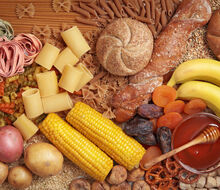
Carbohydrates = energy source. When we exercise, our muscles and liver use glycogen, the glucose stored in our body, as an energy source. It is carbohydrates that are converted to glucose in the muscles. By increasing the amount of glycogen, we should be able to train longer, harder and with greater intensity, making it easier to build more muscle mass. However, glycogen stores in the muscles are limited and when they are depleted, performance and exercise intensity are reduced. Therefore, consuming carbohydrates before physical activity can be described as very important in terms of performance.
Another great benefit that comes from carbohydrate intake before exercise is the fact that carbohydrates stimulate insulin release, then in combination with protein, they improve protein synthesis and prevent protein breakdown. Simply put, if we take in carbohydrates before training, the body will have enough energy and our performance (not only) in the gym will be higher, which makes it easier to build muscle and we will simply enjoy the workout more. And it's certainly not the case that only endurance athletes should consume carbohydrates before training - recent research suggests that we can benefit from eating carbohydrates before training even for short-term performance. Pre-workout carbohydrate intake is also important for promoting muscle recovery.
Protein
Of course, we can't forget about protein, which plays a role not only in performance itself. Proteins are well known to be essential for recovery processes as well - they are a source of amino acids that promote recovery and effectively help repair damaged muscle tissues. Many studies have also concluded that protein intake before training helps to increase muscle mass and to break down fat. Eating protein before exercise has also been shown to increase muscle protein synthesis and cause a better anabolic response for muscle growth. So we should not only think about protein in the meal after a workout, but also in the meal that precedes the activity.
Fats
Fats have the most energy of the three basic macronutrients - one gram contains 9 kcal and our body digests them the slowest ever. It is probably already obvious that we shouldn't overdo it with fats before training, so that the food doesn't sit in our stomach for too long and cause us problems during training. However, on the other hand - it is not necessary to be afraid of fats in the pre-workout meal.
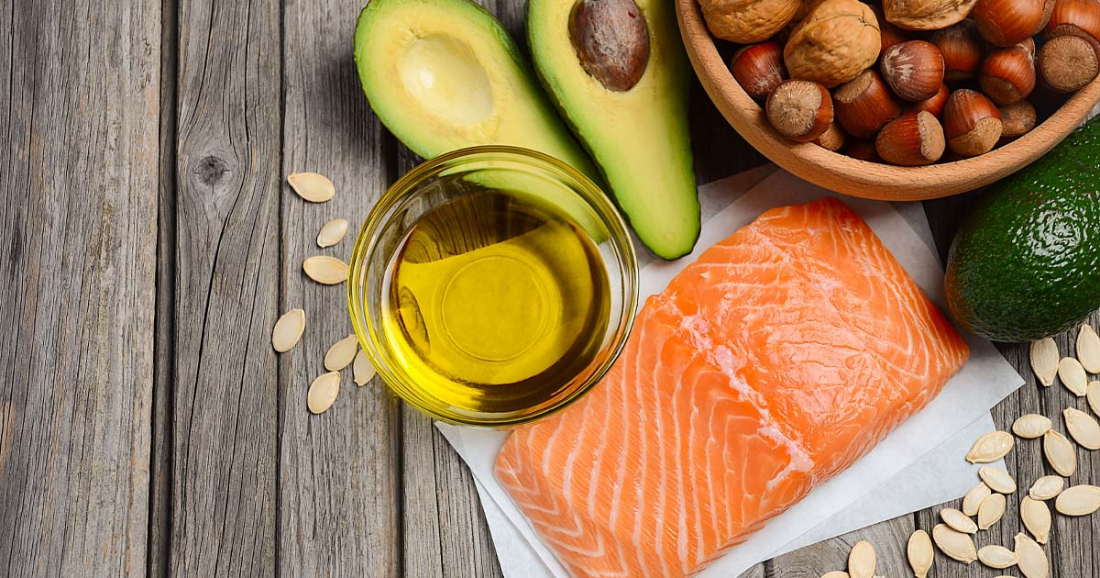
At the same time, there is no such thing as fat, and if you have a fry with chips as a pre-workout meal, you will definitely not give your body a good basis for optimal performance. So it's not just the quantity that plays a role, but also the specific type of fat consumed - for example, omega-3 fatty acids found in fish or nuts are good. Trans saturated fats, on the other hand, are inappropriate. Fats can help slow down digestion and, as a result, maintain optimal blood glucose and insulin levels. Unlike carbohydrates, fats are a source of energy during long, low to moderate intensity endurance activities.
How to time a pre-workout meal?
A very common, and in fact very fundamental, question, but one that is very difficult to answer correctly. Indeed, there is no universally correct answer that applies to everyone. Yes, the timing of pre-workout meals, like most other factors in nutrition, is very strongly individual. For example, some of us can eat a classic rice and meat and veggie lunch an hour before a workout and feel fine. Others, even after a lighter lunch, still feel food in their stomach for perhaps three hours after finishing it and are unable to train. So the timing of big meals needs to be tested on yourself and the optimal time to eat before training needs to be tailored based on your preferences and your own feelings, as this is the only way it will really feel right.

Optimally, we shouldn't exercise too full, but certainly not completely starving either. If you get hungry shortly before your workout, you can reach for protein and fruit, for example, or rice sandwiches with ham. All in all, there's no point in shooting from the hip here, because what suits one person may not suit anyone else. So experiment - both with timing and with specific foods. But of course, shortly before training, we should choose easily digestible foods. If you're working out in the morning and maybe you can't catch up on breakfast, you can solve this by simply eating protein, or again, combined with a piece of fruit.
So what foods to choose before training?
And we continue the trend of vague answers. The ideal universal pre-workout meal does not - surprisingly - exist. Or rather, there is, but it will - again - be completely different for each of us. However, we can give at least a few examples of what such a pre-workout meal might actually look like. Of course, we need to keep in mind that there are more appropriate and less appropriate foods to reach for before training. If you're going to the gym after a work lunch during which you knocked back a giant helping of fatty ribs, I'd say you're not going to get a completely optimal workout - but who knows, give it a try and let us know how it works out. No, I'm kidding, of course.
As far as carb sources go, with longer intervals it's a good idea to reach for more complex sources like rice, oatmeal, potatoes, breads, or maybe pasta. At shorter intervals after training, it is possible to reach for a piece of fruit. We'll stick with carbohydrates because they include fiber, which may (or may not) be a bit problematic before a workout. Just like fats, fibre affects digestion time. What we would normally welcome can be very problematic before a workout. If our pre-workout meal is high in fiber, it can sit in our stomach for a long time, possibly even bloating, which can have a very negative effect on our performance. I'm by no means saying that fiber shouldn't be a part of a pre-workout meal, we just shouldn't completely overdo it - especially if you've noticed that it causes you digestive discomfort. For that reason, I wouldn't completely recommend some chilli con carne as a pre-workout lunch.
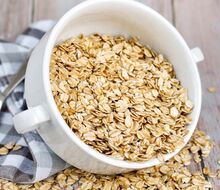
Be careful with fats, but fish, a handful of nuts or avocado can be perfectly fine in a pre-workout meal. Again, though, you're better off trying. For protein, lean poultry, Greek yoghurt, cottage, egg whites or maybe some lower fat fish would be a great choice. Be sure to avoid fatty and heavy foods, high-fat meats such as neck meat, cold cuts or even fatty cheeses. Fried foods are not suitable either, so forget about steak, fast food, pizza or burgers.
Okay, but what should I eat before the workout?!
Okay, enough of all the vague answers, let's get into some concrete examples. Again, I will remind you that the composition, quantity and specific composition of a pre-workout meal needs to be addressed individually, but a good example of a pre-workout meal is:
- Chicken/turkey with rice and vegetables
- Poultry meat with pasta and vegetables
- Rye bread with cottage cheese, vegetables and pumpkin seeds
- Porridge with protein, fruit and a spoonful of peanut butter
- Scrambled eggs with a piece of bread
- Light pasta salad with tuna
- Poultry meat with potatoes and vegetables
- Lean steak with potatoes and grilled vegetables
- Greek yoghurt with homemade granola, fruit and dark chocolate
In short - try, test, search. Vary the ingredients, the proportions of each macronutrient, the quantities, the timing. Test for yourself what works best for you and don't look for guaranteed holy grails. There really aren't any in this regard. You can only get a number of recommendations, look for inspiration, but the really best solution must be based on your individuality.
Hydrate!
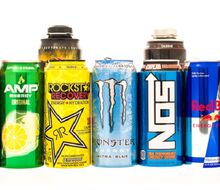
We must not forget to mention one more important thing, which is of course drinking. It is no surprise that adequate hydration of the body is crucial for its optimal functioning in every way, and sports performance is no exception. According to research, optimal hydration is associated with the delivery of quality performance, while dehydration can lead to a decline in performance as well as poorer recovery. The misconception that drinking during training is enough is certainly not true - we should hydrate continuously, throughout the day and therefore before training. If we arrive at the gym after drinking barely a glass of water all day, chances are we'll get a headache, be obnoxious and unfocused... and you really don't want that during training. So let's not forget to drink! Ideally, of course, plain water, or unsweetened herbal teas, mineral water or some fusion water (water that you throw an herb or piece of fruit in). On the other hand, avoid alcohol before training. Energy drinks are not ideal either, at least not on a regular basis, see our article below.
Pre-workout supplements
Of course, we must not forget to mention supplementation. Dietary supplements are very trendy at the moment, but we should keep in mind that they will not save us, nor will an inappropriate diet, lack of sleep, nor pre-training or completely crazy training. They are simply a supplement to everything else. So what kind of pre-workout supplements to include?
Creatin e
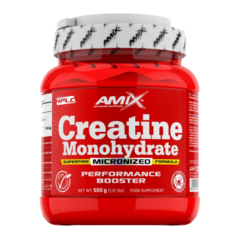
Creatine is the body's own substance, an organic acid, so no need to worry, no chemistry. Creatine is very important in the formation of ATP - so creatine provides a quick source of energy for muscle contraction. Creatine is one of the most effective supplements that can help to improve body composition, it can be helpful for building muscle mass at the expense of fat mass, it can also greatly promote delaying fatigue, increasing strength, in short, creatine can be beneficial for overall improved athletic performance. In addition, it can also promote concentration and brain activity and has a positive effect on cardiovascular health.
Kickstarte r
You can also use some pre-workout supplement to boost your performance. This usually contains a combination of some stimulants such as caffeine, taurine, but also perhaps beta alanine, arginine or citrulline. All of the above mentioned substances can boost performance, increase concentration and delay the onset of fatigue, making us able to train harder and more intensely. It is of course possible to take individual functional ingredients outside of the kicker and supplement only some of them.
Protein
If you're going to workout on an empty stomach or with a longer break from eating, you can definitely use protein as well. Protein is designed in such a way that it doesn't put any particular strain on your digestion, so it can be a very convenient way to provide your body with enough protein for optimal performance and muscle protection without having digestive problems. So it is certainly not true that protein finds its application only after training, but even before it.
Burner s
We recently devoted a rather extensive article tofat burners, so you probably already know a lot about them - for example, that they are not magic pills that burn fat by themselves, but that they only work as a crutch to a properly adjusted diet and training. The truth is that the ideal time to take them is just in the pre-workout period. Just keep in mind that if you're taking both a kicker and a burner, you need to be wary of excessive caffeine intake, which could cause dizziness, headaches and generally make your workout pretty unpleasant.
Recommended
Amix Creatine Monohydrate

What to take away from the article?
Eating before training is a very important factor that affects our performance and even muscle recovery. However, let's face it - it's a bit of alchemy. In fact, there are few facts that can be applied generally - the timing and specific form of the "ideal pre-workout meal" is something we have to tailor to ourselves. Today, we've explained the importance of each macronutrient in a pre-workout meal, told you what to watch out for, what not to underestimate, and also provided some examples of what such a pre-workout meal might look like. We also reminded ourselves that we shouldn't forget to stay hydrated and also briefly talked a little bit about supplements that are good to take before training. In the next installment, we'll take a look at what a post-workout meal should look like.
Sources:
Hawley, J. A., & Burke, L. M. (1997). Effect of meal frequency and timing on physical performance. The British journal of nutrition, 77 Suppl 1, S91-S103. https://doi.org/10.1079/bjn19970107
Kerksick, C. M., Arent, S., Schoenfeld, B. J., Stout, J. R., Campbell, B., Wilborn, C. D., Taylor, L., Kalman, D., Smith-Ryan, A. E., Kreider, R. B., Willoughby, D., Arciero, P. J., VanDusseldorp, T. A., Ormsbee, M. J., Wildman, R., Greenwood, M., Ziegenfuss, T. N., Aragon, A. A., & Antonio, J. (2017). international society of sports nutrition position stand: nutrient timing. Journal of the International Society of Sports Nutrition, 14, 33. https://doi.org/10.1186/s12970-017-0189-4
Gollnick, P. D., & Matoba, H. (1984). Role of carbohydrate in exercise. Clinics in sports medicine, 3(3), 583-593.
Bussau, V. A., Fairchild, T.. J., Rao, A., Steele, P., & Fournier, P. A. (2002). Carbohydrate loading in human muscle: an improved 1 day protocol. European journal of applied physiology, 87(3), 290-295. https://doi.org/10.1007/s00421-002-0621-5
Willoughby, D. S., Stout, J. R., & Wilborn, C. D. (2007). Effects of resistance training and protein plus amino acid supplementation on muscle anabolism, mass, and strength. Amino acids, 32(4), 467-477. https://doi.org/10.1007/s00726-006-0398-7
Venkatraman, J. T., Feng, X., & Pendergast, D. (2001). Effects of dietary fat and endurance exercise on plasma cortisol, prostaglandin E2, interferon-gamma and lipid peroxides in runners. Journal of the American College of Nutrition, 20(5), 529-536. https://doi.org/10.1080/07315724.2001.10719062
Tipton, K. D., Elliott, T. A., Cree, M. G., Aarsland, A. A., Sanford, A. P., & Wolfe, R. R. (2007). Stimulation of net muscle protein synthesis by whey protein ingestion before and after exercise. American journal of physiology. Endocrinology and Metabolism, 292(1), E71-E76.
Lowery L. M. (2004). Dietary fat and sports nutrition: a primer. Journal of sports science & medicine, 3(3), 106-117.
Maughan R. J. (2012). Investigating the associations between hydration and exercise performance: methodology and limitations. Nutrition reviews, 70 Suppl 2, S128-S131. https://doi.org/10.1111/j.1753-4887.2012.00536.x
Antonio, J., & Ciccone, V. (2013). The effects of pre versus post workout supplementation of creatine monohydrate on body composition and strength. Journal of the International Society of Sports Nutrition, 10, 36. https://doi.org/10.1186/1550-2783-10-36
No posts have been made yet.








