





How do I know if I'm not getting enough protein in my diet?
 Author:
 The fact that protein is a key component of the diet and an absolutely essential nutrient for the proper functioning of the whole body and health as such, probably does not need to be debated at length. Protein plays a key role in a wide range of bodily processes, is important for proper growth, muscle building, optimal weight loss, hormone production and much more... It is no exaggeration to say that a sufficient intake of protein is truly vital. Although protein deficiencies are relatively rare in the diet, we can still encounter protein deficiency - how to recognize it and what are the risks?
Theoretical window - what is protein?
While we don't assume that anyone doesn't know what it is, let's take a little theoretical detour to start. Proteins are the basic building blocks of the body. They are made up of smaller molecules called amino acids. Amino acids are divided into non-essential (those that the body can make on its own) and essential (those that we must take in from our diet and other sources). Our body uses protein for a variety of vital processes. For example, they are necessary for the formation of muscles, tendons, tissues, organs and skin. They are equally important for the production of enzymes, hormones, neurotransmitters, and various small molecules that are necessary for important bodily functions.
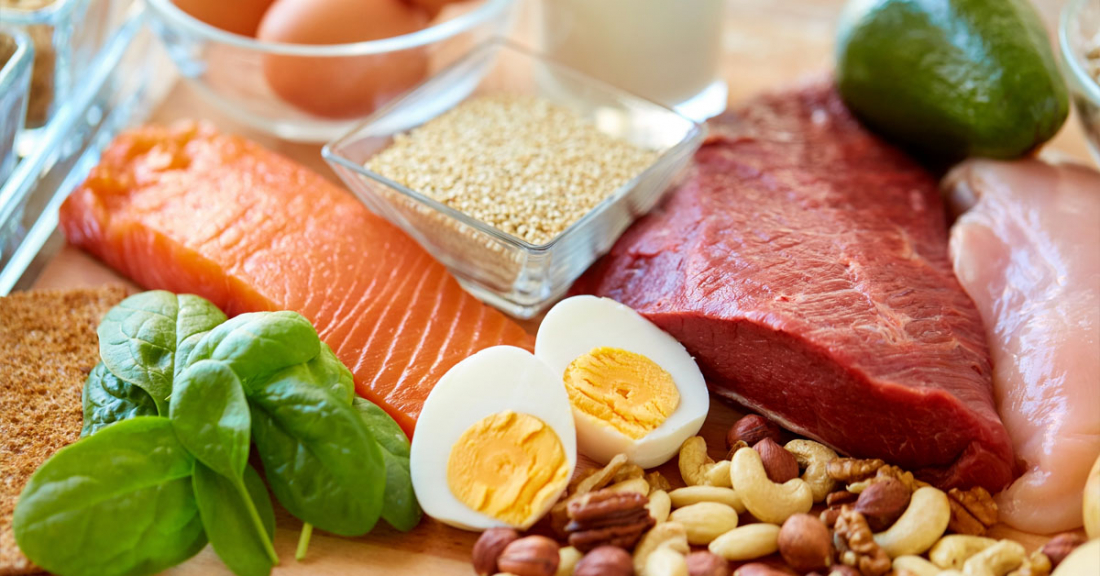
It is not only the quantity of protein ingested that is important, but of course also its quality. The quality of protein depends on the amino acid profile, because amino acids are what our body primarily uses. The best protein sources contain all the essential amino acids in proportions suitable for humans. In this respect, animal proteins are logically slightly preferable to plant proteins, due to the fact that animal muscle tissues are very similar to human ones. However, we need not condemn plant sources either. You can read about plant proteins in this article.
Besides all the functions mentioned above, proteins are also crucial for optimal immune system function and we should pay due attention to their sufficient intake even when we are trying to lose weight, gain muscle or build fitness. Protein has the highest thermic and satiating effect of all macronutrients, which means that we stay fuller for longer after eating it, it boosts our metabolism and its sufficient intake can help with craving control. Of course, this is not to say that we should only eat protein and ignore other macronutrients.

How much protein do we actually need?
This is a very good question, but it is difficult to answer clearly. As with many other things in nutrition, optimal protein intake is strongly individually determined. It depends not only on physical disposition, but also on the form, frequency and intensity of workouts, other daily activities (e.g. employment), genetic predispositions, gender and so on. It is said that for active individuals, the intake should be around 1.6-2.2 g per kilogram of body weight, but top athletes can have an intake of up to 3.5 g per kilogram of weight. In addition, it is also true that protein requirements vary from day to day.
How does protein deficiency occur?
A condition known as hypoproteinemia (a condition where a person has very low levels of protein in the blood) is typical especially in developing countries where people generally consume few calories and is relatively rare in our conditions, but there are situations where it does occur. The most common people who suffer from protein deficiency are vegans and vegetarians who do not ensure sufficient intake of all essential amino acids because, as we already know, not all plant proteins have the full spectrum, and therefore we need to ensure that we take in from various sources during the day the full spectrum of essential amino acids that the body needs for its optimal functioning. Very active individuals and elite athletes are also at risk of protein deficiency, as their daily protein requirement is many times higher than that of the general population.
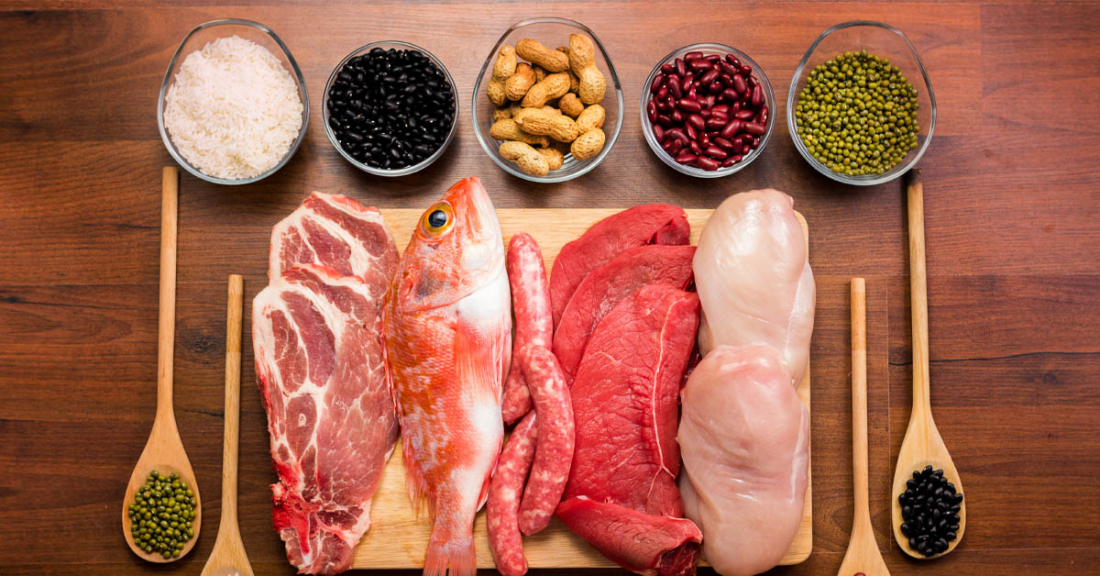
People with various digestive disorders or individuals suffering from Crohn's disease, ulcerative colitis or leaky gut syndrome may also suffer from protein deficiency. Last but not least, protein deficiency can also be caused by excessive consumption of alcohol or various medications that affect digestion or absorption of nutrients from food. We must also mention excessive calorie deficit or an unprofessional diet in which carbohydrates predominate.
How is protein deficiency actually recognized?
We've already covered what protein is, we know that it's essential for optimal body function, and we also know that daily protein intake is highly individual. But how do we know if we don't have enough in our diet? If you are suffering from any of the symptoms listed below, you should definitely be alert.
You're losing muscle mass and your workouts suck
Muscles are the largest reservoir of protein in the body. At times where we are deficient in protein in our diet, the body tends to take protein from skeletal muscles to ensure it has enough energy to perform vital bodily functions. As a result, a lack of protein in the diet leads to muscle loss over time. Even a slight deficiency of protiens can cause muscle loss, especially then in older people. Numerous studies show that adequate protein intake can slow the muscle degeneration that comes with increasing age. Moreover - if you are active, you should definitely not take protein intake lightly, because after all, we want to build muscle mass rather than lose it. If you're an active athlete and you're not giving your body adequate amounts of protein, it's quite likely that your workouts are suffering as well - your strength decreases, fatigue increases, you lose motivation, it's harder to recover and the risk of injury increases.
You are moody, suffer from anxiety and have difficulty concentrating
Amino acids are the building blocks for neurotransmitters that, among other things, regulate our mood. Proteins help the brain synthesize hormones such as dopamine and serotonin, which help induce positive feelings such as calm, excitement and happiness. So, the moment we are deficient in them in our diet, we often become irritable, moody, anxious and may even suffer from depression. Protein is needed to support many aspects of healthy neurological functioning. Brain fog, poor concentration, lack of motivation and learning difficulties can also be signs that you are low in neurotransmitters - specifically dopamine, adrenaline, norepinephrine and serotonin. Neurotransmitters are synthesized in the brain using amino acids, and studies show that a balanced diet with plenty of protein can quite significantly boost mental performance, promoting memory and motor skills.

Impaired sleep quality
Poor sleep and insomnia can sometimes be associated with unstable blood sugar levels, a rise in cortisol and a drop in serotonin production. Blood sugar fluctuations during the day carry over into the night. Consuming protein-rich foods before bedtime can be beneficial for higher tryptophan and serotonin production. The aforementioned foods also have a minimal effect on blood glucose levels - in fact, protein slows down the absorption of sugar from food and can reduce the glycemic load of a meal. This is why it is not recommended to consume carbohydrates alone, but always supplement them with fat or protein, or both. And last but not least, protein is filling enough so that you don't wake up at night with a cramping stomach.
Poor skin condition, brittle hair, poorer wound healing
Protein deficiency often takes its toll on skin, hair and nails, and such problems are often the primary sign that we don't have enough protein in our diet. Protein is part of the structural components of hair, skin and nails, so a lack of protein logically causes deterioration. Protein deficiency also negatively affects the skin and the complexion; atypical spots, eczema, dry skin or redness may appear. Nails, of which the protein keratin is a key component, lose their resilience and tend to split and break if they are deficient. Biotin, a water-soluble B vitamin that is essential for the metabolism of branched-chain amino acids found in proteins, is also important for maintaining healthy nails, hair and skin. When collagen and certain amino acids are missing from the diet, it can be more difficult for the body to heal wounds, maintain a healthy-looking skin texture, ensure thick hair and prevent breakage.
Recommended

Prom-in CFM Pure Performance
HiTec BS Blade 100% WPC protein
Greater appetite and weight gain
As mentioned in the introduction, protein has the greatest thermic and satiating effect of all macronutrients, which is not only useful when we want to reduce fat. Protein will keep us full for a long time, so it is very beneficial to have adequate amounts of it in the diet and to supplement carbohydrate-rich meals with it. In addition to lowering the glycemic index and not causing such a significant spike in blood sugar levels, we will also stay fuller longer, which will help us reduce our caloric intake. At the same time, by digesting protein, our body burns the most energy. In addition - as we mentioned in the introduction, protein also affects the production of several hormones, including those responsible for controlling feelings of satiety and hunger.
The moment we are deficient in protein in our diet, we are very likely to be plagued by frequent hunger and cravings for calorie-dense foods, and we can easily end up taking in many times more calories than we would if we had enough protein. This of course can have a very negative effect on our weight in the long run. Protein therefore helps to stabilise blood sugar levels, can help to reduce appetite and last but not least allows us to maintain and build muscle mass, which burns more calories than fat mass. If you're constantly hungry and having trouble keeping your calorie intake in check, keep in mind that it's highly recommended to add some source of protein to every meal - and there are plenty to choose from!
Bloated belly and difficulty defecating
Do you often suffer from a bloated belly? Many metabolic and digestive functions depend on amino acid intake. If we expose the body to protein deficiency, especially long-term, enzyme production, muscle contractions in the GI tract and digestion in general will suffer. The result is just a distended abdomen, difficulty emptying and feelings of heaviness.

Greater susceptibility to injury, disease and growth problems
Muscles aren't the only things that suffer when protein intake is low. In fact, protein is also part of bone mass, along with calcium and vitamin D . Not consuming enough of it can lead to weakened bones, frequent fractures and, of course, more difficult healing. Among other things, it turns out that too low a protein intake can also be linked to osteoporosis. Among other things, protein is needed for the absorption of calcium, which is essential for bone health. Adequate protein intake is also particularly important for children, as it not only helps to maintain and build muscle and bone mass, but is also essential for optimal growth. A low protein intake is therefore particularly harmful for children, whose growing bodies require a constant supply and can lead to growth problems and even stunting. Lack of protein can also take its toll on the immune system. Proteins are involved in, among other things, immune reactions and are part of the so-called immunoglobulins (antibodies). And be careful here, because even a slight protein deficiency can weaken our immune system quite radically, and we are then more susceptible to infections and inflammation.
Where to look for protein?
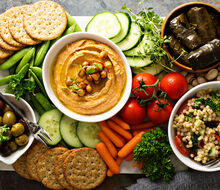
So as not to be intimidated by the various negatives, let's instead tell you where we can find protein everywhere. The ideal way is to give the body as varied a diet as possible, containing the widest possible range of foods from which it can draw nutrients. Although animal sources such as meat, eggs, dairy products and fish are the best sources of protein, it doesn't hurt to diversify your diet with a plant-based alternative from time to time. Don't forget that protein can also be found in carbohydrate supplements, of which quinoa or buckwheat even have a full spectrum of essential amino acids and can be considered complete sources of protein. Legumes are also rich sources of vegetable protein and contain fibre and other health-promoting nutrients. A convenient way to provide the body with enough protein is also a good quality protein powder. Therefore, don't forget about variety, which is the foundation of any healthy diet. Also, pay attention to the quality of the food you eat and prefer fresh, minimally processed foods to semi-processed and ultra-processed foods.

What to take away from the article?
Protein is a vital part of our diet. They are important for a wide range of bodily processes, from growth, building muscle mass, to the production of hormones, enzymes and neurotransmitters, to a slim line, healthy looking skin, strong bones or a properly functioning immune system. Their deficiency is relatively rare, yet there are groups that are at risk. Manifestations of low protein intake can range from poor skin, hair and nail health, to a bloated belly and weight gain, to anxiety and low mood. Although optimal protein intake is highly individual, the best way to ensure your body gets enough is to eat a varied diet of fresh, high-quality foods. Don't be afraid to combine animal and plant sources, both have a lot to offer.
Sources:
Langsetmo, L., Harrison, S., Jonnalagadda, S., Pereira, S. L., Shikany, J. M., Farsijani, S., Lane, N. E., Cauley, J. A., Stone, K., & Cawthon, P. M. (2020). Low Protein Intake Irrespective of Source is Associated with Higher Mortality Among Older Community-Dwelling Men. The journal of nutrition, health & aging, 24(8), 900-905. https://doi.org/10.1007/s12603-020-1422-4
Virtanen, H., Voutilainen, S., Koskinen, T. T., Mursu, J., Tuomainen, T. P., & Virtanen, J. K. (2018). Intake of Different Dietary Proteins and Risk of Heart Failure in Men: the Kuopio Ischaemic Heart Disease Risk Factor Study. Circulation. Heart Failure, 11(6), e004531. https://doi.org/10.1161/CIRCHEARTFAILURE.117.004531
Peuhkuri, K., Sihvola, N., & Korpela, R. (2011). Dietary proteins and food-related reward signals. Food & nutrition research, 55, 10.3402/fnr.v55i0.5955. https://doi.org/10.3402/fnr.v55i0.5955
Franz M. J. (1997). Protein: metabolism and effect on blood glucose levels. The Diabetes Educator, 23(6), 643-651. https://doi.org/10.1177/014572179702300603
Pezeshki, A., Zapata, R. C., Singh, A., Yee, N. J., & Chelikani, P. K. (2016). Low protein diets produce divergent effects on energy balance. Scientific reports, 6, 25145. https://doi.org/10.1038/srep25145
Coelho-Júnior, H. J., Rodrigues, B., Uchida, M., & Marzetti, E. (2018). Low Protein Intake Is Associated with Frailty in Older Adults: A Systematic Review and Meta-Analysis of Observational Studies. Nutrients, 10(9), 1334. https://doi.org/10.3390/nu10091334
de Onis, M., & Branca, F. (2016). Childhood stunting: a global perspective. Maternal & child nutrition, 12 Suppl 1(Suppl 1), 12-26. https://doi.org/10.1111/mcn.12231
Campbell, W. W., Trappe, T. A., Jozsi, A. C., Kruskall, L. J., Wolfe, R. R., & Evans, W. J. (2002). Dietary protein adequacy and lower body versus whole body resistance training in older humans. The Journal of physiology, 542(Pt 2), 631-642. https://doi.org/10.1113/jphysiol.2002.020685
No posts have been made yet.








