





Essential vs. non-essential amino acids and their important roles in the body
 Author:
 The fact that protein is essential for muscle building, fat reduction and health as such, probably does not need to be debated at length. In fact, the body uses them for a wide range of processes. For example, they are necessary for the formation of muscles, tendons, tissues, organs and skin. They are equally important for the production of enzymes, hormones, neurotransmitters, and various small molecules that serve important bodily functions. The cornerstones of protein, then, are amino acids, so getting enough essential amino acids in the diet is essential for maintaining optimal health and, of course, for peak athletic performance. Today, let's take a closer look at amino acids, their functions and best sources.
Article content:
- Theoretical window - what are amino acids?
- Essential vs. Non-essential amino acids
- The best sources of amino acids
- How do I know if I'm missing an amino acid?
- What can I take away from this article?
Theoretical window - what are amino acids?
A chemical definition of amino acids might go something like this: any organic compound that contains both a carboxyl and an amine functional group. If you're not into chemistry, in simple terms, amino acids are the building blocks of proteins. Amino acids are therefore the basic building blocks of muscle and tissue. Protein foods such as meat, fish, poultry and eggs are made up of many different types of amino acids. There are a total of 20 different amino acids, each of which plays a very specific role in the body and is characterized by its respective amino acid side chains.

These amino acids are involved in almost all biological processes and help in wound healing, help produce hormones, are essential for immune function, muscle growth, energy production and much much more. Adequate intake through dietary sources or supplements can help increase weight loss, help maintain muscle mass, help improve performance in sports, improve mood and promote better sleep. The human body needs all amino acids to function well and thrive. Some amino acids can be produced in the body, while others need to be obtained from food.

Essential vs. Non-essential amino acids
Amino acids can be simply divided into essential ones, i.e. those that the body can create on its own, and non-essential ones, those that it cannot create and must be supplied by the diet.
Essential amino acids
There are a total of nine essential amino acids that you must take in through your diet, and they are:
- Lysine - Lysine is essential for tissue growth and repair as well as for the production of several hormones, proteins and enzymes.
- Leucine - This essential amino acid is involved in protein synthesis, wound healing, blood sugar regulation and is important for proper metabolic function.
- Isoleucine - Research shows that isoleucine aids in detoxification, boosts immune function and also affects hormone secretion.
- Tryptophan - Tryptophan is one of the most well-known amino acids that increases levels of serotonin, a neurotransmitter that regulates mood, pain perception, appetite and sleep.
- Phenylalanine - This amino acid helps produce other amino acids as well as neurotransmitters such as dopamine and norepinephrine.
- Threonine - Research shows that threonine forms the basis of connective tissues such as collagen and elastin.
- Valine - Valine is a very important amino acid for the nervous system - because it supports brain function, muscle coordination and calmness. Valine also affects the absorption of certain neurotransmitters in the brain, similar to tryptophan, phenylalanine and tyrosine. It is equally important for muscle recovery and repair.
- Histidine - This amino acid maintains the health of the myelin sheaths in the human body, which protect nerve cells from damage. L-Histidine is necessary for the production of red blood cells and for the treatment of anemia, as well as promoting the growth and repair of muscle tissue.
- Methionine - Methionine helps maintain skin elasticity and is important for the health and strength of hair and nails.
To ensure overall health, it is essential that you get enough of all essential amino acids in your diet. A deficiency of any of these key essential amino acids can cause serious complications that affect almost every aspect of health - from immune function, to loss of muscle mass, impaired recovery processes, decreased appetite and much more.

Non-essential amino acids
Non-essential amino acids, on the other hand, are those that the body can produce on its own, which means it is not as important to get them through the foods we eat. There are a total of 11 amino acids that make up the list of non-essential amino acids, and they are:
- Arginine - Arginine stimulates immune function, fights fatigue and is very important for the health and proper functioning of the heart.
- Alanine - Research suggests that alanine aids in metabolism and provides energy for the muscles, brain and central nervous system.
- Cysteine - Cysteine is the main type of protein found in hair, skin and nails, and is essential for collagen production and skin health.
- Glutamate - This non-essential amino acid acts as a neurotransmitter in the central nervous system.
- Aspartate - Aspartate helps produce several other amino acids, including asparagine, arginine, and lysine.
- Glycine - Glycine functions as a neurotransmitter to promote brain health and optimal function.
- Proline - Proline is found in collagen, and enhances joint health, skin elasticity, and supports proper metabolic function.
- Serine -Serine is essential for fat metabolism, immune function and muscle growth.
- Tyrosine - Tyrosine helps synthesize the thyroid hormones, melanin and epinephrine.
- Glutamine - Studies show that glutamine supports many metabolic processes, aids muscle recovery, and provides energy to cells in the body.
- Asparagine - Asparagine acts as a diuretic and optimizes brain and nerve cell function.

Some of the compounds on the amino acid list are also considered "conditionally essential". This means that they are not normally required by the body, but under certain conditions, such as some serious illness or tremendous stress, they may become necessary. Amino acids can also be classified into other groups based on their structure and side chains, namely:
- polar amino acids
- aromatic amino acids
- hydrophobic amino acids
- ketogenic amino acids
- basic amino acids
- acidic amino acids
The main benefits of a sufficient intake of amino acids (not only) for athletes
We already know that there are different types of amino acids, that the body can synthesize some on its own and that others must be ingested through diet. We also know that all types of amino acids need to be consumed for optimal health. But now let's take a look together at what benefits a sufficient intake of amino acids can actually offer us overall.
They help maintain and protect muscle mass
As the primary building blocks of muscle tissue, amino acids are absolutely essential for muscle maintenance and growth. In addition, some studies have found that supplementation with essential amino acids can help prevent muscle loss, a common side effect that occurs in both aging and weight loss. For example, a 2010 study published in the journal Clinical Nutrition found that supplementation with essential amino acids helped improve muscle function in older adults. Similarly, other studies have concluded that supplementation with essential amino acids (BCAAs or straight EAAs) may be effective in protecting muscle mass as well as aiding in fat reduction in athletes.

They play an important role for athletic performance
It is well known that amino acids are very important for proper muscle regeneration and repair, which can contribute to improved athletic performance. In this respect, the three most well-known amino acids are leucine, valine and isoleucine, which we know by the abbreviation BCAA, or EAA, a supplement that contains all essential amino acids. In addition to being able to take them in supplement form, it is also advisable to incorporate them into a post-workout meal (we'll get to the sources later). In addition to the recovery itself, these amino acids also help relieve muscle soreness and delay fatigue. BCAAs or EAAs are most important during really intense training and also in reduction, when our goal is to protect hard-built muscle mass. BCAAs are then certainly not lost on endurance athletes.
Support for brain function, better quality sleep and better mood
Tryptophan is an essential amino acid that plays a key role in regulating mood and maintaining mental health. The body uses it to synthesize serotonin, a neurotransmitter well known to have the ability to influence mood. Research shows that imbalances in this important neurotransmitter can also contribute to serious problems such as depression, obsessive compulsive disorder, anxiety, post-traumatic stress disorder, and even epilepsy.
In addition to its powerful mood-enhancing effects, some evidence suggests that tryptophan may also help improve sleep quality and treat insomnia. In fact, as already mentioned, it helps to increase serotonin levels, which is involved in the sleep cycle, among other things. Unlike many over-the-counter sleep medications, tryptophan is also well tolerated and associated with minimal side effects, making it a great natural remedy to help promote better sleep. We have dedicated a fairly comprehensive article to tryptophan and you can read it here:
Amino acids for healthy skin
Skin is made up of fibrous proteins, especially keratin, collagen and elastin. Because amino acids are the building blocks of these proteins, they play a role in the health and appearance of the skin. Research suggests that amino acids are needed to promote wound healing and repair damaged skin, as well as provide protection from sun damage, and help maintain a healthy skin microbiome and acid-base balance.
The best sources of amino acids
The best way to ensure that you're providing your body with the necessary amounts of all nine essential amino acids is to have as varied a diet as possible without going to unnecessary extremes. When it comes to amino acids, logically the best sources are meat of various kinds, fish, eggs and dairy products. Moreover, these products are considered complete proteins - meaning they usually contain all the essential amino acids - this is because animal tissues are very similar to human ones. For vegetarians, for example, quinoa, buckwheat and fermented soy foods such as tempeh or natto are considered complete proteins. However, other plant sources of protein are not to be condemned either - although many plant sources of protein are labelled 'incomplete proteins' because they lack one or more essential amino acids, they can be combined with other foods to create a complete spectrum.
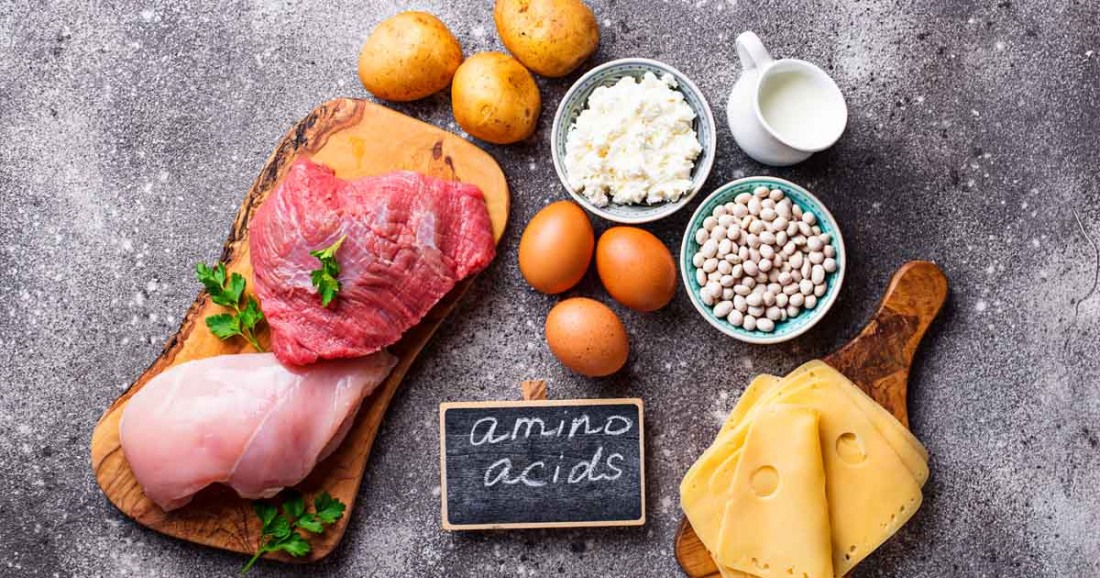
Although amino acids are widely available in a variety of different food sources, you can also reach for supplements to get a quickly concentrated amount that can increase the general benefits of amino acids. There are many different types of supplements available that vary in the type offered as well as the potential health benefits. Protein powder supplements such as whey protein, hemp protein powder or other types of protein powders offer many of the essential amino acids the body needs while delivering a hearty dose of protein.
Recommended
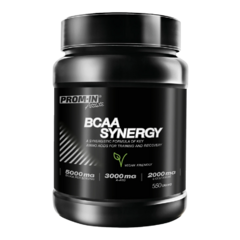
Prom-in BCAA Synergy
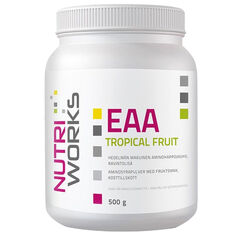
NutriWorks EAA

Big Zone Bulletproof EAA's
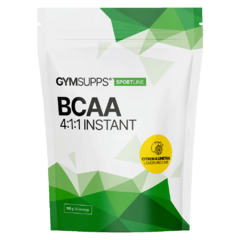
GymSupps BCAA 4:1:1 Instant
You can also use supplementation with isolated amino acids such as tryptophan or the aforementioned BCAA or EAA. Each of the supplements offers specific benefits or are even used as natural treatments for conditions such as cold sores, depression or insomnia. No matter what type of amino acid supplement you choose, follow the recommended dosage to avoid unwanted side effects. If you experience any negative symptoms, consider reducing your dose or discontinuing supplementation and consulting a trusted physician.
How do I know if I am missing an amino acid?
A deficiency of amino acids, or protein, is relatively rare, but can manifest as dry skin, loss of muscle mass, weak hair, brittle nails, decreased appetite, slowed or stopped growth in children, impaired immune function, weakened bones, and much more. Deficiency most often occurs in the elderly, individuals with serious illnesses, or people with very particular eating styles. People who follow a vegan or vegetarian diet should also plan their diet carefully to ensure that their protein needs are met by eating a variety of plant-based protein foods.
What to take away from the article?
Different amino acids play different roles in the body, and therefore we need to supply the body with all of them, especially the essential ones that it cannot make on its own. Essential amino acids are essential for many aspects of health and a deficiency can cause a long list of serious complications. The key to preventing deficiency and ensuring adequate intake is a balanced diet with plenty of essential nutrients and protein. For athletes, they are important for example to improve recovery, ensure muscle protection during intense training or in weight reduction and last but not least, they are important for brain function, mood and sleep quality. The best sources are animal products such as meat, dairy products or eggs, but plant sources need not be condemned either. Although they often do not contain the complete amino spectrum, a suitable combination of different sources can achieve it.
Sources:
Ferrando, A. A., Paddon-Jones, D., Hays, N. P., Kortebein, P., Ronsen, O., Williams, R. H., McComb, A., Symons, T. B., Wolfe, R. R., & Evans, W. (2010). EAA supplementation to increase nitrogen intake improves muscle function during bed rest in the elderly. Clinical nutrition (Edinburgh, Scotland), 29(1), 18-23. https://doi.org/10.1016/j.clnu.2009.03.009
Dudgeon, W. D., Kelley, E. P., & Scheett, T. P. (2016). In a single-blind, matched group design: branched-chain amino acid supplementation and resistance training maintains lean body mass during a calorie restricted diet. Journal of the International Society of Sports Nutrition, 13, 1.
Rahimi, M. H., Shab-Bidar, S., Mollahosseini, M., & Djafarian, K. (2017). Branched-chain amino acid supplementation and exercise-induced muscle damage in exercise recovery: A meta-analysis of randomized clinical trials. Nutrition (Burbank, Los Angeles County, Calif.), 42, 30-36.
Ispoglou, T., King, R. F., Polman, R. C., & Zanker, C. (2011). Daily L-leucine supplementation in novice trainees during a 12-week weight training program. International journal of sports physiology and performance, 6(1), 38-50. https://doi.org/10.1123/ijspp.6.1.38
Levitan, R. D., Shen, J. H., Jindal, R., Driver, H. S., Kennedy, S. H., & Shapiro, C. M. (2000). Preliminary randomized double-blind placebo-controlled trial of tryptophan combined with fluoxetine to treat major depressive disorder: antidepressant and hypnotic effects. Journal of psychiatry & neuroscience : JPN, 25(4), 337-346.
Yurcheshen, M., Seehuus, M., & Pigeon, W. (2015). Updates on Nutraceutical Sleep Therapeutics and Investigational Research. Evidence-based complementary and alternative medicine : eCAM, 2015, 105256. https://doi.org/10.1155/2015/105256
Solano F. (2020). Metabolism and Functions of Amino Acids in the Skin. Advances in experimental medicine and biology, 1265, 187-199. https://doi.org/10.1007/978-3-030-45328-2_11
National Center for Biotechnology Information (2021). PubChem Compound Summary for CID 16130064, L-Lysine,. Retrieved November 9, 2021 from https://pubchem.ncbi.nlm.nih.gov/compound/L-Lysine.
National Center for Biotechnology Information (2021). PubChem Compound Summary for CID 6106, Leucine. Retrieved November 9, 2021 from https://pubchem.ncbi.nlm.nih.gov/compound/Leucine.
Stoppani, J., Scheett, T., Pena, J., Rudolph, C., & Charlebois, D. (2009). 2009 international society of sports nutrition conference and expo new orleans, la, USA. 14-15 june 2009. Abstracts. Journal of the International Society of Sports Nutrition, 6 Suppl 1(Suppl 1), P1-P19. https://doi.org/10.1186/1550-2783-6-s1-p1.
No posts have been made yet.








