L-Arginine - a supplement with amazing benefits that is unfairly overshadowed by other supplements
 Author:
 L-Arginine (or just arginine for short) is one of the amino acids and as you already know, amino acids are the building blocks of protein. Arginine, like most other amino acids, is obtained from the diet, especially from animal sources of protein that we consider to be complete - for example, beef and other red meats, poultry, fish, eggs and dairy products. In addition to animal sources, this important amino acid can also be found in several plant sources or simply supplemented. Arginine plays a very crucial role not only for athletes, but also for health in general, and today we will tell you more about this amino acid.
Article content:
- Theoretical window - what is arginine?
- Where can we find arginine?
- Benefits of taking arginine
- Benefits for athletes
- How much arginine to take and in what form?
- Are there any downsides to taking arginine?
- What can I take away from this article?
Theoretical window - what is arginine?
Arginine belongs to the semi-essential amino acids - this means that it is an amino acid that the body cannot produce in sufficient quantities under certain conditions - this situation typically occurs during the growth period or, on the contrary, in old age, with increased physical exertion, illness, etc. Under normal physiological conditions, arginine is produced in the body in the so-called biochemical urea cycle from the amino acid ornithine. It is produced mainly in the tissues of the kidneys, liver and brain (here arginine is also produced from the amino acid citrulline).
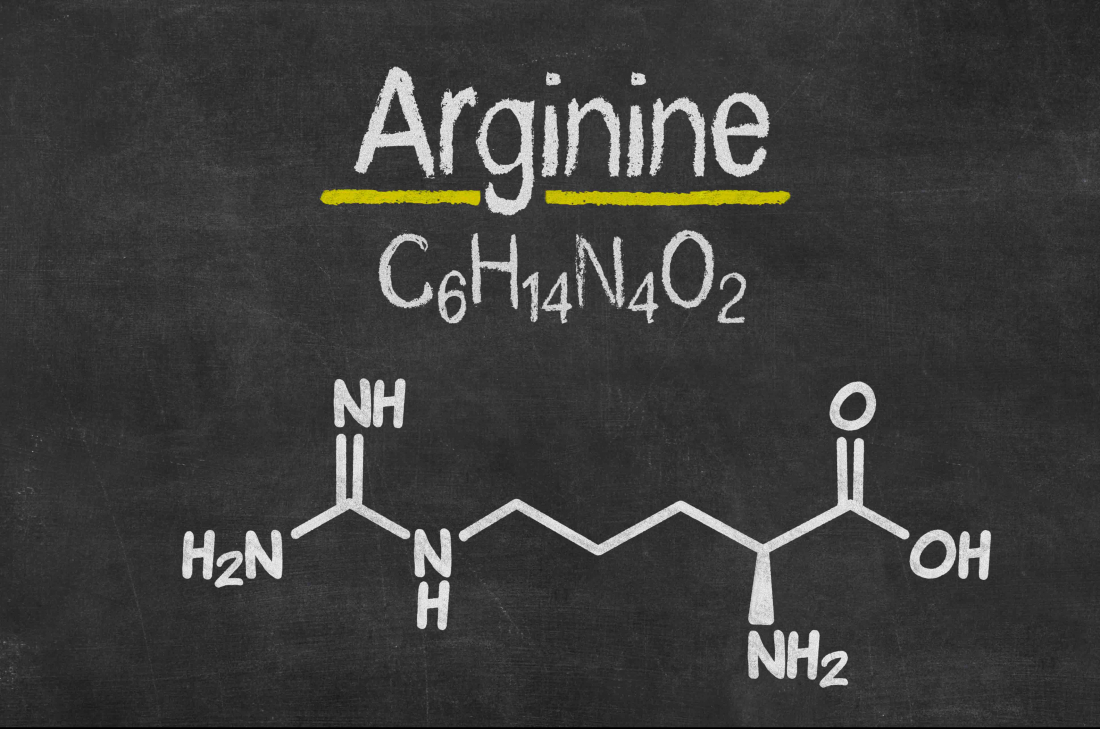
One of the main reasons people take arginine in supplement form is its ability to improve blood flow. In the body, arginine is converted into nitric oxide, which causes blood vessels to dilate (called vasodilation), which can also be used for strength training, but it also has a positive effect on heart and brain health, for example. Another important effect of L-Arginine is that it stimulates the production of certain hormones, especially growth hormone and insulin, which results in better nutrient supply to cells, increased energy levels and support for muscle growth.
Arginine also plays an important role in recovery from injury and greatly helps to promote the regeneration of tendons and tendons overstressed by sport. It is also often mentioned as having rejuvenating effects. This useful substance is somewhat neglected in the shadow of other supplements, which is a pity. It is only used in pre-workout products to promote blood flow and very little is said about its other benefits.

Where can we find arginine?
The body can produce arginine in certain amounts on its own, but this amount is often insufficient, especially in children, the elderly, vegans or vegetarians, people suffering from metabolic disorders and athletes, so it is necessary to increase the intake of food sources of arginine or take it in supplement form. So what foods have the highest content of this very important amino acid? In fact, most high-protein foods contain arginine.
To help your body naturally make and use more L-arginine and nitric oxide, focus on a diet based on real foods - especially a sufficient intake of complete and easily digestible protein sources that provide a variety of amino acids. Complete proteins are most beneficial because they contain all the other acids needed for muscle growth and proper neurotransmitter function in addition to L-arginine.Wild fish, such as salmon, provide the body with omega-3 fatty acids, which are very important for overall health. If you are a plant-based eater, then you can also get L-arginine from nuts, coconut products, seeds, grains and beans.
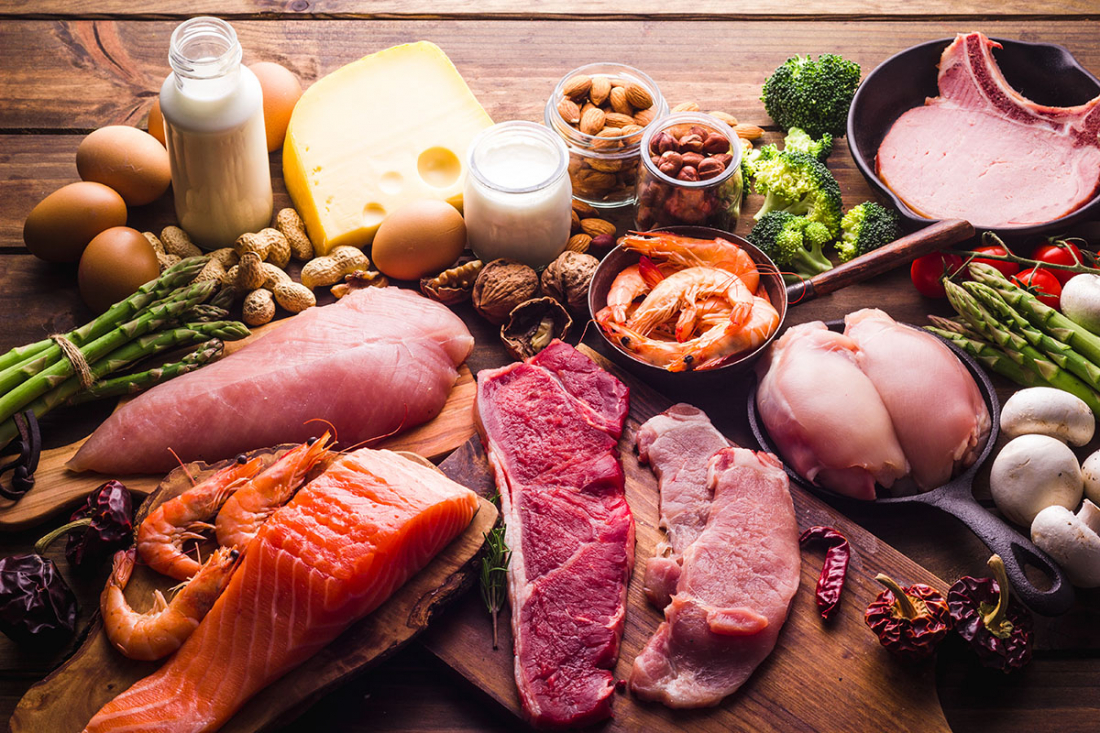
Therefore, some of the best food sources include:
- Eggs
- Dairy products such as yogurt, kefir, cheese
- Beef, ideally from grass-fed cattle
- Poultry meat - also ideally from free range farms
- Liver and other organ meats
- Wild fish
- Sesame, pumpkin and sunflower seeds
- Seaweed
- Spirulina
- Brazil nuts
- Walnuts
- Almonds
- Coconut pulp
Another way to ensure that our bodies have enough arginine is, of course, to take it in supplement form. You can take either L-arginine itself or perhaps citrulline, which the body can transform into arginine. Now let's take a look at all the benefits that arginine offers.
Recommended
Extrifit Arginine 1000 mg
Big Zone Arginin HCL
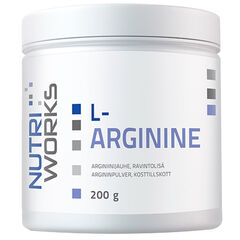
NutriWorks L-Arginine
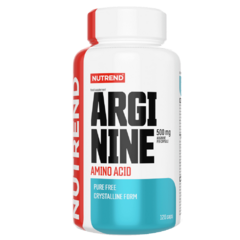
Nutrend Arginine
Benefits of taking arginine
Has a positive effect on heart health
Research shows that L-arginine is beneficial for reducing inflammation and has a positive effect on cardiovascular health, which is why cardiologists often recommend supplements containing L-arginine to boost heart health. L-Arginine may serve as a prevention against heart attack and stroke. How exactly does L-Arginine support cardiovascular health? It potentially helps prevent high blood pressure, improves blood flow through blood vessels, lowers cholesterol and triglyceride levels, and lowers blood sugar.
Helps boost immunity
L-Arginine also positively affects the functions of the central nervous system as well as the immune system, as nitric oxide in the brain acts as a neurotransmitter and protective agent against external threats. Stimulation of nitric oxide and growth hormone production has antioxidant potential, preventing the adverse effects of free radicals. In addition, arginine stimulates the activity of white blood cells (T-lymphocytes), which are essential for the body's defenses. L-Arginine is also often used in combination with omega-3 fatty acids and other supplements to reduce the risk of infections (especially respiratory infections or lung problems), improve wound healing, and shorten recovery time after cancer or other serious illnesses or surgery. Medical research has shown that taking arginine increases collagen synthesis and speeds up tissue healing after surgery.
Arginine is also sometimes added to ointments used to treat wounds. It has healing and anti-inflammatory effects, plus it helps fight swelling and pain. Arginine also stimulates the production of L-proline, which is important for collagen synthesis in the skin, and increases antioxidant activity. It has been used to treat burns and some studies suggest that it may also fight tooth decay. L-arginine is also given to people undergoing chemotherapy. Arginine can also reduce the concentration of ammonia in the blood and is therefore sometimes used to treat people with metabolic problems.
Regulates blood pressure
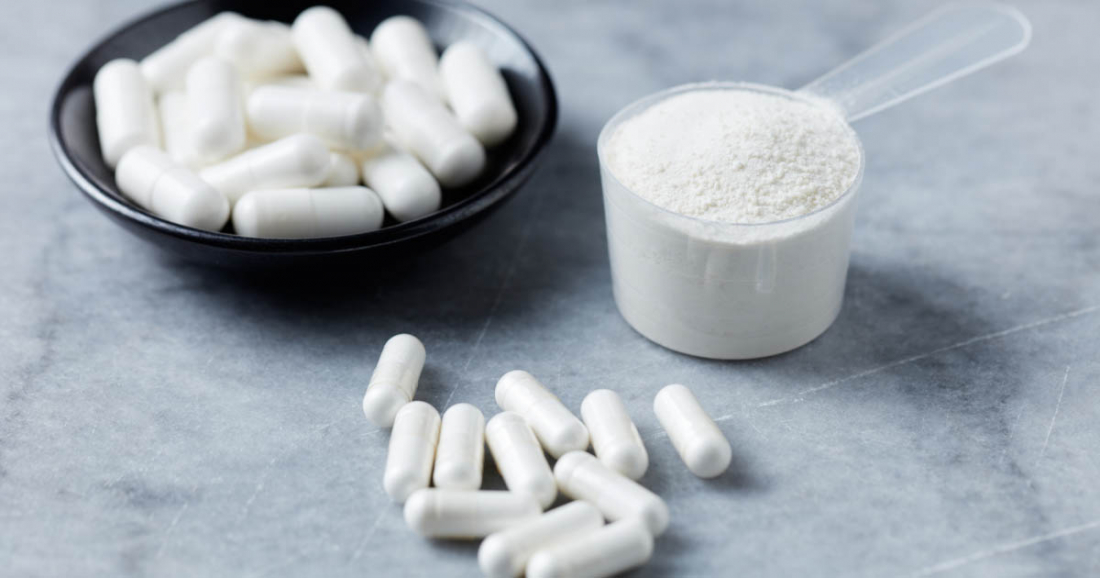
Supplements containing L-arginine can also be beneficial for people suffering from high blood pressure. Studies have shown that taking L-arginine supplements can help lower systolic (top number) and diastolic (bottom number) blood pressure readings. L-Arginine is needed for the production of nitric oxide, which promotes the dilation of blood vessels and may result in lower blood pressure.
An effective weapon in the treatment of diabetes
Multiple studies prove that L-arginine can benefit individuals who have diabetes by making glucose metabolism more efficient and increasing insulin sensitivity. As mentioned several times, L-arginine is needed for nitric oxide production. Among other things, nitric oxide also plays an important role in how the body responds to insulin, a hormone that affects blood sugar levels. Therefore, increasing the availability of nitric oxide can help improve the function of insulin-secreting cells and help the body use blood sugar more efficiently. Some research has shown that long-term treatment using L-arginine can be a very effective part of preventing the development of diabetes, as well as treating it. Patients with diabetes also have impaired arginine metabolism, so supplementation can help restore molecular imbalances.
Help in the treatment of erectile dysfunction and infertility
Due to the improvement in artery patency and blood flow after taking it, arginine can actually help men with erectile dysfunction and increase sperm production. Very often, heart and blood vessel disease is behind this disorder, where poor blood flow means less blood reaches the penis and can lead to erection difficulties or reduced sperm production. Therefore, supplements containing L-arginine or L-citrulline are often recommended for the treatment of such disorders.

Benefits for athletes
Let's move on to what will probably interest you the most on our page - how L-arginine can support athletic performance. As mentioned several times already, L-arginine effectively increases nitric oxide production in the body, resulting in increased blood flow and better muscle oxygenation. This leads to better and faster delivery of nutrients and oxygen to muscle and joint tissues. This means that when you take arginine as a supplement in sports, you can enjoy several benefits at once - improved endurance, faster recovery and fat burning support.
You probably know that L-arginine is used for the "pump up" effect before a workout, but it actually has a much broader use. By taking arginine post-workout, ideally in the form of A-AKG where arginine acts like a keto acid, you'll speed up the start of protein synthesis and stop catabolism more effectively. We also already know that arginine stimulates the secretion of growth hormone, which stimulates muscle formation and growth. Arginine also accelerates muscle cell regeneration. In fact, it is very important for increasing protein synthesis (called proteosynthesis), either through growth hormone or through a higher supply of nutrients and oxygen to the muscle tissue. Arginine has also been shown to increase performance and help delay fatigue.

Through nitrogen oxides, it transmits nerve impulses in the brain (neurotransmitter) and thus regulates e.g. the digestive tract, coordination of movements and long-term memory. Stimulating the production of nitric oxide and growth hormone also has antioxidant potential, preventing the adverse effects of free radicals, which we really appreciate after training when our body's defences are more vulnerable. Studies also suggest that it can help with body fat reduction.
How much arginine to take and in what form?
Most of the general population can get enough arginine through diet, but the moment we are active, our need for it increases, so we can supplement with additional arginine. Doctors sometimes prescribe L-arginine along with other supplements as a supportive treatment for a range of conditions such as heart disease, migraines, infections and also to relieve symptoms of serious illnesses such as diabetes, HIV or cancer.
The truth is that there is no generally valid recommendation on how much arginine to actually take and opinions and recommendations vary widely in this regard. An amount of 3-10g per day can be considered an effective dose. Higher doses obviously carry a greater risk of side effects, and the good old "less is sometimes more" applies here too. When using arginine to support the treatment of a variety of ailments, consult your doctor for dosage.

If you want to use it before training, it is advisable to combine it with citrulline. These substances act synergistically to maximise the blood supply to the muscles. In the case of taking arginine after exercise, choose the AAKG form, which will promote protein synthesis and stop catabolism. You can also use a combination with glutamine after a workout. To support fat burning, it is recommended to take a dose of 5-10g per night. Again, a combination with glutamine or ornithine is suitable.
Is there any downside to taking arginine?
Although it is generally safe, due to the fact that it is a natural amino acid, it is important to note that in specific cases or in excessively high doses, L-arginine can have potentially negative side effects. Bloating, abdominal pain, diarrhea, aggravation of allergies or low blood pressure may occur. Is it safe to take L-arginine daily? Consuming it from natural food sources is not harmful, but daily high doses of supplements can complicate the course of some diseases, especially when you are taking any medications.
If you have a history of kidney problems, low blood pressure, diabetes, some heart problems, or have an active virus (such as herpes), talk to your doctor about including arginine first. There is research that suggests that taking supplements containing arginine may be dangerous for individuals after a heart attack.
What to take away from the article?
Arginine is one of the so-called semi-essential amino acids. The body therefore produces it in certain amounts on its own, but there are situations where it is advisable to support its production with an appropriate diet and the use of supplements. Especially for athletes, arginine has interesting effects. It promotes the production of nitric oxide, which leads to better blood flow, pumping and also better transport of nutrients and oxygen to the muscles. This makes arginine a great supplement for strength athletes, it can support performance, muscle building, recovery and last but not least it also supports the immune system. Arginine is also used in medicine - it is used for example in the treatment of diabetes or in erection and sperm production problems.
Sources:
Sudar-Milovanovic, E., Obradovic, M., Jovanovic, A., Zaric, B., Zafirovic, S., Panic, A., Radak, D., & Isenovic, E. R. (2016). Benefits of L-Arginine on Cardiovascular System. Mini reviews in medicinal chemistry, 16(2), 94-103. https://doi.org/10.2174/1389557515666151016125826
McRae M. P. (2016). Therapeutic Benefits of l-Arginine: An Umbrella Review of Meta-Analyses. Journal of chiropractic medicine, 15(3), 184-189. https://doi.org/10.1016/j.jcm.2016.06.002
Kang, K., Shu, X. L., Zhong, J. X., & Yu, T. T. (2014). Effect of L-arginine on immune function: a meta-analysis. Asia Pacific journal of clinical nutrition, 23(3), 351-359. https://doi.org/10.6133/apjcn.2014.23.3.09
Hnia, K., Gayraud, J., Hugon, G., Ramonatxo, M., De La Porte, S., Matecki, S., & Mornet, D. (2008). L-arginine decreases inflammation and modulates the nuclear factor-kappaB/matrix metalloproteinase cascade in mdx muscle fibers. The American journal of pathology, 172(6), 1509-1519. https://doi.org/10.2353/ajpath.2008.071009
https://www.mayoclinic.org/drugs-supplements-l-arginine/art-20364681
Pahlavani, N., Entezari, M. H., Nasiri, M., Miri, A., Rezaie, M., Bagheri-Bidakhavidi, M., & Sadeghi, O. (2017). The effect of l-arginine supplementation on body composition and performance in male athletes: a double-blind randomized clinical trial. European journal of clinical nutrition, 71(4), 544-548. https://doi.org/10.1038/ejcn.2016.266
Popovic, P. J., Zeh, H. J., 3rd, & Ochoa, J. B. (2007). Arginine and immunity. The Journal of nutrition, 137(6 Suppl 2), 1681S-1686S. https://doi.org/10.1093/jn/137.6.1681S
Stanislavov, R., & Nikolova, V. (2003). Treatment of erectile dysfunction with pycnogenol and L-arginine. Journal of sex & marital therapy, 29(3), 207-213. https://doi.org/10.1080/00926230390155104
No posts have been made yet.