





Beta-alanine, a supplement for even better performance
 Author:
 Beta-alanine is a non-essential amino acid that deserves more attention in strength athletes. It is known for the unpleasant, but harmless, itching sensation that its consumption induces. Beta-alanine can provide many benefits, due to its unique chemical properties that need to be properly understood. This amino acid is classified as a neurotransmitter, which is why it is also often under the scrutiny of scientists.
Beta-alanine, or 3-aminopropionic acid, is a naturally occurring beta-amino acid and a component of the histidine dipeptides carnosine and anserine, as well as vitamin B5 or pantothenic acid. Structurally, then, beta-alanine is a hybrid between the potent neurotransmitters L-glycine and GABA, which may explain why its ingestion produces a similarly stimulating effect to that of caffeine. If you want to understand how beta-alanine works, you need to understand how carnosine functions. In fact, it is carnosine that is the key element that provides all the benefits associated with beta-alanine, including greater strength, better endurance, and even greater fat loss and muscle growth.
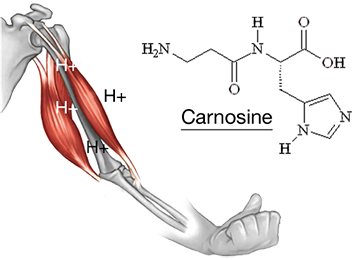
You can get beta alanine from your regular diet, such as beef or pork, or even tuna. In addition, it is a very common ingredient in pre-workout supplements, and of course it is also available as a stand-alone supplement. The human body is therefore able to create this amino acid itself in three ways. It can be released during the breakdown of histidine dipeptides, such as the aforementioned carnosine. The second possibility is its formation as a by-product of a reaction where it converts L-alanine to pyruvate. The last possibility for its formation is during digestion, when red microorganisms remove the carbon atom from L-aspartate.
When consumed as a dietary supplement, beta-alanine passes from the bloodstream into skeletal muscle via the beta-alanine and taurine transporter, which is dependent on the availability of both sodium and chloride. Once it enters skeletal muscle cells, it binds to the essential amino acid L-histidine to form the dipeptide carnosine
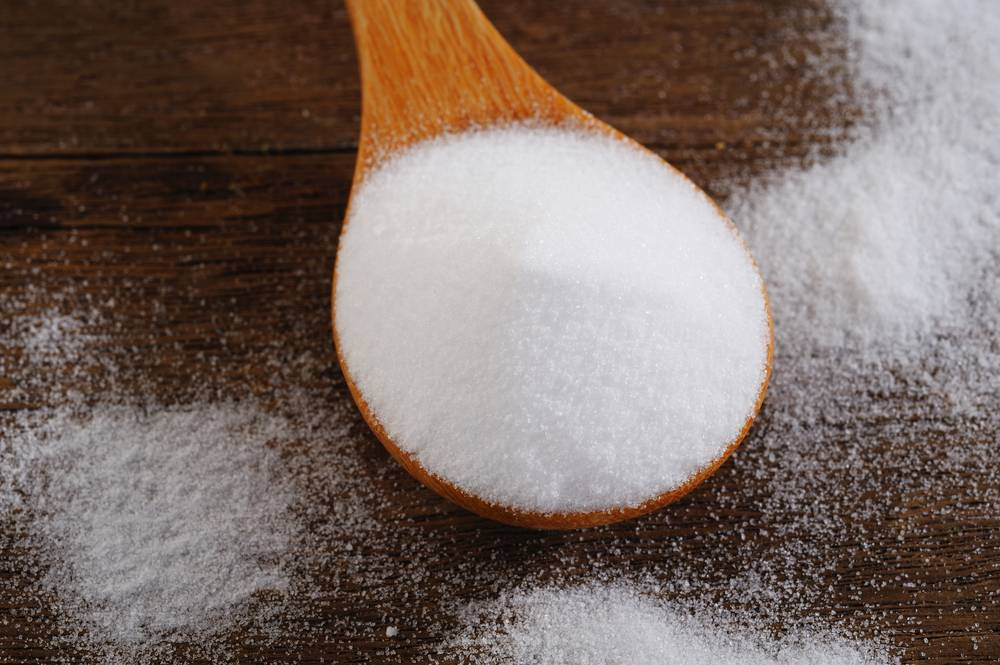
Enough theory, let's get to its effects!
The main benefit for athletes that beta-alanine possesses lies in its ability to increase muscle carnosine concentration. Carnosine is a powerful antioxidant and peptide. This peptide is one of your muscles' first lines of defense against the formation of hydrogen ions (H+) during high-intensity exercise. It is the increase in H+ that dramatically lowers the pH inside muscle cells, negatively affecting enzyme function and muscle stimulation-contraction that promote continued high-intensity output. Simply put, the decrease in muscle pH is a major contributor to muscle fatigue.
Although our body balances pH naturally, if it falls below a certain level (for example during training), the body is no longer able to resist and the ability to perform is impaired. It is this condition that beta-alanine supplementation attempts to prevent by converting it to carnosine. According to studies, beta-alanine supplementation can increase muscle carnosine concentrations by up to 58% in 4 weeks of use and up to 80% in 10 weeks.

Muscle carnosine concentration is associated with a high proportion of muscle fibers II. Type. Men also have more of it than women, as the enzyme that breaks down carnosine is much more active in women. In addition, beta-alanine also stimulates growth hormone production.You may be wondering, why not supplement with carnosine? When pure carnosine is consumed, it is broken down in the digestive tract into the two amino acids mentioned above - beta-alanine and histidine. A certain amount passes through the tract, but even this very small amount is rapidly broken down in the blood by enzymes. It is reported that only about 40% of carnosine contains beta-alanine and it is logical that it is better to get carnosine into the body via beta-alanine than as a separate substance.

Beta-alanine is a functional supplement for a wide range of athletes, not just fitness enthusiasts. Its effects have also been tested on cyclists, footballers, boxers and other strength and endurance athletes, and its positive effects, whether on performance, strength or endurance, have been observed in every sport.
Recommended
MAXXWIN Beta Alanine 1000
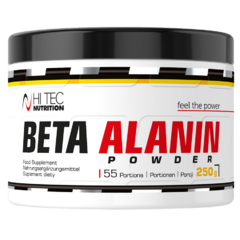
HiTec Beta Alanin
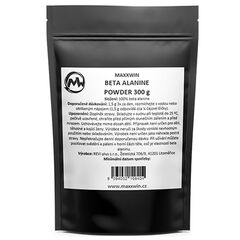
MAXXWIN Beta Alanine
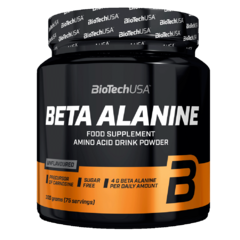
BiotechUSA Beta Alanine
Dosage and timing
The benefits of beta-alanine in the form of an increase in muscle carnosine are more likely to be observed over a longer time frame. It follows, therefore, that beta-alanine supplementation depends much more on the total daily intake of beta-alanine than on its timing. After prolonged use, the body retains an increased concentration of carnosine, which decreases very slowly. Beta-alanine has stimulatory effects and the best time to take it seems to be around training - before and after. Studies suggest that if you include this amino acid before and after training, the possibility of its absorption increases, due in large part to the increased blood flow during exercise. Based on current research, it is recommended to take 4 to 6 grams of beta alanine per day to improve performance . Because of the aforementioned itching sensation that occurs after ingesting beta-alanine, it is better to spread this amount out over several doses throughout the day.
Sources:
https://www.ncbi.nlm.nih.gov/pubmed/19083385
https://www.ncbi.nlm.nih.gov/pubmed/23899755
https://jissn.biomedcentral.com/articles/10.1186/1550-2783-9-39
https://jissn.biomedcentral.com/articles/10.1186/s12970-015-0090-y
https://www.ncbi.nlm.nih.gov/pubmed/19210788
https://www.ncbi.nlm.nih.gov/pubmed/25510839
https://www.ncbi.nlm.nih.gov/pubmed/17136944
https://www.ncbi.nlm.nih.gov/pubmed/16953366
https://www.jimstoppani.com/supplements/supplement-research-update-beta-alanine
https://www.ncbi.nlm.nih.gov/pubmed/16554972
https://www.ncbi.nlm.nih.gov/pubmed/18548362
https://www.ncbi.nlm.nih.gov/pubmed/22895378
https://www.ncbi.nlm.ni
No posts have been made yet.








