





List of nutrients to watch out for if you don't eat meat!
 Author:
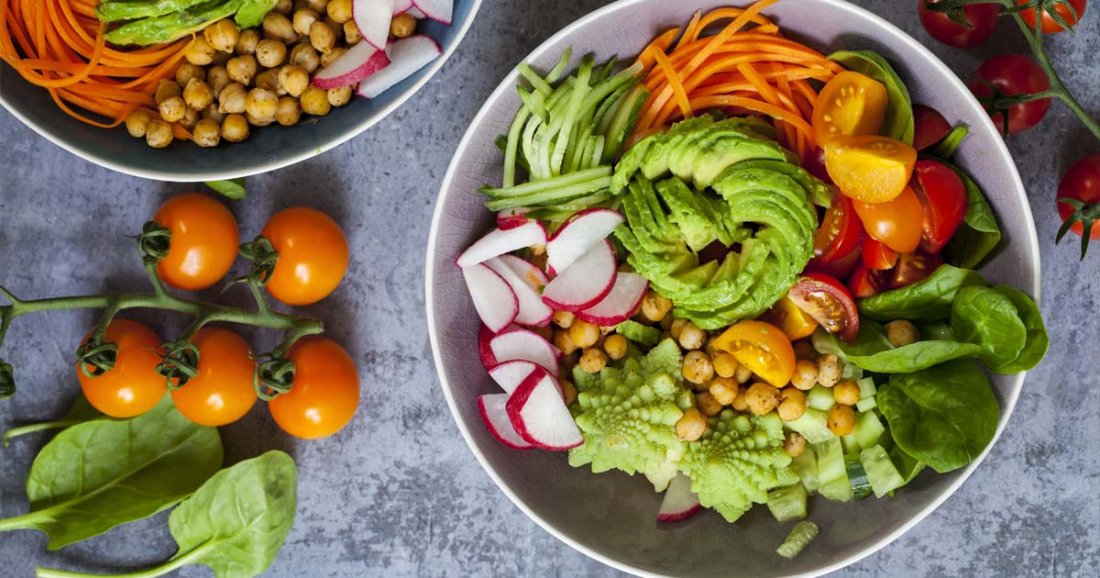
 Vegetarianism, veganism and other forms of plant-based eating are very popular nowadays. Quite often, plant-based eating goes beyond a mere dietary direction and can be described as a philosophy of life. Most often, people turn to plant-based eating for ethical reasons or simply because they are uncomfortable eating meat.
You will know from our previous articles on plant-based diets that we often consider plant-based sources of protein to be incomplete due to the absence of at least one of the essential amino acids. At the same time, we know that if we want to achieve a complete amino spectrum, we just need to learn to combine different food sources appropriately. But it's not just about amino acids - plant-based eaters need to make sure they get enough of a whole range of important nutrients, a deficiency of which can cause serious health problems. Let's take a look together at a list of the most important ones ever!
Article content:
Vitamin B12
Vitamin B12 is an essential nutrient found almost exclusively in foods of animal origin such as fish, meat, dairy products and eggs. Vitamin B12, also known as cobaltamine, is essential for the formation of red blood cells, the proper functioning of the nervous system and is also essential for the proper functioning of our brain. It is one of the water-soluble vitamins. Research suggests that vitamin B12 is the nutrient most often missing from the diet of plant-based dieters, and without supplementation of this very important vitamin, they are often unable to meet their adequate intake. Vegans who do not consume any animal products at all, including eggs and dairy products, are at the greatest risk of B12 deficiency.
Symptoms and risks associated with vitamin B12 deficiency include weakness and fatigue, impaired concentration and thinking, neurological disorders, psychiatric disorders, neurological disorders in breastfeeding mothers and an increasing risk of developing Alzheimer's disease or heart disease. In order to obtain sufficient amounts of vitamin B12, vegans must necessarily supplement with vitamin B12 or consume foods fortified with this nutrient. Such foods include fortified yeast extracts (such as delicatessen yeast), soy products, breakfast cereals, breads and meat substitutes. Of the plant sources, nori seaweed and tempeh stand out for their decent vitamin B12 content. Nori seaweed is considered the most suitable source of bioavailable vitamin B12 for vegans, yet it does not contain enough of it. Another plant food often claimed to contain vitamin B12 is spirulina. However, it only offers pseudovitamin B12, which is not bioavailable. The easiest option is therefore to supplement with vitamin B12.
Iron
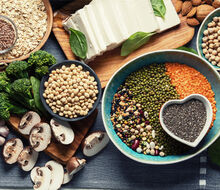
Iron is another ingredient that is often deficient in the diets of plant-based dieters. Iron plays a very important role in transporting oxygen in our blood and maintaining stable energy levels. Symptoms of iron deficiency include fatigue, dizziness, headaches, pale skin, weakness and more. The richest source of bioavailable iron is meat. Some plant sources (such as beans, lentils, cashews, spinach or tofu) do contain iron, but in a so-called non-heme form, whose bioavailability is unfortunately not very high. Its absorption is further limited by antinutritional substances that are also present in plant foods, such as phytic acid. For this reason, followers of a plant-based diet must ensure that their diet contains a truly significant amount of non-heme iron, or they may resort to supplementation.
Zinc
Zinc is another very important mineral that can be difficult for plant-based dieters to obtain an optimal intake of. Zinc is known for its essential role in the body's immune defence. Zinc is both a vital element and an essential one. This means that it is not produced by the body itself and must be taken in through diet and supplements. After iron, it is the second most abundant trace element in the body and its role is fungible. Zinc is important for the proper functioning of more than 300 biochemical processes - it affects digestion and metabolism, the nervous system, thyroid function, the immune system, the reproductive organs and its deficiency can have truly fatal consequences.
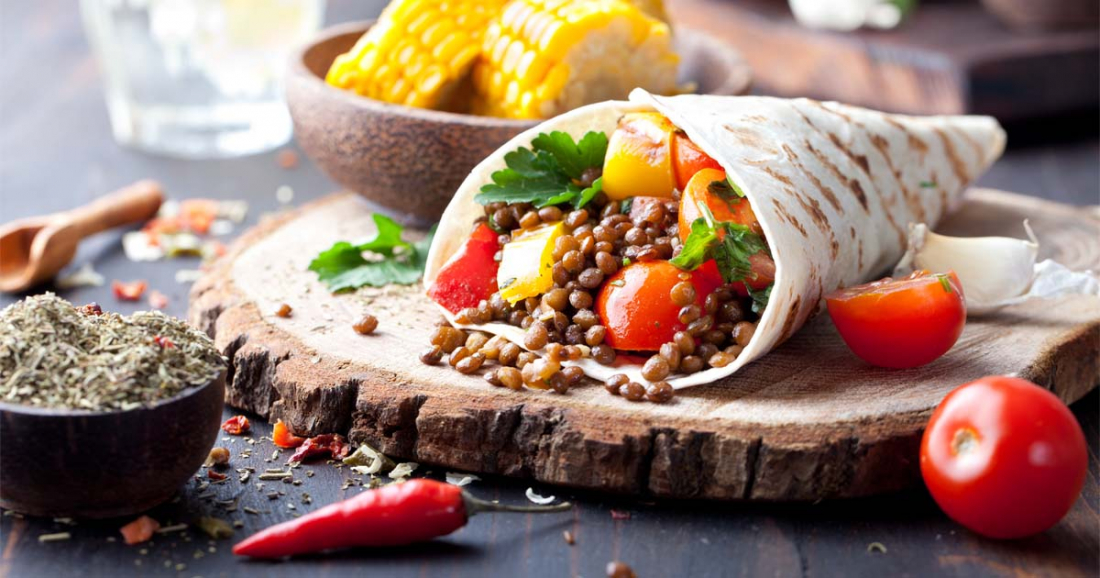
Zinc is less abundant in plant-based foods and is also less easily absorbed than when taken from animal sources. Zinc deficiency can lead to impaired immune function, frequent illness, slow wound healing, hair loss, diarrhoea and loss of appetite. To work on getting enough zinc, add chickpeas, cashews, pumpkin seeds or yogurt to your diet. However, getting the daily dose of zinc you need will likely require additional supplementation. Beware, however, that zinc should not be taken together with iron and copper as it strongly affects their absorption.
Vitamin D
Vitamin D deficiency affects up to 90% of the world's population, not excluding those who follow a plant-based diet. Because it is really essential, we have devoted an entire comprehensive article to it, which you can read in the link below the paragraph. The best source of this very important vitamin is the sun, and just fifteen minutes under its rays is enough to ensure that we get enough of it. In winter, or if time does not allow us to spend time outdoors, we should supplement this essential micronutrient. Vitamin D is essential for bone health and is a key component of the body's immune system, so it is important to have adequate intake. Deficiency manifests itself in depression, impaired immunity, fatigue, excessive bone breakage and osteoporosis, development of heart disease, etc.
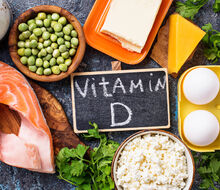
If we wanted to get sufficient intake of it through diet alone, we would have great difficulty. In fact, there are very few food sources of this important micronutrient - and even fewer for plant-based eaters, since most food sources of vitamin D are of animal origin. There are two types of dietary vitamin D - ergocalciferol (D2) found in plants and cholecalciferol (D3) found in foods of animal origin, which is more bioavailable. Vitamin D3 is found in the flesh of oily fish such as salmon and tuna, and is also found in eggs, cheese and cow's milk. If you're vegan, try fortified orange juice, soy milk, cereal and shiitake mushrooms. Then again, supplementation is the easiest way to ensure adequate intake (and not just for plant-based eaters).
Calcium
Calcium is another key micronutrient that influences the building and strength of our bones. For a long time, milk was considered the best source of calcium, but we now know that there are a number of sources that can help us meet our calcium requirements. However, again, plant sources of calcium are not as well absorbed by the body as animal sources, which can lead to calcium deficiency. Low calcium can increase your risk of weak bones and osteoporosis over time. In addition to milk, calcium can also be found in green vegetables, broccoli, soybeans, black beans, almonds, and turnips. You can also try plant milk, cereals or juices fortified with calcium. However, for all plant-based eaters, calcium should also be taken in the form of a dietary supplement.
- Tip: If you are vegetarian or vegan, be sure to include supplements that are vegan in your supplementation. For example, the Viridian brand makes its products in capsules that are not in a gelatin formula and can be taken by vegans or vegetarians.
Recommended

Nebbia Top-style body CLUB D’OR 641

Power System Opasek Power natural PS-3000

HMS Elektrický běžecký pás BE 8535
Omega-3
Omega-3 fatty acids are among the most beneficial fats ever. They are essential for proper brain function, help fight depression, lower cholesterol, have anti-inflammatory effects and much more. Omega-3 fatty acids include EPA (eicosapentaenoic acid), DHA (docosahexaenoic acid) and ALA (alpha linolenic acid). The latter is mainly found in plant sources and needs to be transformed into the other two amino acids to be active in the body. Unfortunately, this conversion does not take place very efficiently, making it very difficult to achieve an adequate intake of omega-3 fatty acids from plant sources alone. A deficiency of DHA can have adverse effects on mental health and brain function, especially in children, and in the case of pregnant women can lead to problems with fetal development.
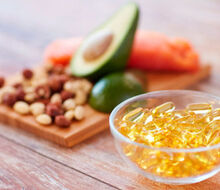
If you are a vegetarian but eat fish (especially oily fish like salmon, tuna or trout), then you may not be as concerned about omega-3 fatty acid deficiencies as a strictly plant-based eater who doesn't eat fish at all. Nowadays, however, vegan supplements are readily available to help with your intake of these essential fatty acids.
- Hint: You can buy Vegan Omega 3-6-9 in our shop HERE!
Creatine
When you say creatine, most of you probably picture a pumped up bodybuilder with giant muscles. But creatine is a molecule that EVERY human body contains. A significant portion of creatine stores in the muscles, and the rest is stored in the brain. Creatine acts as a readily available energy reserve for muscle cells, giving them greater strength and endurance - which is why creatine supplements are so popular in the fitness and bodybuilding world. Creatine is produced by the body itself, but it turns out that vegetarians and vegans have a slightly lower production of creatine themselves. Because creatine is only found in animal tissues, followers of a plant-based diet can only get it from supplements. Why should they do this? Creatine can help improve their physical performance and also has a positive effect on memory and cognitive function.
What to take away from the article?
Various forms of plant-based eating are currently enjoying great popularity. And why not! However, a plant-based diet needs to be approached carefully and care needs to be taken to ensure that the body has a sufficient intake of all the important nutrients, vitamins and minerals that are often only found in animal sources. Today we have looked at which nutrients are most often lacking in plant-based diets. If you're a vegetarian or vegan, make sure your diet contains enough of these nutrients, or look for a supplement that can easily help you get your daily intake!
Sources:
Burke, D. G., Chilibeck, P. D., Parise, G., Candow, D. G., Mahoney, D., & Tarnopolsky, M. (2003). Effect of creatine and weight training on muscle creatine and performance in vegetarians. Medicine and science in sports and exercise, 35(11), 1946-1955. https://doi.org/10.1249/01.MSS.0000093614.17517.79
Benton, D., & Donohoe, R. (2011). The influence of creatine supplementation on the cognitive functioning of vegetarians and omnivores. The British journal of nutrition, 105(7), 1100-1105. https://doi.org/10.1017/S0007114510004733
Calvo, M. S., Whiting, S. J., & Barton, C. N. (2004). Vitamin D fortification in the United States and Canada: current status and data needs. The American journal of clinical nutrition, 80(6 Suppl), 1710S-6S. https://doi.org/10.1093/ajcn/80.6.1710S
Dagnelie, P. C., van Staveren, W. A., Vergote, F. J., Dingjan, P. G., van den Berg, H., & Hautvast, J. G. (1989). Increased risk of vitamin B-12 and iron deficiency in infants on macrobiotic diets. The American journal of clinical nutrition, 50(4), 818-824. https://doi.org/10.1093/ajcn/50.4.818
Gerster H. (1998). Can adults adequately convert alpha-linolenic acid (18:3n-3) to eicosapentaenoic acid (20:5n-3) and docosahexaenoic acid (22:6n-3)? International journal for vitamin and nutrition research. Internationale Zeitschrift fur Vitamin- und Ernahrungsforschung. Journal international de vitaminologie et de nutrition, 68(3), 159-173.
Graham, A. S., & Hatton, R. C. (1999). Creatine: a review of efficacy and safety. Journal of the American Pharmaceutical Association (Washington,D.C. : 1996), 39(6), 803-877.
Guesnet, P., & Alessandri, J. M. (2011). Docosahexaenoic acid (DHA) and the developing central nervous system (CNS) - Implications for dietary recommendations. Biochimie, 93(1), 7-12. https://doi.org/10.1016/j.biochi.2010.05.005
Herrmann, W., Schorr, H., Obeid, R., & Geisel, J. (2003). Vitamin B-12 status, particularly holotranscobalamin II and methylmalonic acid concentrations, and hyperhomocysteinemia in vegetarians. The American journal of clinical nutrition, 78(1), 131-136. https://doi.org/10.1093/ajcn/78.1.131
Tangney, C. C., Aggarwal, N. T., Li, H., Wilson, R. S., Decarli, C., Evans, D.. A., & Morris, M. C. (2011). vitamin B12, cognition, and brain MRI measures: a cross-sectional examination. Neurology, 77(13), 1276-1282. https://doi.org/10.1212/WNL.0b013e3182315a33
Trang, H. M., Cole, D. E., Rubin, L. A., Pierratos, A., Siu, S., & Vieth, R. (1998). Evidence that vitamin D3 increases serum 25-hydroxyvitamin D more efficiently than does vitamin D2. The American journal of clinical nutrition, 68(4), 854-858. https://doi.org/10.1093/ajcn/68.4.854
Watanabe F. (2007). Vitamin B12 sources and bioavailability. Experimental biology and medicine (Maywood, N.J.), 232(10), 1266-1274. https://doi.org/10.3181/0703-MR-67
https://www.thehealthy.com/nutrition/vitamin-deficiency-vegetarian-vegan/
No posts have been made yet.








