





Guide to setting up a diet
 Author:
 Creating an effective diet isn't just about choosing the right foods, it's also about proper planning, setting goals and understanding the basic principles of nutrition. This article will provide you with a step-by-step guide on how to create a healthy and balanced diet that will support your fitness goals, whether it's losing weight, gaining muscle or maintaining weight.
Article Content:
- Goal Setting
- Calculating energy intake
- Proper diet composition
- How to build a diet
- Popular diets and eating regimes
- How and when to help yourself with supplements
- Physical activity and its importance in dieting
- Conclusion
Goal setting
What do you want to achieve?
The first step to creating an effective diet is to clearly define your goals. The most common goals include:
- Weight loss: weight loss through fat reduction.
- Gaining muscle: Increasing muscle mass through adequate protein intake and strength training.
- Contouring: A combination of weight loss and muscle building to accentuate muscle definition.
- Weight Maintenance: Maintaining current weight while maintaining a balanced diet and lifestyle.

Calculating energy intake
Basal Metabolic Rate
The primary factors affecting energy expenditure, other than physical activity itself, are body size and energy expenditure for basic life functions, all of which depend on age and gender. The larger the body surface area (determined by height and weight), the greater the energy requirement. The approximate number to meet the body's energy needs to maintain vital functions is referred to as the basal metabolic rate (BM).
To calculate BM, we use the value of lean body mass (LBM), our height and age.
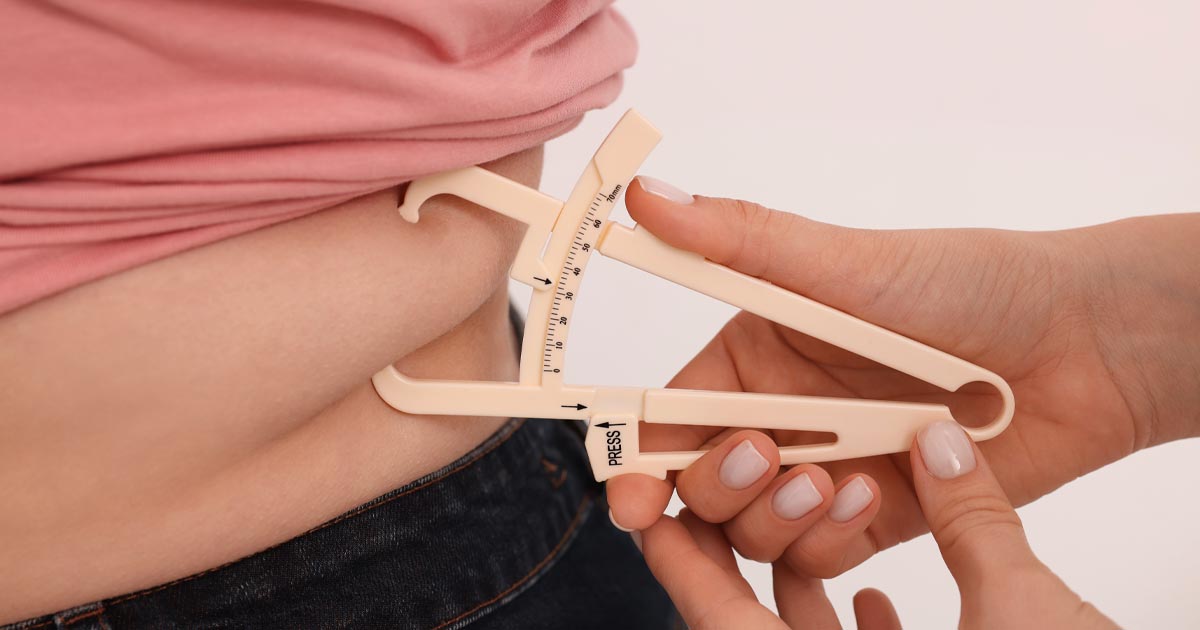
LBM is different from total body mass (TBM). LBM is your total body mass excluding fat tissue. Therefore, it is necessary to determine the fat content of your total body mass. Measuring fat content is done with a callipers (measuring the thickness of the fatty tissue at several points on the body), or there are devices that measure fat tissue approximately based on the resistance of the electric current passing through the body.
In the worst case, you can use the table below:
| Subjective sensation | Men | Women |
| Very thin | 6-10% | 10-15% |
| Skinny | 11-14% | 6-19% |
| With minimum fat | 15-18% | 20-25% |
| Slightly fatty | 19-24% | 26-29% |
| Obese | 25+% | 30+% |
Equation for calculating BM
Men:
- BMR = 66 + ( 13.7 x weight ) + ( 5 x height ) - ( 6.8 x age )
Women:
- BMR = 655 + ( 9.6 x weight ) + ( 1.8 x height ) - ( 4.7 x age )
So now we can move on to the calculation
- TBM - fat = LBM where fat = TBM * percentage (approximate percentage from the table)
Practical example
Weight = 110kg
Approximate fat percentage 15% (or - 85% of total weight is pure muscle mass)
- LBM = 110kg * 0.85 (1-0.15) = 93.5kg
Next we will need your height, say 180cm, and finally your age, say 33 years old.
- 66 + (5*180) + (13.7*93.5) - (6.8*33) = 2022.55 calories so 2022 calories
So our basal metabolism is about 2022 calories.
We have created an entire article on our magazine on this very topic, which we encourage you to read.
Calorie deficit and excess
To lose weight, you need to achieve a caloric deficit, that is, taking in fewer calories than you burn. Conversely, for gaining muscle, a caloric surplus is necessary. A typical recommendation is to reduce or increase your daily caloric intake by 500 kcal for gradual weight loss or gain.
Factors affecting energy intake and expenditure
Various factors affect energy intake and expenditure, such as:
- Sleep: Lack of sleep can lead to increased appetite and reduced ability of the body to burn fat.
- Physical activity: more physical activity means higher energy expenditure.
- Health: Some health conditions can affect metabolism and the body's ability to process food.
Proper diet composition
Macronutrients
The diet should contain the right ratio of macronutrients:
- Protein: Key for building and repairing muscle. Recommended intake is 1.6-2.2 g per kg of body weight.
- Carbohydrates. The amount of carbohydrates should be tailored to your energy needs and goals.
- Fats: Essential for hormonal balance and vitamin absorption. Recommended intake is 20-35% of total daily caloric intake.

The ratio of macronutrients in the diet
Here is the recommended macronutrient ratio for different goals:
- Weight loss: 40% protein, 30% carbohydrates, 30% fat
- Muscle gain: 30% protein, 50% carbohydrates, 20% fat
- Weight maintenance: 30% protein, 40% carbohydrates, 30% fat
Of course, each person should be treated individually and these ratios should be taken with a grain of salt.
How to make a diet plan
Tips for creating a healthy and balanced diet
To ensure a healthy and balanced diet, it is important to include a variety of foods so that the diet contains a wide range of nutrients. Plan ahead and prepare meals and snacks in advance to reduce the risk of unhealthy eating. Use calorie charts to help you keep track of your calorie and macronutrient intake. Tailor your diet to your lifestyle and make sure it fits your daily routine and preferences.
How to spread your meals throughout the day
Spreading out your meals throughout the day is important to maintain stable energy levels and prevent overeating:
- Breakfast: It should be balanced and contain protein, carbohydrates and healthy fats.
- Lunch: the main meal of the day, should be rich in protein and carbohydrates.
- Dinner: A lighter meal, focused on protein and vegetables.
- Snacks: Small, nutritious snacks between main meals.
What to eat before and after training
- Pre-Workout: A combination of carbohydrates and protein for energy and muscle protection (e.g., banana and yogurt).
- After Training: A meal rich in protein and carbohydrates for muscle recovery (e.g., chicken with rice and vegetables).

Popular diets and eating regimes
Intermittent fasting
Intermittent fasting is an eating regimen that alternates between periods of fasting and periods of eating. The most common form is the 16/8 fast, where you fast for 16 hours and eat for 8 hours.
Ketodiet
A ketodiet is a low-carbohydrate, high-fat diet that forces the body to burn fat instead of carbohydrates. The goal is to achieve ketosis, a state where the body uses ketones as its main source of energy.
The box diet
A boxed diet is a planned diet delivered in boxes, usually containing balanced and calorie-controlled portions. It is ideal for people who do not have time to cook.
Lowcarb diet
The lowcarb diet focuses on reducing carbohydrate intake and increasing protein and fat intake. It helps control blood sugar levels and promotes weight loss.
Reverse diet
Reverse dieting gradually increases daily calorie intake over a period of dieting to prevent the yo-yo effect and stabilize metabolism.
Carbohydrate waves
Carbohydrate waves are an eating strategy that alternates between high and low carbohydrate intake days. The goal is to maximize fat burning and maintain muscle mass.

How and when to help yourself with supplements
Supplements can be a useful addition to your diet if you use them correctly. We've picked out just two that we think are the most important:
Proteins
An essential dietary supplement, if you want to include any in your diet, is definitely protein. Protein dietary supplements are products designed to provide additional protein intake in the diet. Protein drinks are products that contain a higher concentration of protein than regular foods in the grocery store. Their main purpose is to provide the body with enough protein, which is a key building block for muscles, tissues and enzymes.
For example, you can use our Bodybuilding.com New 100% Whey Protein.
Multivitamins
The second nutritional supplement we would recommend is definitely a multivitamin. The latter is important to optimize your health, The ancient Athenians already said, "In a healthy body a healthy spirit," and therefore you should also take care of your health and immune system.
Recommended
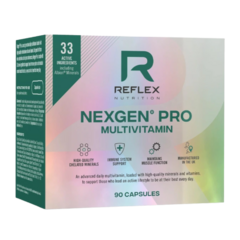
Reflex Nexgen Pro

Creatine
If you're looking for a natural and effective way to boost your physical performance and speed up recovery after a tough workout, look no further than creatine monohydrate. This proven supplement is a cornerstone for many fitness enthusiasts and offers a range of benefits for athletes of all levels.
Glutamine
When we talk about key ingredients for fitness success, it's hard to ignore the role and importance of substances like l-glutamine. This indispensable amino acid plays a key role in supporting your goals and maintaining optimal health.
Recommended
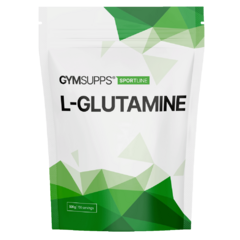
GymSupps L-Glutamine
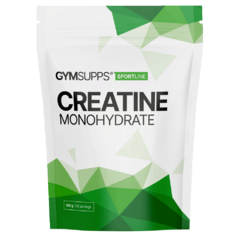
GymSupps Creatine Monohydrate
Physical activity and its importance in diet formulation
Regular physical activity is key to achieving and maintaining your fitness goals. It helps to increase energy expenditure, improve metabolism and promote mental well-being. The combination of a properly designed diet and regular exercise is the best way to achieve a healthy and sustainable lifestyle.
Conclusion
Putting together an effective diet is essential to achieving your fitness goals. It is not only important to get your calorie intake and food choices right, but also to engage in regular physical activity and, where appropriate, the correct use of supplements. With these tips and links to other resources, you will be well informed on how to achieve your goals in a healthy and sustainable way.
No posts have been made yet.








