





Reverse diet: increase your calorie intake and rev up your metabolism!
 Author:
 If you decide to lose weight, you will probably choose the path of creating some calorie deficit by reducing your calorie intake. However, this may not always be the right way to go. Are you now shaking your head in puzzlement because, after all, fat loss is contingent on a caloric deficit? It really doesn't always apply! In fact, many people go through the calorie reduction process over and over again. Often the restriction of intake is then drastic, i.e. far below the basal metabolism, the body really suffers and what's worse - the desired effect on weight loss is nowhere to be found, perhaps rather the opposite.
If you are not losing weight even before the constant calorie reduction, then you are doing something wrong. If you cut calories too drastically, the body triggers a kind of "defense mode" and starts to build up fat stores even from the little you take in, even though the calorie count is well below the basal metabolic rate. Why? Simply explained - the body builds up an energy reserve in case you decide to cut calories even further. This is especially the case if this strict calorie restriction has been going on for a long time.
And to remedy such situations, it is ideal to use just reverse dieting, thanks to which you can increase your metabolic rate, increase calories and what's more! If you choose the right strategy, all this will take place without storing excess fat or maybe even with a slight reduction of adipose tissue. Eat a lot, move less, have a healthy body, plenty of energy, and yet not get fat or even lose weight? Sounds like a dream, don't you think? Yes, the reverse diet is indeed different than other diets.
Article content:
- What exactly is a reverse diet
- Metabolic adaptation in relation to dieting
- So how to reverse diet?
- How do you know if a reverse diet is working?
- The pros and cons of reverse dieting
- Reverse dieting and gaining weight
- What to do when you reach your target intake?
What is reverse dieting
Reverse dieting. Its name alone is a perfect explanation of what the term means. Reverse, or reverse dieting. But what do you mean by that? For most diets, the typical approach is to cut calories and add training load with a dose of cardio. For a reverse diet, everything is the opposite - you gradually add calories, increase your intake, and limit your training intensity.
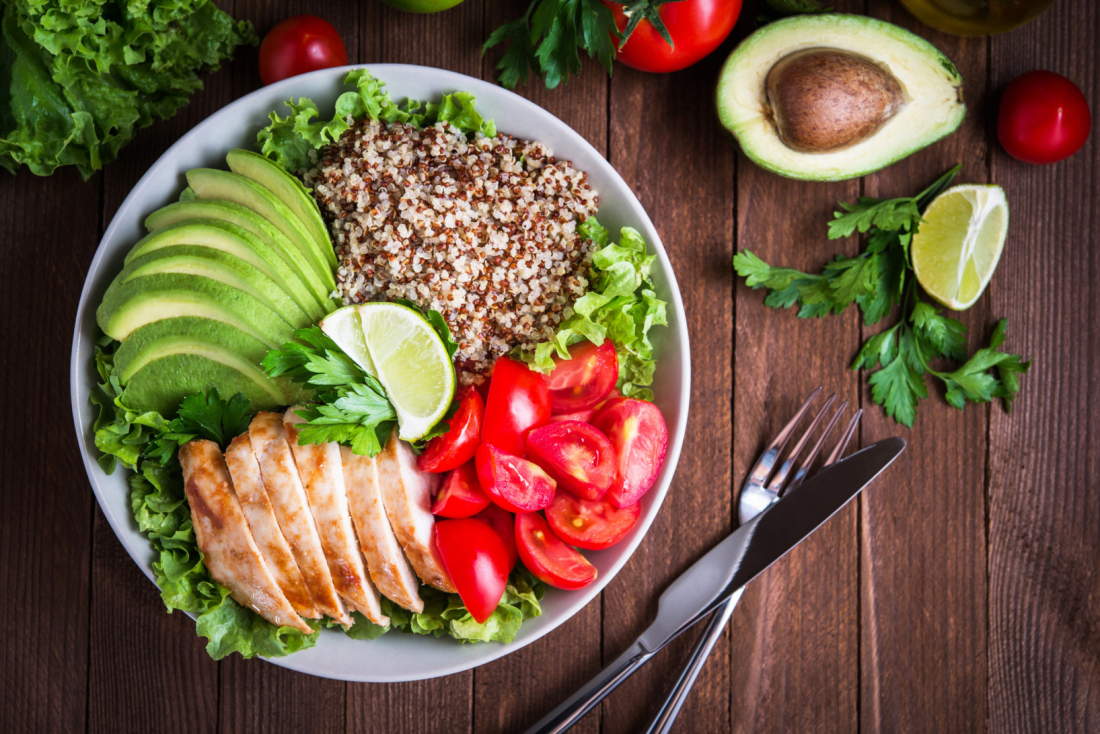
However, it's not as simple as it looks. It's not enough to just eat more and exercise less. If you want to get the most out of this method in terms of metabolic rate and without gaining excess fat, you need to be careful, choose the right strategy and, above all, be patient. This means that you have to do all the steps slowly enough so that your body has time to absorb the steps and adapt to them without increasing the fat percentage. So, then, reverse dieting doesn't mean radically increasing your calorie intake and treadmill over the course of two days and avoiding the arc - although, that's an option, too. Very radical, but so be it. All processes have to be perfectly timed and thought out, but we'll explain the exact process later. For now, let's clarify a few basic concepts.
Metabolic adaptation in relation to diet
Adaptation means adjustment, and it will have no different meaning in this case. If you drastically cut calories, your body senses this in many ways and tries to respond appropriately. The body adapts to the lower intake by, for example, reducing the activity of certain organs or limiting some of its functions.
The organs start to use less energy because you supply them with less. The heart beats more slowly because the activity of the sympathetic nervous system* decreases. Hormones that affect appetite such as testosterone, thyroid hormone, leptin and ghrelin are also adversely stimulated. The body is in a slump and burns less energy during normal activities such as walking, cleaning and other household chores . Also, the energy needed to digest and process food is logically lower. So let's sum it up - due to calorie restriction, the metabolic rate decreases and we burn fewer calories not only at rest but also during sports.
The *sympathetic nervous system is part of the autonomic nervous system and is involved in the control of internal organs and blood vessels.
Unfortunately, metabolic adaptation is not a one-way process, so if you slow down matabolism, either on purpose or through a poorly chosen approach, you can increase it again! And the way to achieve the increase is just reverse dieting. However, don't picture yourself eating huge portions of junk food, your metabolism will kick in almost on its own and you will burn all the extra calories. It works like that to some extent, but you need to increase your intake gradually to give your body and metabolism enough time to adjust to the higher intake.
So how to reverse diet?
First and foremost, remember one thing - FOOD IS FUEL, not something to FEAR. The number of calories you are supposed to take in per day depends not only on your physical proportions, but also on your genetics, and most importantly, your daily activity. Each of us has very specific needs in terms of calorie intake and distribution from a macros perspective. People with sedentary jobs need a different intake than those whose jobs are physically demanding. An athlete needs a different intake than a person with less activity.

So if you've been dieting for a while and you've either reached your goal, or you've gotten your intake too low, or you're simply lacking energy, it's probably time to reverse diet. Let's go over the basic steps on how to go about increasing your calories. You don't have to change your training style too much, maybe slightly reduce cardio activity if you're doing any and also maybe reduce the intensity of your exercise. During a reverse diet, however, the key element is adding calories.
1. Calculate your current calories and set an intake that you want to "eat your way up" to
In order to avoid increasing calories too dramatically, which could negatively affect your fat stores, you need to first calculate your current calorie intake . So keep track of everything you eat for a few days and write it down to get an overview. One day is not enough, as few people eat the same thing over and over again, so calories can vary slightly from day to day.
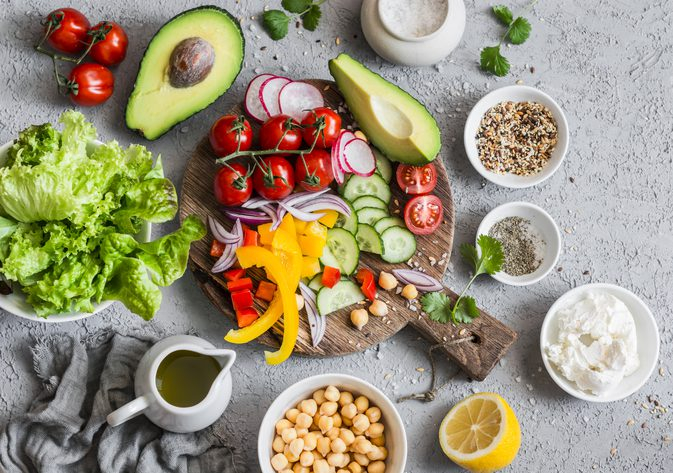
To help you understand, let's create an imaginary example. Let's have an imaginary lady who, after a week of writing down her diet, imagines that she consumes an average of 1500Kcal per day. Our figurehead would need to eat her way up to, say, 1800Kcal. Then break this caloric intake down into macronutrients. Let's assume the following for our figure skater: 150g protein, 180g carbs, 53g fat.
2. Decide how fast you will increase your intake.
The rule of adding calories is simple - gradually increase your intake. You can use two strategies. If you are tired, have a health problem caused by low intake, or some other compelling reason, you can start right away by increasing your intake more significantly. With this quick option, you are more likely to put on some extra fat. However, some reasons call for this step. Although you will be gaining some fat as well, you will feel much better due to the higher carbohydrate and fat intake. You'll havemore energy and more strength during your workouts. If you're worried about gaining fat, take a gradual strategy and increase your intake gradually. The rate at which you increase your intake will largely affect how your body handles the larger amount of calories.
If you choose the slower option, increase your carb and fat intake by 2-5% per week depending on how you feel and how comfortable you are with the weight gain. If you choose a more aggressive option, increase your carbohydrate and fat intake by a steady 10-25%.
How do you know if a reverse diet is working?
To know if the changes you've made to your diet are working, you need to learn to feel your body and understand its signals. Choose one to three days a week to evaluate your progress so far and adjust your next course of action based on that. On these days, weigh and measure yourself to see how your body is responding to your intake. Weigh yourself in the morning on an empty stomach. Why so often? Weighing yourself more frequently during the reverse diet will help you track your body's response and you can decide how to proceed.
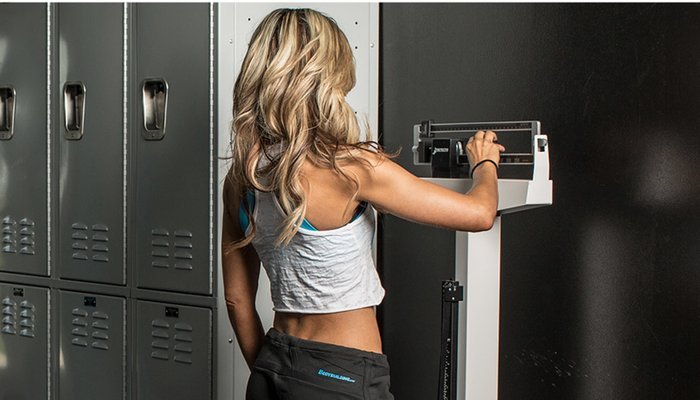
During a reverse diet, it is not uncommon to start losing weight after increasing your intake. How is this possible? Your body may be in such a deficit that adding calories kicks your metabolism into overdrive and you continue to lose.weight. Reverse dieting also does not necessarily mean any weight shift, but may just help you sculpt your body differently. And that's the key - Just because you go on a reverse diet doesn't necessarily mean you'll lose or gain weight. Reactions and body change are highly individual.
No one knows how much and how fast you will gain weight because it is impossible to tell how your body will react. Keep an eye on your progress and if the changes are too rapid, try slowing down a little or reducing your intake slightly and then increasing it again. If you don't see any changes, increase your intake a little more.
Pros and cons of reverse dieting
The main benefit of reverse dieting is that you will increase your calorie intake and your metabolic rate. This means you will have more energy, your workouts will take on a new dimension in terms of strength, you will be more active in activities outside of sport, you will feel better and last but not least you will enjoy proper portions of food without strict restrictions. Sounds good, doesn't it?
Increasing calories through reverse dieting also helps to expand your eating options and allows you to take in more food. You already know that excessively low intake is not the key to successful reduction. If you really want to get the most out of the reverse diet, don't be afraid to add on food and experiment with what's really right for your body. Plus, you shouldn 't go hungry during the reverse diet like you do on some classic weight loss diets. The variety of foods will make this "diet" much easier for you to sustain.

Does the reverse diet have any weaknesses? It has, like everything in the world. The big not-so-positive fact is that during a reverse diet you need to weigh and count calories, at least to get a reasonable idea of whether you are eating too little or too much. The other such factor that few people take as a positive these days is that reverse dieting and increasing calories is (mostly) a LONG TERM PROCESS.
Reverse dieting and gaining
When you reverse diet , you are counting on gaining something. How much, how fast, and whether it will be mostly fat depends on the rate of calorie increase and what sources the calories come from. Last but not least, the amount of time your body is in deficit is also taken into account . The longer you stress it with a deficit, the longer the process of metabolic adaptation will take. If your body has been deprived for a long time, it will probably take some time before it realizes that there is no longer any reason to build up fat stores for a rainy day. If you are concerned about fat gain, it is important to increase your intake slowly.
It can also be slightly confusing if you reduce your intake but don't lose weight and someone suddenly tells you to start eating more. It's just that sometimes you really need to take a step back in order to move forward. If what you were doing wasn't getting results, you were probably doing it wrong. Try increasing your intake with a reverse diet and find an intake at which you are able to function and reduce.
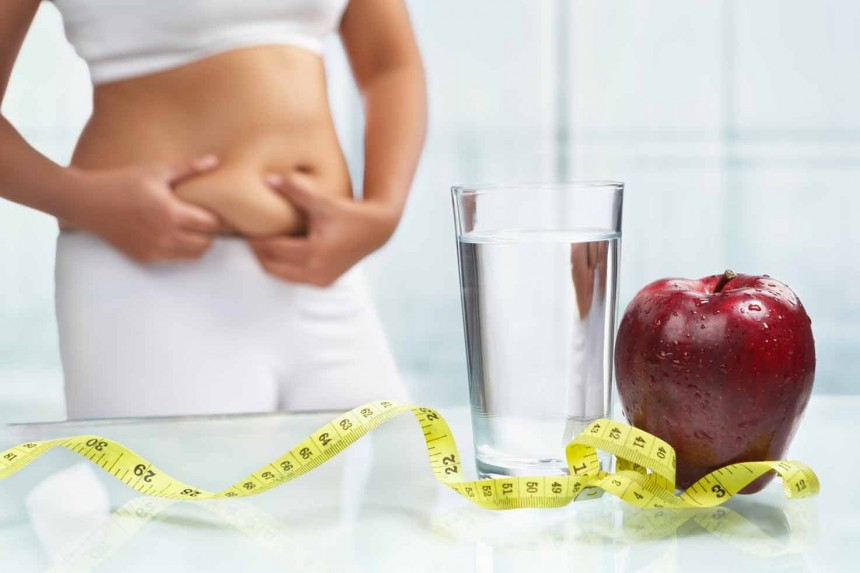
Reverse dieting is not the same as some sort of bulking period, or a period ala "I'll eat what I can get". During a reverse diet , you continue to consume healthy food, but in larger quantities. You can, of course, indulge in some vices, but definitely don't think of reverse dieting as a daily fast food diet.
So who is the reverse diet actually suitable for? It is very often used by fitness athletes when they gradually increase their intake after a long diet. But of course it can also be used by others, especially those who need to increase their intake because they have been in a calorie deficit for a long time and at the same time do not want to gain fat drastically.
What to do when you reach your target intake?
How long to stick to the reverse diet? It is impossible to say. Sooner or later you will reach the intake you set at the beginning. Once you are satisfied with the amount you are eating, stop adding. You may be comfortable with the higher intake and want to stay on it. All right. Maybe the reverse diet was just a starter and you want to reduce - fine! Whatever you decide, your metabolism should be in the best starting position for all options.
What to say in conclusion?
Reverse dieting is primarily designed to nourish the body after a long or overly strict reduction, fixing the metabolism and setting the body up to function as it should. The reverse diet can be used by anyone, not just athletes after competition. You can also use the reverse diet as a "rest period" during your weight loss, to give your body a break from the pressure you are putting on it with the calorie deficit. Reverse dieting is a great tool for perpetual dieters and athletes alike.
Recommended
Amix ThermoCore 2.0
Amix Isoprime CFM
SOURCES:
https://www.ncbi.nlm.nih.gov/pmc/articles/PMC3673773/
https://www.ncbi.nlm.nih.gov/pubmed/12468415
https://www.ncbi.nlm.nih.gov/pubmed/16353352
https://www.ncbi.nlm.nih.gov/pubmed/247289
https://www.ncbi.nlm.nih.gov/pmc/articles/PMC3943438/
No posts have been made yet.








