





How to get fit in 4 weeks: part 1 - Diet guide
 Author:
 The new year has arrived and with it a host of new resolutions to improve our lives. One of these changes concerns the transformation of our body shape. Many people who are dissatisfied with their physique vow to get in shape for the New Year and do away with their old selves. That's why we decided to put together an article for those of you who want to improve your physical fitness to help you do just that!
This article will not only provide you with practical advice and tips on appropriate diet, but also help you understand how diet affects your overall performance and physical fitness. Get ready to make a change in your lifestyle and discover the importance of the right diet in achieving your fitness goals.
We'll show you two example diets to give you an idea of what such a healthy diet might look like. However, we would like to start by pointing out that your goals should be realistic and not like something out of a fantasy movie. If you've been neglecting your diet for most of your life, you can't expect to look like Arnold in the Terminator movie in a month. This article will take you through the basics of dieting so that you are more in the know, but you need to educate yourself further and address the issue more.
Article Content:
- What is a healthy diet
- What are the essential nutrients of a healthy diet
- What are the principles of healthy eating
- Example male/female diets
- Dietary supplements
- Conclusion
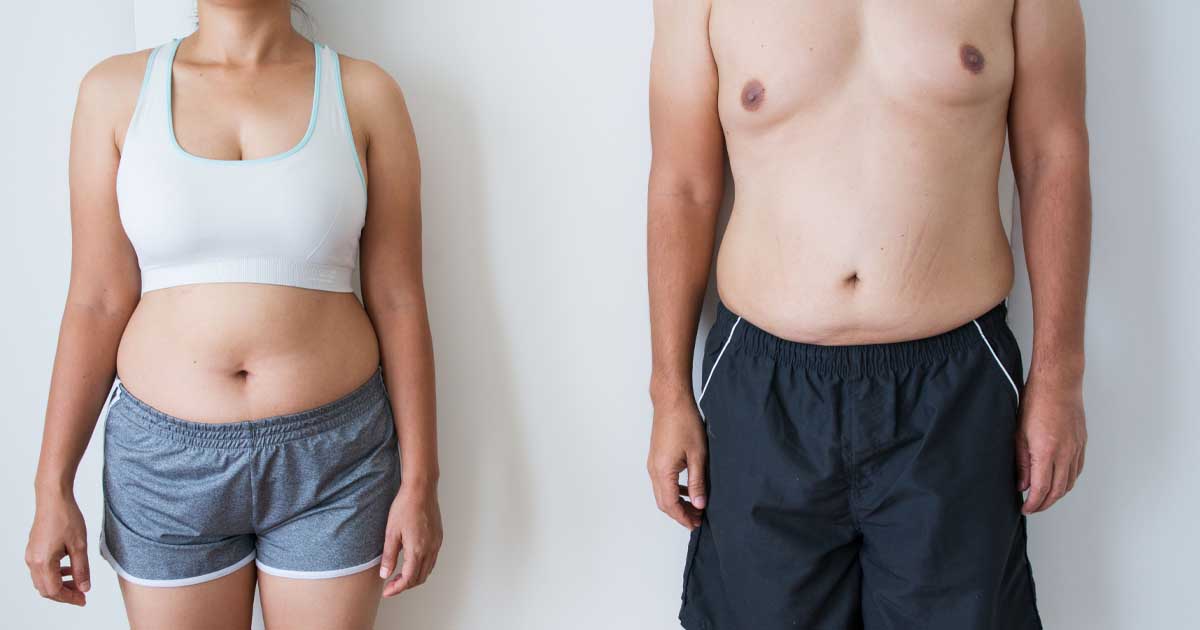
What is a healthy diet
A healthy diet is a key element to maintaining overall health and well-being. Although each individual may have different needs and preferences, there are some general principles that apply to most people and form the cornerstones of a balanced diet. If we want to look at what individual specifics a healthy diet should include, we need to move on in our article.
What are the essential nutrients of a healthy diet
A healthy diet is key to maintaining good health and overall well-being. For starters, it can be helpful to familiarize yourself with the essential nutrients the body needs to function properly. Here is a simple description for those who want to begin to understand what we eat and why it is important.
Protein
Protein is crucial for our bodies to grow and repair tissue. We can think of protein as the building blocks our bodies need to function properly. These important substances are found in a variety of foods such as meat, fish, eggs, dairy products, legumes and nuts. It is important to include a variety of protein sources in our meals to ensure that our bodies get all the building blocks they need.
Carbohydrates
Carbohydrates are the main source of energy for our bodies. They include simple sugars (such as in fruits) and complex carbohydrates (such as whole grains, rice,...). A proper intake of carbohydrates helps maintain energy and supports proper brain function.
Fats
Not all fats are bad, as many people think. Some fats are essential for the body. Fats are important for the absorption of certain vitamins (A, D, E, K) and also for the production of hormones. Look for healthy fats such as those found in avocados, olive oil and nuts.
Fiber
Fiber is an important component of the diet that provides many health benefits. It is found in fibrous foods such as whole grain cereals, fruits, vegetables, legumes and nuts. Fiber helps maintain healthy digestive system function. It prevents constipation by increasing stool volume and speeding the passage of food through the intestines.
Vitamins
Vitamins are substances that the body needs for proper functioning. There are several main groups of vitamins such as vitamins A, B, C, D, E and K. Each has a specific role in maintaining health.
Minerals
Minerals are essential for building bones, muscles and maintaining fluid balance in the body. Calcium is important for healthy bones, iron helps transport oxygen to cellular structures. You can get many of the minerals you need through fruits, vegetables and dairy products.
For starters, the key is to be aware that each nutrient has its own unique role and intake of all is important for overall health and therefore achieving our goals.
What are the principles of healthy eating
Healthy eating plays a key role in maintaining optimal health, preventing many chronic diseases, and once we adopt good eating habits, we can strengthen our bodies, promote mental well-being, improve our overall quality of life, and shed excess pounds!
Here are the key principles of healthy eating that should be part of your daily lifestyle.
-
Variety and balance: one of the keys to healthy eating lies in the variety of foods. Your diet should include fruits, vegetables, whole grains, dairy products, protein from meat, fish, eggs, legumes and nuts. This ensures that our bodies get a wide variety of nutrients necessary for optimal functioning.
-
Limit Saturated Fats and Trans Fatty Acids: Saturated fats and trans fatty acids, which are found in fast food and processed foods, should be limited. These fats can raise blood cholesterol levels and increase the risk of cardiovascular disease.
-
Fiber for a healthy digestive system: Adequate fiber intake from foods such as fruits, vegetables, whole grains and legumes promotes a healthy digestive system. Fiber helps regulate blood sugar levels and maintains satiety.

-
Limit added refined sugar: Excess intake of added sugar can contribute to obesity and other health problems. Choose naturally sweet foods and limit consumption of sweetened beverages and sweets.
-
Limit salt: High salt intake can lead to high blood pressure and cardiovascular disease. Reducing salt consumption promotes healthy blood pressure. Draw flavor from herbs and spices instead of salt.
-
Adequate water intake: Regular water intake is key to staying hydrated. Water helps remove toxins from the body, keeps skin healthy and supports optimal organ function.
-
Limit alcohol consumption: Alcohol should be consumed in moderation. Excess consumption can negatively affect the liver and increase the risk of a number of health complications. Keep in mind the recommended limits of consumption
Example male/female diet menus
We have created two example men's and women's diets below so you can get an idea of what such a healthy diet looks like and what foods it contains. However, the diet is really an example (sample) and therefore we do not recommend that you follow the diet strictly! Each person has individual needs that need to be respected and each person's diet will be different. For those of you who would like to create your own diet we refer you to our series of articles on How to create a diet and set your calorie intake. In seven parts, we've broken down for you in detail how to create such a diet.
However, if we can give you advice from the heart, pay for a good nutritionist who can tailor a diet for you. For example, if you turn to Robert Humpál from the Supertrener.cz project, you won't go wrong. Thousands of clients have passed through Robert's hands, who thanks to his work have managed to change their figure beyond recognition. You do not have to solve anything, do not speculate, you will only strictly adhere to your precisely tailored diet.
Male - 45 years old / 100kg / 180cm
This example diet for a man 45 years old / 100kg / 180cm we have made according to well-known formulas, which are very easily available on the internet and therefore it is no problem for you to calculate your daily macronutrient intake yourself. However, a lot of quality trainers, except Robert, would not agree with this calculation, as they make these calculations themselves according to their own formulas and thus set their diets completely differently. But we'll take a look at our example diet anyway, so you can get inspired yourself.
- Protein: 185g
- Carbohydrates: 216g
- Fat: 71g
- Calories: 2212 Kcal
Breakfast (7:00am):
- Omelette of 4 whole eggs with ham, peppers and cheese (B: 32g, S: 2g, T: 20g, Kcal: 380).
- Wholemeal toast (B: 4g, S: 15g, T: 2g, Kcal: 80).
- Fruit (e.g. banana) (B: 1g, S: 27g, T: 0g, Kcal: 105).
Morning snack (10:00):
- Low-fat Greek yoghurt with honey and nuts (B: 20g, S: 20g, T: 15g, Kcal: 300).
Lunch (13:00):
- Grilled chicken breast with lemon pepper (B: 40g, S: 0g, T: 7g, Kcal: 215).
- Brown rice (B: 5g, S: 45g, T: 1.5g, Kcal: 215).
- Mixed vegetables (broccoli, carrots, peppers) (B: 5g, S: 15g, T: 0.5g, Kcal: 80).
Afternoon snack (16:00):
- Wholemeal bread with avocado (B: 10g, S: 20g, T: 15g, Kcal: 250).
- Fruit (e.g. apple) (B: 1g, S: 27g, T: 0g, Kcal: 105).
Dinner (19:00):
- Grilled salmon with herbed lemon dressing (B: 40g, S: 0g, T: 10g, Kcal: 270).
- Quinoa (B: 8g, S: 39g, T: 4g, Kcal: 222).
- Steam mixed vegetables (e.g. spinach, beans) (B: 5g, S: 15g, T: 1g, Kcal: 80).
Bedtime (21:00):
- Cottage cheese with blueberries and a spoonful of honey (B: 25g, S: 25g, T: 3g, Kcal: 280).

Female - 45 years old / 80 kg / 170cm
- Protein: 137g
- Carbohydrates: 189g
- Fat: 59g
- Calories: 1847 Kcal
Breakfast (7:00am):
- Oatmeal: 50g (B: 10g, S: 30g, T: 5g, Kcal: 250)
- Milk: 200ml (B: 6g, S: 8g, T: 6g, Kcal: 120)
- Banana: 1 pc (B: 1g, S: 27g, T: 0g, Kcal: 105)
- Nuts (e.g. walnuts): 30g (B: 5g, S: 5g, T: 18g, Kcal: 240)
Morning snack (10:00):
- Cottage cheese: 150g (B: 25g, S: 6g, T: 3g, Kcal: 150)
- Blueberries: 100g (B: 1g, S: 15g, T: 0g, Kcal: 60)
- Honey: 1 tbsp (B: 0g, S: 17g, T: 0g, Kcal: 64)
Lunch (13:00):
- Chicken breast: 150g (B: 35g, S: 0g, T: 3g, Kcal: 183)
- Sweet potatoes (baked): 200g (B: 2g, S: 46g, T: 0g, Kcal: 180)
- Broccoli: 100g (B: 3g, S: 6g, T: 0g, Kcal: 30)
- Olive oil (for preparation): 1 tablespoon (B: 0g, S: 0g, T: 14g, Kcal: 120)
Snack (16:00):
- Greek yogurt: 150g (B: 15g, S: 10g, T: 10g, Kcal: 200)
- Nuts (e.g. almonds): 30g (B: 5g, S: 5g, T: 18g, Kcal: 240)
- Honey: 1 tbsp (B: 0g, S: 17g, T: 0g, Kcal: 64)
Dinner (7pm):
- Salmon: 150g (B: 25g, S: 0g, T: 10g, Kcal: 210)
- Quinoa (cooked): 150g (B: 6g, S: 30g, T: 3g, Kcal: 170)
- Mixed vegetables (peppers, zucchini, tomatoes): 200g (B: 4g, S: 12g, T: 0g, Kcal: 80)

Nutritional supplements to the diet
We have said several times in our training videos that if you really want to lose weight there is no magic pill that will solve the problem for you, only a proper diet, calorie deficit and training will solve it. Nutritional supplements for weight loss can help you with weight loss, but they definitely won't save you. The main key to success is found in your diet/workout.
Even so, there are nutritional supplements that have their place in the diet and these include whey protein, which allows us to replenish protein in a timely manner when, for example, we have failed to prepare meals on time or want a quick and easily digestible source of protein.
However, if you don't know how to set up your diet, read our article "How to set up your diet and adjust your calorie intake - Part 1" for all the information you need. And for those of you who would like to pay for an experienced trainer who will also advise you, contact Robert from the Supertrener.cz project, who will definitely help you! His experience and references from thousands of clients speak for him...
Conclusion
A proper diet is the cornerstone of any successful fitness plan, so we've looked at the optimal distribution of protein, carbs and fats to ensure your body gets the nutrients it needs.
We've also looked at the diverse range of foods that should make up your diet and presented two sample menus for inspiration. We haven't forgotten the importance of hydration either. In the next part of the guide, we'll focus on another key aspect, and that's training and creating a training plan!

Recommended
Prom-in Lean Solution
Czech Virus Synephrine MAX
No posts have been made yet.








