





Is the ketogenic diet the best way to reduce fat?
 Author:
 The ketogenic diet has really boomed in recent years. Why? That's basically a very simple question. Many people see it as an incredibly effective way to lose weight. However, it certainly cannot be described as the best way in this regard.
Whether or not you reduce body fat is determined by creating CALORIC DEFICIT, not whether you eat keto, paleo, low fat, low carb, or follow any other diet. The truth is that these diets restrict carbohydrate intake, which may or may not be an advantage. That being said, ketogenic diets are very popular, so we're going to take a little closer look at them today.
Article Content:
- What exactly is the Keto Diet?
- Benefits of ketogenic diets
- Disadvantages of ketogenic diets
- Keto powder?
What Exactly Is The Keto Diet?
Ketogenic diets are diets that are high in fat, medium in protein, and low in carbohydrates. The exact macronutrient breakdown varies from individual to individual, but the general profile can range roughly in the following ranges: 70-75% fat, 15-20% protein, and only 5-10% carbs. So it looks like if you opt for this type of diet, all you have to do is watch your carb consumption.
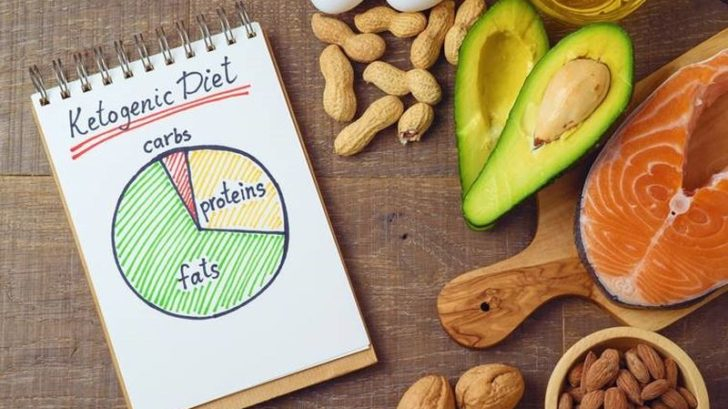
So this type of eating is special because during this type of eating, fat intake is increased at the expense of carbohydrates. However, even this type of eating has its pitfalls! We should also be cautious when it comes to protein consumption. In fact, if you consume too much protein in a ketogenic diet, you may crash hard. When it comes to energy production, the body prefers to break down fats or carbohydrates for fuel and save protein for other processes, such as the coveted muscle-building process.
The moment protein is ingested in large quantities while carbohydrates are scarce, the excess protein has the opportunity to be converted into energy, a process called gluconeogenesis. Thus, in simple terms, the body starts using protein in place of carbohydrates. Protein can also be converted to energy during periods of prolonged exercise, or during fasted exercise. In a ketogenic diet, too much protein could blunt fat adaptation reactions and thus inhibit the ketosis process.
What many people still don't understand is the fact that protein also affects insulin levels, in some cases even more significantly than carbohydrate consumption. It always depends on the amount. Some people are shocked to hear that protein affects insulin, but even protein actually contains insulinogenic amino acids or amino acids that stimulate insulin production, so these amino acids have the ability to affect insulin activity and specifically increase it.
Surely you know that insulin is a very important hormone in the body needed to maintain optimal health. It is a key hormone for many metabolic processes. For example, it ensures that the necessary cells receive glucose for energy production and plays a large role in fat metabolism. However, when insulin levels are too high, fat metabolism slows down drastically. Thus, when too much insulin is released at once - for example, after a very high carbohydrate meal, the body switches to using the excess macronutrient as the main source for energy production (glucose), reducing the signal to use stored fat for energy and going into fat storage mode.

It might seem counterproductive to eat more fat if you are trying to convert stored fat for energy production, but fat ingested from food does not induce as high an insulin secretion compared to that seen with a high carbohydrate or protein meal.Thus, when the body relies less on glucose and more on fat as a reservoir for energy production (i.e., during a ketogenic diet), insulin secretion decreases and insulin sensitivity increases-an important concept for those suffering from metabolic disorders.
This ultimately allows the body to continue to efficiently access fat stores for energy production. And here we come to the key point - the ketogenic diet has its origins in healthcare, when it was used for patients suffering from metabolic disorders and epilepsy, but only recently have people started using it as a fat reduction tool.
We've already covered roughly how the ketogenic diet works, but it's important to explain the adaptation process and the concept of ketosis.
What does it mean?
When switching to a higher fat intake, the body needs to go through a certain adaptation process. Adaptation to a higher fat intake and its use as the main source of energy occurs over a period of weeks as the body transitions from using carbohydrates as the main source for energy production.
Keto-adaptation refers to the body's ability to adapt to using ketones - small molecules derived from lipids produced in the liver (acetoacetate, beta-hydroxybutyrate and acetone) and fatty acids instead of glucose as its primary energy sources. Reactions to the switch from carbohydrate to fat are highly individual, as is the rate of adaptation. Ketosis is referred to as a state where the body switches into a mode with an increased concentration of ketones in the blood.
During the 'catch-up' period, you may feel tired, irritable and with a lack of energy. You may experience what is known as keto flu. However, this condition should subside after a period of time. However, as mentioned in the previous paragraph, we are unable to determine a generally valid period of time for which this transformation will take place.
It is very important to get your nutrient intake right - simple as it may seem, this process is really quite alchemy, and so if you don't pay attention to this very important aspect, you can bring on a bunch of undesirable effects. It is also important to ensure adequate sodium intake, which can help eliminate the initial nausea and headaches that are very common for ketosis.
Benefits of ketogenic diets
It is clear that ketogenic diets result in improved fat metabolism (when used and set up correctly!). But you are burning more fat in particular because you are consuming more of it, rather than downright just from fat stores. Moreover, fats very often have a greater satiating effect than carbohydrates, so perhaps such a caloric deficit is more acceptable.
The ketogenic diet is also a good aid in the treatment of type 2 diabetes and a great support to doctors in the treatment of severe nervous system diseases such as Alzheimer's or Parkinson's, and is also used as an adjunct in the treatment of certain cancers. The ketogenic diet was primarily designed for the treatment of patients suffering from epilepsy, especially childhood ones. There are also studies that show a positive effect of this type of diet on acne.
In connection with ketogenic diets, their positive effect on cognitive function and brain productivity is very often mentioned. It's true that the brain can indeed take energy from ketones when it doesn't have enough glucose, but there isn't much relevant evidence to say that this method is more effective, or downright better at anything. So, recent research suggests that the positive effect won't be as much of a hit as originally thought.
Disadvantages of the ketogenic diet
Like any part of nutrition, the ketogenic diet has its negatives. Among the main ones are the negatives of consuming excessive amounts of fat, especially due to overconsumption of saturated fats, sausages, and overall failure to properly set an optimal fat profile. As a result, the ketogenic diet can actually be undesirable for the health of the cardiovascular system. Ketosis can also negatively affect liver function. Specifically, kidney stone formation can occur.

Another negative is that many people underestimate their electrolyte intake. But the fact of the matter is that electrolytes are the number one reason why most people end up failing. If you don't have enough sodium, magnesium and potassium in your diet, you will experience headaches, fatigue, constipation, lethargy - in other words, all the symptoms of the so-called "keto flu", which is a very common incentive to stop dieting. During the transition into ketosis, we may also observe a strong bad breath.
Many doctors and other nutritionists also agree that ketodiets should not be kept for long periods of time, and after a certain period of time, carbohydrates should be returned to the diet. Here we run into another potential problem, which is the yo-yo effect when carbohydrate reintroduction into the diet is mishandled.
There is also the disadvantage of being severely limited in the foods you can consume. And there is also another downside to radically restricting carbohydrates that can have a particular impact on your digestive health, which is the lack of fibre in your diet, which can lead to constipation. And last but not least, it should be mentioned that it is quite difficult to build muscle on ketodiet - not impossible, but difficult, and only a modest number of individuals actually manage to do so.
Keto in a powder?
Yes, ketogenic diets are all the rage right now and because of this, they have become a big attraction as well as a marketing blockbuster, so much so that we can see instant products staring at us literally on every corner. Tempting ads promising weight loss just by drinking smoothies, that's the dream isn't it? Well, not really. After all, the only thing you'll reduce with these products is the contents of your wallet. The products often lack essential nutrients and the ingredients are generally pretty awful, so you could actually say you're buying a little music for a lot of money, and it's not doing your body any favours.

So is the ketogenic diet the holy grail of weight loss?
We have already answered this question in the opening paragraph. It doesn't matter whether you eat keto, paleo, low fat, what matters is creating a calorie deficit, i.e. consuming fewer calories than you expend. Although the ketogenic diet is considered a magical way to reduce fat, it's really nothing of the sort. It's just another way in which using CALORIC DEFICIT can achieve fat reduction.
Recommended

However, it should be noted that keto diets are not exactly a varied type of diet, so we would rather recommend sticking to a classic varied diet with all macronutrients represented. The ketogenic diet does not bring any special benefits in terms of reduction. In addition, it is advisable to stick to a ketodiet for a limited period of time, which means that you will have to find another direction to take afterwards.
What about the ketogenic diet and athletic performance?
Existing research shows that in the first weeks of adaptation to fat as the main source of energy, there is a more efficient use of body fat for energy production, and therefore a reduced reliance on muscle glycogen. Therefore, it is possible that most athletes perform better. As far as strength training is concerned, a slight increase in performance and especially an improvement in body composition has also been observed. However, there has not been enough research in this area to really consider these conclusions relevant.

Nevertheless, there are still unanswered questions as to how carbohydrate reduction may affect such aspects related to exercise metabolism and athletic performance. For example, the effect of ketogenic diets on high-intensity exercise, energy production, supplementation and recovery is still rather unclear, but research is active and ongoing in these areas, so we can certainly expect a clearer verdict in the future.
What to take away from the article?
Ketogenic diets are very popular, but there's actually nothing dizzying about them. Whether or not you decide to try it is of course up to you, but it' sjust another way of using a calorie deficit to achieve weight loss. It's certainly not the most effective way, though reactions to its introduction are very individual.
It suits one person and works, for another it may not. Keto diets have a lot of aspects to watch out for and therefore may not suit many. Experts agree that this diet should not be followed long term. Keto diets offer benefits especially for individuals with metabolic disorders, or for those suffering from neurodegenerative diseases. We will have to wait for clearer conclusions from research on performance enhancement.
Sources:
https://www.nature.com/articles/414799a
https://www.ncbi.nlm.nih.gov/pubmed/23223453
https://www.ncbi.nlm.nih.gov/pubmed/6865776
https://www.ncbi.nlm.nih.gov/pubmed/24176230
https://www.ncbi.nlm.nih.gov/pubmed/18046594
https://www.ncbi.nlm.nih.gov/books/NBK98219/
https://www.ncbi.nlm.nih.gov/pubmed/25275931
https://academic.oup.com/ajcn/article/86/2/276/4633078
https://www.ncbi.nlm.nih.gov/pubmed/6865776
https://www.ncbi.nlm.nih.gov/pubmed/14769485
https://www.ncbi.nlm.nih.gov/pmc/articles/PMC1188071/
https://www.ncbi.nlm.nih.gov/pubmed/10634967
https://www.ncbi.nlm.nih.gov/pubmed/24140022
https://www.
No posts have been made yet.








