Metabolism under scrutiny - or do you know how it really works?
 Author:
 People often use catchphrases about a ruined or slowed metabolism to explain or even excuse why they can't lose weight. Yet a bunch of them don't actually have a clue what the metabolism is, how it works, and if the things they claim to have and blame for their weight loss failures even exist. The idea of a fast metabolism for most people is their friend/buddy who can eat anything but never gain weight, for them all they have to do is look at chocolate and they're gaining weight. That's why they try all sorts of stupid things to kick their metabolism up a notch... but wouldn't it be good to look at how it actually works first? Because that's what we're going to look at today! Join us as we unravel the facts and myths about metabolism, and check out some tips on how to boost it effectively.
Theoretical window - what is metabolism?
Technically, metabolism is the set of all sorts of chemical reactions that take place every day in a living organism to keep it functioning. Metabolism is the process of converting ingested calories into energy, which we then use. A calorie, or what we take in through food, is a unit of energy, and how our body functions depends on whether we provide enough and of adequate quality for the body to use it for all the essential functions of life.

A healthy and well-functioning metabolism is crucial for optimal immune system function, helps protect against civilization and degenerative diseases, supports a healthy sex drive and fertility, but also ensures that the body has enough energy to build muscle and lose fat, and even affects brain function. In fact, the brain is one of the organs that benefits most from a good metabolic rate because its energy requirements are extremely high - it takes approximately 16 times more energy to keep the brain functioning optimally than it does to support skeletal muscle.
The word "metabolism" is therefore used to describe the number of calories your body burns, digests and uses to move, so it's actually a combination of biochemical processes that convert the food you eat into energy. Your body needs this energy in order to function properly even in normal activities such as breathing or blood circulation. The number of calories your body uses to provide these basic functions is called your basal metabolic rate. Several factors affect your metabolic rate, such as your weight, height, gender, genetic disposition, age, and activity during the day. The faster your burn rate, the more food you can eat, even compared to people who have similar physical dispositions. Yes, metabolic rate is another factor that is very individual and it cannot be said that two people, even if they are of similar physical dispositions, have the same fast burn rate.
But is everything we believe and claim about metabolism really true? It turns out that there are a lot of misconceptions floating around about metabolism, mainly because people tend to oversimplify this complex process. While it is possible to influence our metabolism through our lifestyle, fat burning tea is probably not the best solution to focus our attention on. Before we look at how to boost metabolism, let's take a look together at the most common statements around metabolism and decipher which are true and which are mere myths.
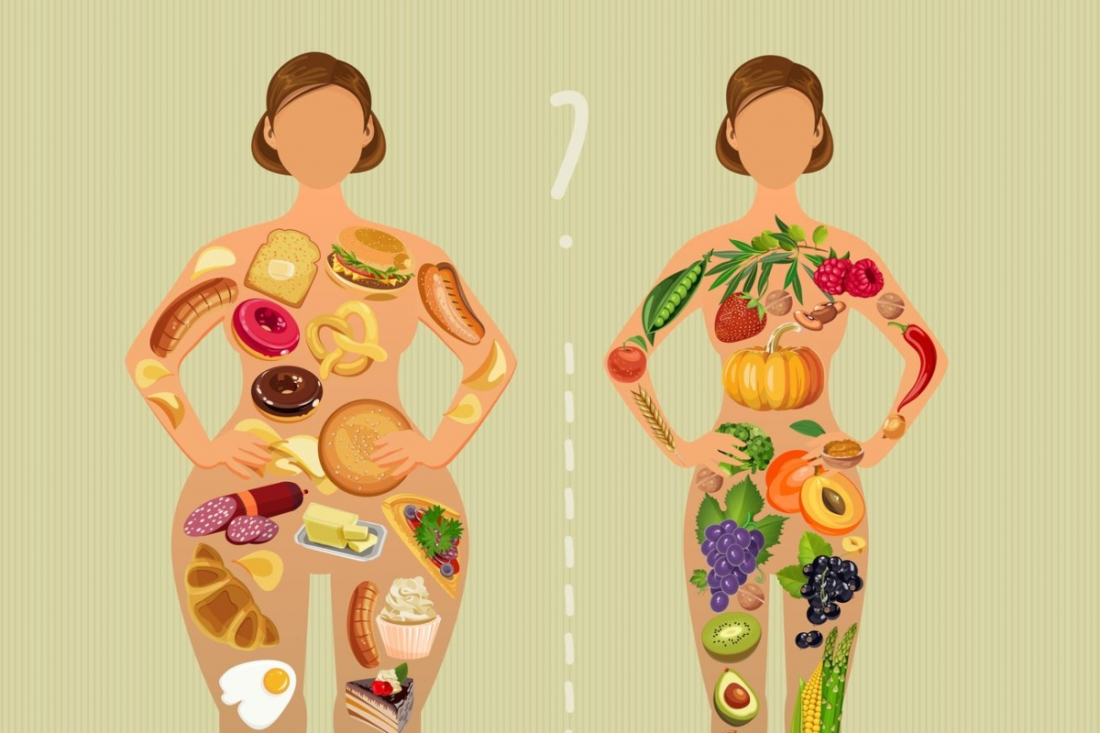
Truth or myth, or don't believe everything that is said about metabolism!
Statement #1: "To speed up your metabolism, it's better to eat many small meals a day."
You've probably heard the statement that eating smaller meals more often in a day can boost your metabolism, but it's not exactly true. Research has found that meal frequency has no significant effect on metabolic rate, and eating more frequently does not lead to weight loss any more than eating fewer, larger meals with the same total number of calories. So the truth is that it matters much more about your total intake than the number of meals in which you consume that calorie count, which you probably already know from one of our previous articles. There are even new studies that say that intermittent fasting, eating only within a certain window of time, can be a very beneficial strategy for fat reduction.

Statement 2: "Women have a slower metabolism than men."
Unfair as it may be, this statement is true and men do have the upper hand over the fairer sex in this respect. This is because women generally have less muscle mass than men, which is a significant factor in metabolic rate. At the same time, it is also true that men have more testosterone, which makes their body have a smaller percentage of adipose tissue, and conversely, more muscle, which means they burn more energy because muscle requires more energy than fat. However, very active women, athletes and top female athletes, can have a metabolism quiet as fast as the representatives of the male sex.
Statement #3: "Metabolic rate dictates how easily we lose fat."
Your metabolism is one of the components affecting your weight and body composition, but it is far from the only factor that plays a role. Genetics, eating disorders, depression, lack of sleep, sedentary lifestyle, eating the wrong foods, eating in a hurry, stress, sweet cravings, hormonal changes and metabolic adaptations are all factors that can cause us to fail to lose weight. In fact, a slow metabolism is rarely the reason for weight gain and there is no relationship between initial metabolic rate and successful weight loss.

Statement #4: "Metabolic rate declines with age."
Another inconvenient truth is that metabolic rate actually decreases with increasing age. However, this does not mean that you are doomed to a slow metabolism just because you are no longer in your twenties! As most of us age, we lose muscle mass and our metabolism slows down. However, even with moderate exercise, it is possible to maintain muscle mass, although it is slightly less energy efficient in later life compared to younger individuals. And even with the preservation of muscle mass, the resting metabolic rate decreases with age.
Statement #5: "Green tea, chili when your mouth is flaming, that's what you need for a faster metabolism."
I think it's pretty clear from that ironic headline that it probably doesn't work as perfectly as the web magazine headlines proclaim, vying to see who can come up with the better natural fat burner. There is a small truth to that statement, though: Research shows that spicy foods and green tea do indeed have a modest effect in terms of boosting metabolism, but the impact is so negligible that if you were to notice a difference, you'd have to consume large quantities of these foods, and I mean faaaaaar large. Taking green tea supplements can help amplify this effect, but the impact is still minimal. Rather than looking for calorie-burning helpers and eating chili peppers, take up physical activity and set your calorie intake right!
Do you really need to speed up your metabolism?
We've already discussed above that several factors determine the speed and state of your metabolism. Some of these factors are controllable (muscle mass and activity level, for example), while others are not (genetics and age). Fortunately, there are some proven metabolism-boosting strategies that can help the body begin to use calories more efficiently, protect the body from disease, and slow the signs of aging.
The speed of your metabolism determines how efficiently and well your body is able to burn calories, and this has a big impact on your appearance, mood and energy levels - which is why most of us try to achieve the fastest metabolism possible, and often try some real crazy things as a result. So how do you know if your metabolism isn't running as efficiently as it could be? Here are the most common indicators!
- Excessive long-term fatigue
- low body temperature, frequent feeling of cold
- thinning hair, cracked and dry skin
- low libido and poor sexual health
- irregular menstruation
- difficulty sleeping
- constipation and bloating after eating
- mood disorders such as anxiety and depression
- frequent urination
- difficulty in reducing fat
- excessive thirst and dry mouth
- difficulty concentrating or brain fog
- allergies and hypersensitivities
- low energy levels and associated low motivation for physical activity
- frequent illnesses
How can our diet affect our metabolism?
Recommended

Nebbia Bezešvá lift-up sportovní podprsenka FLOW SEAMLESS 495
Prom-in Adaptotest

Nebbia Dlouhá mikina na zip BEYOND ORDINARY 707
Czech Virus Supreme Creatine
Physiologically, we need to take in a variety of nutrients, enough protein, carbohydrates, fats, trace minerals and vitamins to produce energy, which the body uses to synthesize new tissues and proteins in the form of nucleic acids. While optimal caloric intake varies from person to person, we all need to emphasize meeting our energy needs in order to supply the body with the nutrients it needs. Failure to do so leads to missing out on key nutrients, and this takes a toll on our health.
If we torment our bodies with an unreasonable calorie deficit, it can actually slow down our metabolism. This can manifest as an inability to reduce fat or even weight gain. This happens because the body has a certain defense mechanism that sends signals when it is starved for a long time, telling the body to hold on to every possible calorie it takes in to make sure it has enough energy to provide basic life functions.
To ensure and maintain a healthy weight, it is good to work on the state of our metabolism and try to keep it as active as possible. In addition, a compelling reason to work on our metabolic rate is that it prevents us from aging prematurely and can also serve as a prevention of many diseases. When you have a slowed metabolism, the body's natural defense mechanisms and immunity levels drop, leaving us more susceptible to the lurking viruses, yeast, fungi, parasites and bacteria that surround us. This is why people who are in severe calorie restriction often struggle with infections, chills and mood disorders. This happens because the body delegates most of the energy it receives to vital functions and only releases a limited amount for other functions, so our metabolism is unable to work to its full potential.
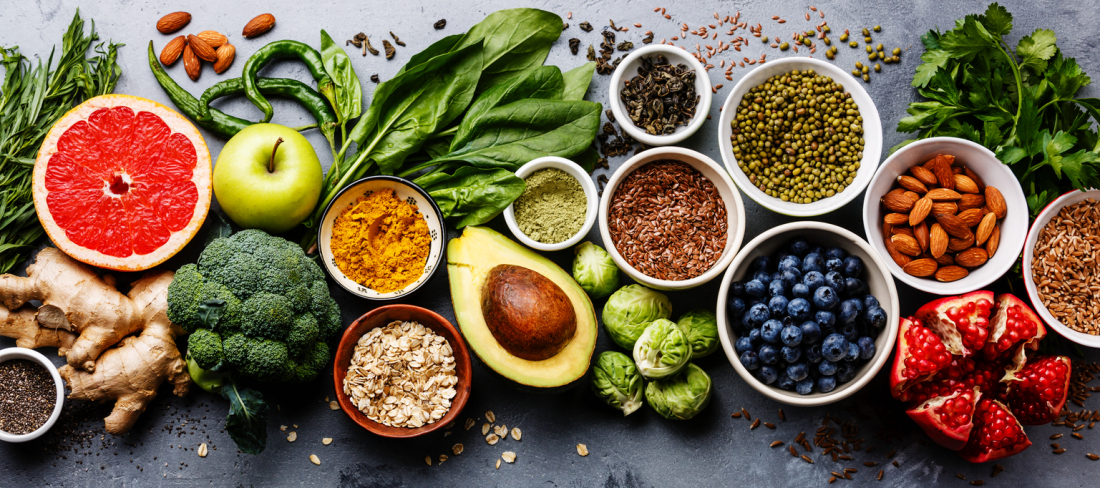
How to support the metabolism?
Let's finish with some quick tips on how to get your metabolism back on track.
Ditch the pointless diets and huge calorie restriction!
If you want to reduce fat, it is absolutely crucial to be in a calorie deficit. However, the calorie deficit must be set reasonably. In any case, forget about nutritional extremes, absolute restriction of any of the macronutrients and too low intake. Long-term diets or a significant caloric deficit can have a negative effect on the state of metabolism. Because if you are in a significant deficit for a long time, the body begins to save energy and thus the metabolic rate is reduced. It is very advisable to take at least a short break after a time of reduction and increase your intake for a while, so that your metabolism has time to "recover" and can resume the speed at which it was functioning before the deficit was set. At such a time, a deload or reverse diet seems ideal. Also make sure you have adequate fluid intake.
Be active!
If you want to boost your metabolism, you definitely must not forget to move. Active people have up to an order of magnitude faster metabolism than individuals who neglect physical activity. The best activities in this respect are HIIT and strength training, because both activities have a significant after-burn effect - which means that the body is able to burn for several hours after you finish the workout due to their intensity. Plus, I've already come across that individuals with more muscle mass have a higher basal metabolic rate - so building muscle mass is very important for affecting metabolic activity!

Don't underestimate rest
There is a proven link between a properly functioning metabolism and adequate sleep and rest - but lack of sleep can block weight loss, which you already know from our recent article. Make it a priority to get seven to nine hours of sleep each day to keep your hormone levels in check, especially leptin, ghrelin, the hormones responsible for our cravings, and the stress hormone cortisol. High cortisol levels caused by lack of sleep lead to problematic weight loss or even weight gain, and can potentially contribute to the development of insulin resistance.

Another way to maintain hormonal balance is to get enough rest between days of exercise. While movement is a medicine and a necessity for health, it too must be dosed wisely. Repeated overtraining causes fatigue, muscle loss and lower metabolic rate. Exercise affects hormonal status and intense training without rest also increases cortisol levels. This leads to impaired insulin sensitivity, slows the body's ability to recover from training and damages the processes that rebuild and create healthy muscle tissue.
Pay attention to the quality of the food you ingest.
Not only the quantity, but also the quality of food plays a role in providing optimal nutrition for our bodies and hand in hand with that, ensuring we have enough energy. Some foods slow down digestive processes and increase free radical damage, which is the cause of aging. The body recognizes processed and inflammatory foods as toxins and therefore eating them triggers an innate immune system response, which increases the production of stress hormones and slows down metabolic functioning. Sadly, even some foods that seem "healthy" at first glance can lead to weight gain, thyroid dysfunction, abnormal fatigue, hormonal imbalances and digestive problems. So what is better to avoid? Sugary drinks, juices and smoothies, sugary bakery products, refined sugar, low-quality low-fat yogurt and over-processed foods.
What to take away from the article?
Today we've looked at the most common statements about how metabolism works. It is indeed true that due to inappropriate training or too much calorie restriction, the rate of burning can be reduced. It is also true that the metabolic rate decreases with increasing age and that men simply have an advantage when it comes to burning speed. On the other hand, all sorts of products to support metabolic activity are nonsense - the best support is sufficient and appropriate caloric intake with emphasis on food quality, sufficient water, regular physical activity, optimal amount of sleep and stress reduction.
Sources:
https://www.mayoclinic.org/healthy-lifestyle/weight-loss/in-depth/metabolism/art-20046508
https://www.cambridge.org/core/journals/british-journal-of-nutrition/article/meal-frequency-and-energy-balance/478F4065A5C5BC1B6E15A8482F8DC239
https://pubmed.ncbi.nlm.nih.gov/19943985/
https://www.healthline.com/nutrition/green-tea-and-weight-loss#metabolism
https://www.ncbi.nlm.nih.gov/pmc/articles/PMC3276215/
https://pubmed.ncbi.nlm.nih.gov/21576503/
https://pubmed.ncbi.nlm.nih.gov/8386182/
https://www.ncbi.nlm.nih.gov/books/NBK53561/
https://pubmed.ncbi.nlm.nih.gov/20509821/
https://www.ncbi.nlm.nih.gov/pmc/articles/PMC4033492/
https://pubmed.ncbi.nlm.nih.gov/11500320/
No posts have been made yet.