





Need to boost your metabolism? We have simple tips for you to do just that!
 Author:
 Definitely don't expect an article for those who use the phrase "I have a slow metabolism" as an excuse for why they can't lose weight, while... But let's look at the fact that, especially for weight loss beginners, it's actually not uncommon for them to make a mistake - for example, setting their caloric intake too low, choosing the wrong training load, and so on. These mistakes could lead to the metabolism slowing down slightly, so the reduction won't go exactly as you want it to. Don't hang your head, we'll give you advice on how to get your metabolism back on track!
Surely you have someone around you who can eat absolutely anything and still look great all year/years long. These people don't usually count calories or restrict their intake in any major way. Whereas those of us who don't have this amazing genetic metabolism have to strictly control what we eat, plus exercise regularly to reduce stored fat cells. And the moment we allow ourselves a few days off from the regime, our fat cells will multiply again. Oh, how unfair, isn't it? Oh, come on. We're not going to cry about different genetics here, take that as an excuse, and work hard to get our burning going to the max! You're probably not going to be quite as well off as those with this genetic advantage, but it will definitely allow you to consume more food, and possibly even some of those vices, and even in reduction. Let's go over a few types that will help kick start your metabolism.
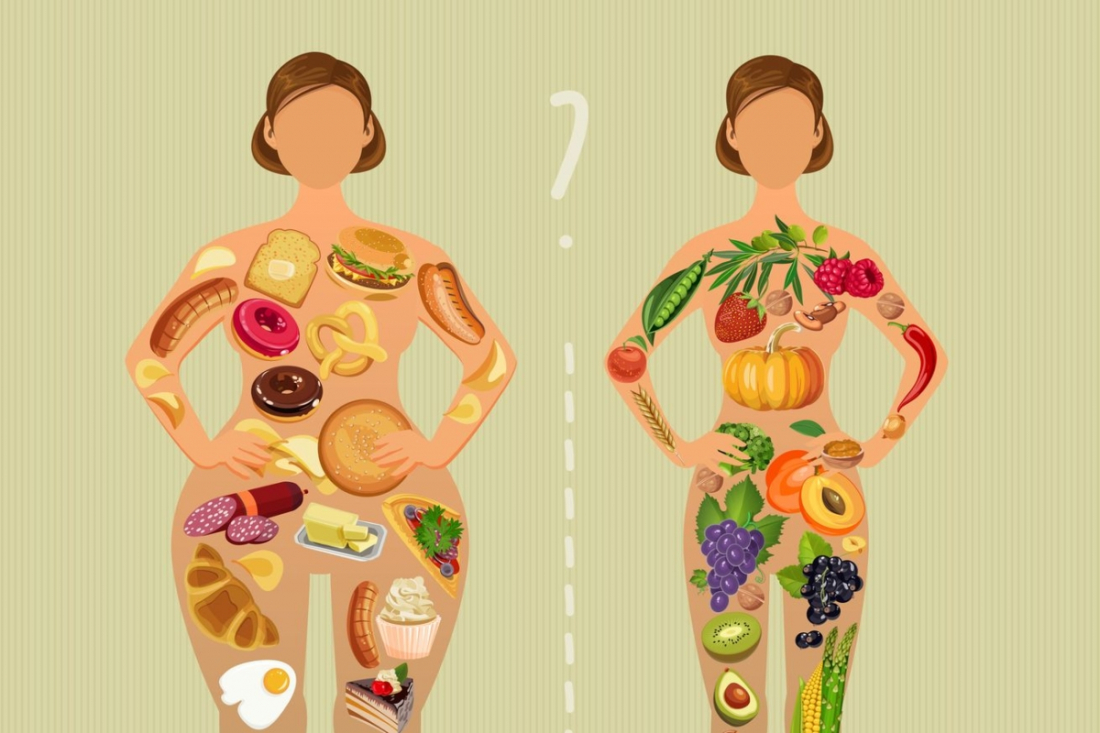
What exactly is the metabolism?
Let's start with a little theoretical window again. The resting metabolic rate (aka BMR) is basically the number of calories your body burns when you're not doing anything (i.e. if you're sitting, lying down, or maybe sleeping). These calories are burned by the body to provide all the essential functions of life such as breathing, blood circulation, and the distribution of oxygen and nutrients throughout the body. This metabolism accounts for up to 70% of all the calories you burn in a day. The faster or higher your metabolism, the more calories you burn.
And the faster your burn rate, the more food you can eat, even compared to people who have similar physical dispositions. Yes, the metabolic rate, i.e. the rate of burning, is another factor whose value is very individual and it is very difficult to say that two people, even if they are of similar physical disposition, have the same rate of burning. If your metabolism is working at full speed and you are going to reduce, good for you! Because you can eat more calories even in reduction mode, which leads to less hunger and more mental well-being.
How can you and can't you control the factors that affect your metabolic rate?
Unfortunately, the resting metabolic rate is influenced by several factors that you can't actually correct or change. These include: age, gender, body type and genetics. As age increases, the metabolic rate decreases. This means that the older you get, the less calories your body requires to maintain its weight, compared to how many calories it used to take in previous years.
Another factor that enters significantly into the metabolic rate, and you cannot control it in any way, is your height, regardless of the body's distribution of muscle and fat mass. In fact, the bigger you are, the faster your resting metabolic rate, because the body requires more calories to provide the necessary vital functions, since , for example, the distribution of nutrients and oxygen must take place over a larger area than is the case with smaller individuals. And then there's that damn genetics thing again, which affects absolutely everything, so even if you're the same age, size and weight as someone else, it doesn't necessarily mean that your combustion works the same.

Another indicator that speaks to metabolic rate is the proportion of muscle mass, and it does so by increasing it! This is good news because building muscle mass is firmly in your hands, thanks to training and a suitable diet, and is therefore a factor you can influence. Skeletal muscle is a very energy-intensive tissue, which basically means that your body expends a significant amount of energy (calories) to manage to maintain the muscle. If we were to measure the metabolic rate of two people of the same size, but with absolutely different body compositions, we would probably get two completely diametrically opposed readings. So we have found the first factor that plays a role in burning and we can regulate it ourselves through diet and training, and now we have no choice but to wonder how else we can boost metabolic activity.
Factors that will contribute to kick-starting the burn
Regular strength training
Strength training causes disruption of muscle fibers, which is essential for muscle growth and these have, as we mentioned above, the ability to increase your burn rate.A study looking at the issue of metabolic acceleration due to strength training concluded that when subjects engaged in regular training for a minimum of six months, there was an increase in resting metabolic rate of up to 7%. However, you don't have to keep training for even that long to see results! In fact, intense strength training has been shown to increase metabolic rate by as much as 11-12 percent for two hours after finishing, and by as much as 9% for up to 15 hours after the workout. Those are decent numbers, don't you think?

However, to take full advantage of the potential that exercise offers in terms of increasing metabolic rate, your training needs to be set up correctly. Make sure you're exercising all the major skeletal muscles and that you're focusing on complex multi-joint, multi-rep exercises. Don't neglect to include enough recovery so that the body and its muscles have the necessary time to recover.
Increase the intensity!
Also, the style of exercise you choose has a big impact on your metabolic rate. After completing a high-intensity workout - such as interval training (HIIT) or circuit training with weights - oxygen consumption (or EPOC) is quite significantly higher in an effort to replenish the substrates used during exercise. This increase in EPOC means higher energy expenditure, not only during the workout, but this potential can be used for up to 24-48 hours, meaning it affects metabolic rate long after the workout is over.
Ensure adequate intake of (not only) protein
Sufficient intake of not only protein is another very important factor affecting muscle growth and recovery after training. To maximize the muscle building response, it is important that you not only eat enough, but also that you eat regularly. Remember, the amount of muscle mass you have affects your metabolic rate - it increases it. So don't underestimate the eating factor, and not just around training.
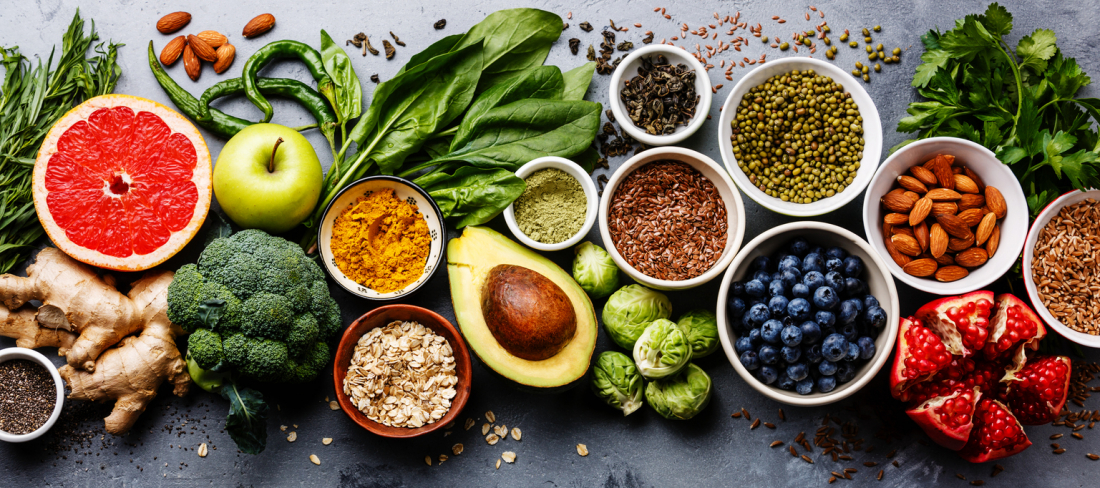
Studies show that in addition to eating enough protein at each meal, it is quite beneficial to spread your protein intake in roughly equal amounts across multiple meals, rather than consuming it in 1-2 large meals and a few small meals not very rich in protein.
Take a break from dieting!
Long-term diets can have a negative effect on the state of your metabolism. Because if you are in a significant deficit for a long time, the body starts to conserve energy and thus the metabolic rate decreases. This has also been proven by many researches. It is very advisable to take a break and increase your intake for a period of time so that your metabolism has time to "recover" and can resume the speed at which it was functioning before the deficit set in. For example, try the reverse diet we discussed here. Ideally, the longer you can spend away from a caloric deficit, i.e. in a maintenance or slight caloric surplus, the better impact it will have on your muscle mass, and ultimately the speed at which your metabolism works.
Don't underestimate your drinking regime
As we've already covered in this article, water, or rather the amount of it, affects a number of processes and of course fat burning and reduction. The moment we don't drink enough, the body starts to retain water and we feel more bloated as a result. So it's possible that what you think of as "excess fat" may actually be water, and it's a sign that you're not drinking enough. In addition, water helps to keep you feeling fuller for longer, or suppresses hunger. Some studies have reported that drinking around two litres of water can increase daily energy expenditure by up to 96 kcal - but again, this is very subjective. To maximise this effect, we should drink water cold.
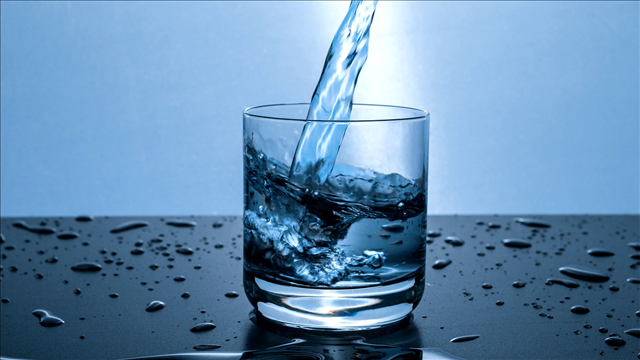
Water helps distribute oxygen and glucose throughout the body and also regulates body temperature. So it makes sense that hydration is very important for the proper functioning of the body respectively- water is an absolutely essential component for human life. If the body is to function properly (and therefore the metabolism) then drinking enough water is essential. Surely you already know that there is no universal optimal amount of water, the best indicator is the feeling of thirst, but thanks to water retention it is very easy to estimate when you are short of water.
What can you take away from this article?
Due to poorly set training or too much calorie restriction, your burn rate can be reduced. But that's no reason to make excuses! You may not be one of those people who can eat anything and never gain weight, but that doesn't mean there's nothing you can do to increase your burn rate. Learn to eat properly, in a balanced and above all sufficient way, move around, drink plenty of water, rest and get your metabolism going again.
Sources:
https://www.ncbi.nlm.nih.gov/pubmed/8282641
https://www.ncbi.nlm.nih.gov/pubmed/11283427
https://www.ncbi.nlm.nih.gov/pubmed/23176325
https://www.ncbi.nlm.nih.gov/pubmed/24773393
https://www.ncbi.nlm.nih.gov/pmc/articles/PMC4018950/
https://www.ncbi.nlm.nih.gov/pubmed/7632212
https://www.ncbi.nlm.nih.gov/pubmed/23834549
No posts have been made yet.








