





Eat rationally! What is the 80/20 diet?
 Author:
 Today's times are full of extremes. Athletic bodies stare at us from billboard ads, various flyers and social media posts. Since we are surrounded by these ideals almost all the time, many people are willing to sacrifice their health in the pursuit of a great figure. However, extreme diets in the vast majority of cases do not lead to anything, because after a few hard weeks of weight loss you will go back to your original diet. And the weight will go up with it. Fortunately, the solution can be simple - eat rationally and try to keep your diet mostly, but not entirely, healthy. In today's article, we'll discuss how to do that.
One goal, a million ways
It is extremely important to remember that weight loss is primarily determined by calorie deficit. We've written a number of different articles about this, including a long series on How to set up a diet and adjust your caloric intake? This series is definitely recommended reading for all of you who are trying to lose weight. For the purposes of today's article, all you need to know is that the amount of calories you take in from food or drink must be less than the number of calories expended from sports activity and normal functioning throughout the day.

But that says nothing about the way to get to this correlation. You can eat fast food every day and it won't be healthy at all, but if you're in a calorie deficit, you'll lose weight. Similarly, you can eat absolutely strictly 10 small portions of meat and vegetables a day and that will be healthy, but if your caloric intake is higher than your output, you won't lose an ounce.

The Rational Diet does not restrict you in your food choices. As long as your diet is predominantly healthy.
A rational diet is a universal solution
In the previous paragraph, we presented two extreme situations. And as you can probably guess, the key to a rational diet is to find a balance between these extremes. For many people, this may be the rational diet, which prides itself on not eliminating any specific food groups from the diet, but only reducing the amount of unhealthy ones. So you can safely eat white bread, sweets, crisps, chocolate and anything else you can think of. But only as long as a healthy, varied and balanced diet dominates your diet. In general, a rational diet should follow a few principles:

Healthy food must always dominate the diet
Eating rationally does not mean eating unhealthily. Try to make your diet as varied as possible, eat plenty of fruit and vegetables, rotate regularly between different side dishes and don't forget fish or less specific meats. Once you've built a stable and healthy base that ideally represents at least 80% of your diet, you can build the other 20% on whatever you want - it could be a restaurant meal, your favourite dessert, a calorie-dense flavoured coffee,... in short, anything you like. This balance is known as the 80/20 rule and has been mentioned a lot lately - among others, the leading Czech nutritionist Lukáš Roubík talks about it.

With a rational diet, you can eat even unhealthy things. But healthy food must still dominate the menu.
Food preparation should be fun
Rational nutrition has one huge advantage - it doesn't bind you in any way. Thanks to this, you don't have to be stressed and you don't have to eat something you don't feel like eating. So try to prepare your food seasonally, use a bit more home-grown fruit and vegetables in the summer, buy more good quality nuts in the winter and eat more meat. In short, build your diet in a way that you enjoy. Food should not cause stress, but should be fun and relaxing.
Choose any frequency of meals
A rational diet, like the 80/20 rule itself, gives you enormous freedom and it's up to you how you use it. Just as there are no specified foods that are allowed or forbidden, there is no specific frequency of meals recommended on this diet. So you can eat however you feel comfortable. While some people like to be full all the time and therefore prefer multiple small portions a day, others prefer to have only one or two larger meals a day due to their workload.

A rational diet allows you to eat when you have time. So you don't have to stress when you're not in a hurry.
Prefer quality food
Although no one restricts you in this type of eating, we strongly recommend that you prefer quality over quantity. You can cook your meals with local ingredients, prefer foods that are readily available, and try dishes you haven't tried before. In short, play around with your food in a way that you enjoy and make your menu as varied as possible.
Keep calorie intake in mind
We've saved the most important things for last, because it' s very easy to slip into a rational diet and lose track of your calorie intake, making the whole principle of dieting pointless. So always keep in mind that if you want to lose weight, you need to be in a calorie deficit. Even when following the 80/20 rule, we recommend using proven tools such as CalorieTables.com.
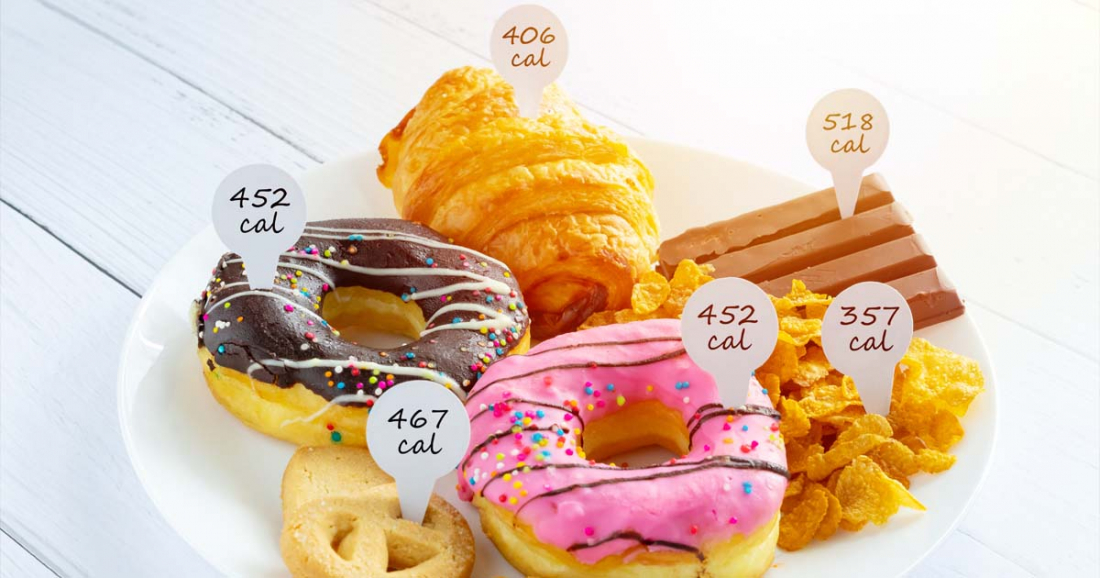
When you want to lose weight, you still need to control your caloric intake, regardless of whether your diet is dominated by healthy or unhealthy foods.
Is there anyone for whom a rational diet is not suitable?
A rational diet is a great and, more importantly, sustainable solution. If you tell yourself from one day to the next that you're going to stop eating carbs, you probably won't stick with it for very long, and even though you may lose weight, you'll gradually start to gain the weight back once you return to your original eating habits. The 80/20 rule isn't drastic and you can still change your diet, so there's a good chance you'll stick with it for a long time.
Recommended

Nebbia Košile LIFT THE GAME 375

Intense Šortky GOLD Nebbia print 828

Nebbia Intense Mini Top GOLD Mesh 830

Beta Alanine 300g 1+1
A rational diet is therefore exactly the type of diet that is suitable for almost everyone. On the other hand, it probably won't be appreciated by those of you who have to follow a different diet because of certain health complications. If you are on a gluten-free diet, for example, or if you don't consume any carbohydrates, the Rational Diet doesn't have as much justification. But otherwise, anyone can try it, and the worst that can happen is that you find that this diet doesn't suit you and you end up on another one.
What might a diet based on the Rational Diet look like?
Once again, it's worth repeating in today's article that a rational diet does not restrict you in any way and you can indulge in whatever you feel like. That is, at least until at least 80% of your diet is based on healthy foundations and you are still in a calorie deficit. But to give you a better idea, we have a sample menu showing some of the possible types.
| Type of food | Which food to choose |
| Breakfast | Overnight oats - oatmeal marinated overnight in milk (cow or plant), nut butter and a scoop of protein. It is ideal to store them in the fridge and serve with a variety of fruits. |
| Snack | Wholemeal bread with white goat's cheese and vegetables |
| Lunch | Free-range chicken with a large portion of vegetables and sweet potatoes |
| Post-workout meal | We recommend a protein first about 15 minutes after your workout, later reach for an egg omelette with vegetables and wholemeal bread, for example. |
| Dinner | Since your diet has been strict all day, assuming you still have room for more calories, you can indulge in something sweet, have a piece of grilled meat with your friends, etc. |
| Second dinner | Low-fat cottage cheese |
What to take away from today's article?
The main thing you should take away from today's article is that the Rational Diet doesn't specify what foods you should eat or even prohibit any specific foods. Just remember that according to the 80/20 rule, at least 80% of your diet should be a healthy, balanced diet with plenty of protein, carbohydrates and fat. Prepare your food with good quality local ingredients and, most importantly, in a way that you enjoy the whole process. Still, don't forget to count your calories, because without a calorie deficit you simply won't lose weight.
No posts have been made yet.








