A comprehensive guide to the different types of proteins and their uses
 Author:
 Sometimes it feels like we live in a time when, thanks to the ongoing fitness boom, protein is actually the center of the world and is nothing more than protein. Yes, it's true that protein supplements are very popular, and that's actually a good thing because people have started to see supplements as a normal part of life, have learned to respect their benefits, and have stopped looking at them as something unnatural. Protein is an essential building block that aids in muscle growth, repair and regeneration, so there is absolutely no denying its positive impact on strength, performance and body composition.
Protein and protein powders are not without their myths and half-truths. We covered the myths surrounding protein intake in a terrible article, so we'll just go through them quickly. People taking protein are often criticised for taking in too much protein and their kidneys suffer as a result. Fortunately, thanks to advances in research, we now know that active individuals need much more protein than some general recommendations for the general population, and that this higher intake (within the norm, of course) is perfectly safe.
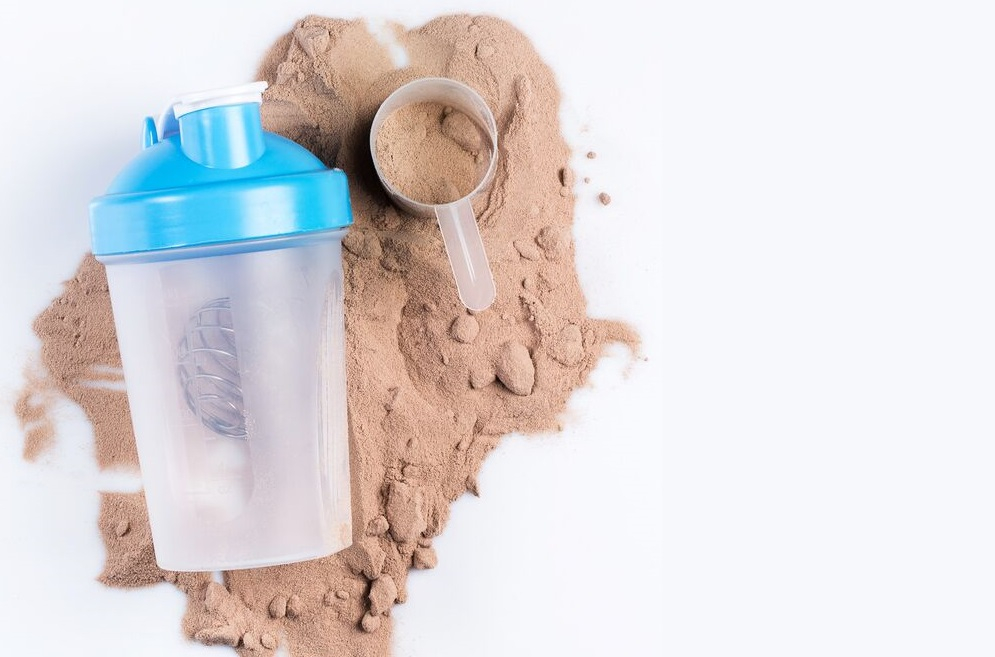
Well, yeah, but how do you know which protein is currently the best for you when there are so many available on the market? Yes, it can be really confusing, many different types, brands, flavours and each type has its own specific uses. If you're confused about protein types, read this article and finally get some clarity on protein types and their uses!
Theoretical window - protein, a key component of athletes' diets
Protein makes up about 20% of muscle mass (about 75% is water, of course, the rest is muscle glycogen and other substances) and it is protein that is responsible for the structure and function of muscles. In addition to high-protein foods, many athletes rely on protein supplements to help optimize muscle size, strength and performance. But when it comes to protein powders, not all are created equally, and not all have the same purpose. So let's take a look at the different types of protein together, starting with their classification.
The function of protein is essential for the proper functioning of the body due to its key functions such as muscle growth, regeneration and enzyme production. The main sources of protein include animal proteins (whey, casein, egg) and plant variants (soy, pea). Each type of protein has specific uses and benefits depending on your goals - whether it's to build muscle mass, support post-workout recovery or supplement protein in your regular diet.
Concentrate - A concentrate is a type of protein powder is made by extracting protein from whole food sources, resulting in a final product that contains 60-80 percent of the calories from protein and the remaining percent is made up of carbohydrates, minerals, moisture (water) and fat.
Isolate - Isolates are therefore created through a microfiltration process and is a higher quality, and even more concentrated protein compared to concentrate because it is quickly absorbed. Due to the filtration process, the non-protein parts are even more reduced and isolates therefore contain up to 90 percent protein. It is very low in carbohydrates and fats and has almost zero lactose content.
Hydrolysate - This form of protein powder undergoes a process that breaks the bond between the amino acids, creating a type of protein that is more easily absorbed by the body. The term hydrolyzed protein or hydrolysate refers to the presence of partially cleaved or predigested proteins. "Partially digested" may sound like something you probably don't want, but in fact, this type of protein can be very beneficial! In fact, it provides rapidly absorbed peptides that have a great anabolic effect and appear to be very useful after a hard workout. In addition to providing the building blocks of amino acids, peptides can have other positive effects in the body. It has a protein content of around 90% and a lactose and fat content of less than 1%.
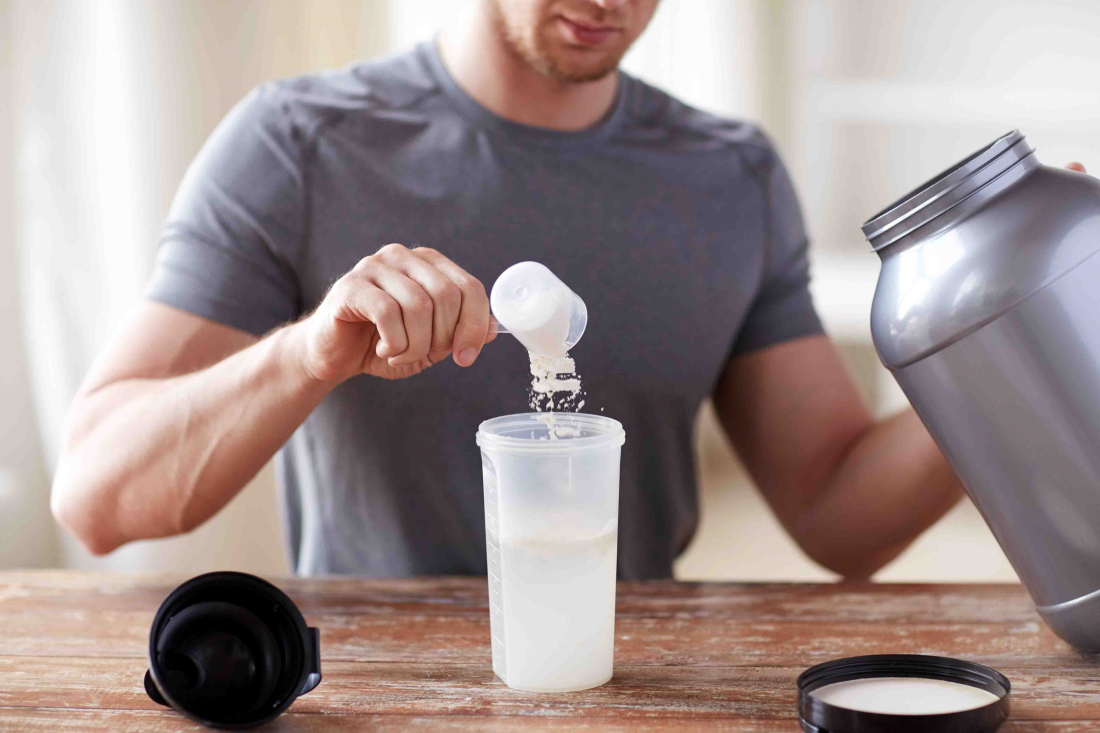
Different types of proteins
We have already come across in the introduction that there are many types of protein and that each of them has its specific use.
- Whey protein
- Casein
- Egg protein
- Pea protein
- Hemp protein
1. Whey protein
Whey protein, known as "whey protein" is the most well-known and sought after type of protein. Not to be outdone, it is by far the most popular protein supplement mainly because it has been shown to promote muscle growth and fat loss. It digests and absorbs faster than other proteins, making it an ideal choice to consume either immediately before or after a workout, and as a result, it can help speed recovery and promote muscle growth.
Whey is, strictly speaking, the liquid that separates from the curds during the cheese-making process. It can also contain lactose, a type of sugar found in milk that can be difficult for some people to digest. Whey makes up roughly 20% of all the protein in cow's milk and boasts one of the highest proportions of branched chain amino acids (BCAAs) of any type of protein. Specifically, it contains up to 11% leucine, 9% isoleucine, and valine, maintaining an optimal 2:1:1 ratio. Leucine is a highly desirable amino acid as it plays a very important role in optimizing muscle protein formation after strenuous training.
For those who want to lose weight and burn fat, whey protein can be a very useful helper. It can help increase satiety, plus whey protein is probably one of the most thermogenic proteins, meaning that the number of calories burned due to digestion per number of calories ingested is greater than other types of protein. This is probably associated with a much stronger effect on muscle protein synthesis. As we have already mentioned, we can encounter whey protein in the form of concentrate (the most common), isolate or hydrolysate. If you suffer from lactose digestion problems, choose isolate rather than concentrate, as the lactose content decreases significantly during processing.
When is it most useful?
In fact, whey protein is suitable almost always and for almost everyone. If you want to boost recovery processes after intense exercise and gain some extra muscle mass, whey protein is the right choice. Whey protein is also sometimes considered one of the best protein powders for weight loss diets, as it can help curb appetite and improve body composition.

2. Kasein
Casein is the second type of protein found in milk. However, unlike whey protein, it is digested much more slowly in the body, which helps prevent muscle breakdown. Depending on the dose you take, casein can take up to six hours for the body to process before it is fully digested and absorbed, making it a great protein for supplying your muscles with amino acids for longer. Since it's also made from milk, casein protein is also a rich source of micronutrients like calcium.

Casein has anti-catabolic properties, which means it slows down the breakdown of muscle tissue due to training and supplies amino acids to the muscles for a longer period of time. Some research suggests that casein protein may be even more effective at stimulating muscle growth and increasing strength than other types of protein, including whey protein. We can also find studies that lean towards casein being more effective in terms of fat burning and strength gains as well, even reportedly up to twice as much as whey protein supplementation.
When is it most useful?
Casein can help increase fat loss and build muscle. It's also considered by modern research to be the best choice for those looking to reduce fat, as it can also boost your metabolism, allowing you to burn more calories throughout the day, and by digesting extra for longer, it can satiate for longer, and this can contribute to weight loss. Casein is digested more slowly than whey, so it is more suitable in the evening or after a workout in combination with whey protein.
3. Egg protein
Egg protein, usually in the form of powder extracted from egg white, is a great alternative for people suffering from milk allergy. Egg protein is also a top choice when it comes to the quality and availability of protein. With a score of 100 on the Biological Value Index (BV), egg protein also contains all the essential amino acids needed for protein synthesis and is easily digested by the body.
When is it most useful?
After casein, it is the second slowest digesting protein, so it is useful for example in the evening before bed or during the day to replenish protein. It is not usually used on its own, but is part of multi-ingredient mixtures.
4. Pea protein
Pea protein, which is not as well known and used as its counterparts from protein powders, is a great choice for vegetarians and those allergic to dairy and eggs. Not only is it hypoallergenic, it's high in BCAAs and boasts a 98 percent digestibility rate - meaning your body is able to use and process most of the amino acids you take in thanks to a single serving of pea protein. This makes pea protein much better than other plant-based protein powders, which can be hard to digest and the body can't use them as efficiently.
It contains a decent amount of almost all essential amino acids and is associated with a number of health benefits due to its packed nutritional profile. A study in the Journal of the International Society of Sports Nutrition found that pea protein, when combined with strength training, was just as effective as whey protein in the process of scoring muscle mass. In addition to helping supplement daily protein intake, pea protein also has a positive effect on the heart and blood pressure.
When and for whom is it most suitable?
Pea protein will serve well those who want to promote muscle growth while curbing appetite, making it another representative perfectly suited for weight loss diets. In conjunction with a balanced diet, it promotes healthy blood pressure, and this leads to a positive effect on the heart. Pea protein is a great choice for all vegetarians and for those of you who want something other than animal protein, whether for health or any other reasons.
5. Hemp protein
Hemp is a variety of Cannabis sativa, a type of flowering plant native to Asia. Although hemp is best known in association with marijuana, hemp actually contains very little or no tetrahydrocannabinol, known as THC, the substance responsible for the psychoactive effects of marijuana. Hemp is actually very rich in protein, it is one of the most popular plant proteins and you don't have to worry about any drug high after consuming it. Hemp protein powder is an easily digestible form of protein, which means that your body is able to metabolize and utilize a substantial portion of the protein you ingest.
Unlike other protein powders, hemp protein powder excels with a hearty dose of omega-3 fatty acids, a type of healthy fat that has been linked to lower inflammation, positive effects on heart health, and better brain function. Hemp protein powder is often considered one of the best vegan protein powder options. Additionally, hemp contains very beneficial fiber, so this protein has a very positive effect on the gut biome, can help stabilize cholesterol and blood sugar levels, and can also be beneficial for weight loss.
When is it most useful?
Hemp protein powder is ideal for those who want to increase their protein intake to gain muscle mass and strength while enjoying the nutritional benefits of hemp, such as its high omega-3 meat acid or fiber content. Hemp protein is very suitable for vegans, vegetarians, but also carnivores for variety.
Choosing the most suitable product and ideal timing
Most sports nutritionists and coaches are inclined to the view that athletes and individuals who train hard (not just) in the gym need to make protein one of the key nutritional considerations, targeting sufficient intake throughout the day and on a regular basis. In general, not just for active individuals, it is advisable to keep daily protein intake in the range of 25-35% of total daily caloric intake, and they should take in protein at every meal.
Each meal should generally contain a minimum of 20-30g of protein (depending of course on other aspects such as physical characteristics like height, weight, gender, physical activity and its intensity, goals, etc.) and meals should come at regular intervals. This will help optimize muscle protein synthesis (MPS) throughout the day. In addition, there are three, or four, very important times when protein intake is absolutely crucial. And it's breakfast, the pre- and post-workout periods, and before bed.
Why breakfast? Because muscle protein breakdown (MPB) occurs to a greater extent at night and a sufficient dose of protein at breakfast can stop this process and stimulate protein synthesis. Therefore, we should always take protein for breakfast - the amount depends on our physical disposition and needs, but it is generally recommended to take at least 20-30g of protein for breakfast. Whey protein or eggs seem to be ideal. In case you are not going to train, you can also choose casein or a dairy product containing it.
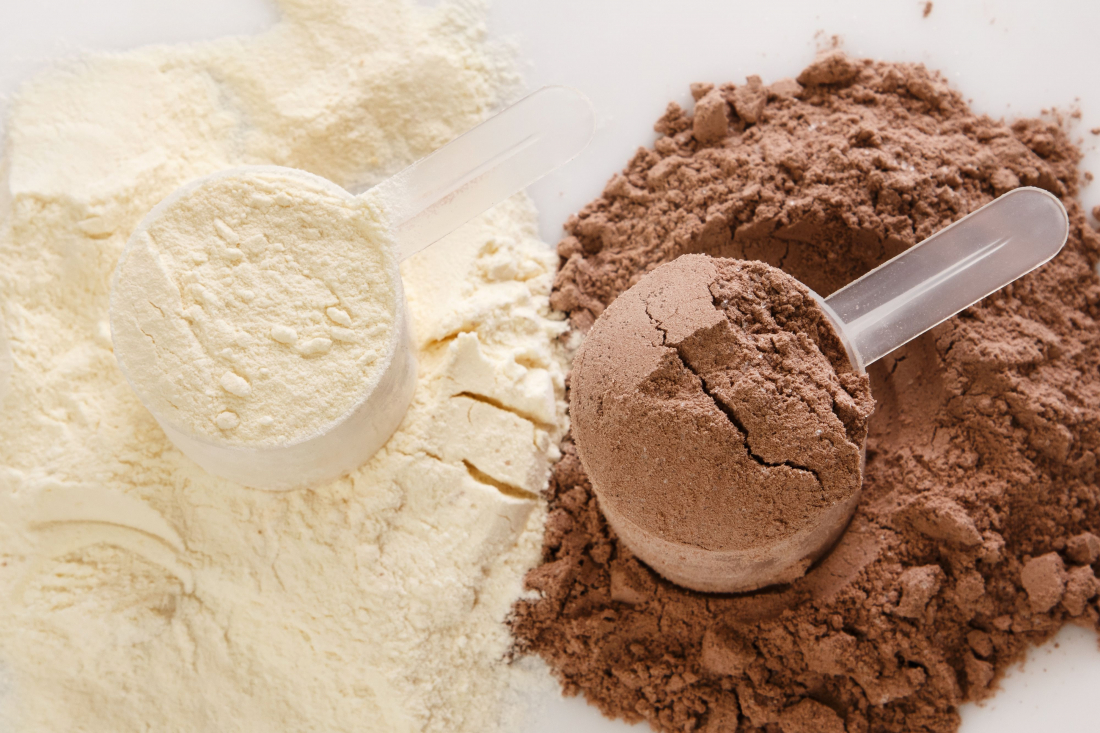
Before and after training are two other key moments when protein (in the sense of protein) should definitely not be missing from any athlete's diet. This is because a training session can increase both anabolic and catabolic events. The goal of most athletes, of course, is to maximize synthesis and minimize breakdown. This can be achieved by a properly chosen pre- and post-training meal.
Both meals should contain both protein and a sufficient amount of carbohydrate, especially in the post-workout meal carbohydrates are very important. Shortly after a workout is the most ideal time to reach for a protein powder, as protein is a pre-digested protein that does not put any strain on digestion, allowing the body to get straight to muscle recovery and protein synthesis without having to deal with digesting solid food.
As far as choosing a protein powder suitable at this time, hydrolysate is the fastest to digest. However, for most recreational athletes, a whey protein concentrate will be perfectly sufficient, or preferably some kind of multi-ingredient protein, containing egg, milk, whey and casein proteins, which according to modern studies appear to be the most effective ever. Alternatively, you can reach for a complex product containing both protein and carbohydrates.
The last time when it is very important to pay attention to your protein intake is before bedtime. In Arnold's time, cottage cheese was in vogue because it takes a long time to digest and ensures that the body has enough nutrients to regenerate even during sleep, when people are unable to eat. From the lines about the introduction of the different proteins, it is probably clear to you that casein is the best choice at such a time. Alternatively, again, some blend of different types of protein.
And what should the dosage look like and who can take the protein?
Protein is a perfectly safe supplement and can be taken by athletes across all disciplines, men, women, within reason it won't harm children if they are deficient in protein from a solid diet and it is safe for pregnant women too. It is advisable to choose protein from a reputable retailer and a quality brand with a good name associated with high quality products. As for the optimal dose, unfortunately we won't tell you.
It always depends on how much protein you are able to take in your diet, what your daily needs are, your physical disposition, your sporting goals and whether you need protein at all. The most important period when protein is really useful for every athlete is the post-workout period, because it doesn't overload the digestion and provides the body with the necessary nutrients to start the recovery processes. However, you can take protein at any time of the day, trying to replenish the amount of protein in your diet.
What to take away from the article?
Nowadays, we really have a lot to choose from when it comes to protein powders. In fact, there are a number of products on the market that we can use to supplement much needed protein, whether we are reducing fat or gaining muscle, or simply because we are lacking in resources. Each product has its own specific use and each is suited to a slightly different purpose.
Today, we've featured the most well-known proteins that are worth checking out. You can drink protein after a workout, before bed, use it for a snack, but you can also use it as a sweetener in yogurt desserts and bake treats with it. We've also made the point that protein can be enjoyed by virtually everyone, regardless of gender, age or the sport they play.
Sources:
https://www.ncbi.nlm.nih.gov/pubmed/21367943
https://www.ncbi.nlm.nih.gov/pubmed/18768358
https://www.ncbi.nlm.nih.gov/pubmed/25026454
https://www.ncbi.nlm.nih.gov/pubmed/19385022
https://www.ncbi.nlm.nih.gov/pubmed/21677076
https://www.ncbi.nlm.nih.gov/pubmed/26246322
https://www.ncbi.nlm.nih.gov/pubmed/20977230
https://www.ncbi.nlm.nih.gov/pubmed/22332096
https://www.ncbi.nlm.nih.gov/pubmed/19335713
https://www.ncbi.nlm.nih.gov/pmc/articles/PMC25140/
https://www.ncbi.nlm.nih.gov/pubmed/10838463
https://www.ncbi.nlm.nih.gov/pubmed/19176726
Recommended

BiotechUSA Protein Power
No posts have been made yet.