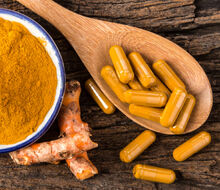
Turmeric? It is! This substance kills fat cells.
 Author:
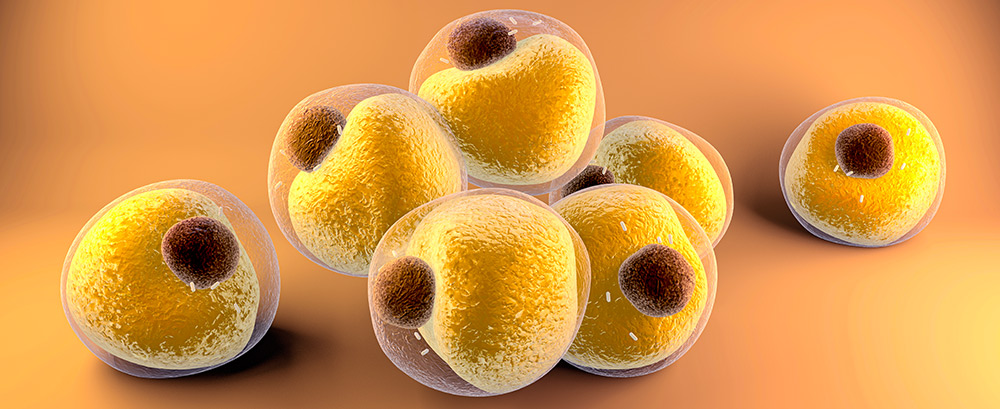
 The list of benefits of curcumin continues to grow. Curcumin started out as an effective pain and inflammation relie ver, but then we discovered that it also blocks estrogen, increases testosterone levels, improves heart health, strengthens, dissolves arterial plaques, stops knee pain, and reduces the risk of diabetes. And now new research has emerged showing that curcumin causes fat cell apoptosis, the term for cell suicide. When apoptosis begins, bubbles and clumps begin to form on the surface of the cell, almost as if the cell is cooking. Then the nucleus begins to fragment. Eventually, the cell breaks apart and spills its shattered innards into the interstitial fluid.
The cellular clean-up crew of phagocytes, who are used to doing the dirty work, arrive to dispose of the corpse and no investigation takes place because they know that curcumin was to blame.
This new research on curcumin also shows that curcumin prevents pre-adipocytes - "baby" fat cells - from developing into full-fledged adipocytes. Here's a summary of the scientific findings and their relevance to you.
The studies, in brief and clear
Taiwanese scientists already knew from several recent studies that curcumin supplementation reduces the increase in body fat induced by a high-fat diet, but they did not know the mechanism behind curcumin's hostility to plumpness. To find out, they exposed mouse preadipocytes to different concentrations of curcumin for different lengths of time. They also exposed the preadipocytes to a low dose of curcumin for one hour, followed by a 24-hour incubation.
They found that curcumin 303 inhibited adipocyte differentiation. In other words, the supplement prevents fat cells from maturing and performing their ultimate function: storing fat.
High doses of curcumin actually caused the fat cells to commit suicide, while lower doses prevented the maturation of "baby" fat cells. They suggest that this is related to curcumin's modulatory effects on the Wnt/beta-catenin signaling pathway, which helps determine cell fate.
The authors seemed enthusiastic:
"These findings suggest that curcumin supplementation could be an effective strategy to treat or prevent the development of obesity through curcumin-induced reduction in the number or pre-adipocytes and adipocyte fat mass."

What do you take from this?
When you think about it, the effects of curcumin on fat cells may be related to many of the other benefits mentioned in the opening paragraph. Taken together, our fat cells are an important endocrine organ that has a strong influence on such things as appetite regulation, insulin sensitivity, immune responses, and vascular disease. So if curcumin causes fewer fat cells to form while causing the demise of others, then it makes sense to take it.
As for how much curcumin needs to be taken to cause any reduction in fat mass, it's hard to say. Scientists have exposed fat cells to concentrations as high as 50 micrograms of curcumin to commit suicide and 30 micrograms to prevent pre-adipocytes from developing into full-fledged adipocytes. However, because body weight among us humans is so varied, it is difficult to extrapolate an appropriate dosage.
But considering that 30 micrograms is very little (a thousand micrograms equals 1 milligram), a standard dose of good quality curcumin would certainly bring the average person into the therapeutic range.
Source: t-nation/TC_Luoma
Study
- Wu LY et al. Curcumin Attenuates Adipogenesis by Inducing Preadipocyte Apoptosis and Inhibiting Adipocyte Differentiation. Nutrients. 2019 Oct;11(10):2307. PMC 15.
Recommended
Big Zone NovaSol® Curcumin
No posts have been made yet.