





Eight simple tips to start a successful day!
 Author:
 Wound. Some people love them, others hate them. There are days when you feel absolutely fantastic in the morning and go to work or school thinking you're going to have a good day. And then there are mornings when you want to turn around at the door and fall back into bed. We all know that. Today, let's talk about how we can get well in the morning, wake up and boost our productivity, cognitive function, and overall health!
Tip #1: Quality sleep
If you want to feel refreshed and energized in the morning, then getting enough sleep (both in terms of quality and quantity) is the first and most important prerequisite. The optimal amount of sleep will vary depending on each individual's needs, but in general we should aim for at least 7 hours. It is important that we establish a regular sleep schedule - that is, that we go to bed and get up at around the same time every day, including weekends. If your body gets used to a routine like this, it will be better prepared to sleep at that time, and you will probably find it much easier to fall asleep and get up in the morning.

We cover sleep quite often on our website because it is a key factor for optimal performance at work and in the gym, for maintaining a healthy weight and for health in general. If you have trouble falling asleep or have poor quality sleep, you can try some of the tips we wrote for you in a recent article.

Tip 2: A good breakfast
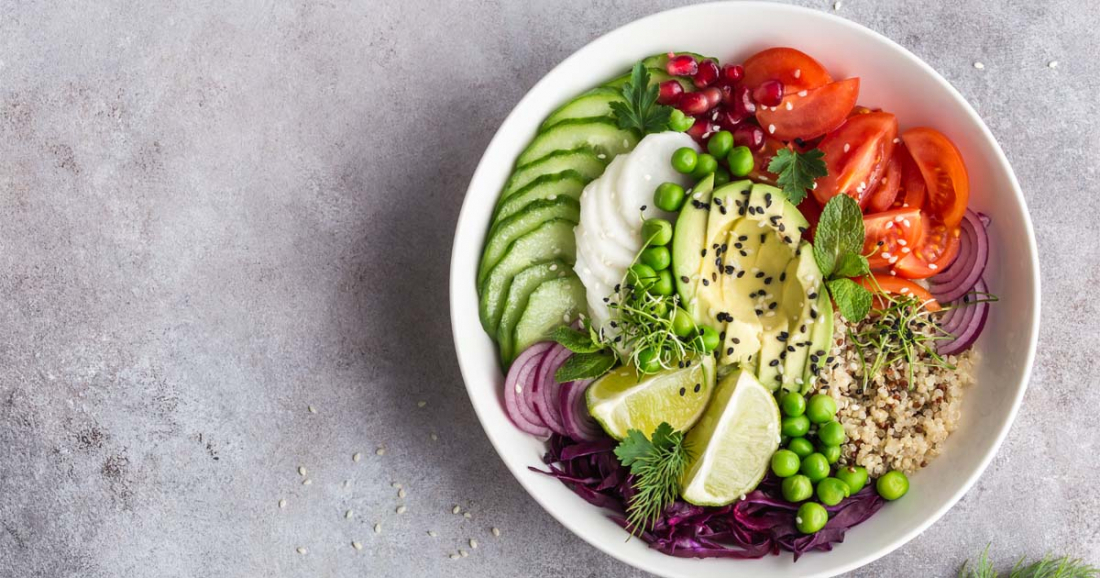
In addition to sleep, our bodies need adequate fuel in the form of good quality food in adequate quantities in order to have enough energy, and it's up to us to provide it. It's no wonder then that a well-constructed breakfast that pleases the palate and provides energy is another great tip to get a good start and be as productive as possible during the day. And what to eat for breakfast anyway? That's entirely up to your preference! Oatmeal, scrambled eggs, omelettes... the imagination has no limits.
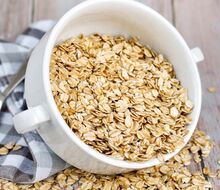
But it's good to remember that breakfast should be balanced. Many people like to eat porridge for breakfast - which is of course a great choice, because oatmeal is a superfood that benefits our health in many different ways. However, they forget that it needs to be supplemented with some source of protein - add protein, Greek yoghurt or maybe an egg. All that's missing to make it perfect is fresh fruit and a cube of good quality chocolate or a spoonful of peanut butter. The same goes for eggs - don't be afraid to add a carbohydrate side dish - rye bread or oatmeal. Don't forget a drink - ideally a cup of warm tea in the morning, or coffee with a glass of water.
Tip 3: Morning exercise
A great way to get a jump start in the morning is with physical activity. Not the type to be able to slip your shoes on at 6am and run around the park, or maybe lift weights in the gym? It doesn't matter at all. Because any movement counts! Feel free to start your morning with a light stretch, a yoga routine, or even a short walk. During the activity, you'll get your body and brain moving and we guarantee that you'll perform much better, have more energy and, last but not least, be in a better mood because it's well known that we release endorphins, the happy hormones, during sport.
If, on the other hand, you are a fan of morning sports, then good for you! It is a great way to start the day with sport - not only because it puts you in a good mood for the day, but also because it avoids unexpected events when you have to stay longer at work or you don't feel like doing sport in the afternoon. Don't forget to warm up and stretch properly to prevent injury, because after all - muscles and joints are stiffer in the morning than when you go out to exercise in the afternoon.
Tip 4: Fresh air
Fresh air can work wonders - anytime and especially in the morning! Take a short walk in the morning - perhaps on your way to work or just before breakfast. It's scientifically proven that a regular walk in the fresh air can boost mental health, combat depressed moods and get us in the right frame of mind, so why not try it first thing in the morning? Regular exercise in the fresh air will support the heart, but it will also oxygenate the brain, which appears to be a very beneficial protection against the onset of Alzheimer's disease, dementia, memory loss and other manifestations of mental degradation, and most importantly - it promotes both productivity and cognitive acuity. To make matters worse, you will also strengthen your immune system, which is really useful especially in autumn.
Don't have time to go out in the morning, or maybe you don't feel like it? We understand. Try opening a window at home for a few minutes after you wake up and letting the fresh air in. Even if it's chilly outside in the morning, the fresh air will wake you up, cheer you up and put you in a good mood.
Tip 5: Supplements
Dietary supplements can also be useful (but beware, not omnipotent). Nootropics or various adaptogenic herbs have been particularly popular in this regard in recent years. Nootropics refer to a broad group of substances that have a positive effect on our brain and also have a wide range of different effects. Some nootropics support learning, concentration and memory, others are more of a boost for brain health or good mood and some can even affect sports performance. Nootropics include, for example, the well-known caffeine, as the most used stimulant in the world.
Then there is Alpha GPC, a precursor of choline, which is converted to acetylcholine in the brain. Alpha GPC is one of the most researched and tested nootropics ever. Without choline, our brains cannot function optimally. Alpha GPC can very effectively support proper brain function and improve memory, but in addition, it also protects against various neurodegenerative disorders. Rhodiola Rosea, or the pink stonecrop, is also an important substance in this respect. This adptogenic herb has been very popular lately and we have dedicated a separate article to its effects - you can read it in the link below.
The important thing to remember is that supplements should never be used as a substitute for quality sleep or real food. They only serve as a support and a crutch when something is needed to help the body replenish. So if you think that taking nootropics or adaptogens is a suitable compensation to a long-term sleep deficit and inadequate caloric intake, then we must deeply disappoint you. This is not how it works.

Tip 6: Plan your daily activities
Do you have a busy day ahead of you, and from the moment you wake up you're thinking about all the things you need to get done, sort out or check in? Prepare a simple plan or to-do list to help you manage your time better and take the stress out of it. Good time management is the key to success - you can prepare a schedule of activities in the evening and just enjoy a leisurely breakfast in the morning to get your mind at ease.

Tip 7: Cold shower
A tip that's not for everyone, but guaranteed to work! In fact, research shows that people who regularly indulge in icy showers report higher mental performance, higher levels of attention, concentration, have much more energy and are more productive. Some people even compare the effects of an ice shower to those after drinking a cup (or two) of coffee. A cold shower ritual will energize your body and brain, and also boost your immunity and athletic performance. To make matters worse, taking a cold shower in the morning is also a great way to put yourself in a great mood! It takes a proper dose of courage and determination to stand under the icy water because it's not easy to get out of a heated bed and go under really cold water, but it's worth it.
If you're tempted by cold shower rituals, start slowly with a sensible approach - start with shorter intervals to give your body enough time to process the shock and build up gradually. You can also opt for a 'contrast shower', which involves alternating intervals of hot and cold water. We have devoted a rather extensive article to cold showers, which you can read in the link below the paragraph.

Tip 8: Positive thoughts
A bonus tip that might sound like it's from some esoteric auntie on the internet, but it really works. Try to start the day with a positive attitude. Because if you get out of bed thinking that you're going to have a completely crappy day ahead of you, with a bajillion work tasks you don't want to do for the week ahead, or that you're about to have a conversation with someone you don't even want to see, let alone talk to, you're not going to help yourself much. Try to tune in to the fact that no matter what you're facing, you'll get through it with a clear head and a smile on your face. It's not for nothing that they say everything starts in the head - including a good day.
Recommended
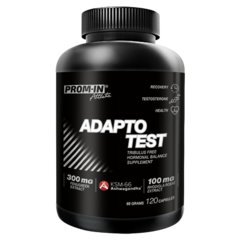
Prom-in Adaptotest
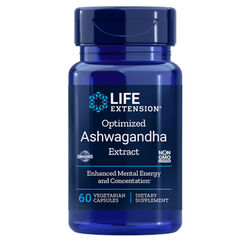
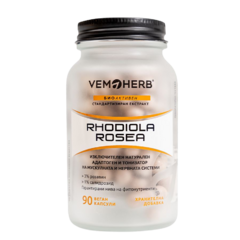
Vemoherb Rhodiola Rosea
What to take away from the article?
Today we had fun on the topic of how to get a good start in the morning and how to manage everything that awaits you during the day. The basics are getting enough quality sleep, a good breakfast and fresh air. Getting some exercise in the morning is also a great option - it doesn't necessarily have to be a workout in the gym, just a short stretch or a yoga routine. You can also use the power of a cold shower or supplements. Last but not least, it is also important to build a positive mindset from the morning - after all, the morning makes the day, so why spoil it with a negative attitude right away.
Sources:
Hartescu, I., Morgan, K., & Stevinson, C. D. (2015). Increased physical activity improves sleep and mood outcomes in inactive people with insomnia: a randomized controlled trial. Journal of sleep research, 24(5), 526-534. https://doi.org/10.1111/jsr.12297
Halpern, J., Cohen, M., Kennedy, G., Reece, J., Cahan, C., & Baharav, A. (2014). Yoga for improving sleep quality and quality of life for older adults. Alternative therapies in health and medicine, 20(3), 37-46.
ooper, C. B., Neufeld, E. V., Dolezal, B. A., & Martin, J. L. (2018). Sleep deprivation and obesity in adults: a brief narrative review. BMJ open sport & exercise medicine, 4(1), e000392. https://doi.org/10.1136/bmjsem-2018-000392
Itani, O., Jike, M., Watanabe, N., & Kaneita, Y. (2017). Short sleep duration and health outcomes: a systematic review, meta-analysis, and meta-regression. Sleep medicine, 32, 246-256. https://doi.org/10.1016/j.sleep.2016.08.006
Lishmanov, I., Trifonova, Z., Tsibin, A. N., Maslova, L. V., & Dement'eva, L. A. (1987). Plasma beta-endorphin and stress hormones in stress and adaptation. Biulleten' eksperimental'noi biologii i meditsiny, 103(4), 422-424.
Lishmanov, I., Trifonova, Z., Tsibin, A. N., Maslova, L. V., & Dement'eva, L. A. (1987). Plasma beta-endorphin and stress hormones in stress and adaptation. Biulleten' eksperimental'noi biologii i meditsiny, 103(4), 422-424.
Tamura, Y., Takata, K., Matsubara, K., & Kataoka, Y. (2021). Alpha-Glycerylphosphorylcholine Increases Motivation in Healthy Volunteers: A Single-Blind, Randomized, Placebo-Controlled Human Study. Nutrients, 13(6), 2091. https://doi.org/10.3390/nu13062091
Parker, A. G., Byars, A., Purpura, M., & Jäger, R. (2015). The effects of alpha-glycerylphosphorylcholine, caffeine or placebo on markers of mood, cognitive function, power, speed, and agility. Journal of the International Society of Sports Nutrition, 12(Suppl 1), P41. https://doi.org/10.1186/1550-2783-12-S1-P41, Introduction: .goodnet.org
No posts have been made yet.








